Airport Name and ICAO/IATA Code
New Chitose Airport (ICAO: RJCC / IATA: CTS)
Location (City, Country)
Sapporo, Japan
Airport Type & Size
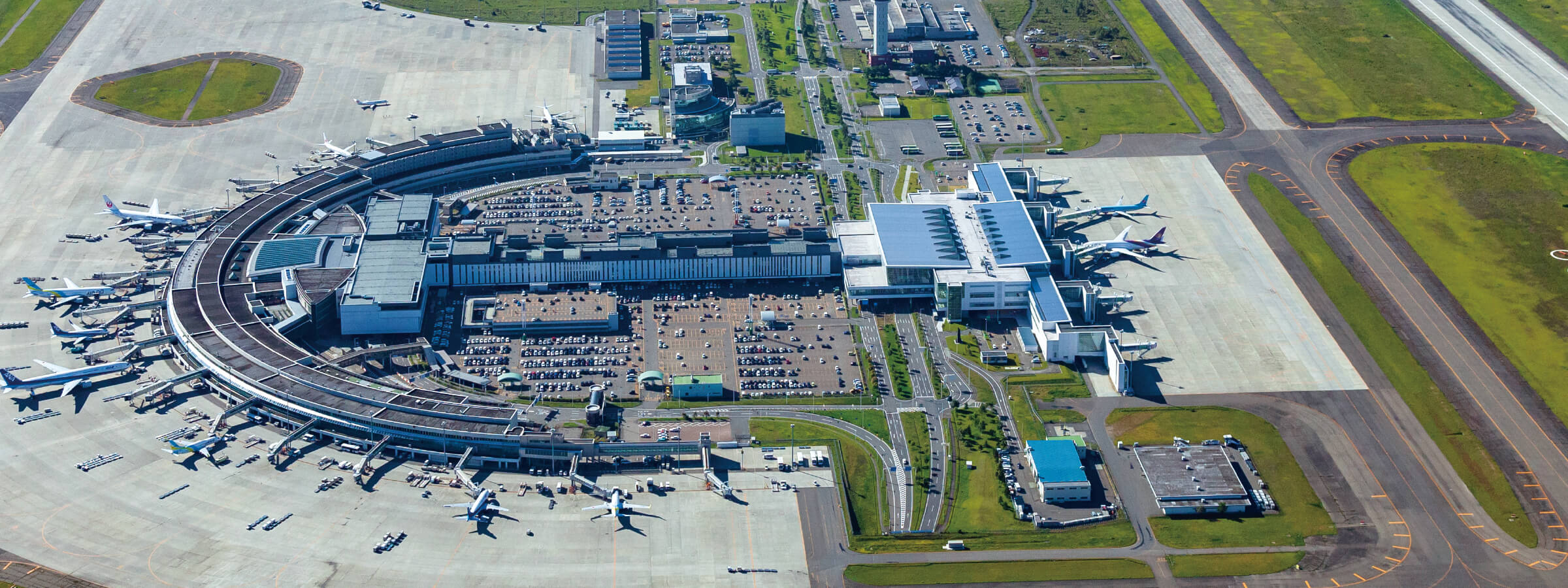
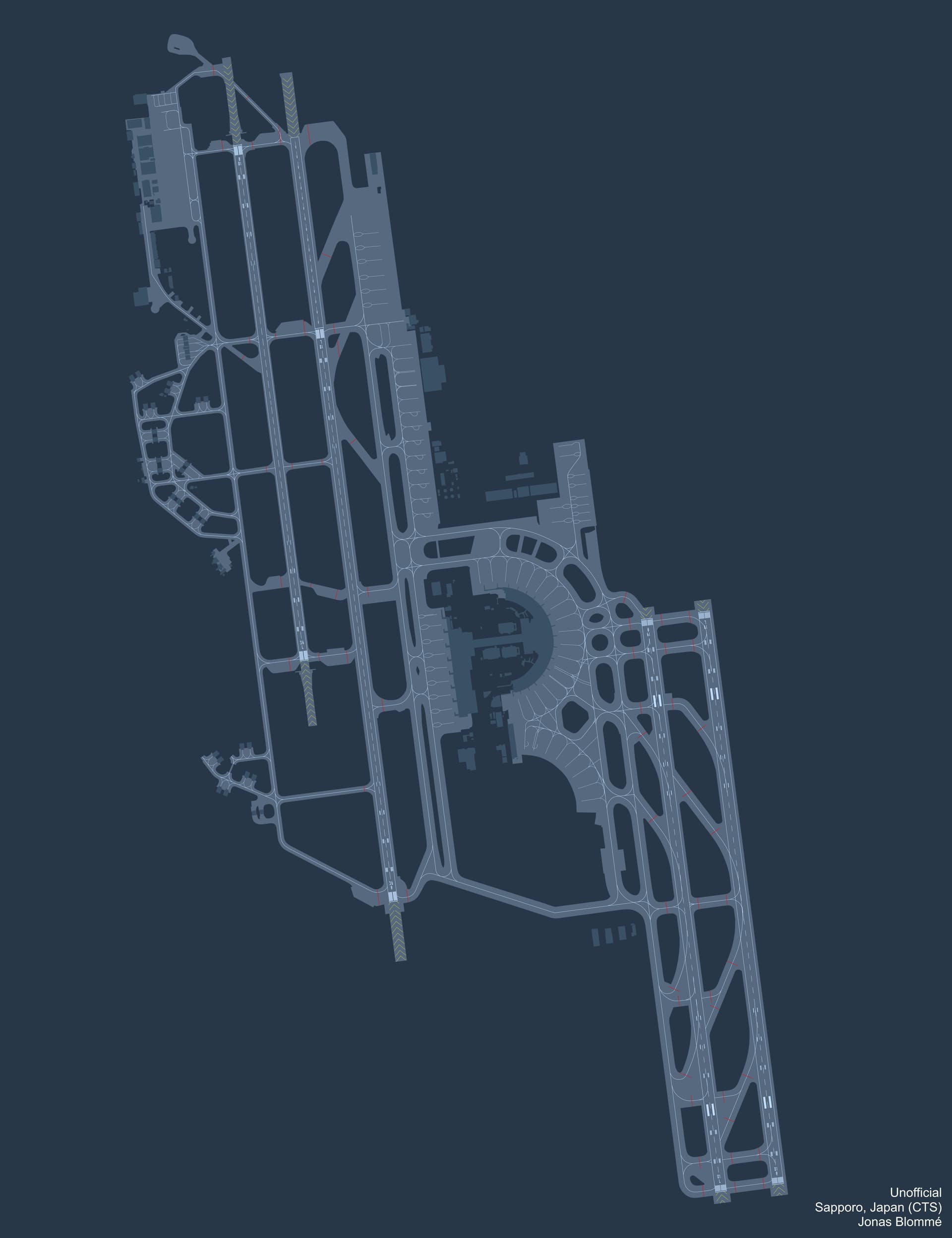
Major domestic hub and international gateway for Hokkaido with 4 runways. Handles over 22 million passengers per year and is a key airport for both tourist and cargo traffic to the region. Capable of handling all aircraft types up to and including the Boeing 747-8 and Airbus A380.
Why should this airport be added to World of Airports?
New Chitose is the primary gateway to Hokkaido, Japan’s northernmost major island, a world-renowned destination for both winter sports and summer nature. It functions as a vital domestic hub with a “feeder and spoke” network from Tokyo and other major Japanese cities, while also supporting a growing number of international routes. Its operations are characterized by a high frequency of domestic flights, a mix of international leisure traffic, and significant cargo operations. The unique challenge of managing four runways, including a massive crosswind runway, in a heavy snowfall region offers a distinct and engaging gameplay dynamic.
Major Airlines & Routes
ANA, JAL, Air Do, Peach, Jetstar Japan — High-frequency routes to Tokyo (HND, NRT), Osaka (KIX, ITM), and other Japanese cities.International carriers: Korean Air, Asiana Airlines, China Eastern, EVA Air, Thai Airways, Hawaiian Airlines — Routes to Seoul, Taipei, Shanghai, Bangkok, Honolulu, and various seasonal holiday routes.
Unique Features or Challenges
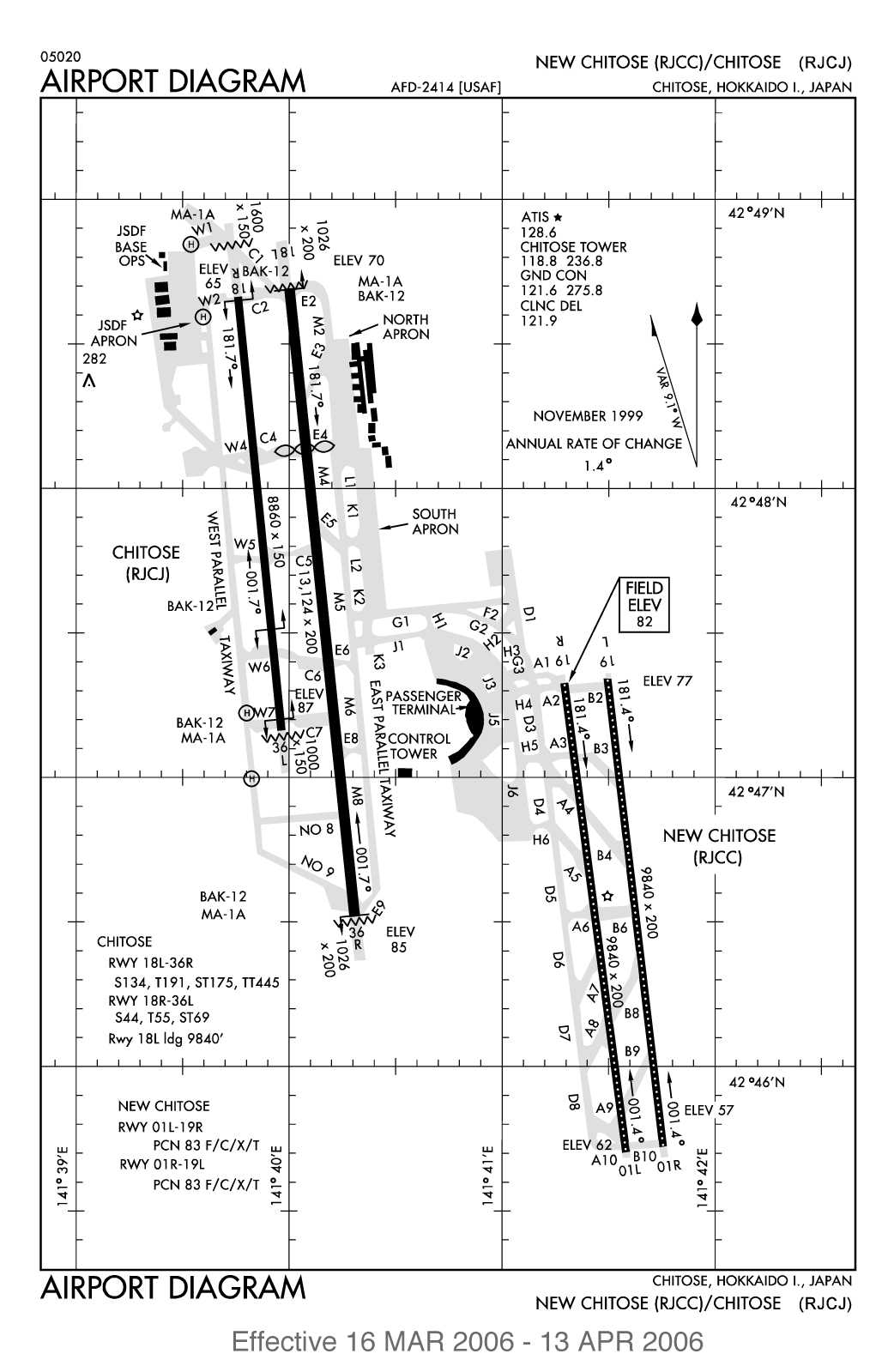
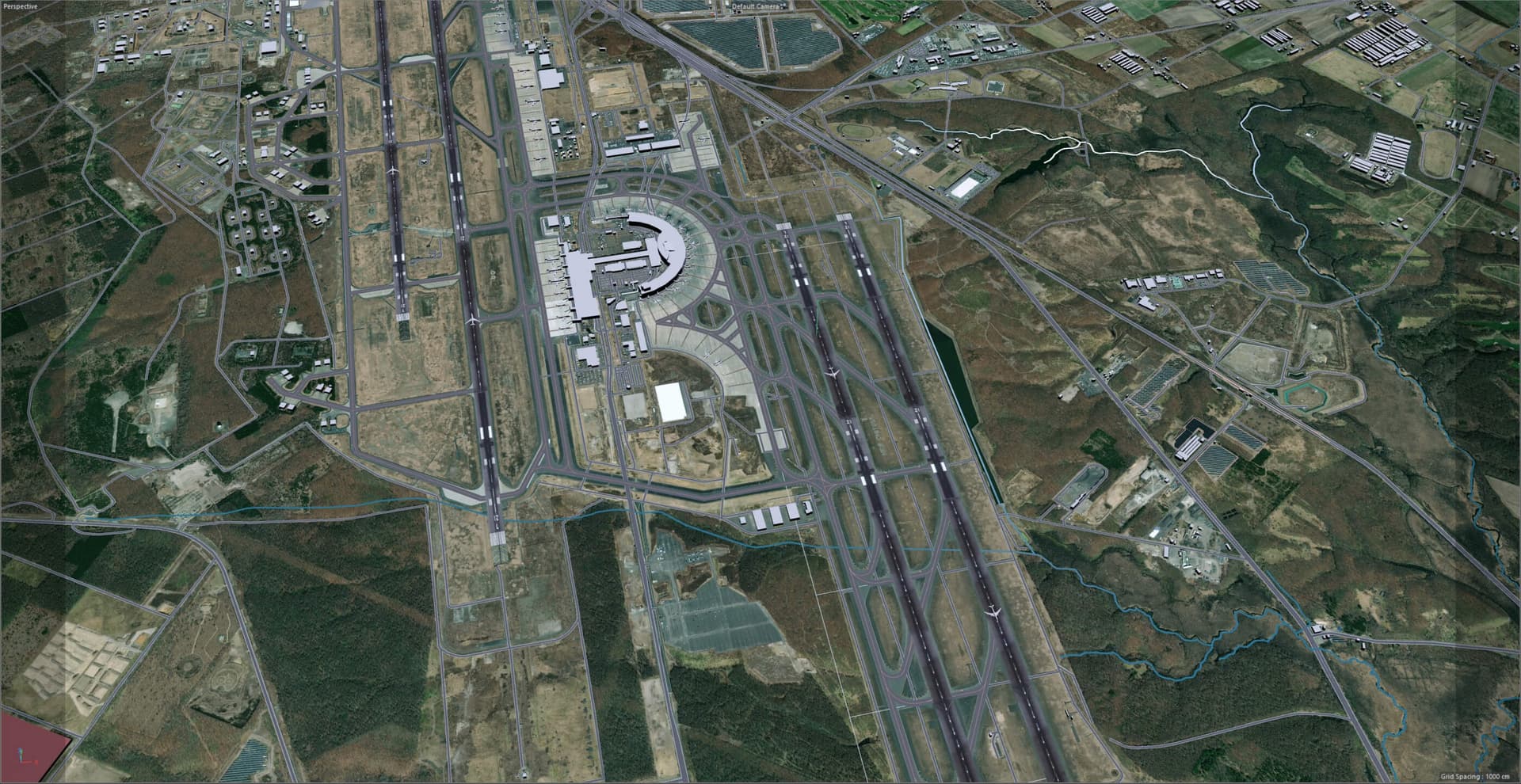
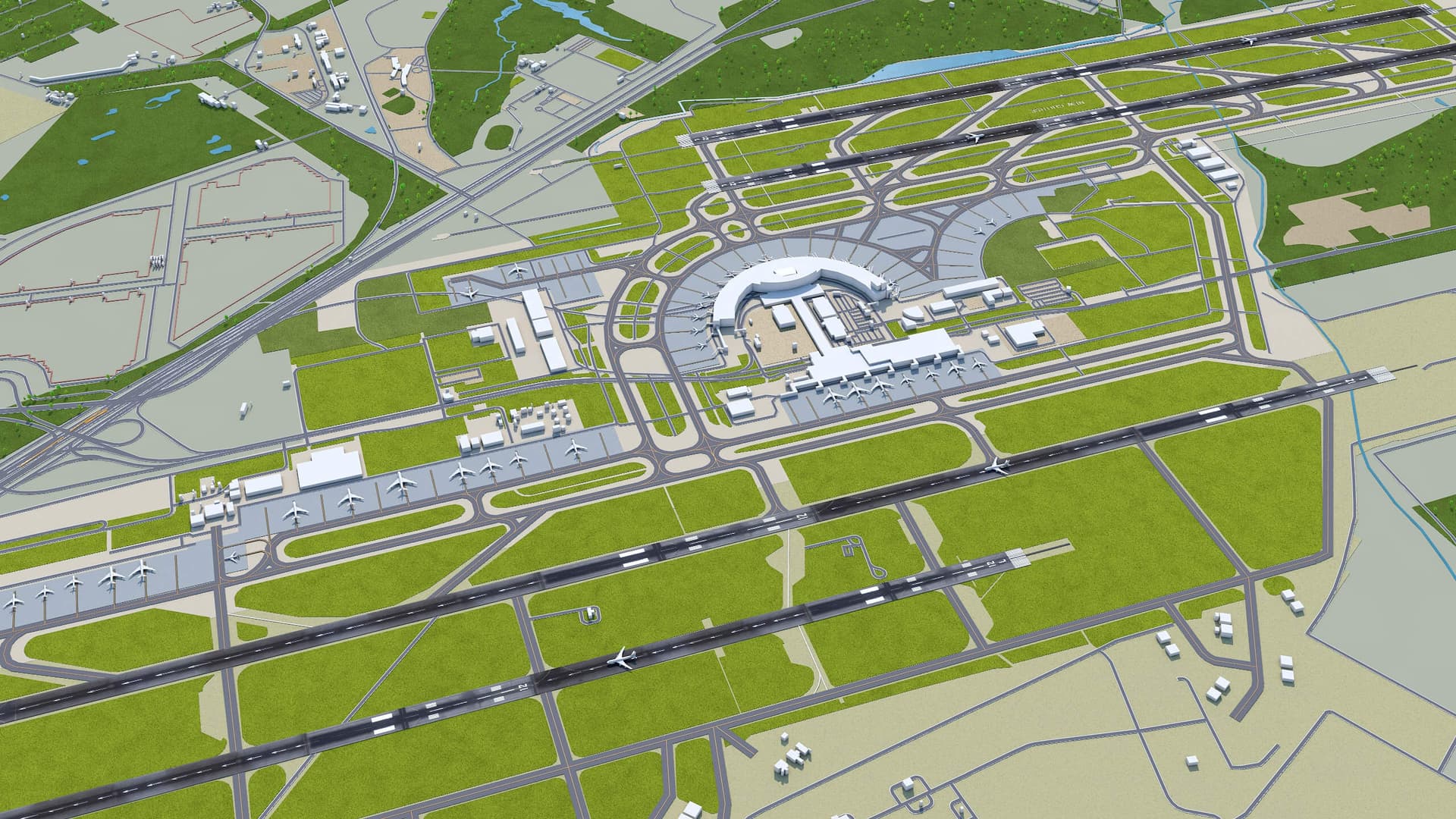
· Four Runway Configuration: Features two sets of parallel runways, a complex layout that provides operational flexibility, especially during strong crosswinds.· Winter Operations: The most defining feature is its location in a heavy snowfall region. This introduces gameplay challenges like de-icing delays, runway closures for snow removal, and potential reduced visibility, requiring active management.
· Peak Seasonality: Experiences extreme passenger peaks during winter (ski season) and summer (outdoor tourism), requiring efficient terminal and gate management.
· Dual-Hub Role: Serves as both a major domestic connector for the island and an international gateway, creating a diverse mix of aircraft.
· Cargo Importance: A key hub for fresh produce (like seafood and agricultural products) from Hokkaido to the rest of Japan and Asia.
· Runway detail
01R/19L → 3,000m / 9,843ft (4E)
01L/19R → 3,000m / 9,843ft (4E)
18R/36L → 2,700m / 8,858ft (4D)
18L/36R → 4,000m / 13,123ft (4F)
Optional: Links, images, maps, or videos
New Chitose Airport - WikipediaDisclaimer: this is unofficial and made for fun.
Made by - @Jonnie2604

 Example of approximate connections theoretically possible between airports
· CTS →  NGO - 414nm - B/C/D
· CTS →  HKG - 1850nm - C/D/E/F (Coming soon)
· CTS →  BKK - 2737nm - C/D/E/F
· CTS →  CNN - 3874nm - C/D/E (Coming soon)
· CTS →  MCT - 4173nm - C/D/E/F
· CTS →  SAN - 4538nm - D/E/F
· CTS →  LEJ - 4566nm - D/E/F
· CTS →  PRG - 4584nm - D/E/F
· CTS →  SYD - 4634nm - D/E/F
· CTS →  INN - 4790nm - D
· CTS →  LHR - 4811nm - D/E/F
· CTS →  BRI - 4950nm - D/E
· CTS →  IAD - 5454nm - D/E/F
· CTS → MSY - 5580nm - D/E/F
· CTS →  SXM - 6902nm - E/F
· CTS →  SCL - 9179nm - only B77L*
· CTS →  GRU - 9570nm - only B77L*
*In theory, the B77L from GRU/SCL to CTS, but it’s not efficient.

