Airport Name and ICAO/IATA Code
Cleveland Hopkins International AirportIATA: CLE / ICAO: KCLE / FAA LID: CLE
Founded in 1925 (Jul. 1st), at the time known as Cleveland Municipal Airport
Location (City, Country)
Hopkins, Cleveland, Ohio, United States ()
Airport Type & Size
Cleveland Hopkins International Airport is a mid-size international airport located in Ohio, serving the region of the Cleveland metropolitan area (alternatively known as Greater Cleveland).
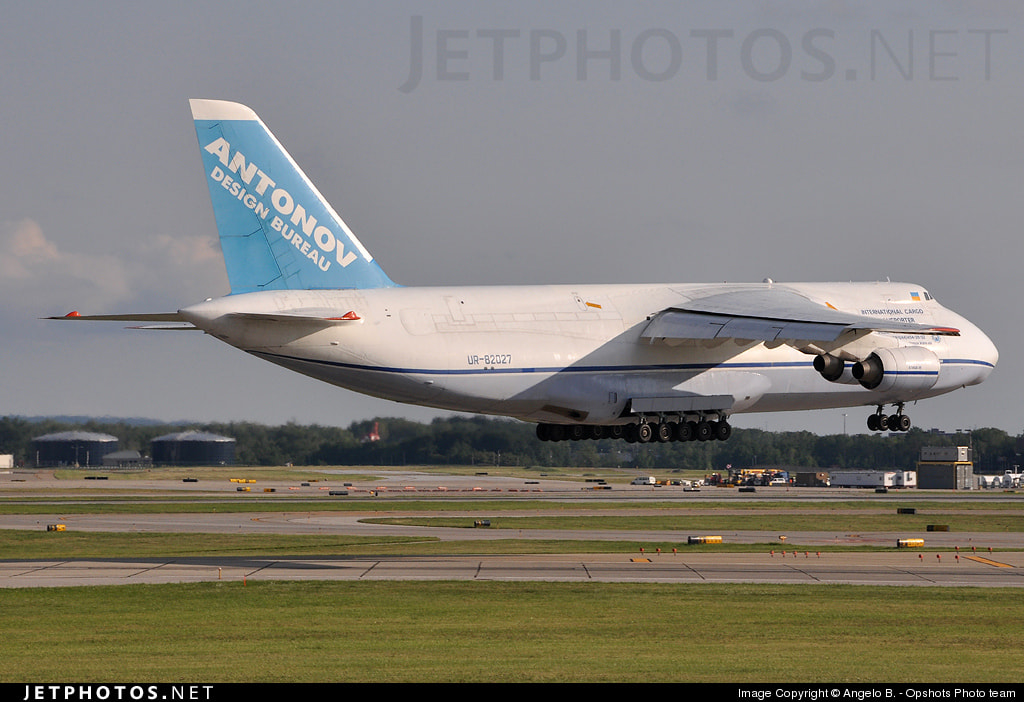
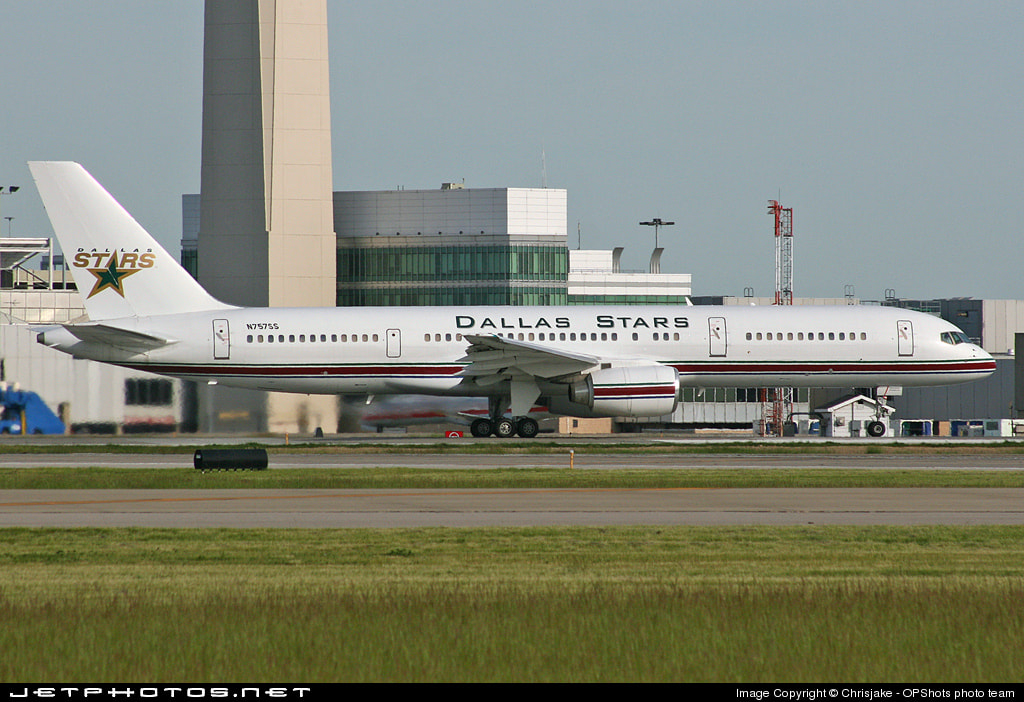
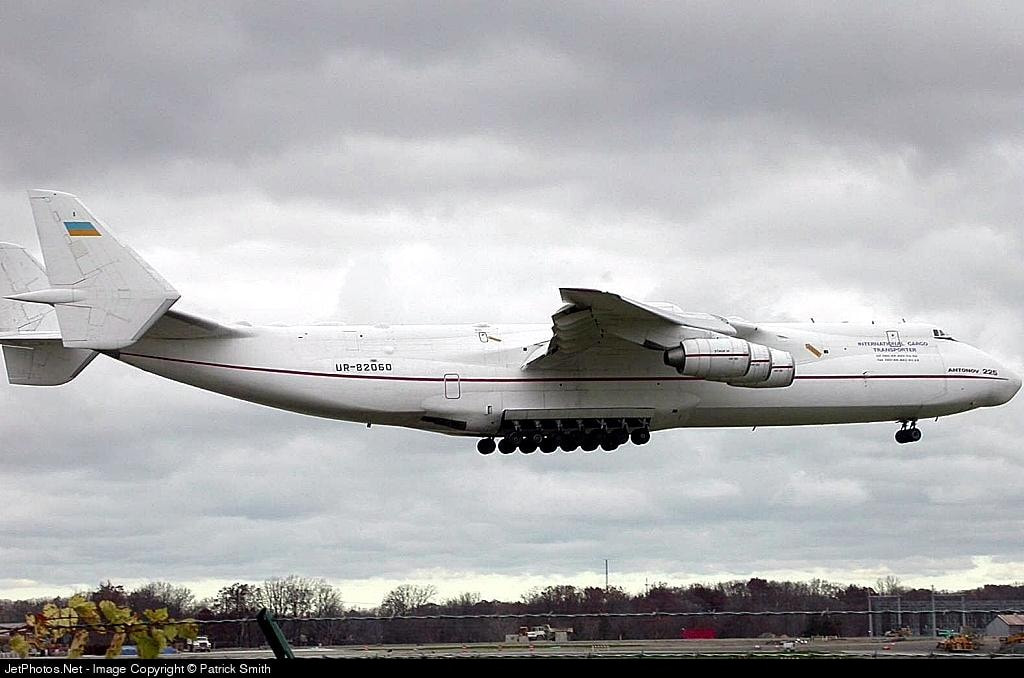
The airport served just over 10 million passengers of 2025, making it the busiest and largest airport in the state of Ohio.CLE has handled passenger/charter aircraft up to the 747-400 (Category E), and cargo aircraft up to the An-225 (Category G).
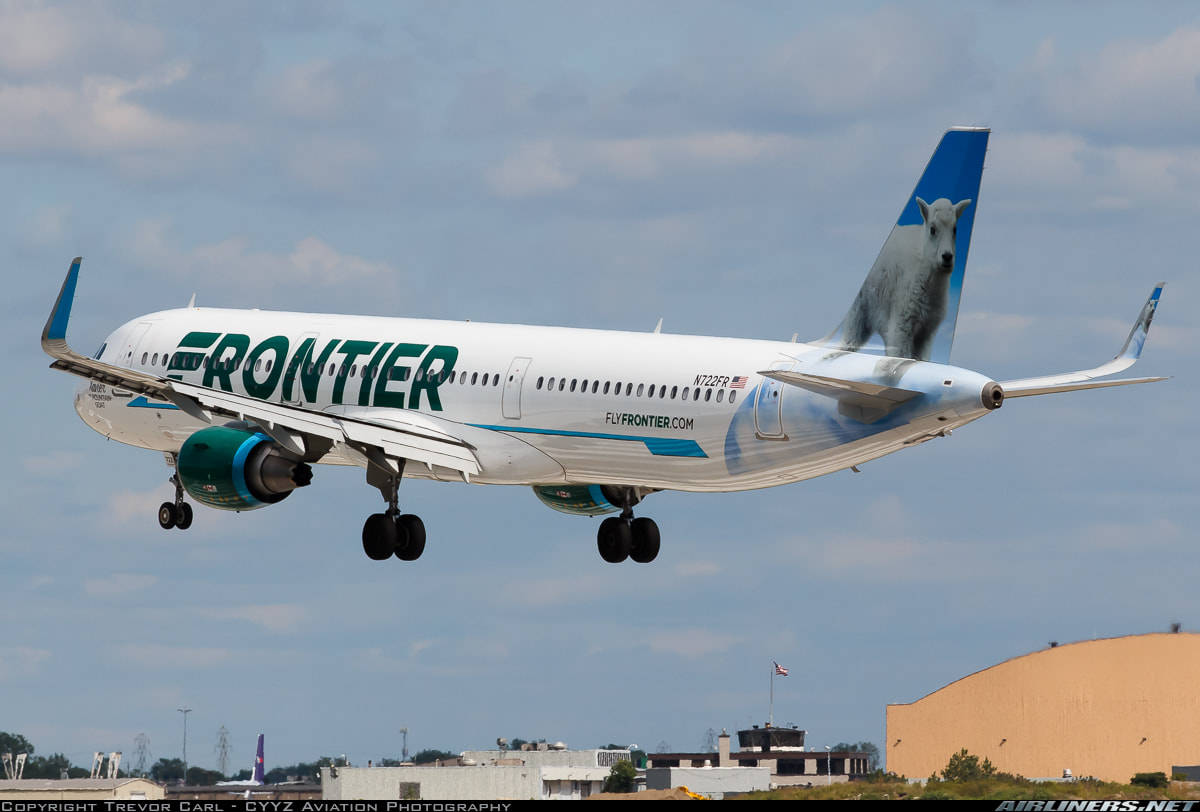
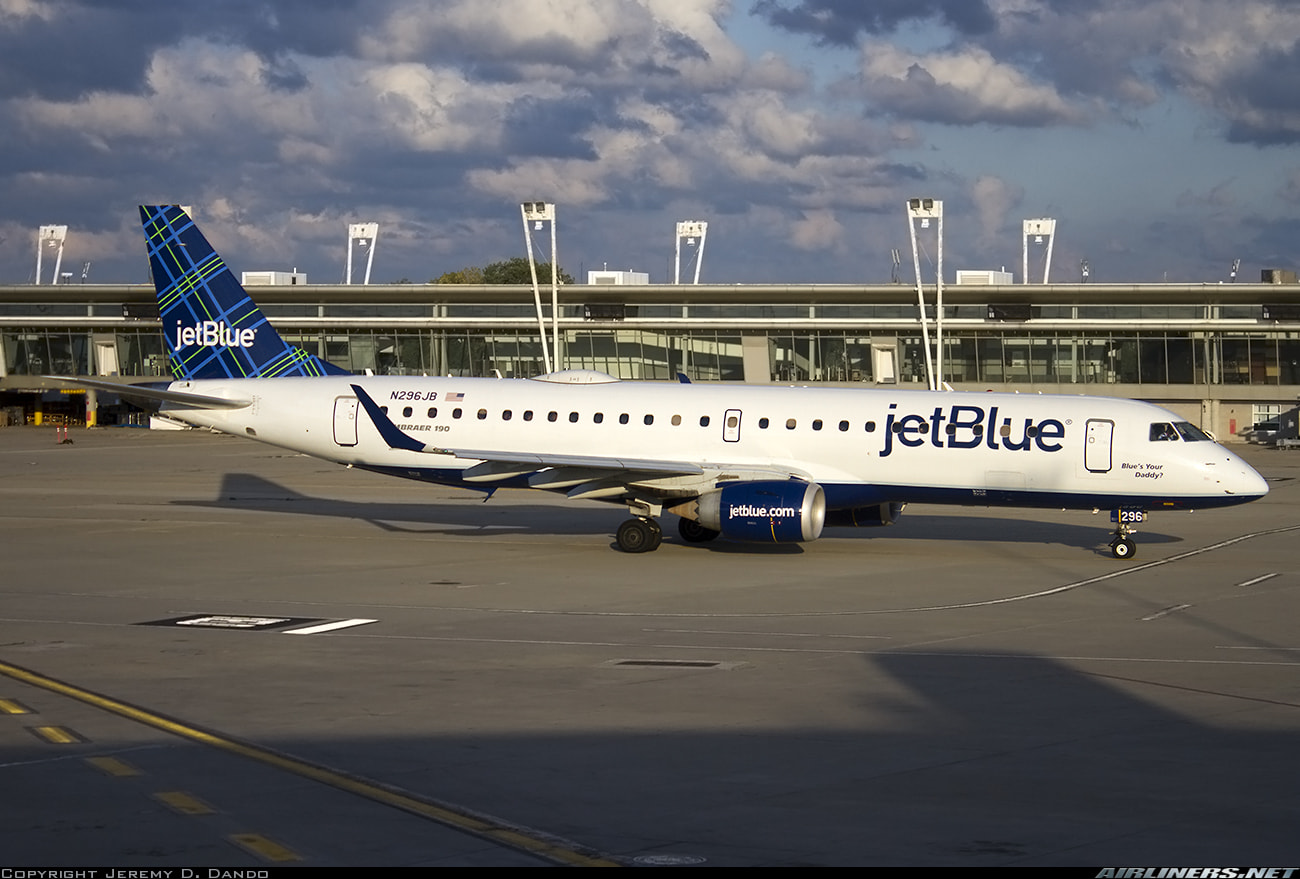
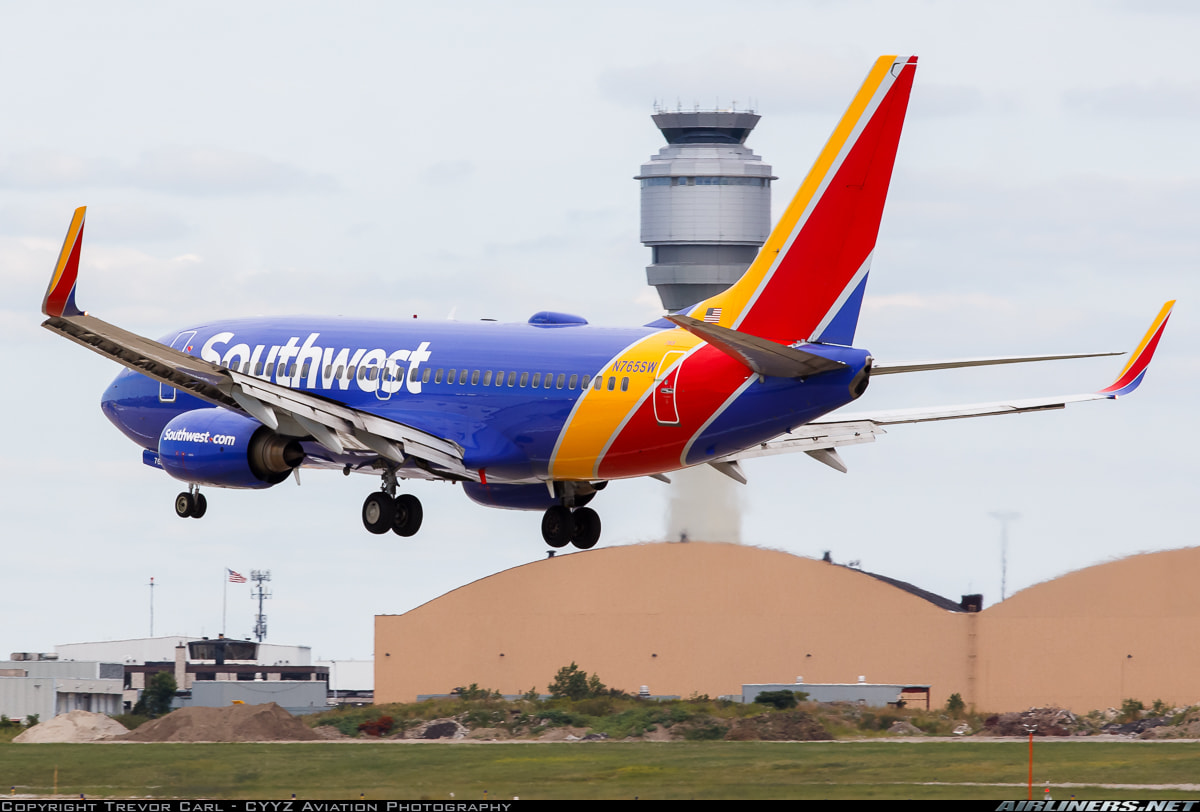
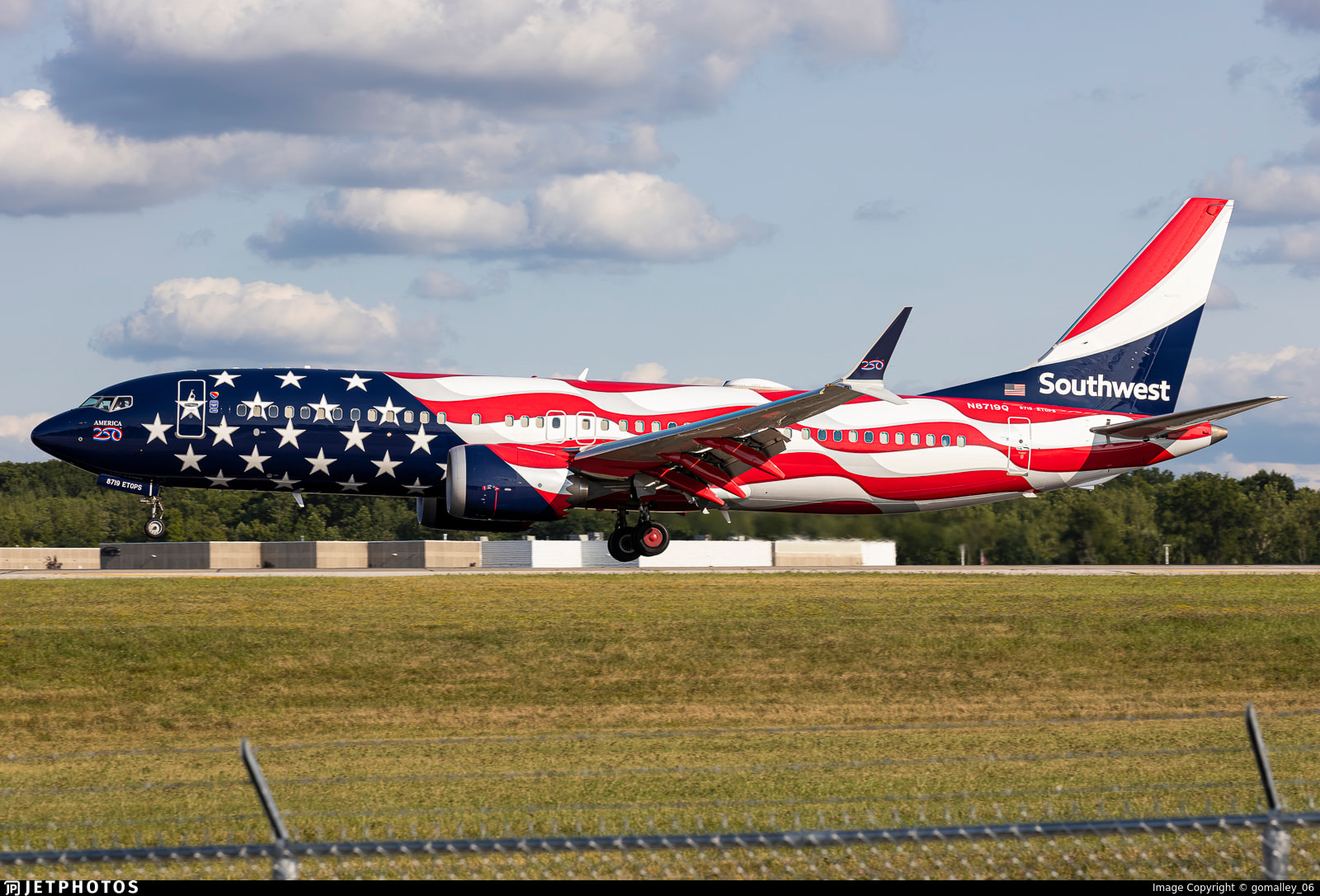
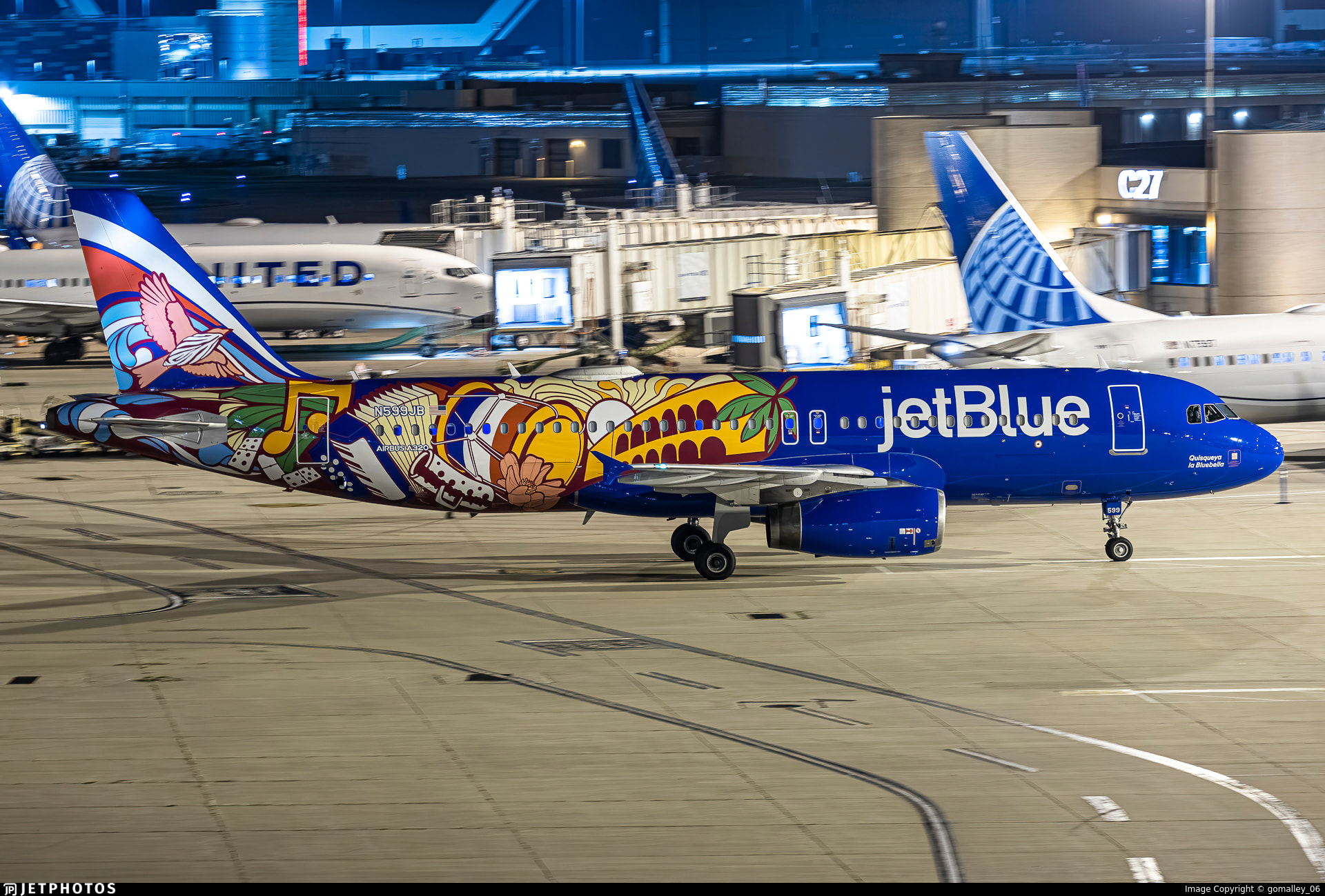
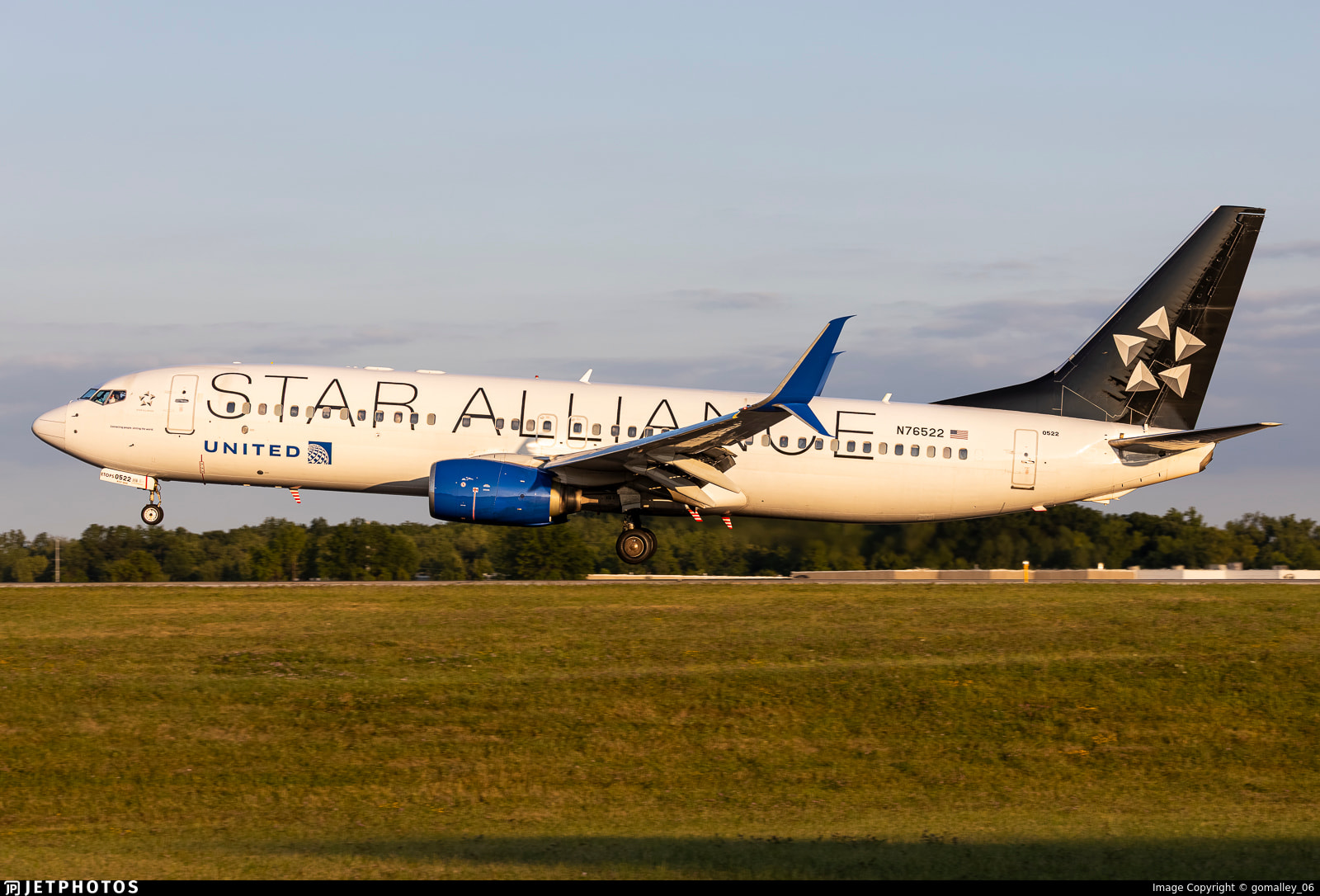
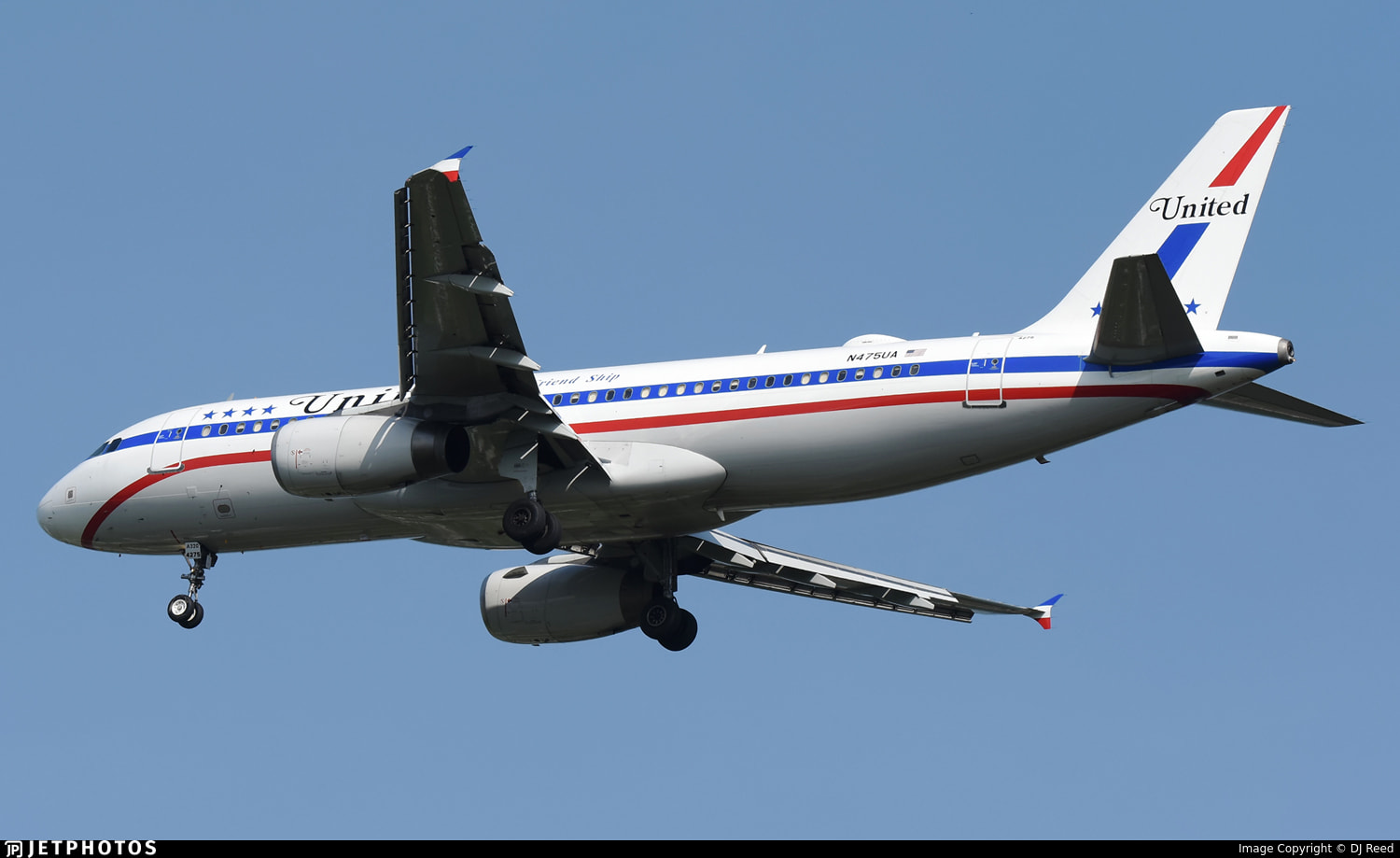
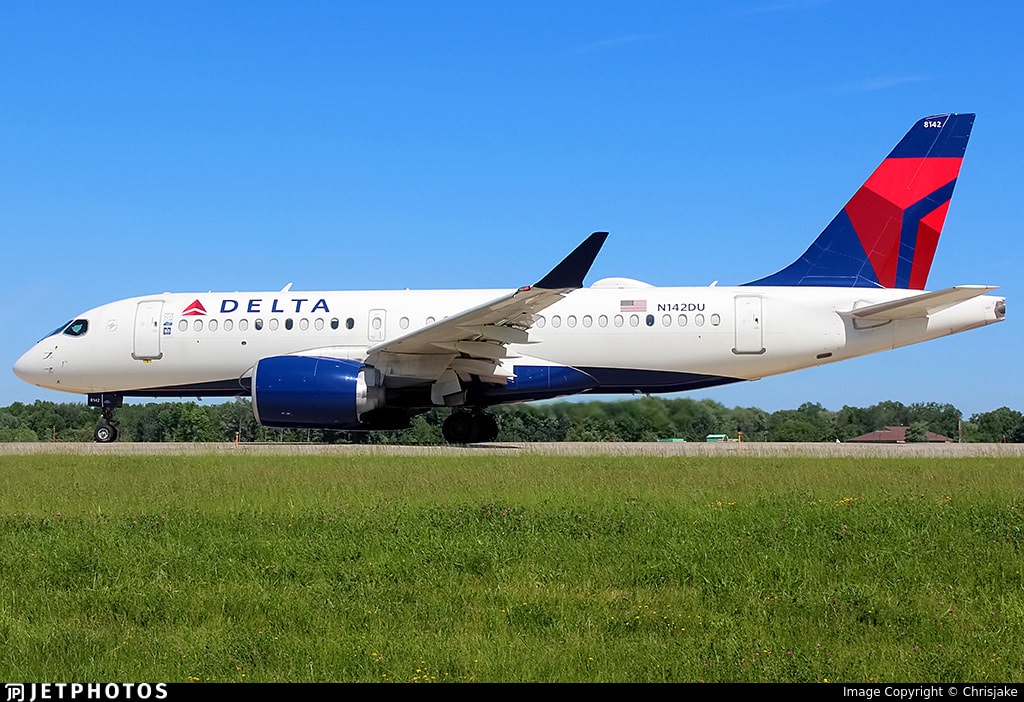
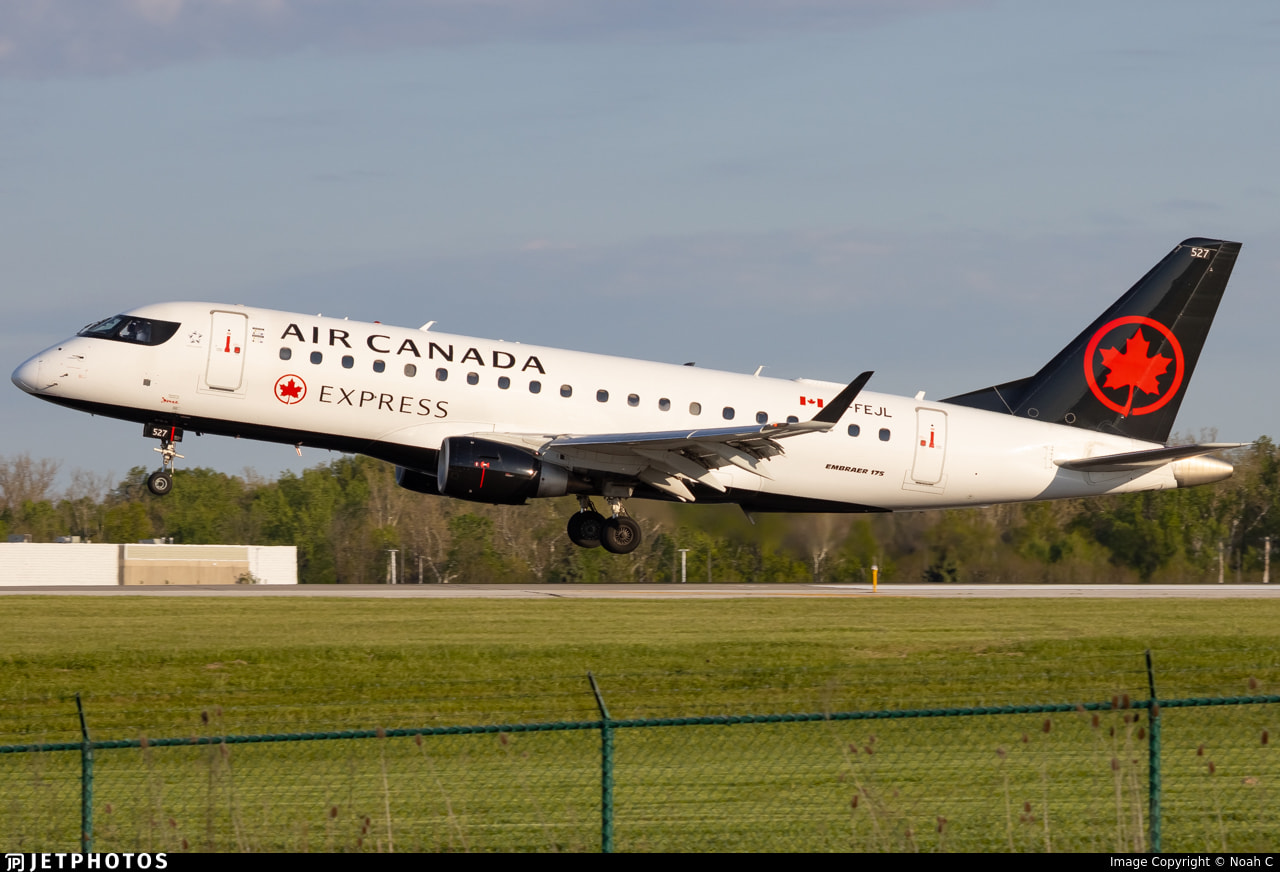
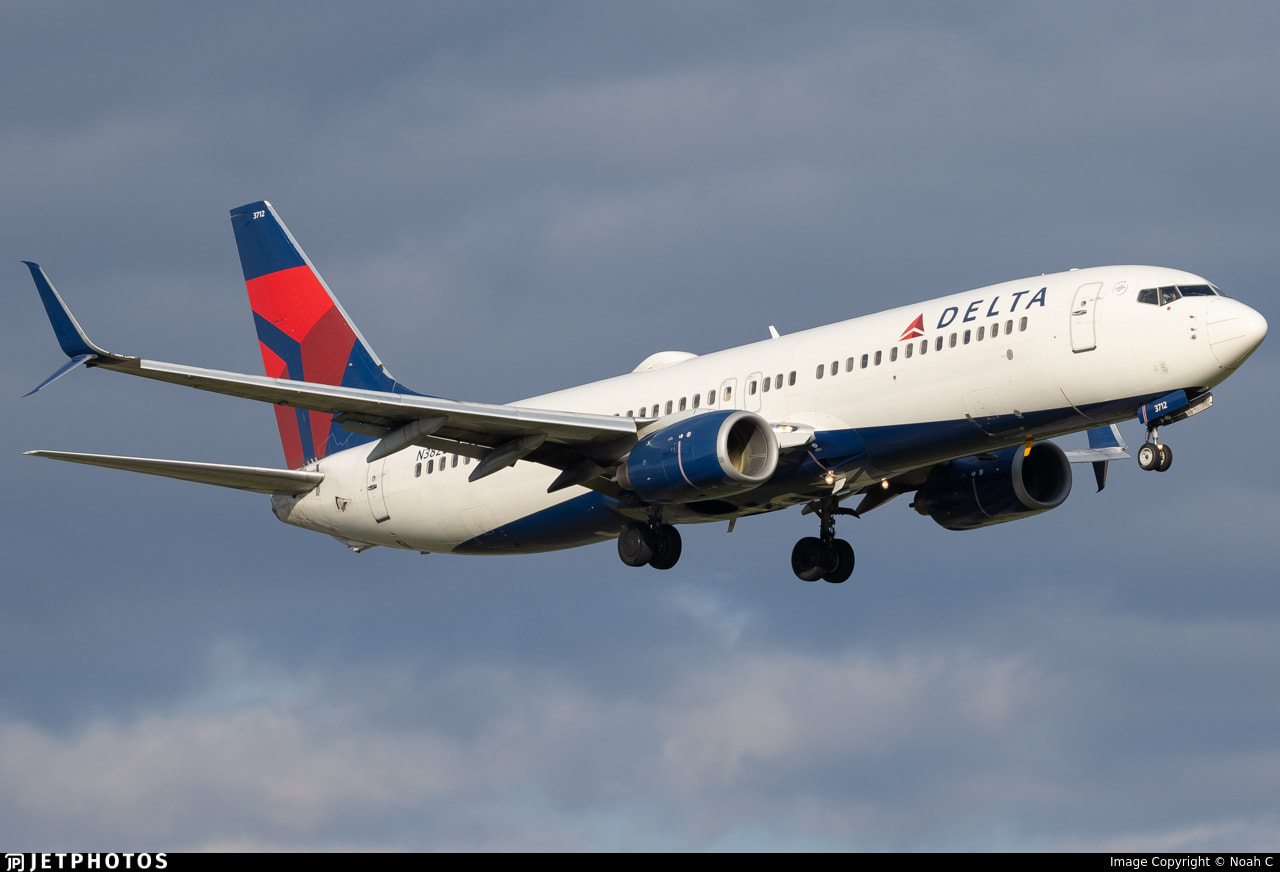
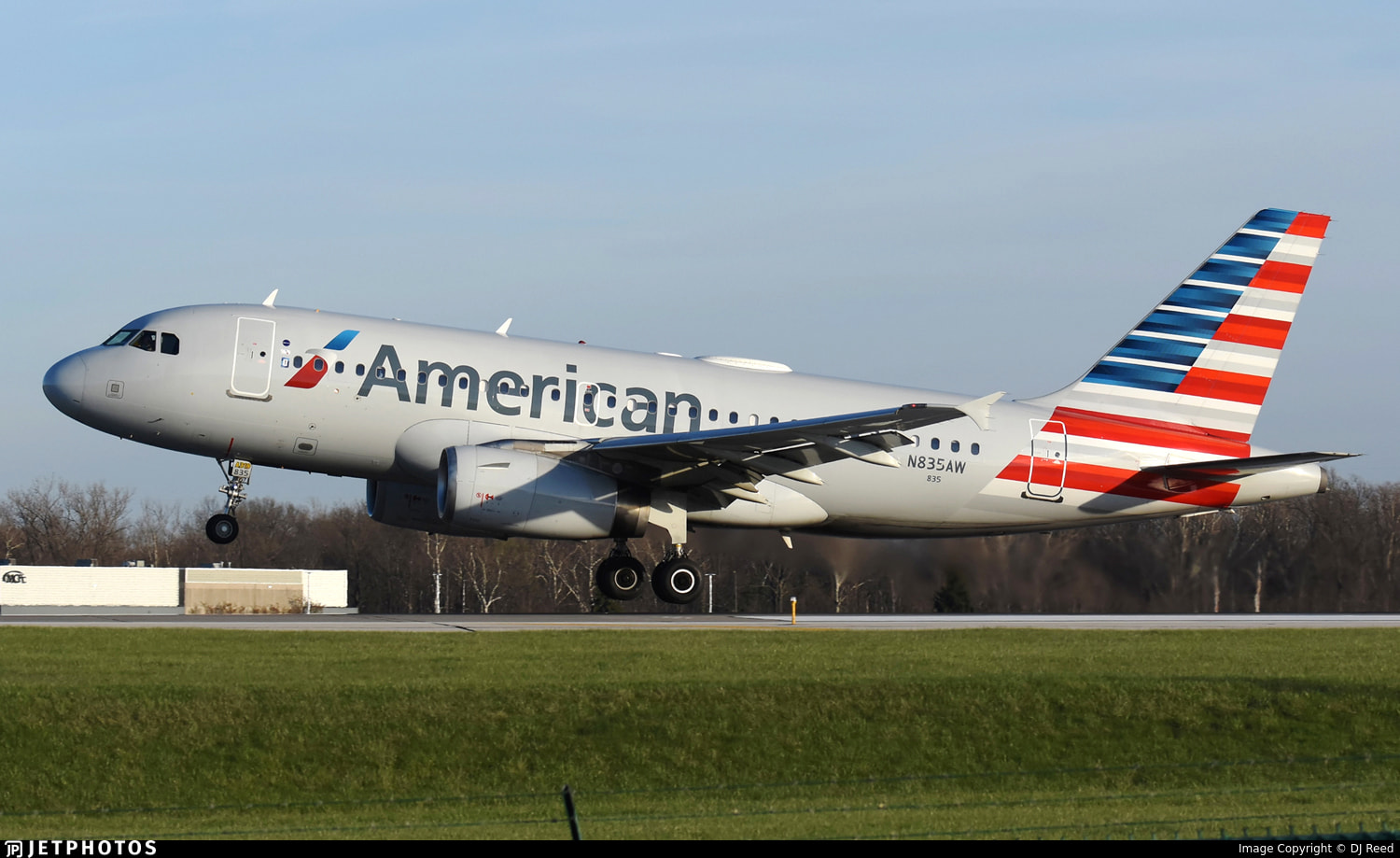
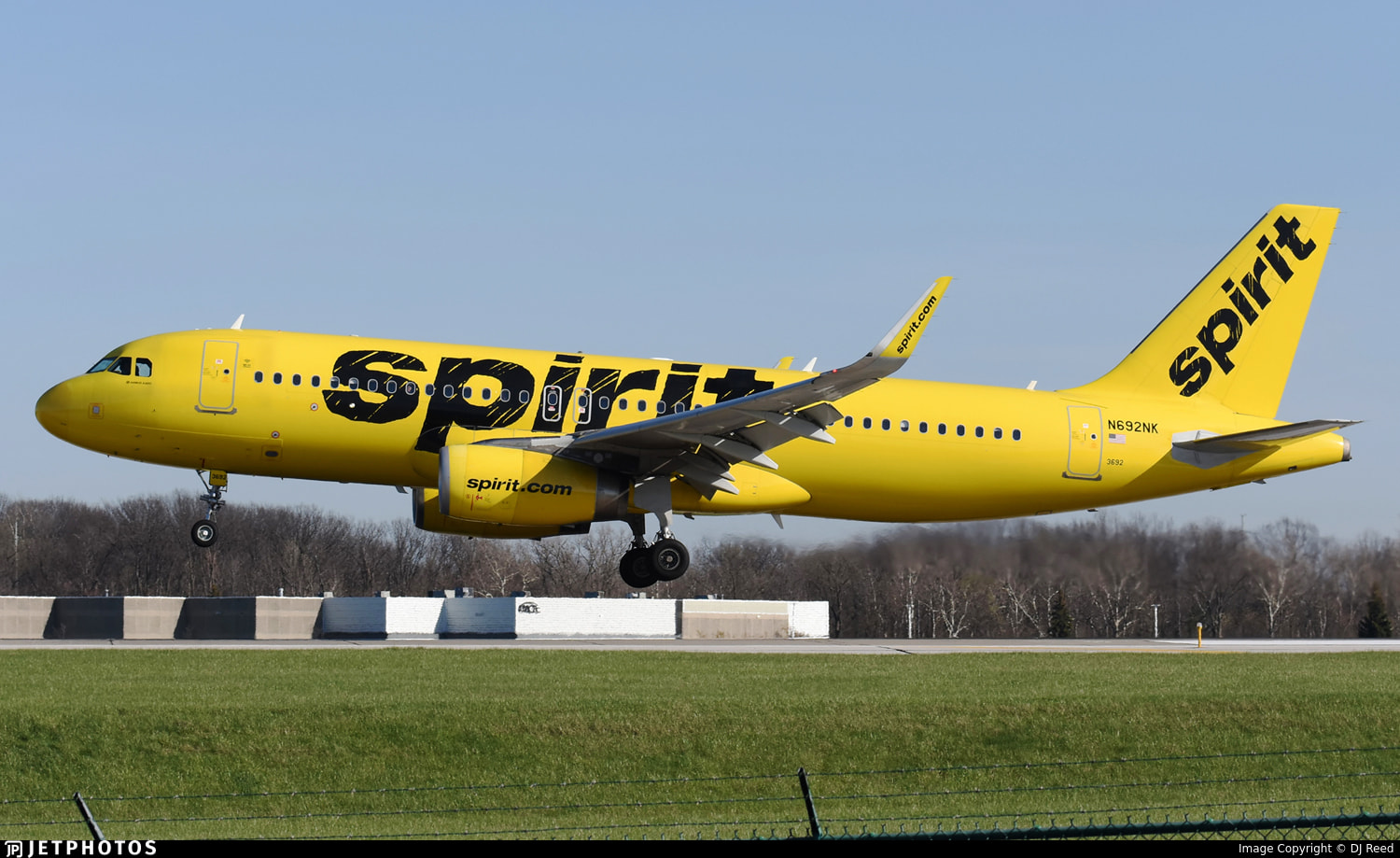
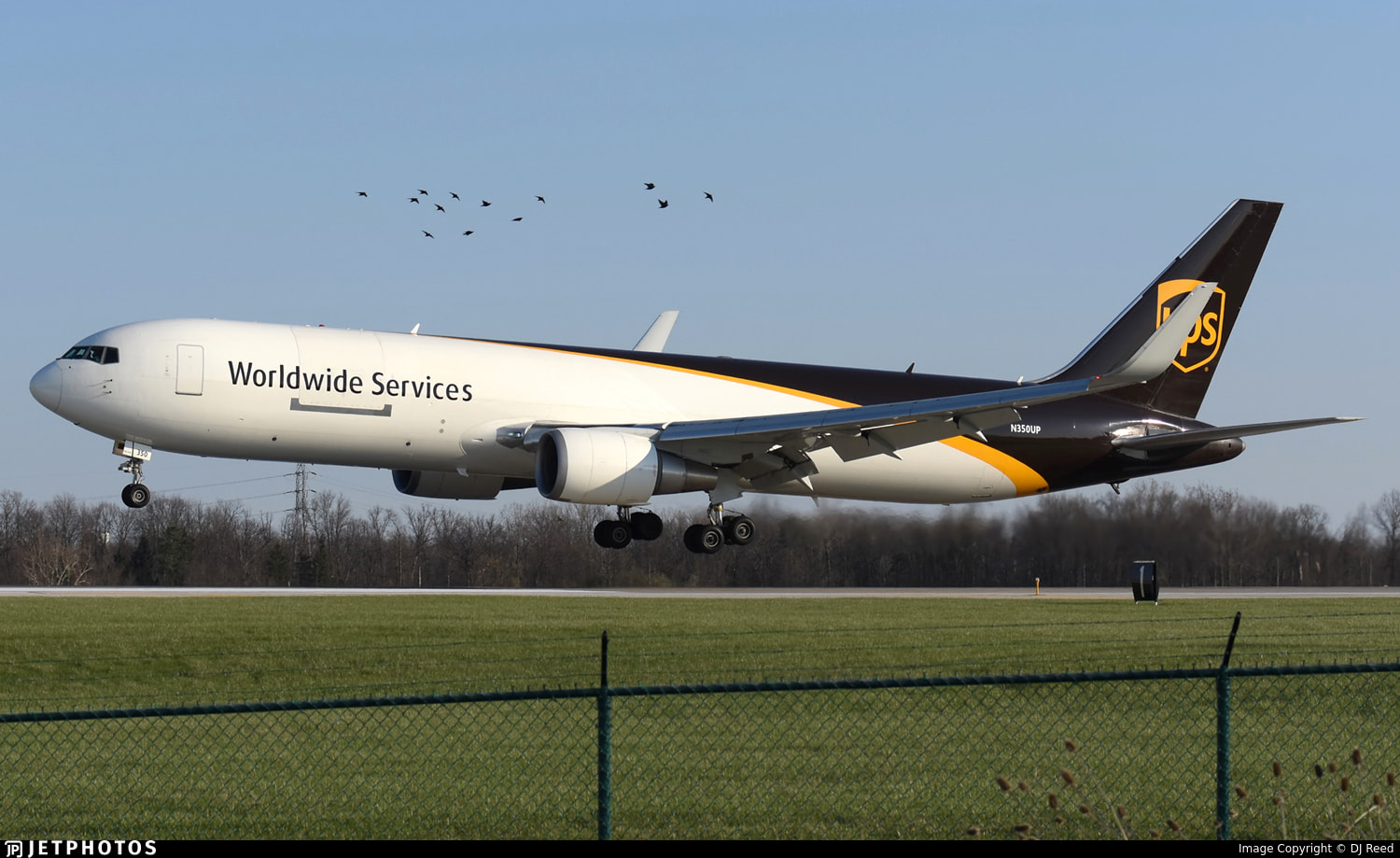
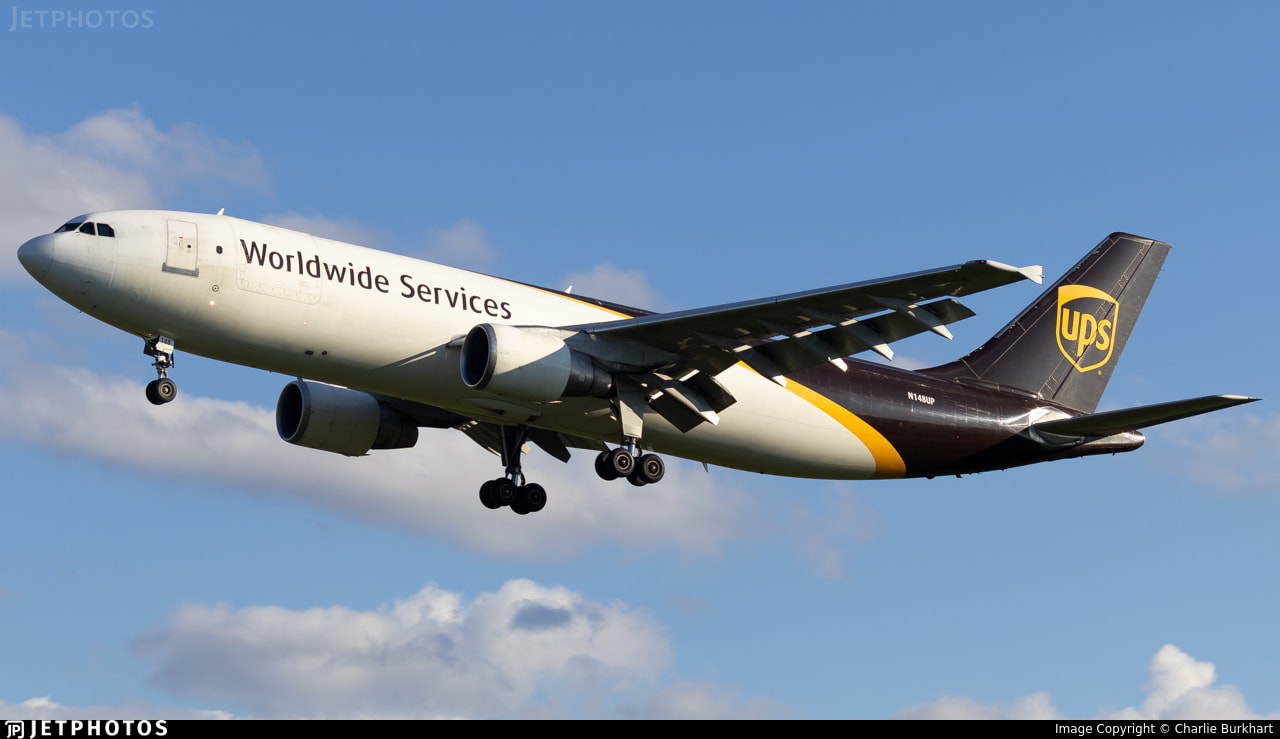
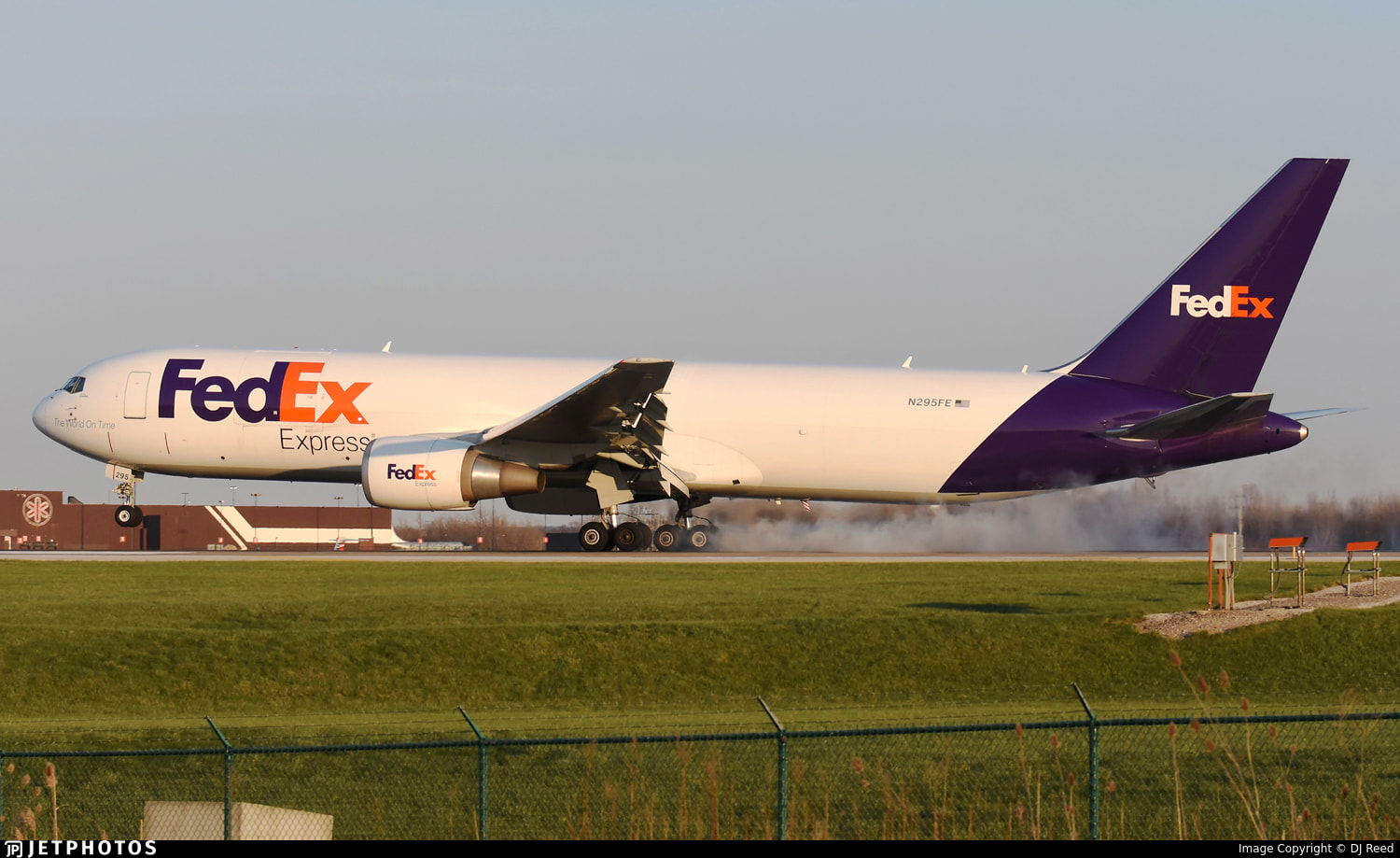
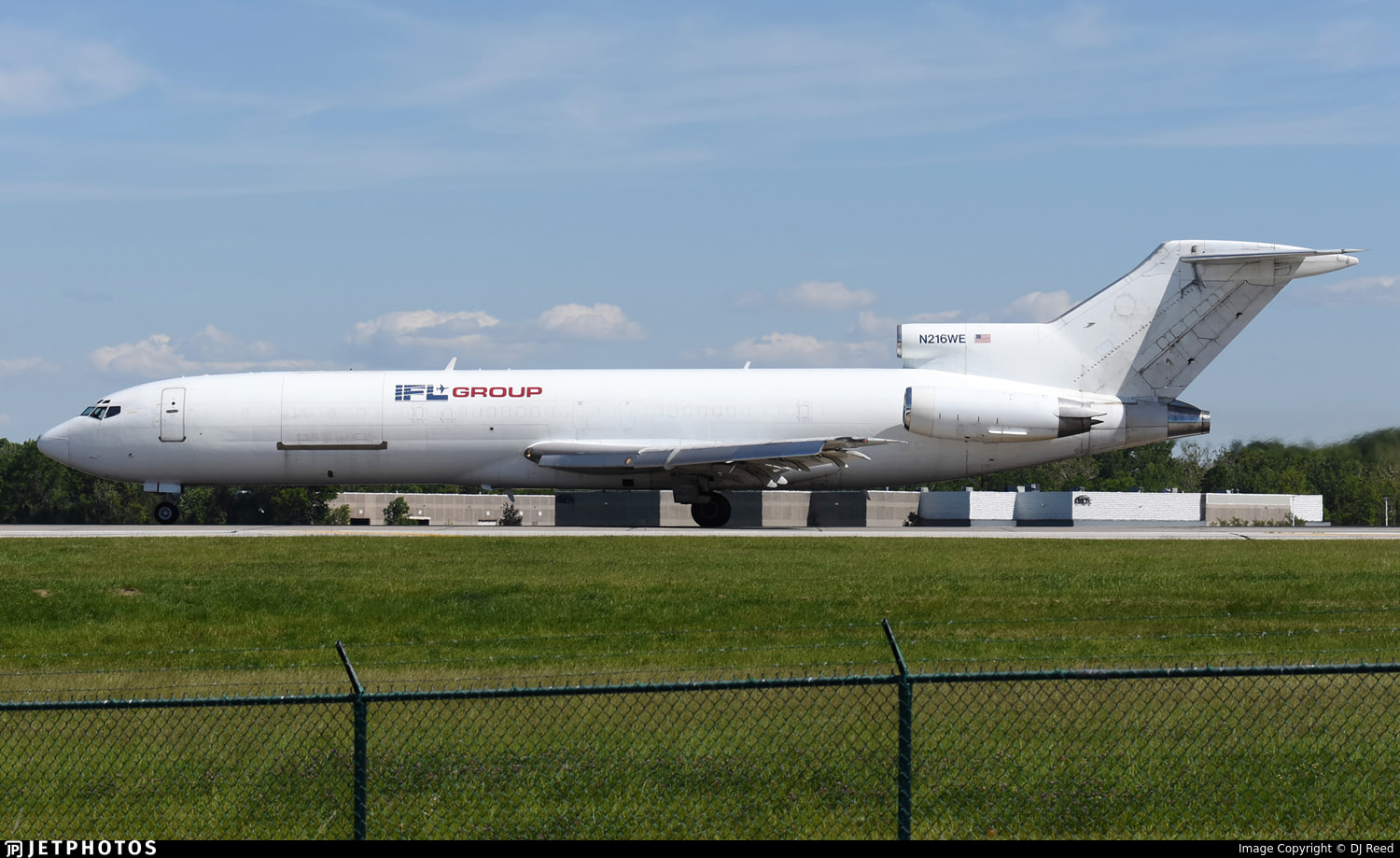
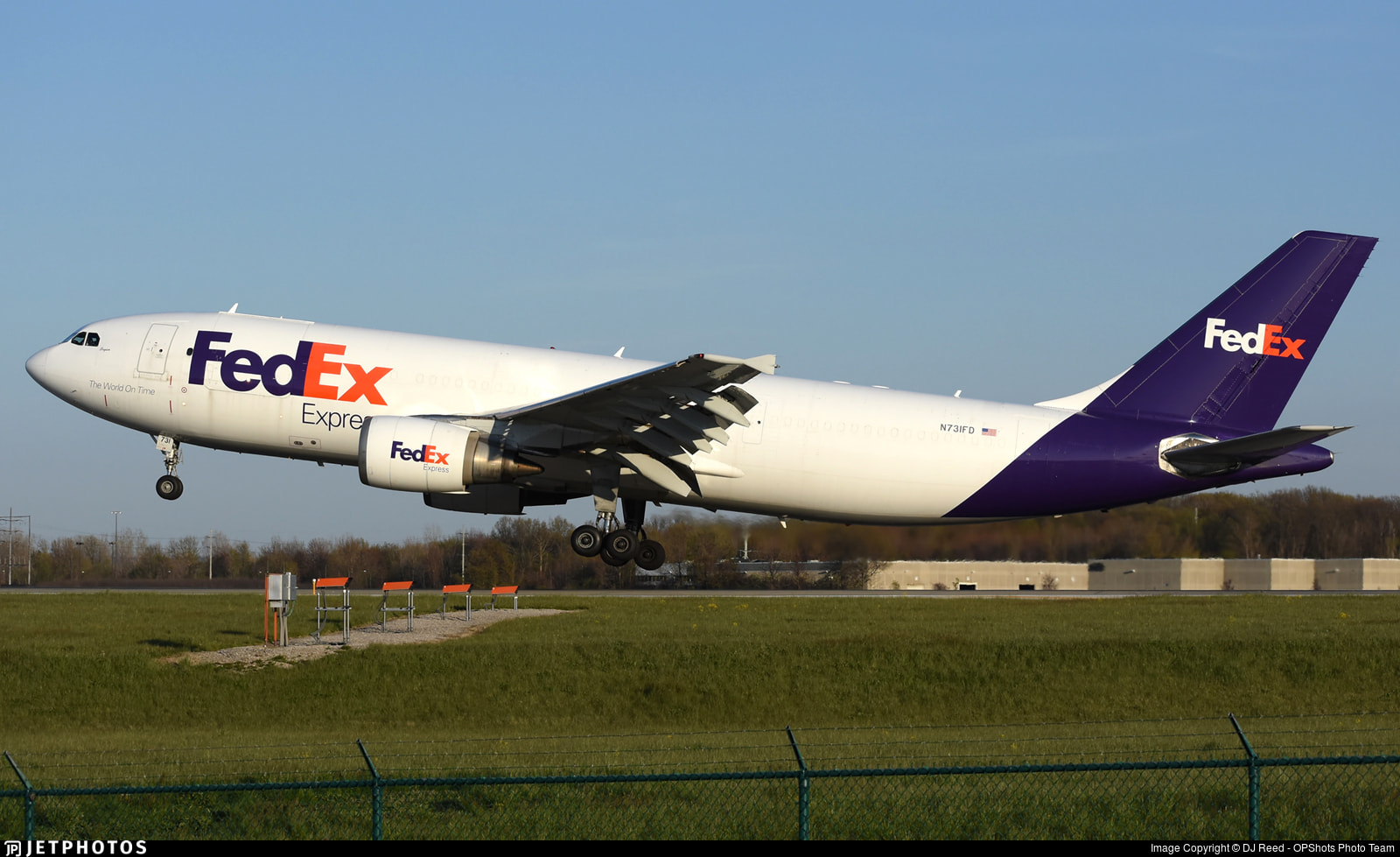
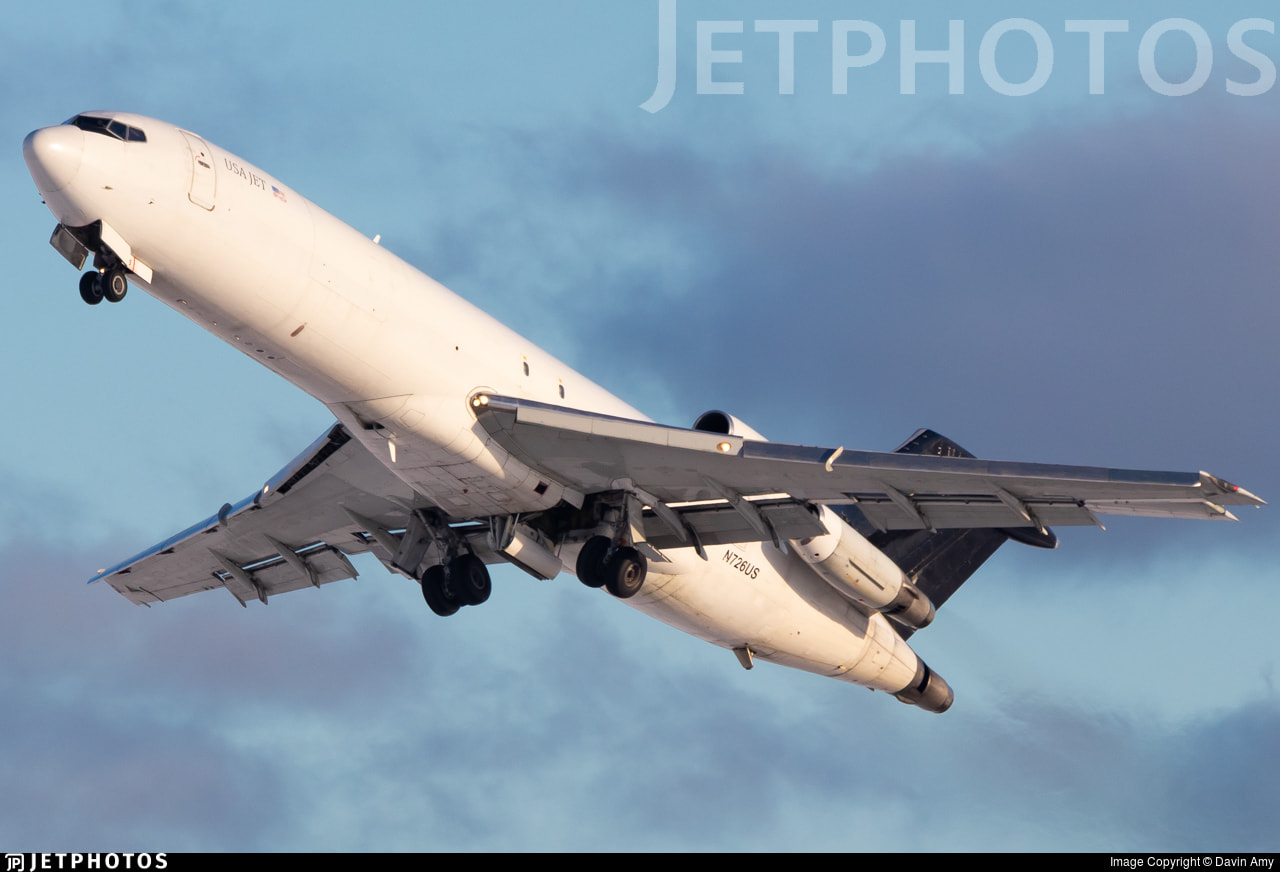
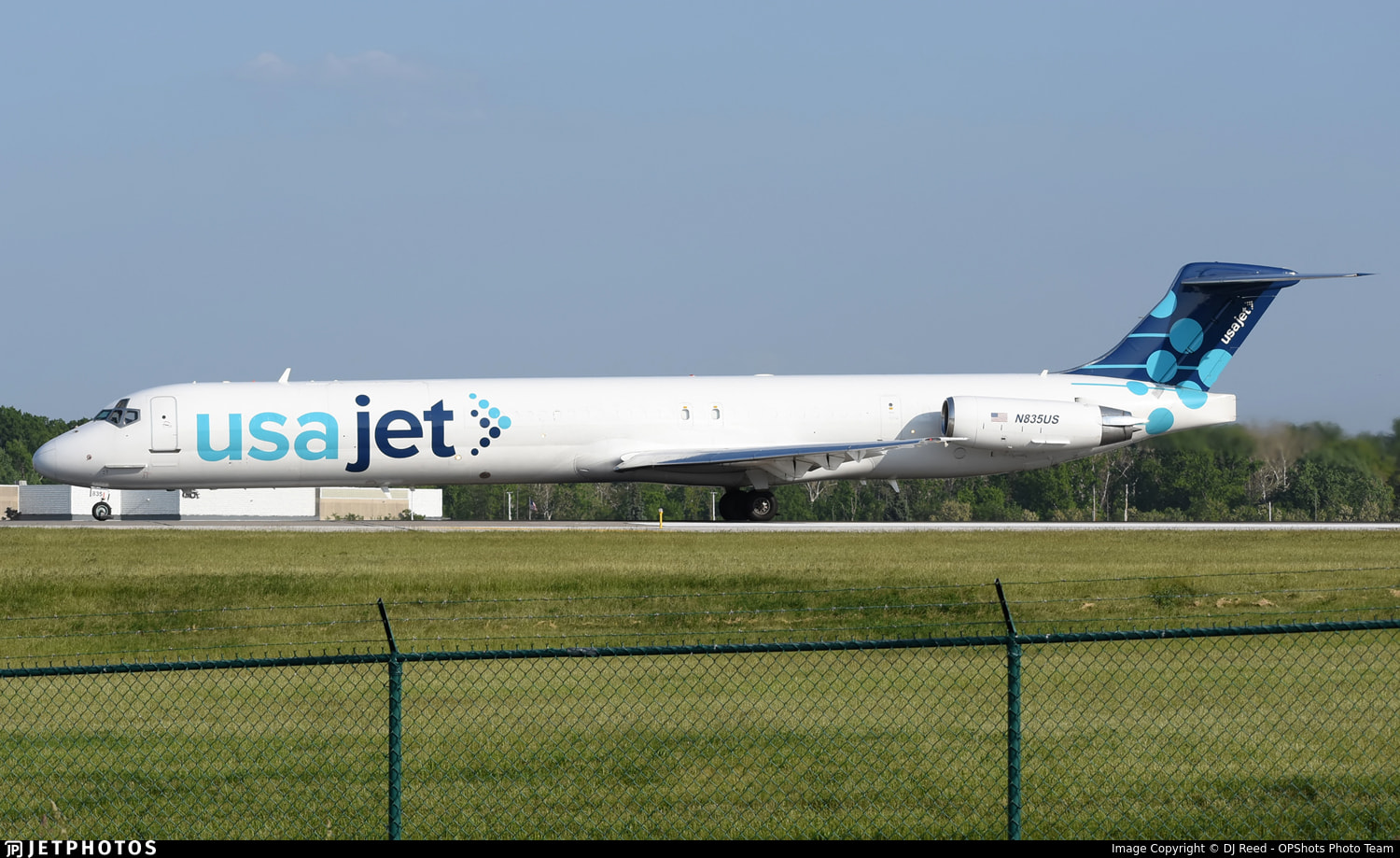
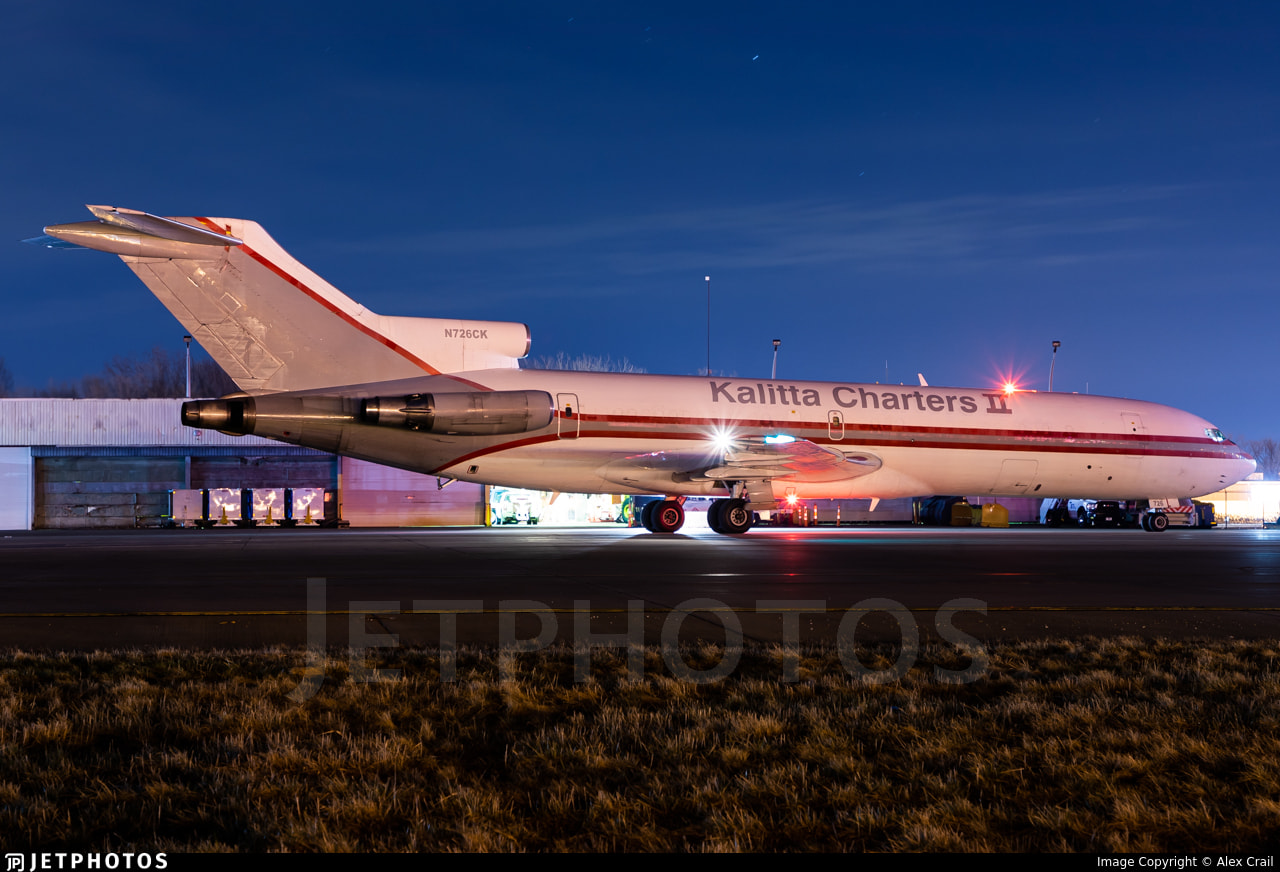
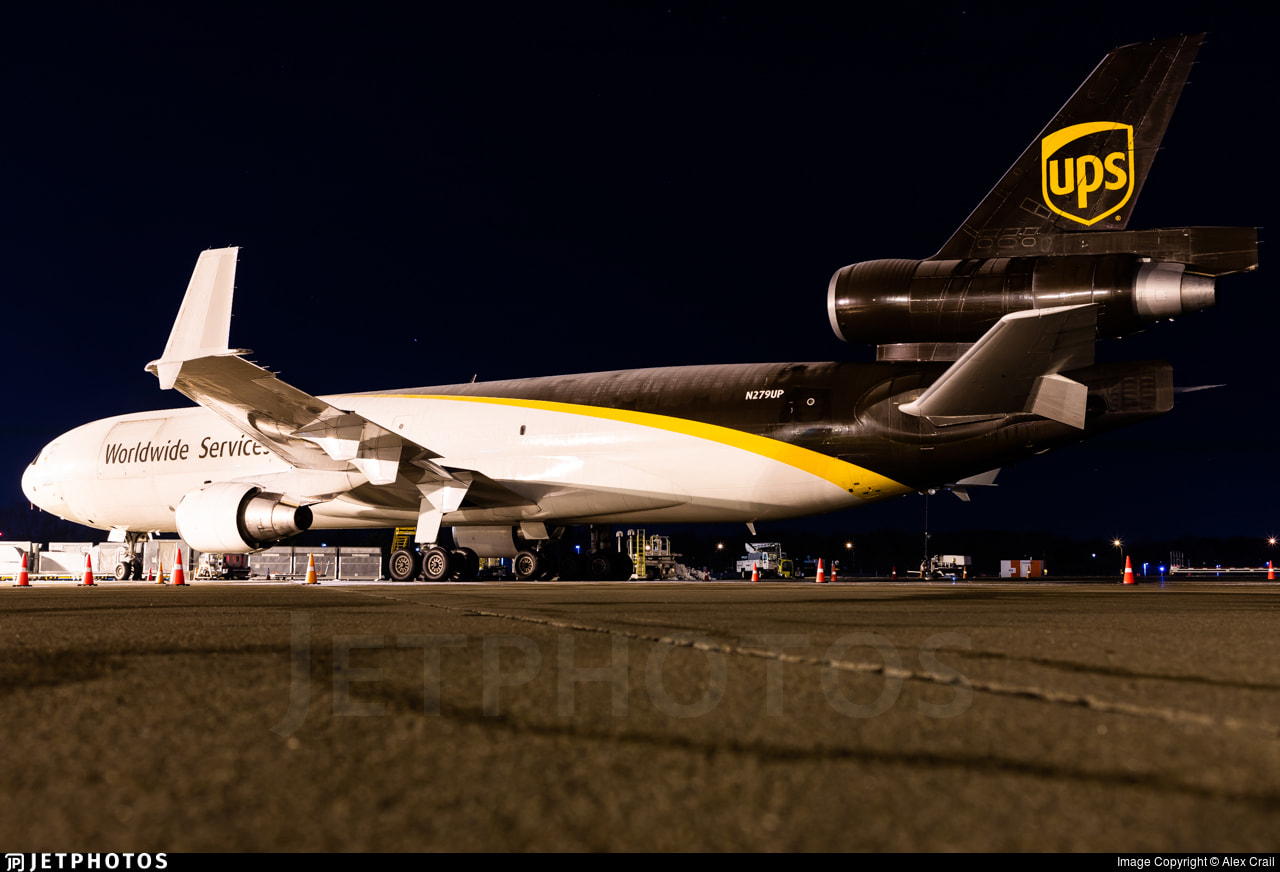
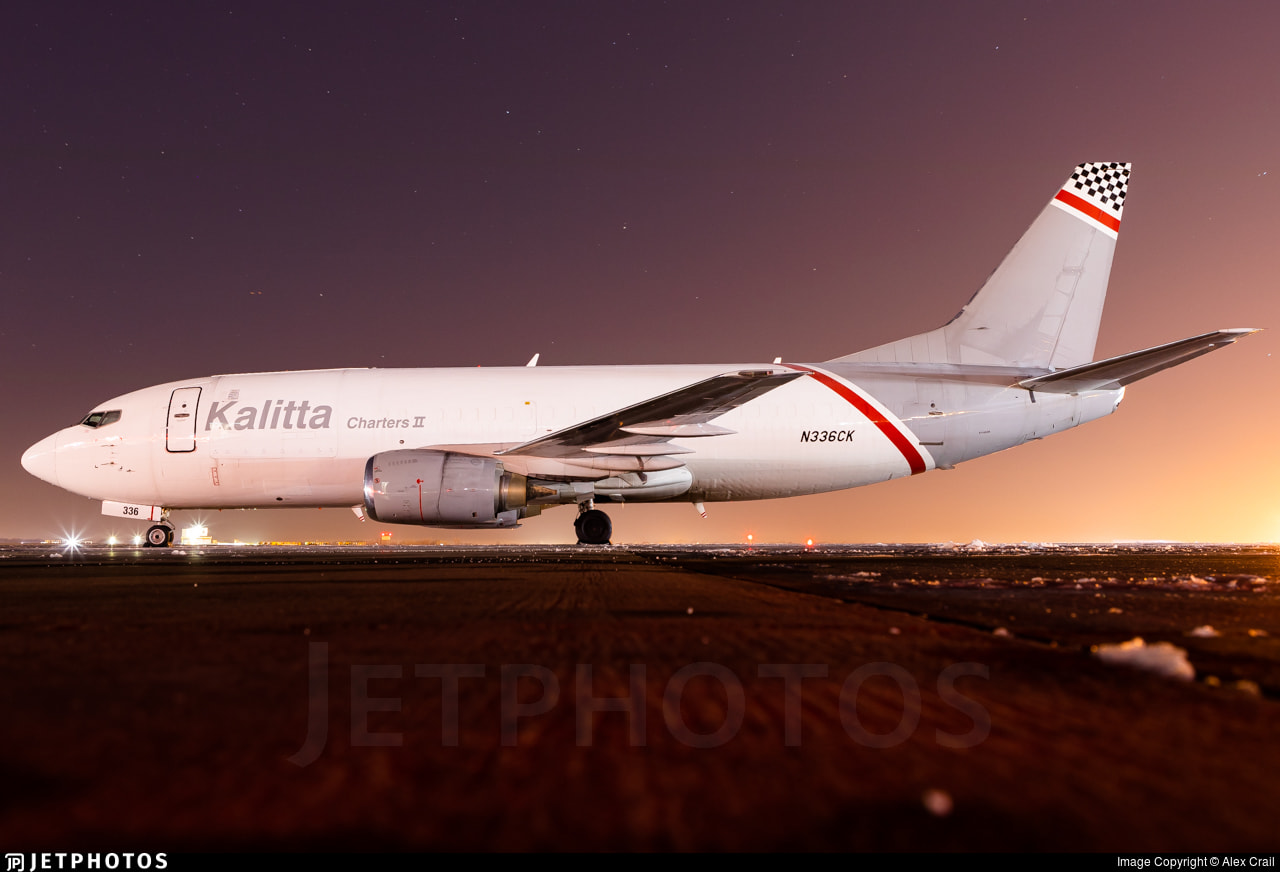
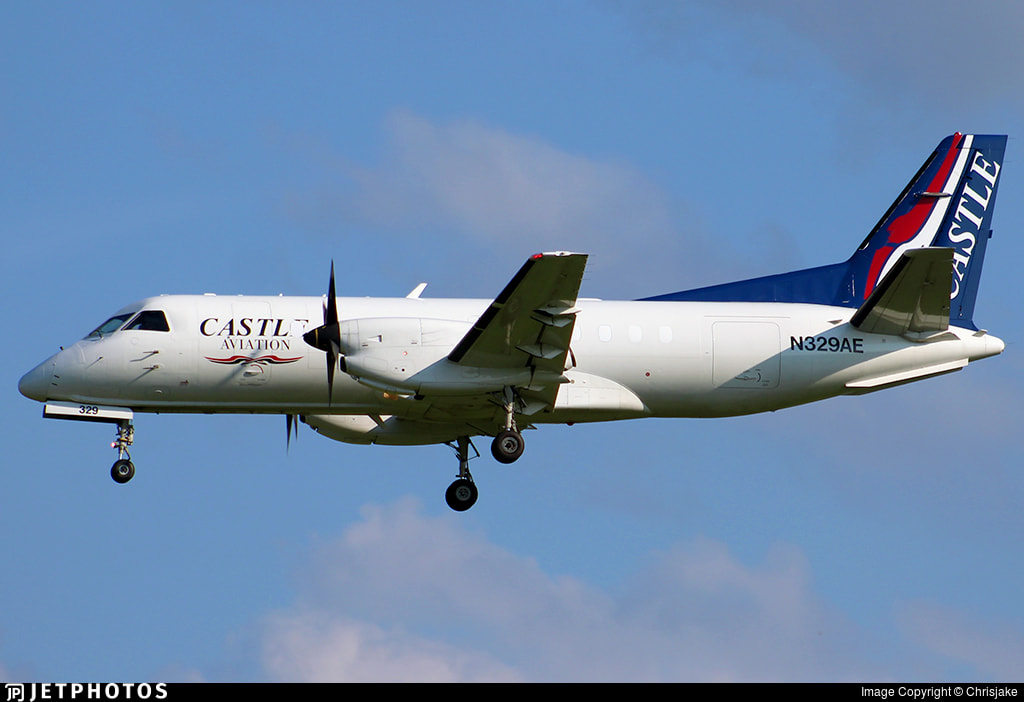
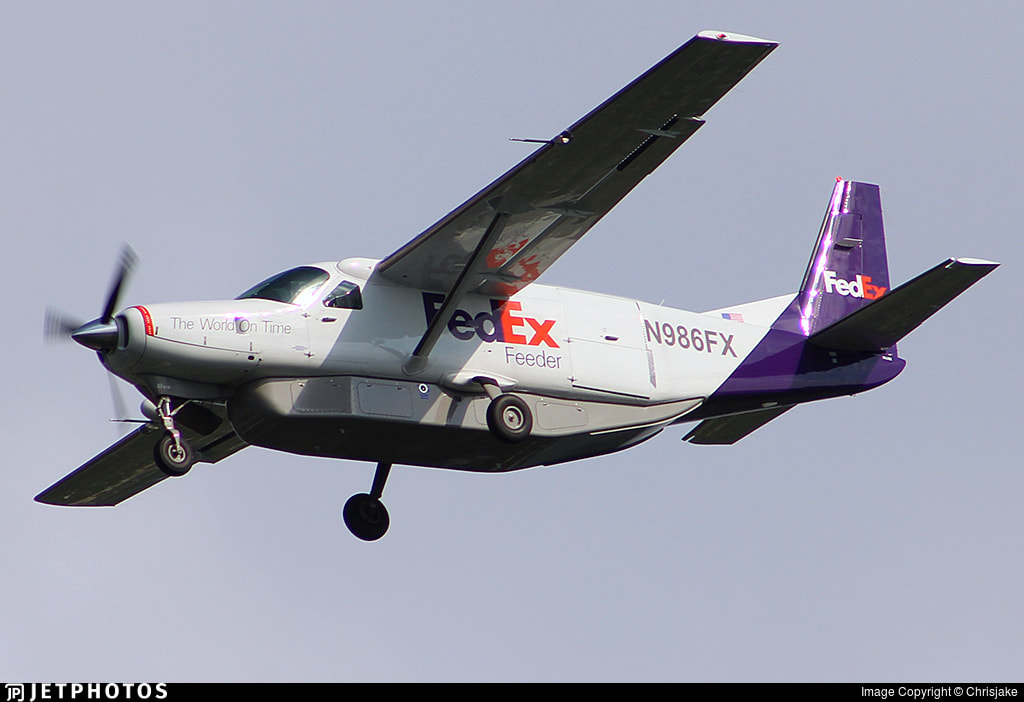
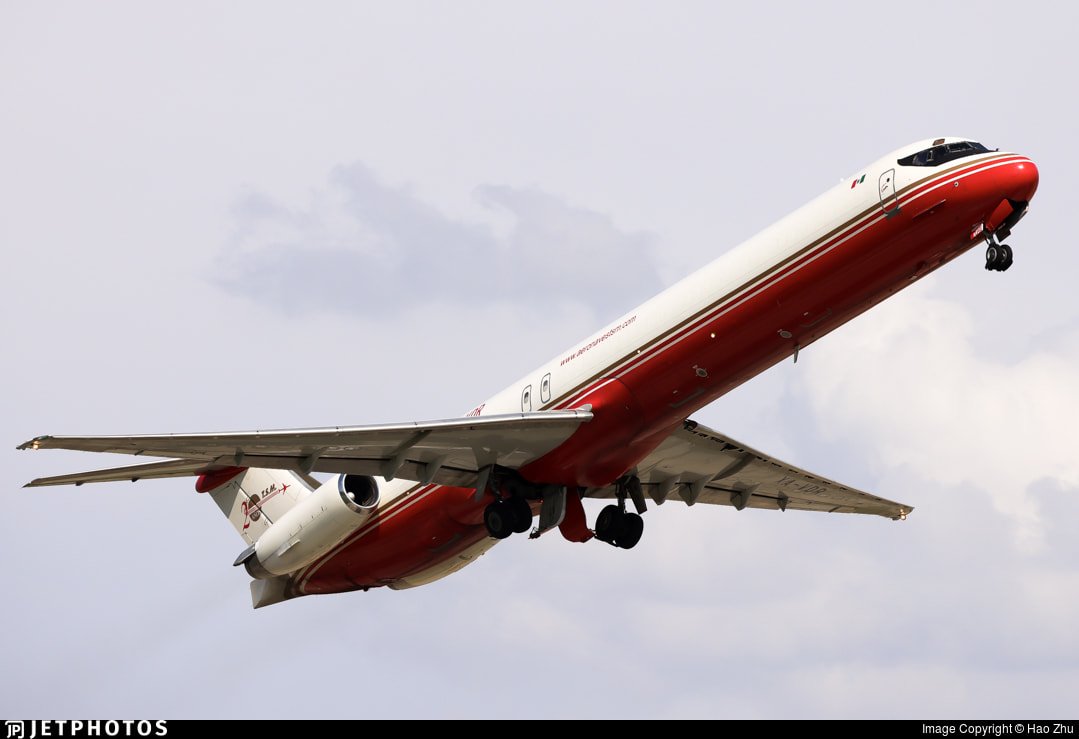
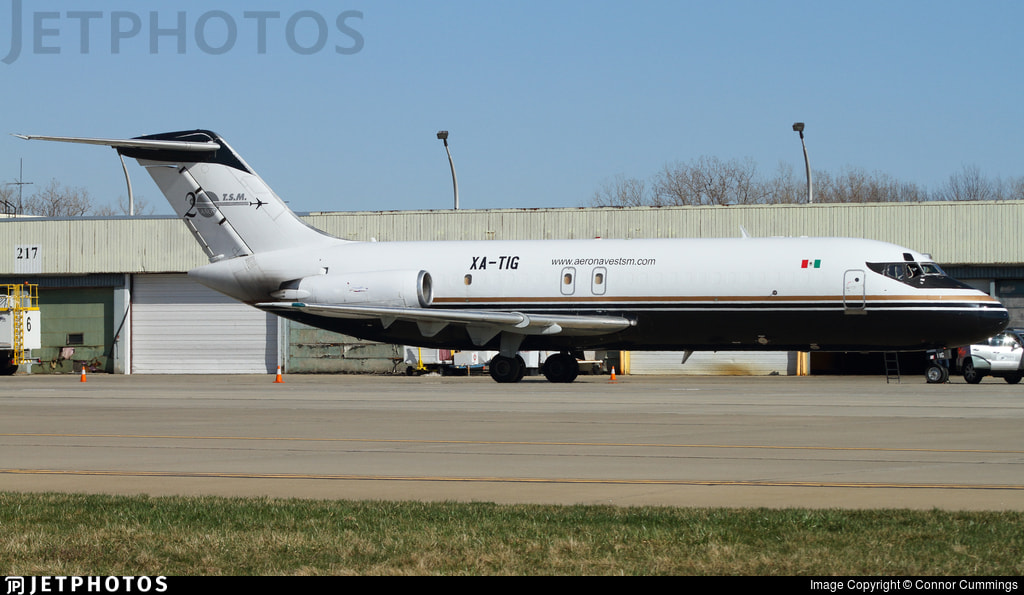
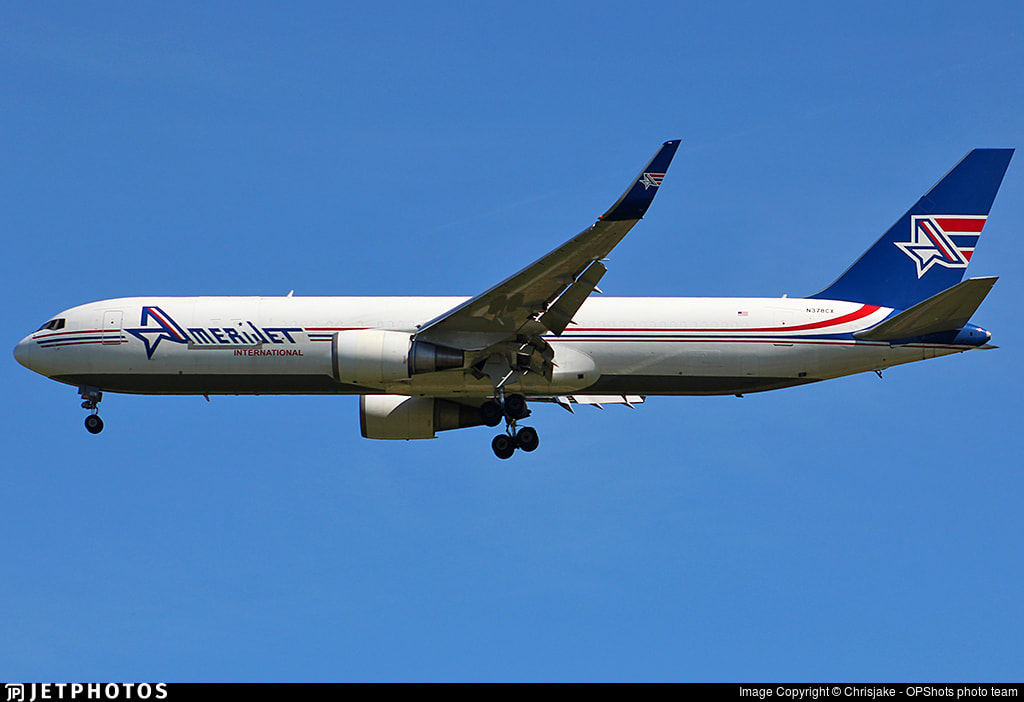
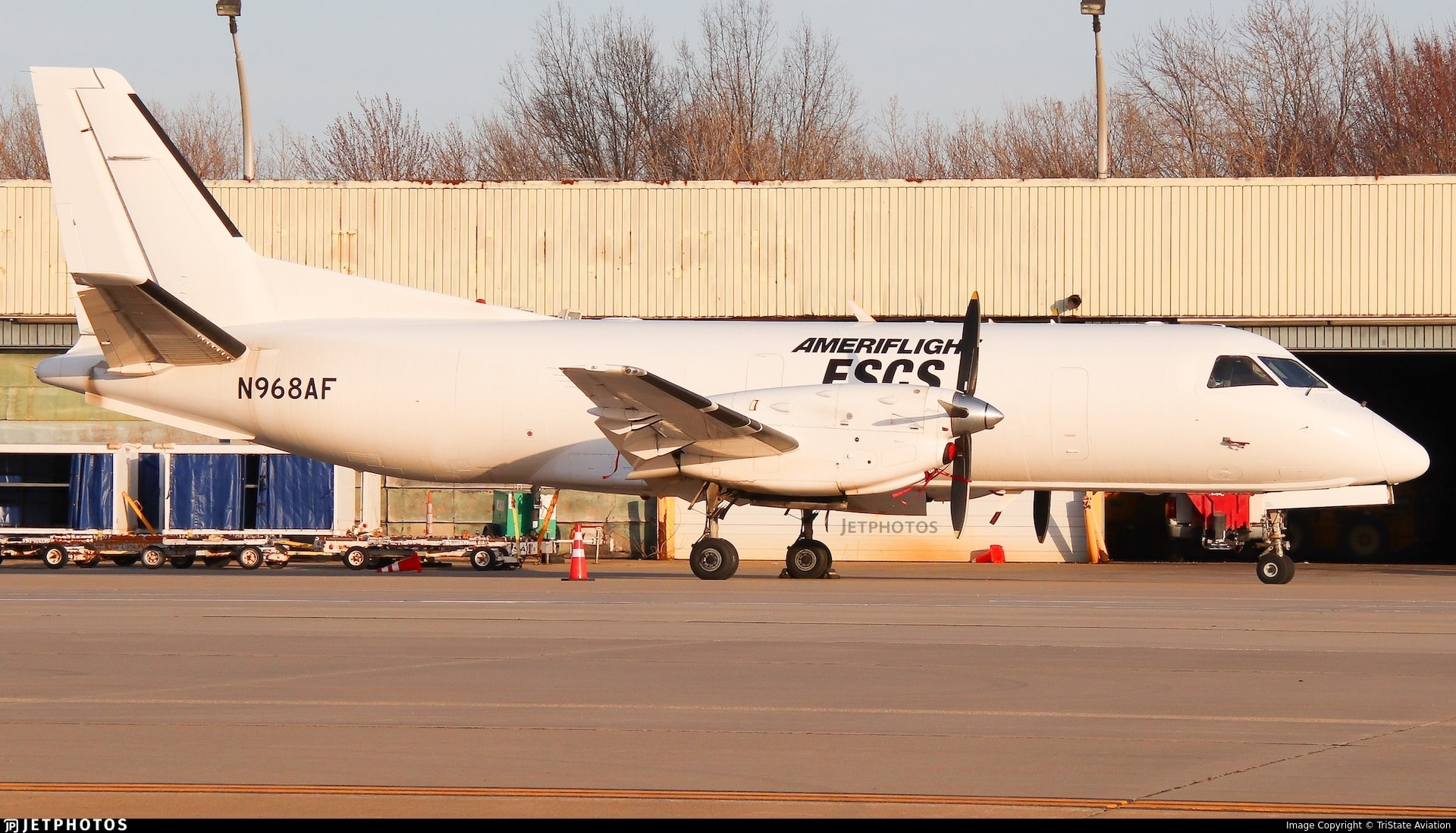
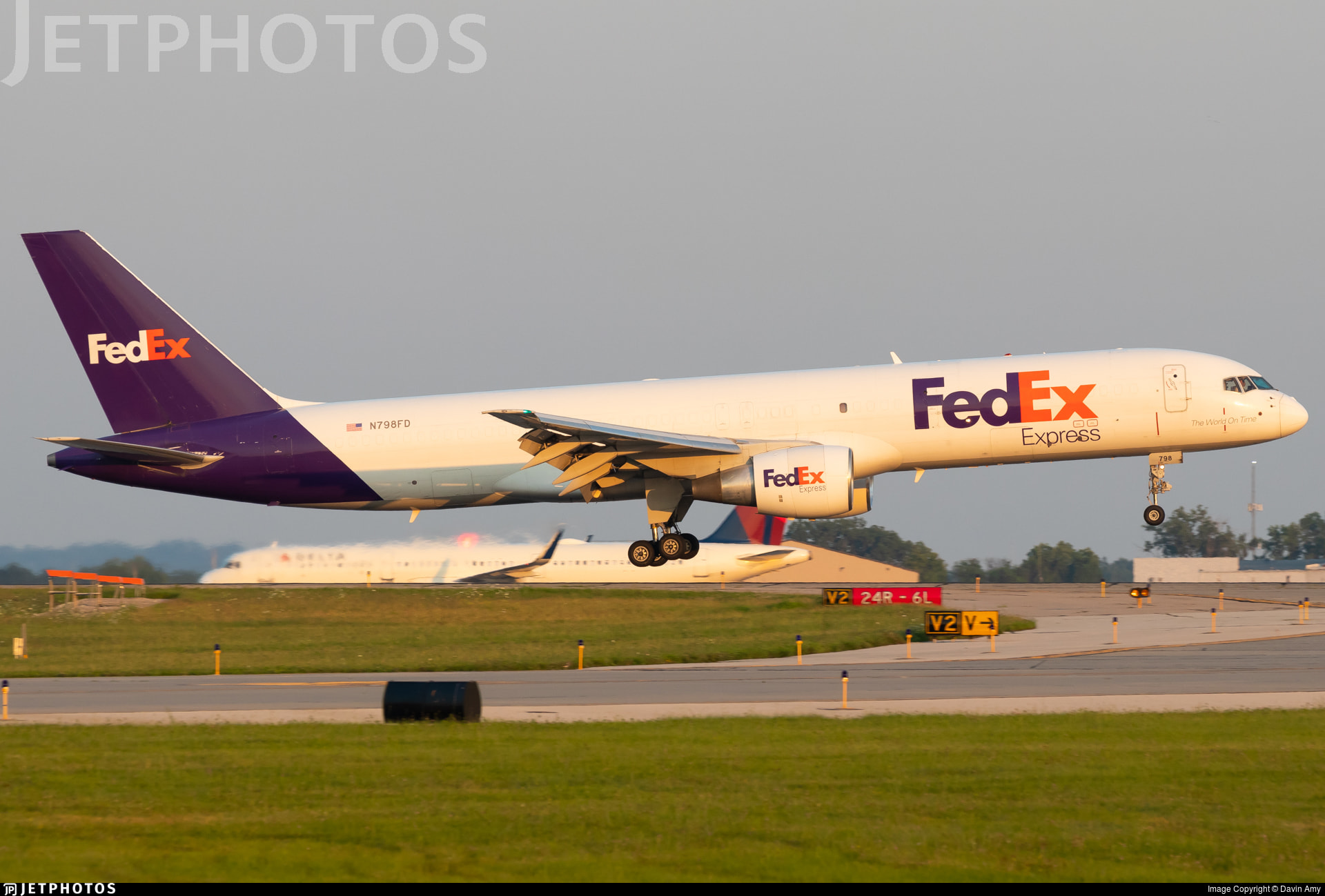
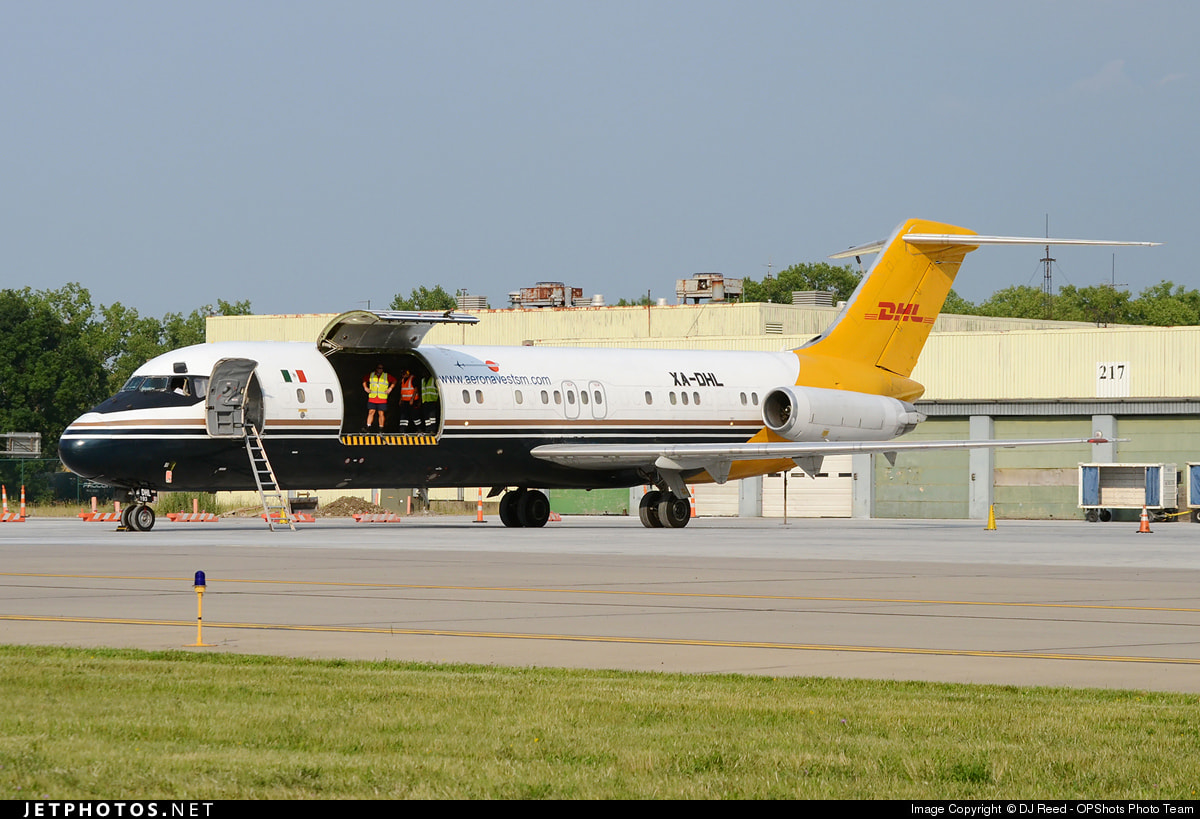
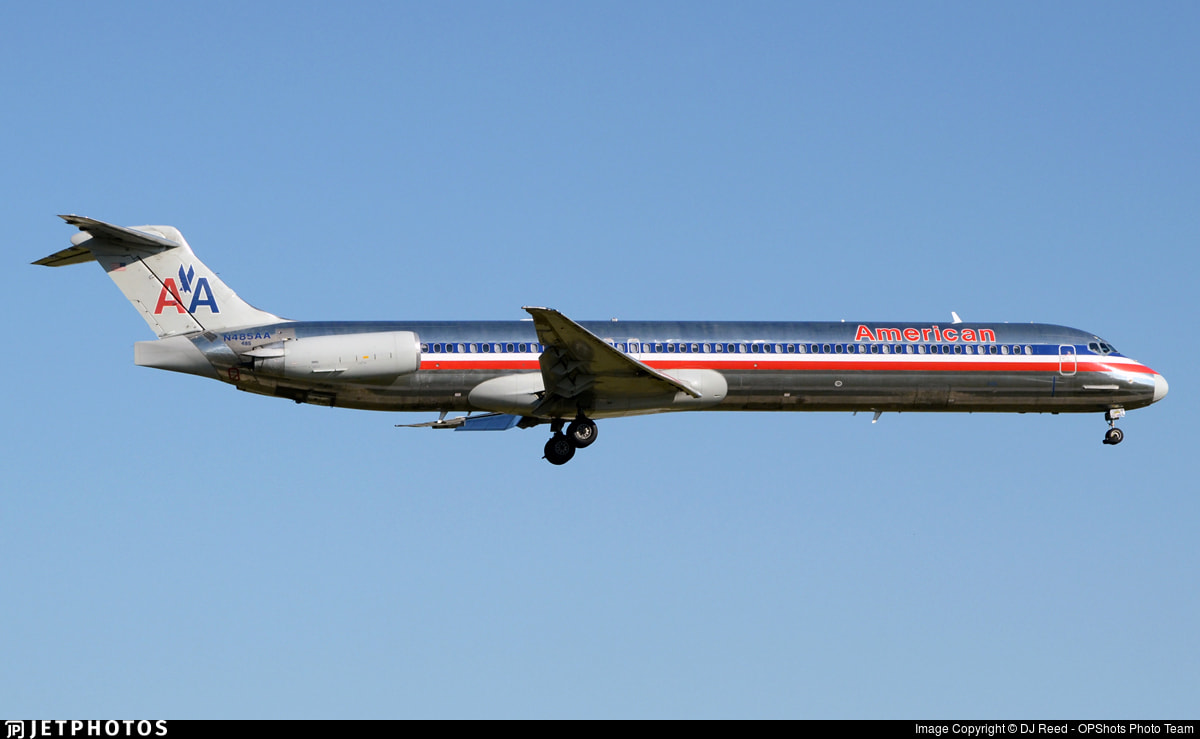
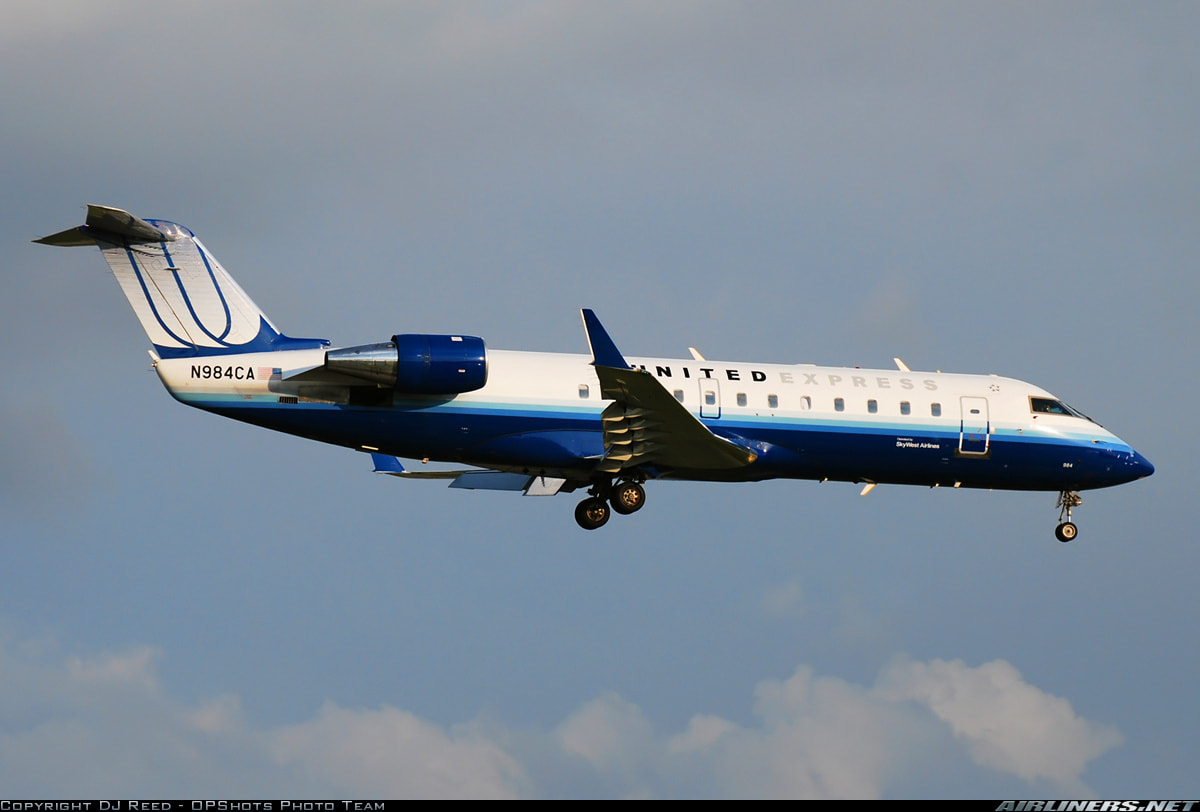
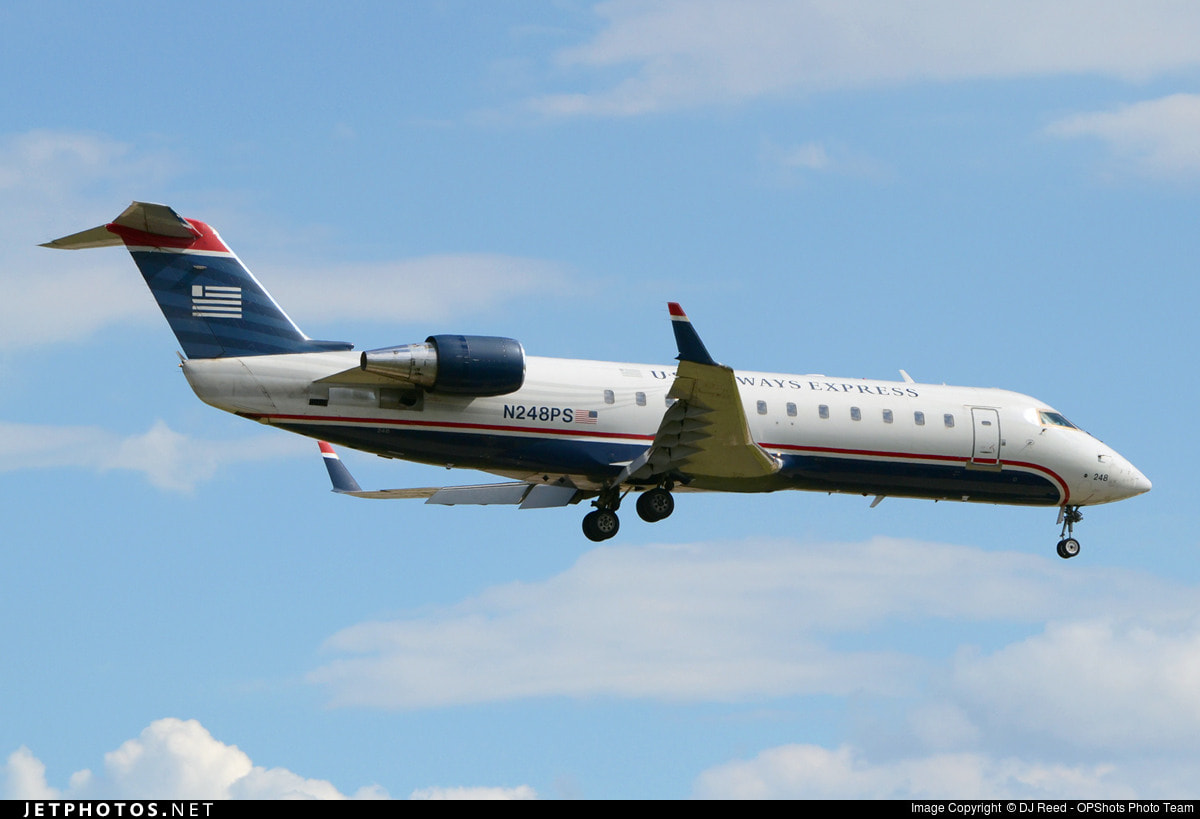
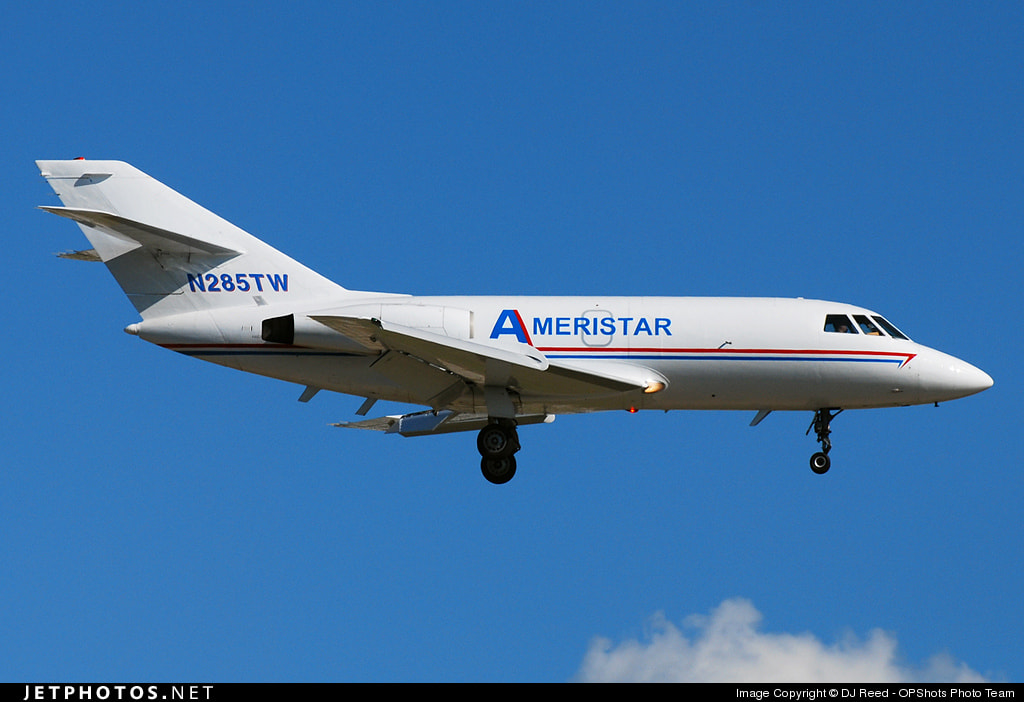
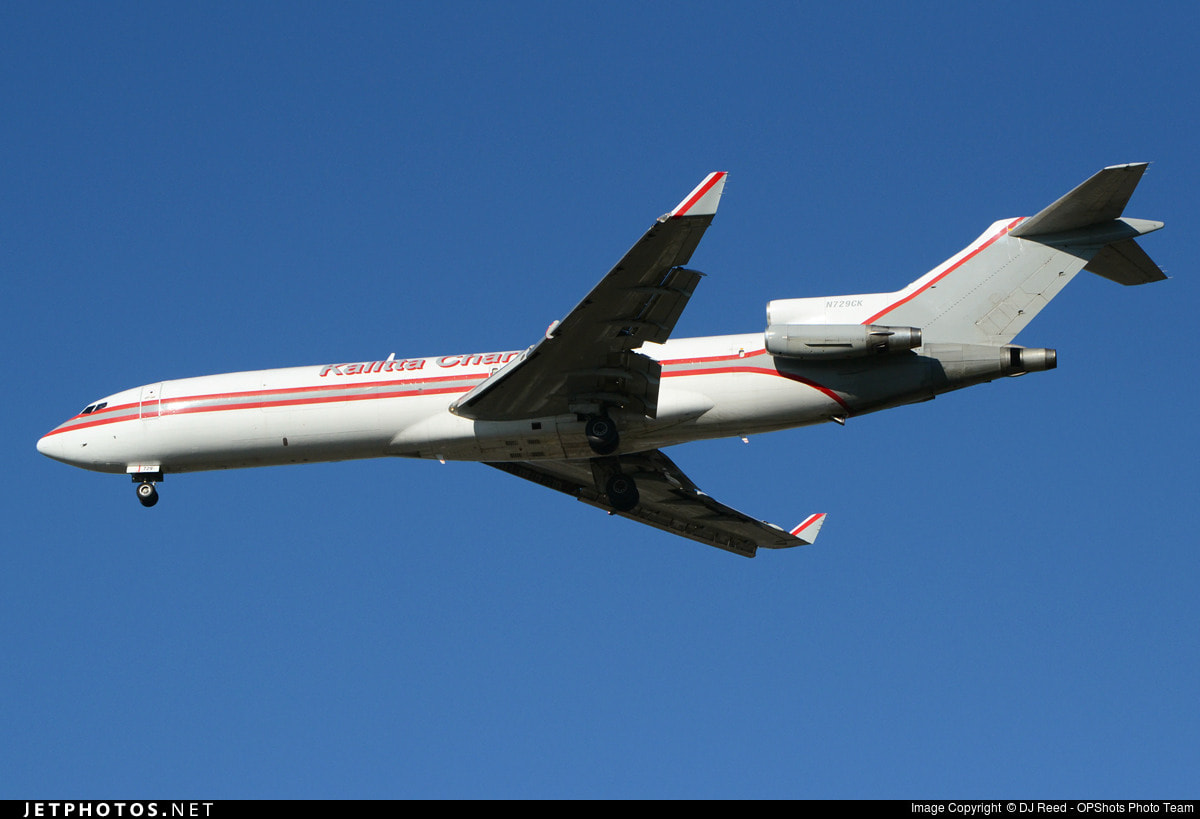
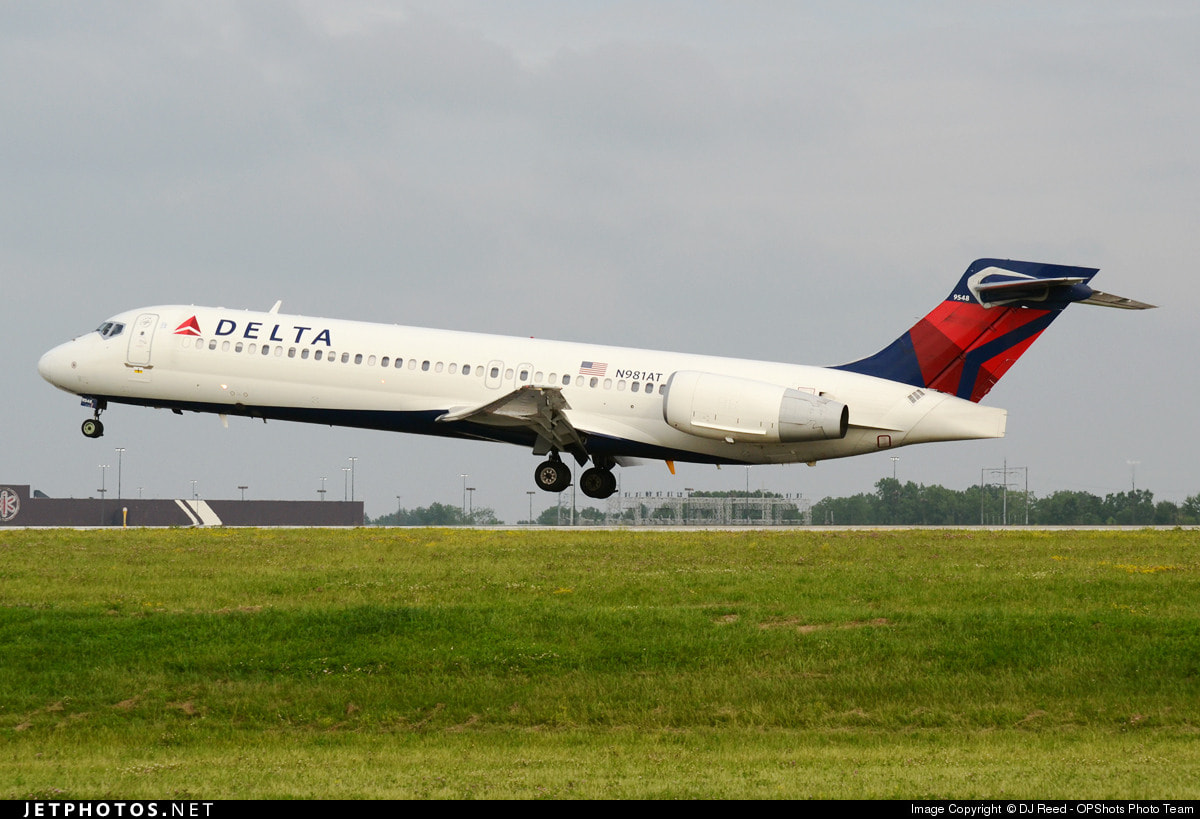
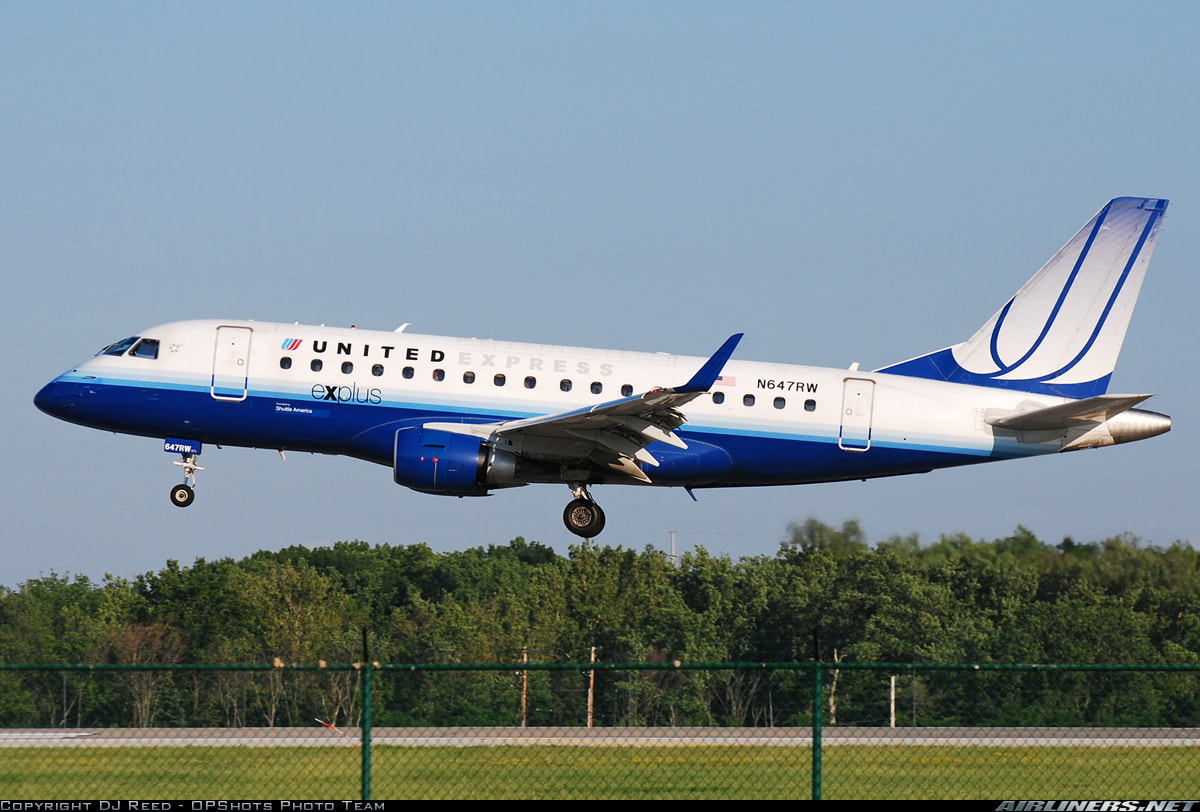
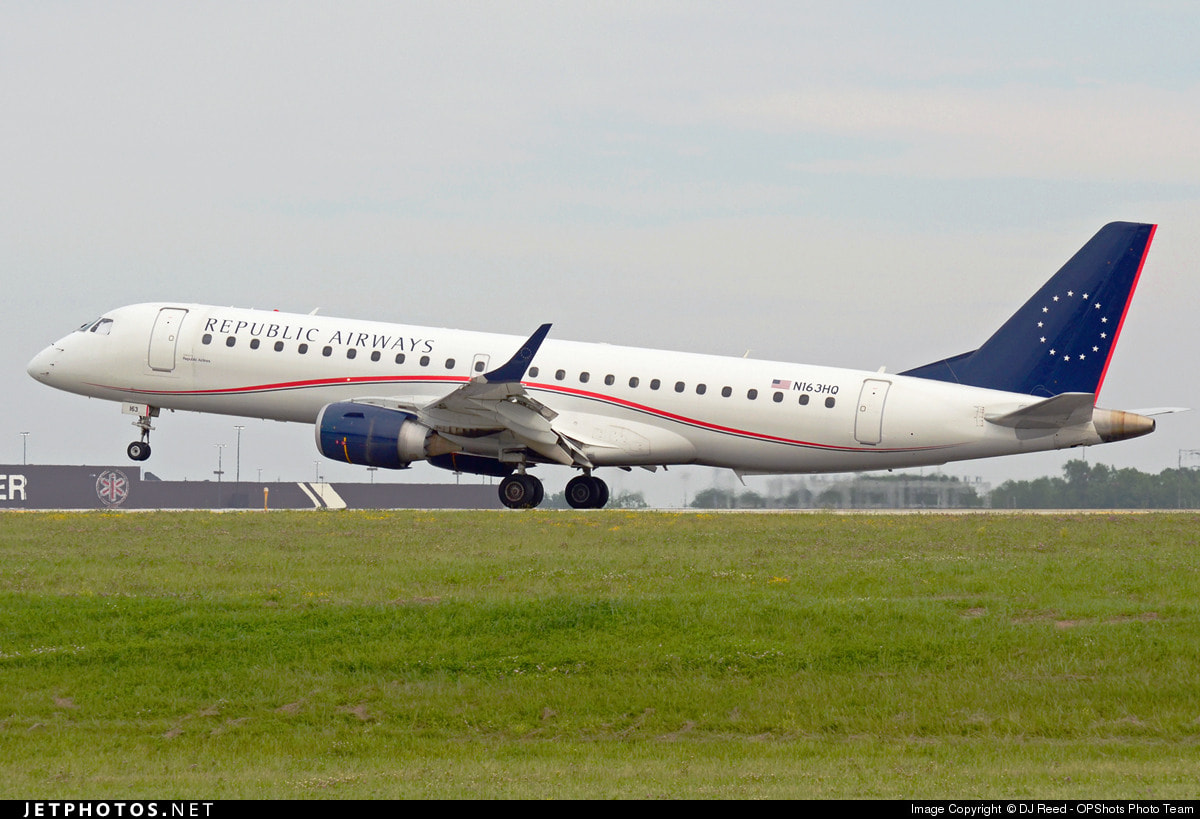
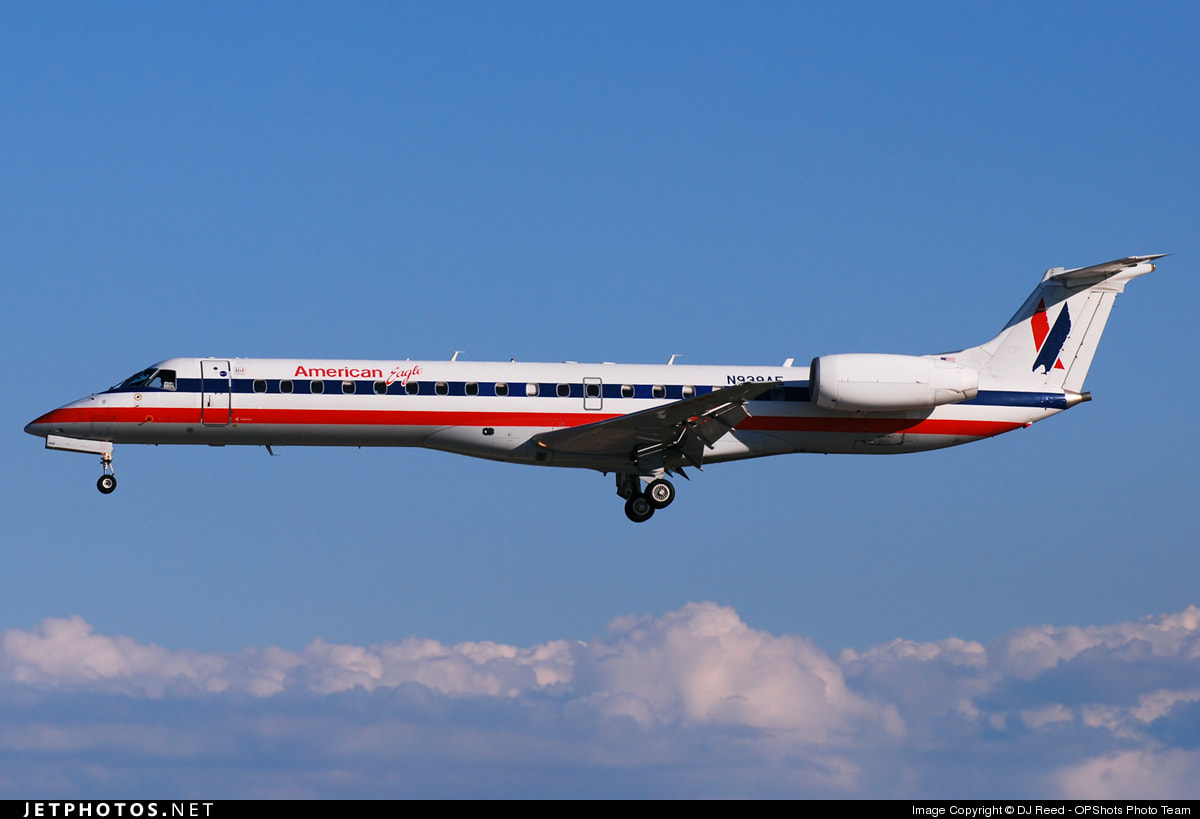
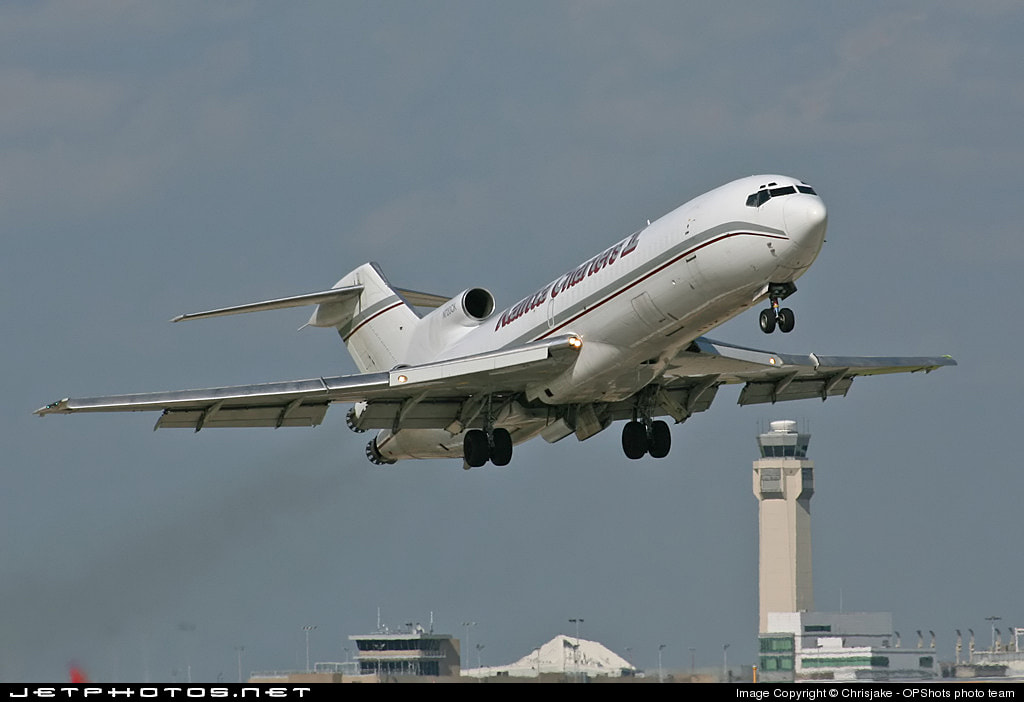
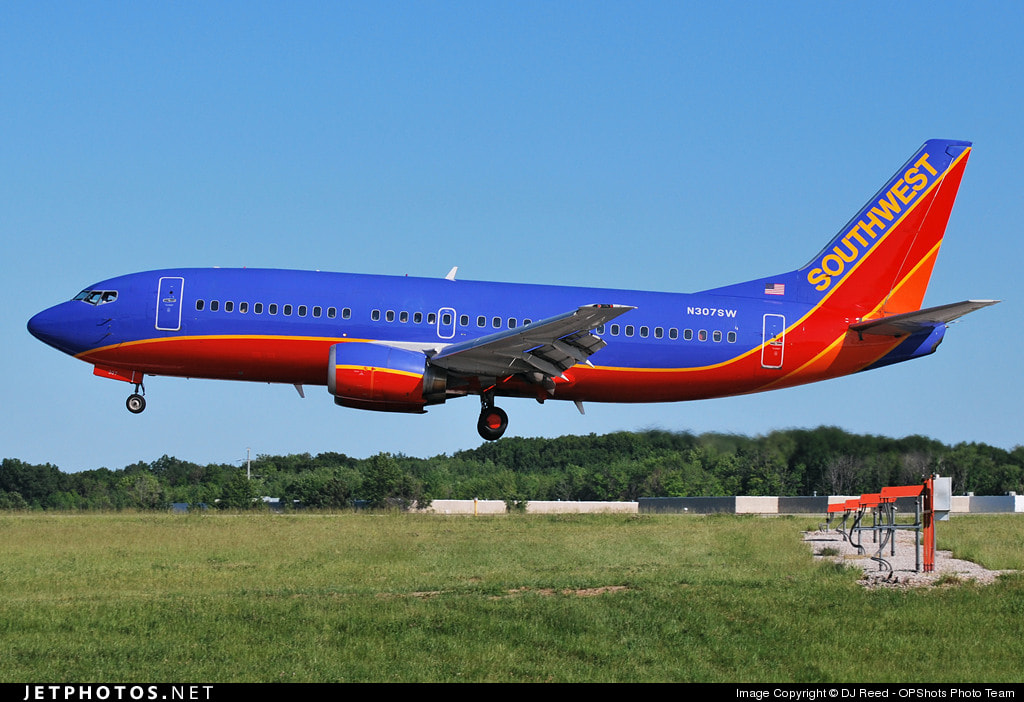
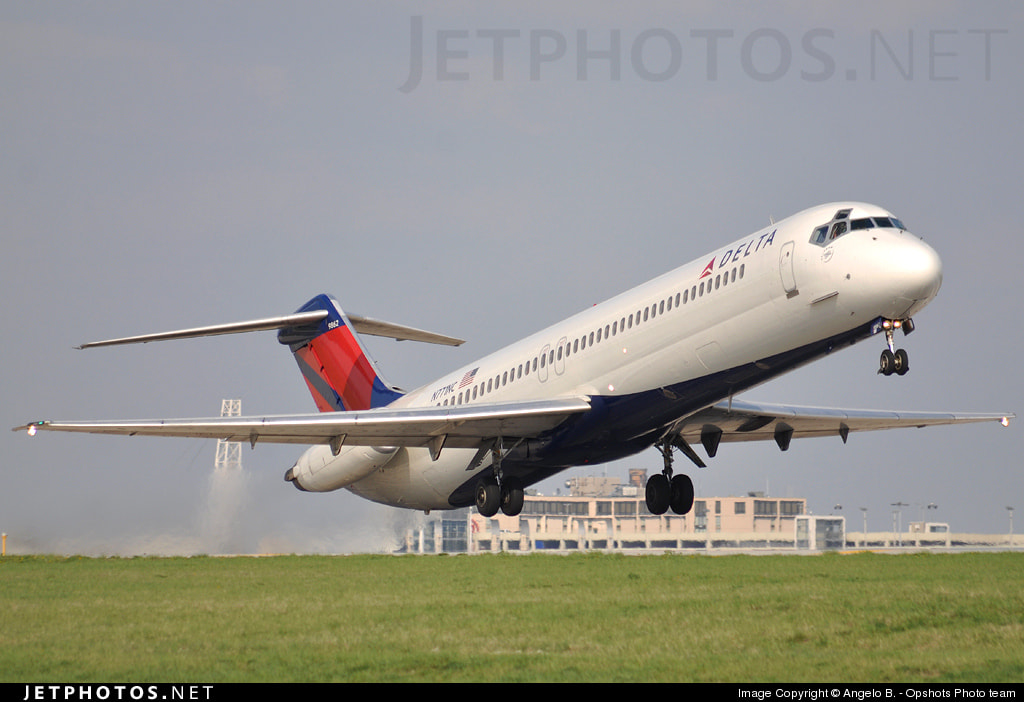
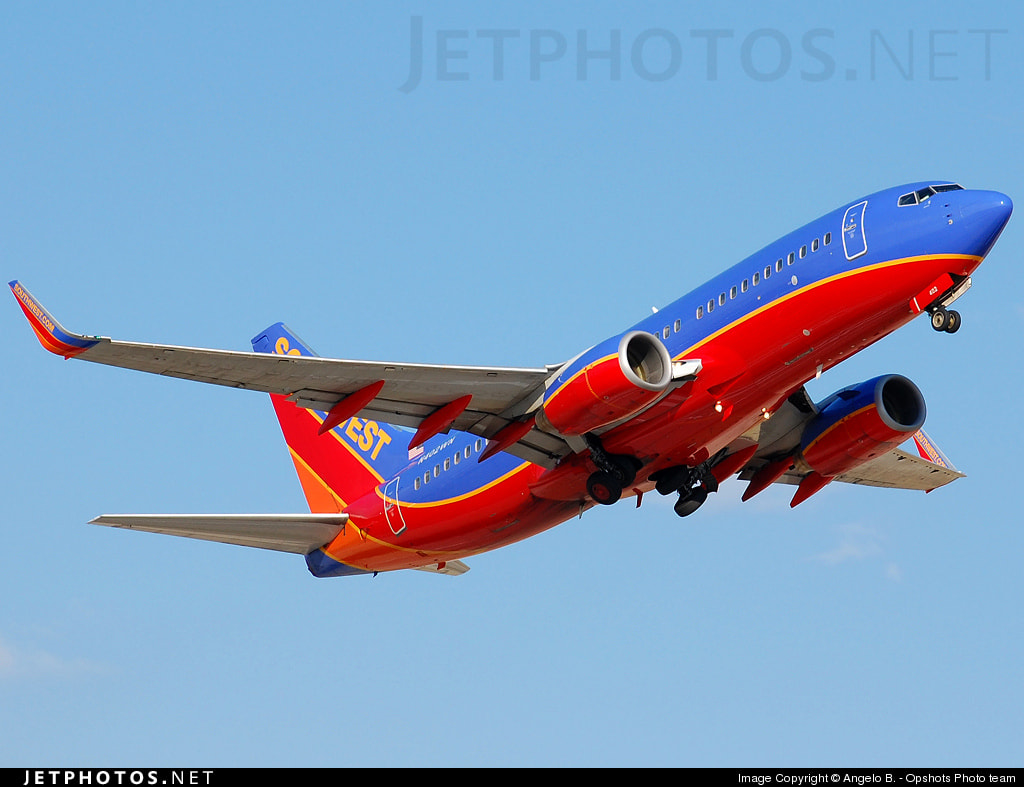
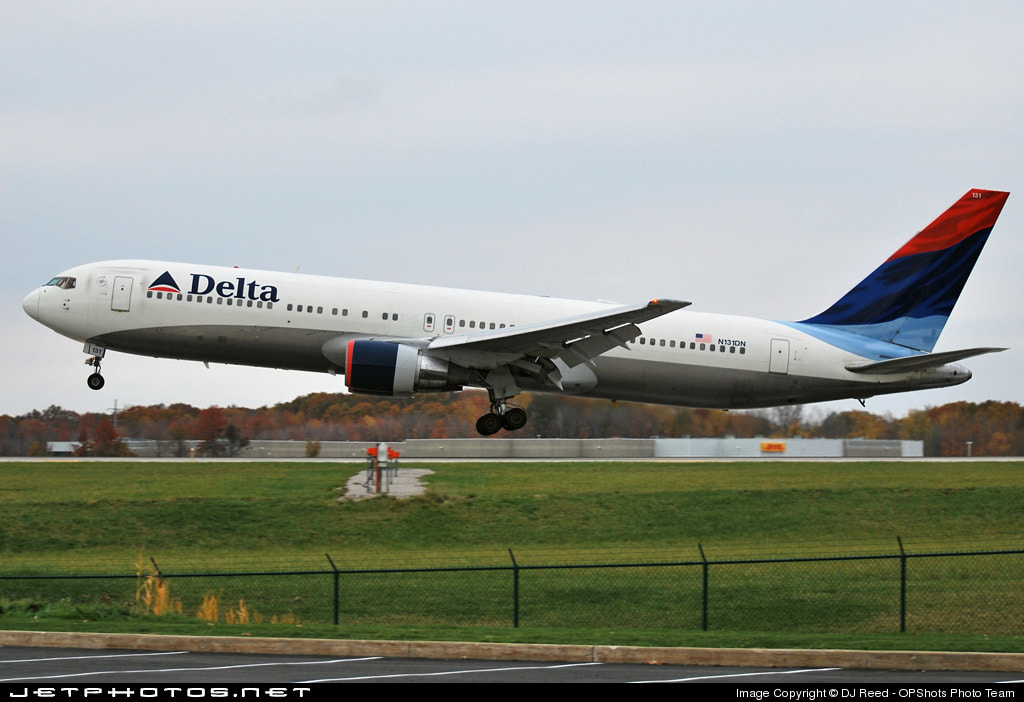
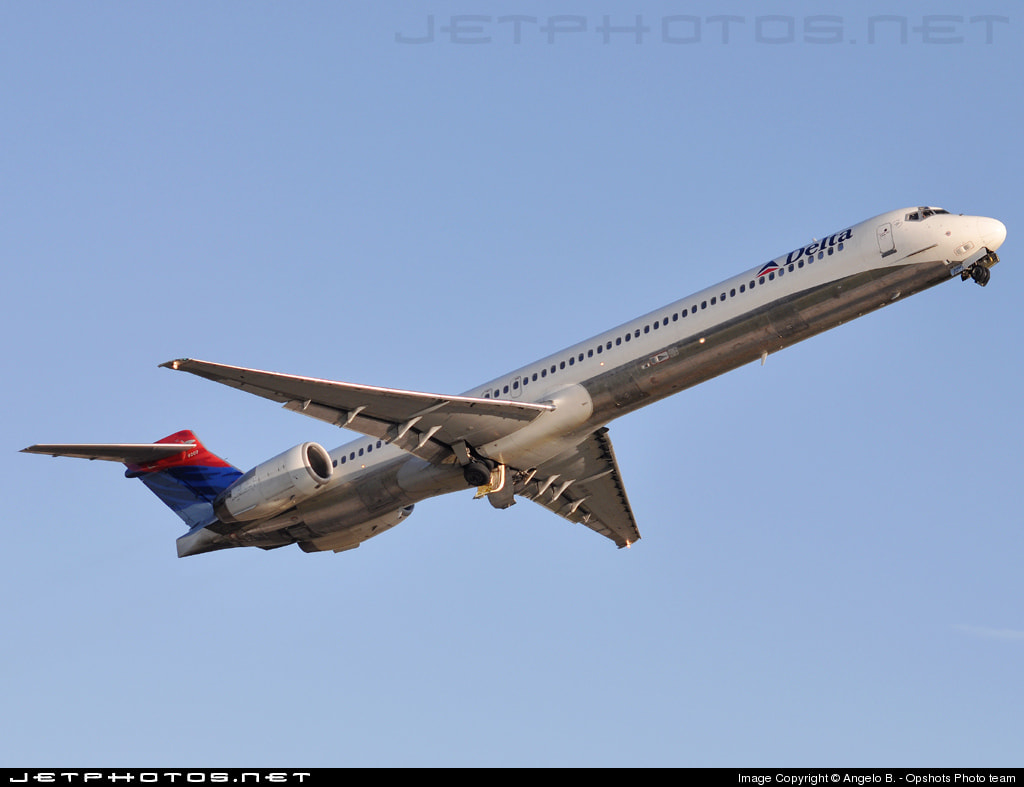
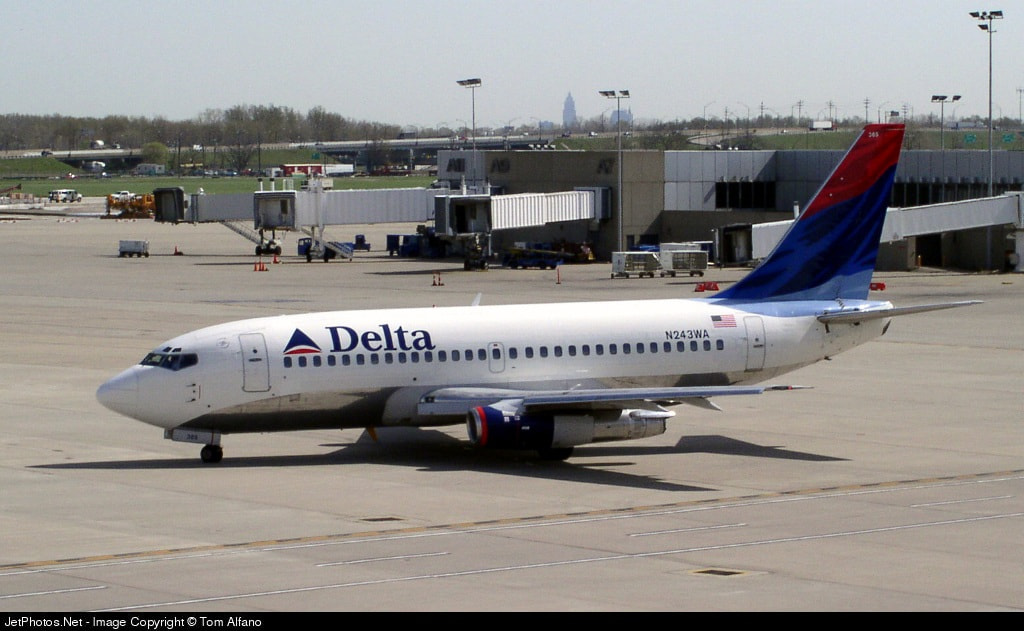
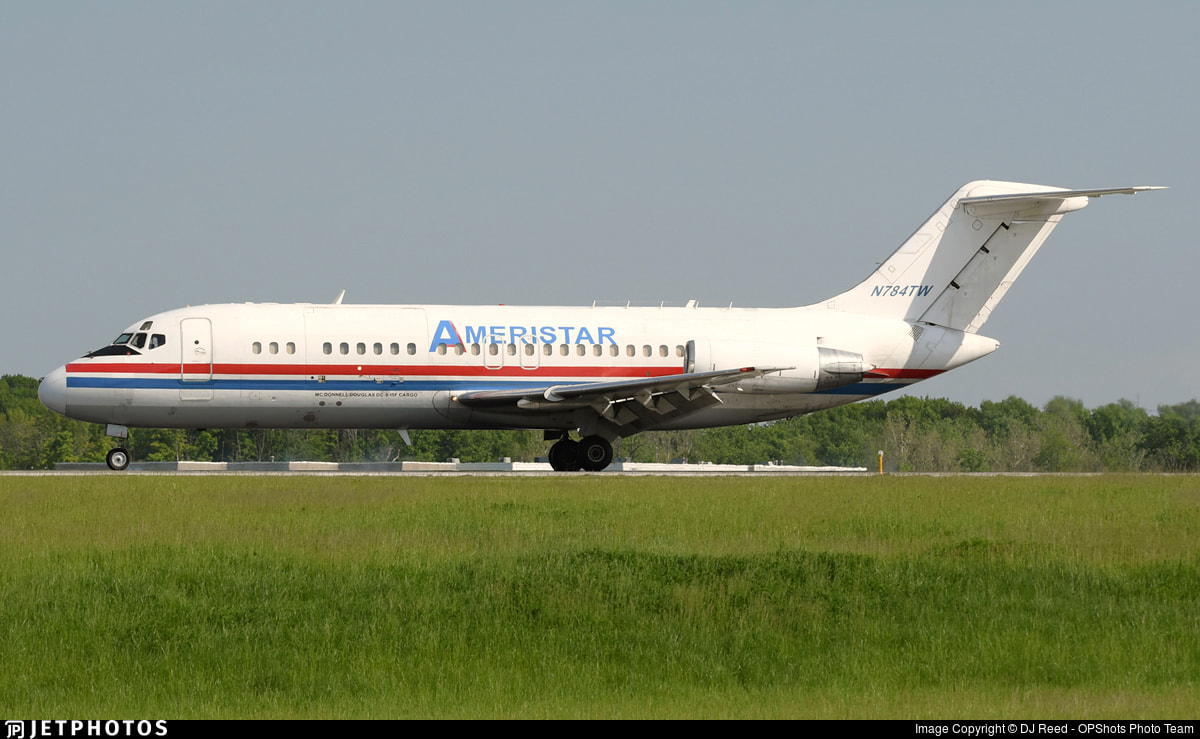
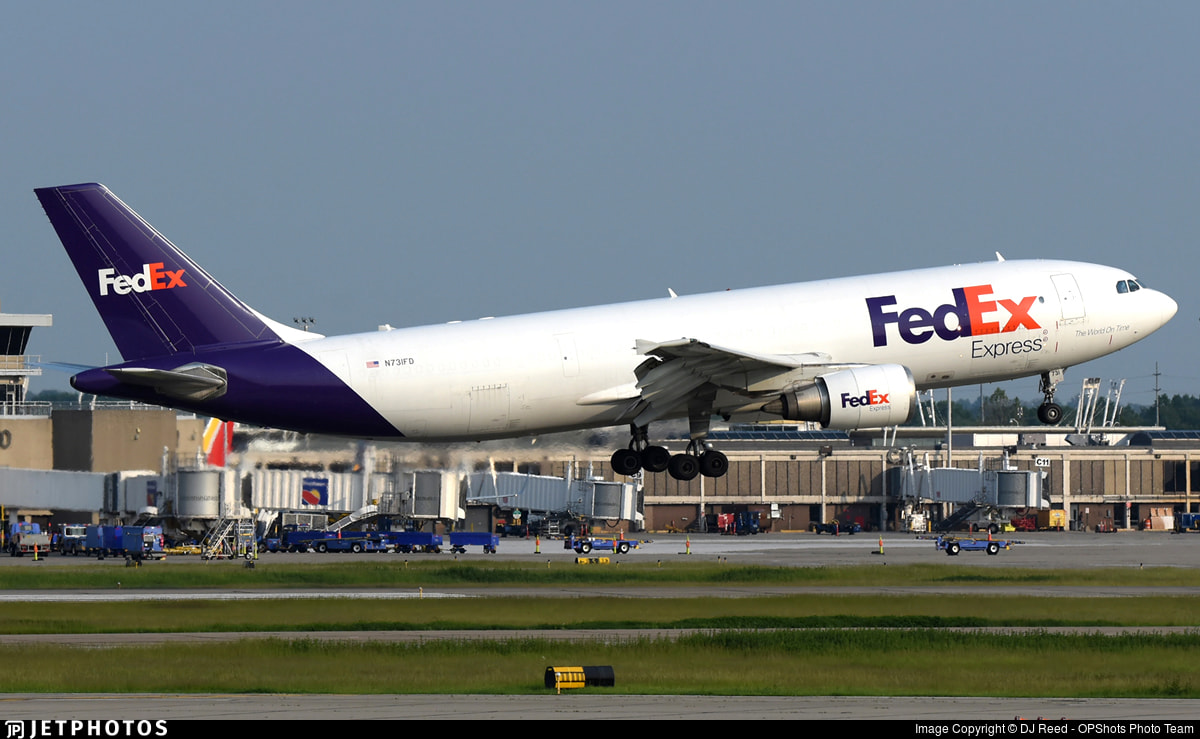
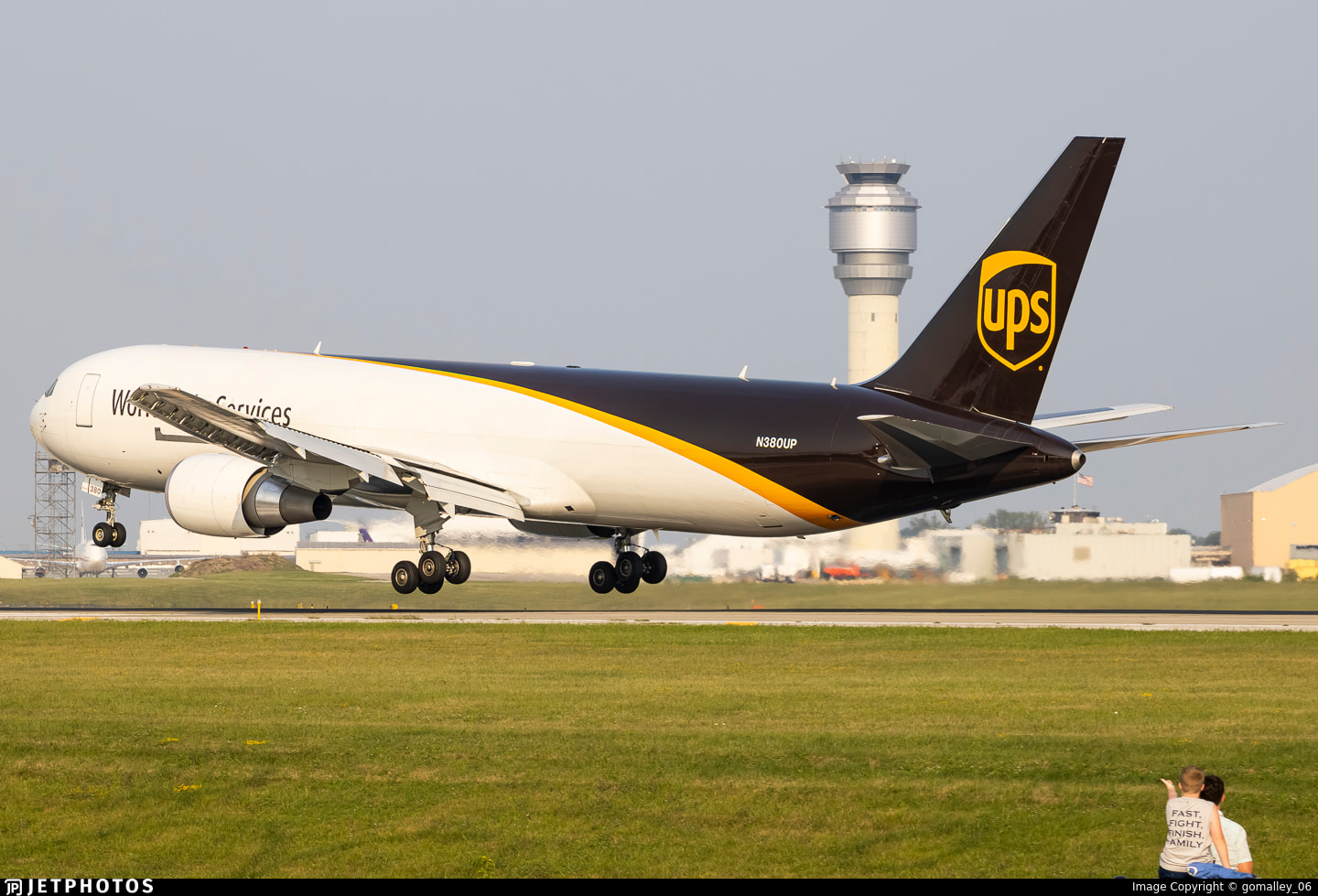
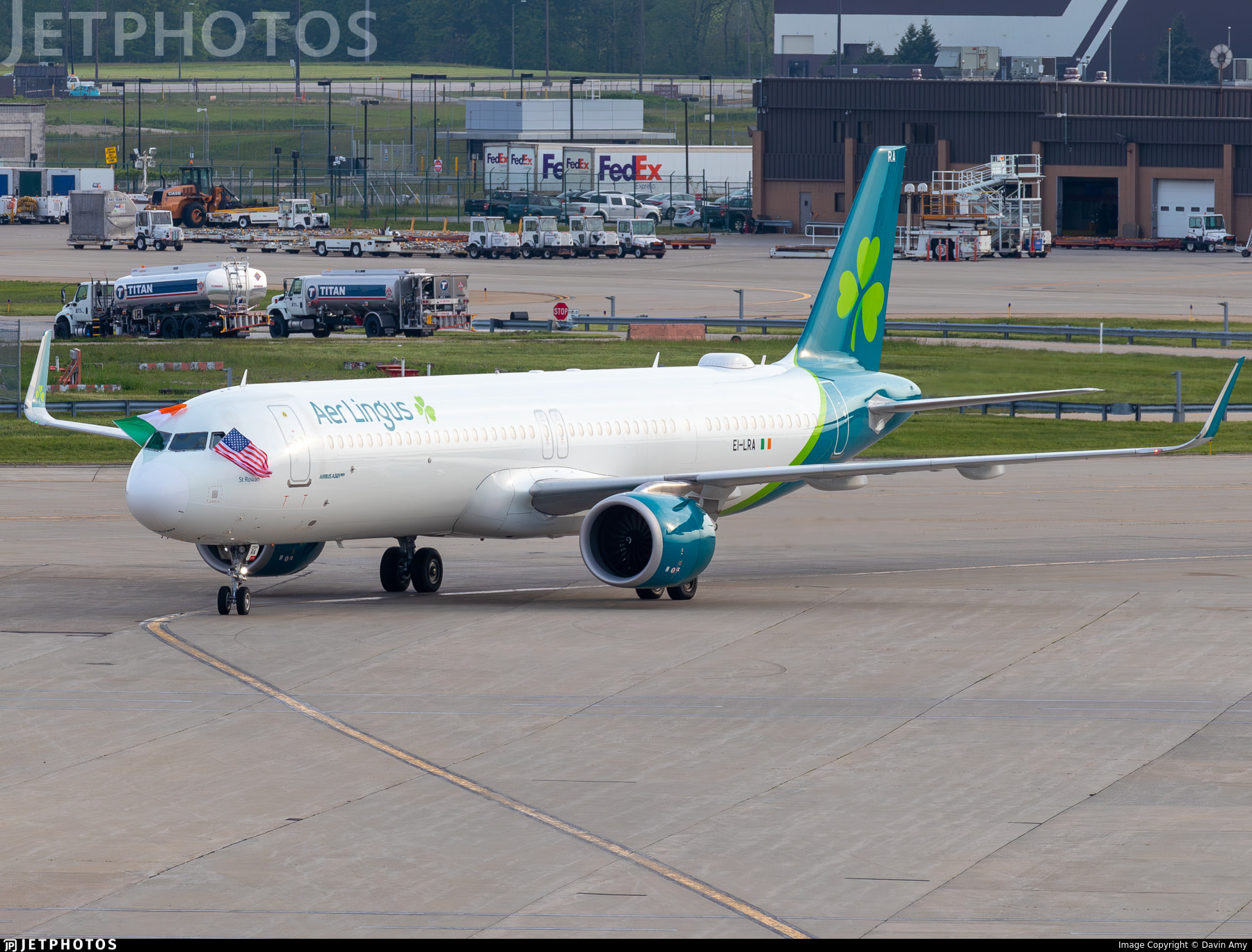
Standard passenger traffic involves aircraft such as 737s, A320s, CRJs and ERJs/E-Jets, and standard cargo traffic involves aircraft such as 767s and A300s, alongside even some smaller types like the Cessna 208.The airport has one terminal and four concourses (A-D), though only three of such are currently in operation (A-C). I was able to find that across the three active concourses, there are a total of 46 gates, with a large majority being jet bridge gates. Most of which are narrowbody gates capable of handling up to Category C aircraft, though there are a few shared/MARS stands across the terminals capable of handling larger widebody aircraft (specifically Gate A14/B4/B6).
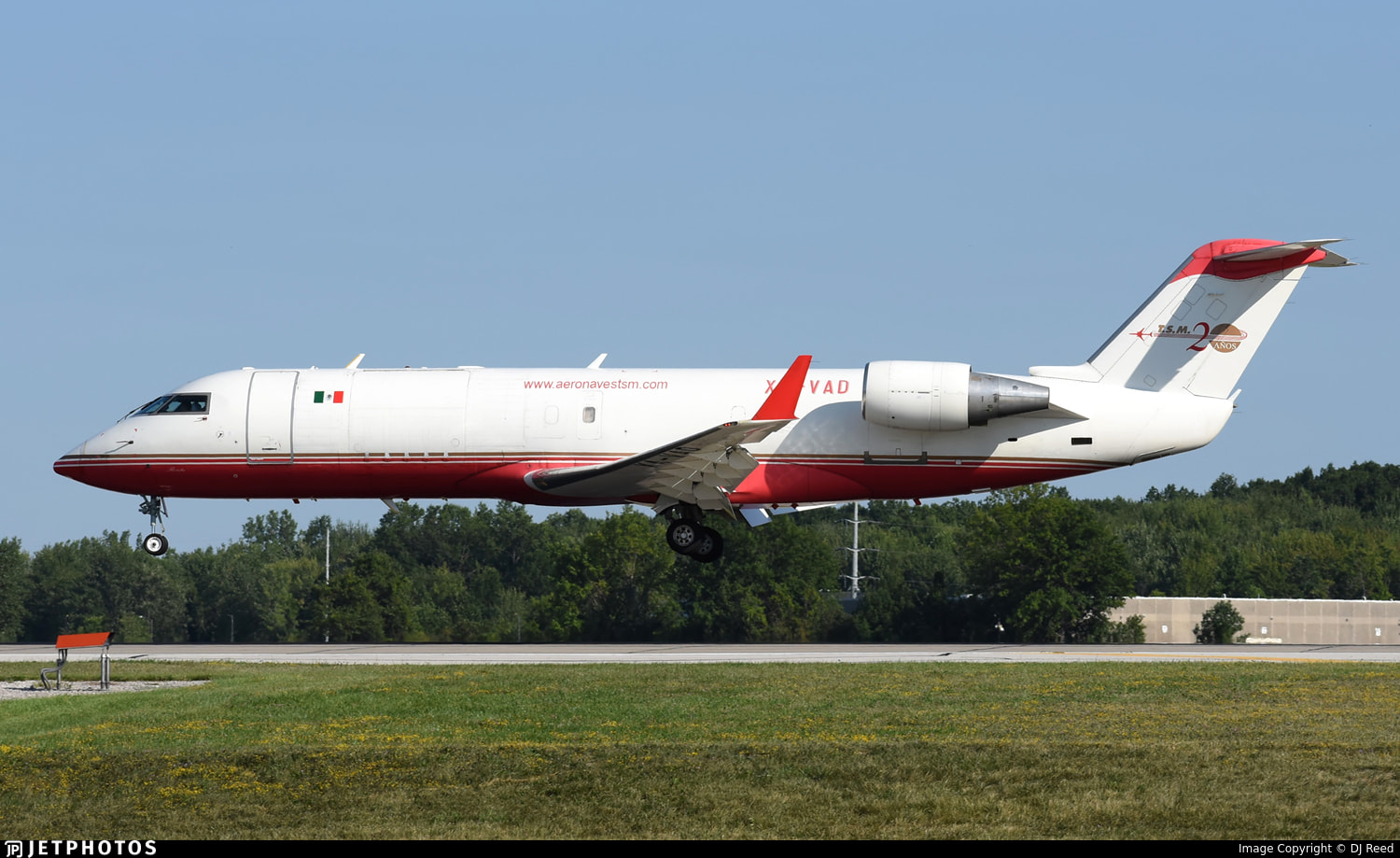
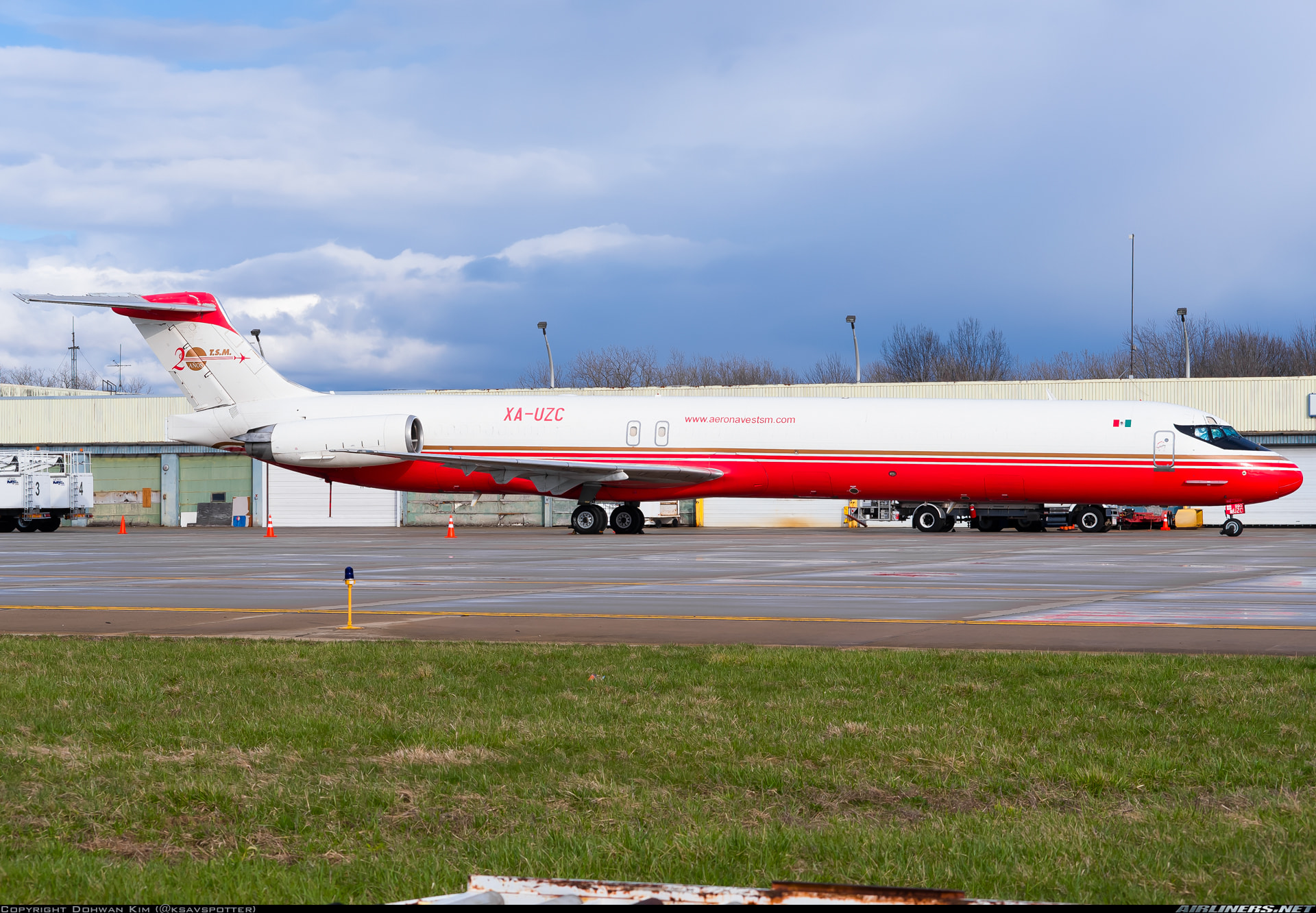
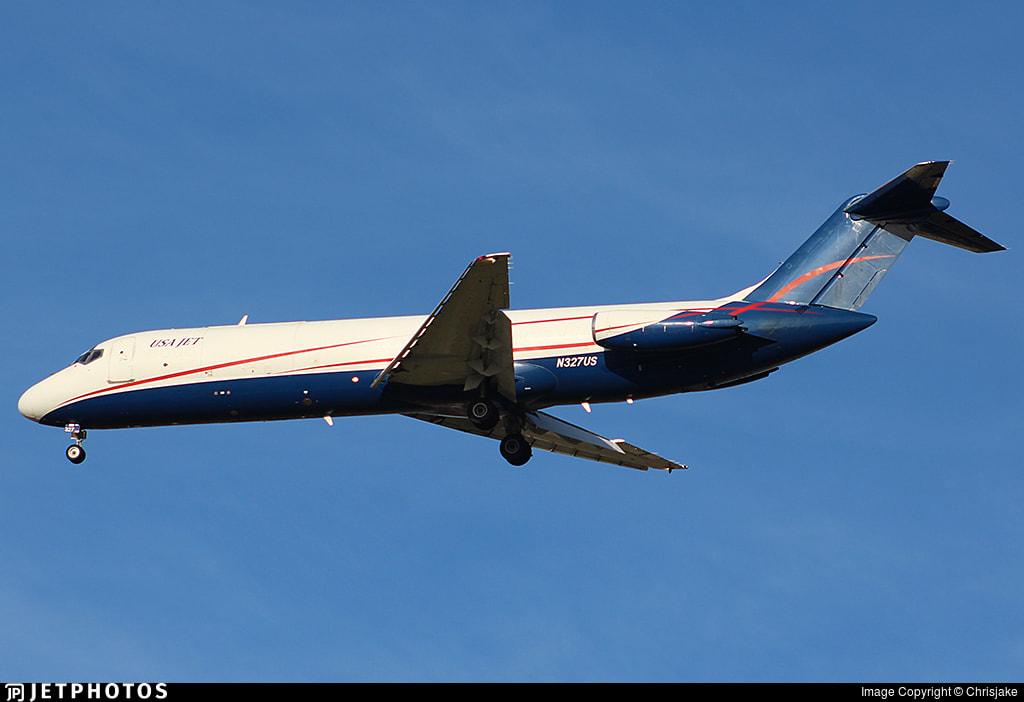
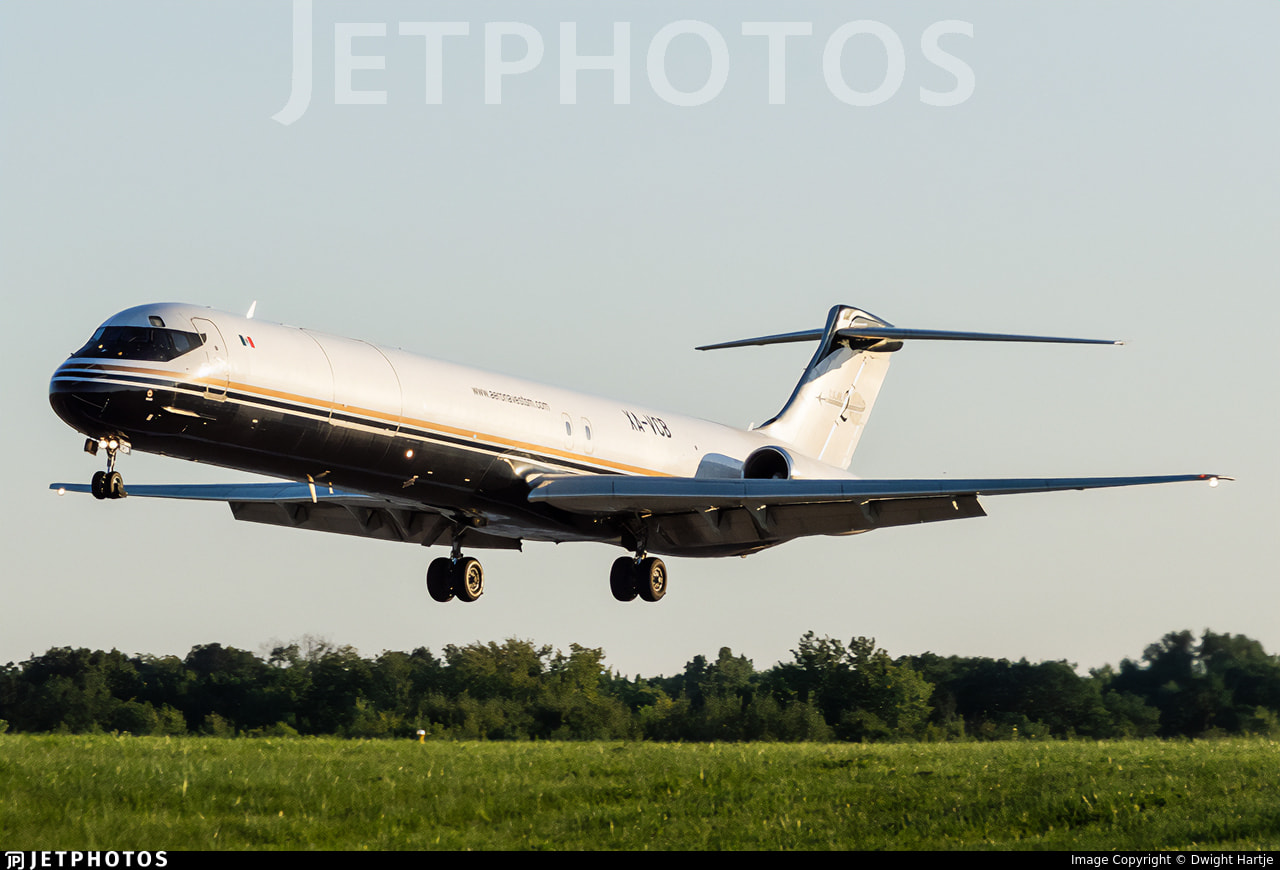
As for the cargo stands, it would appear that there are two cargo areas, one east and one far south in relation to the terminals. I believe that the total stand count of both combined would involve 8 in total… at least according to me eyeballing it.
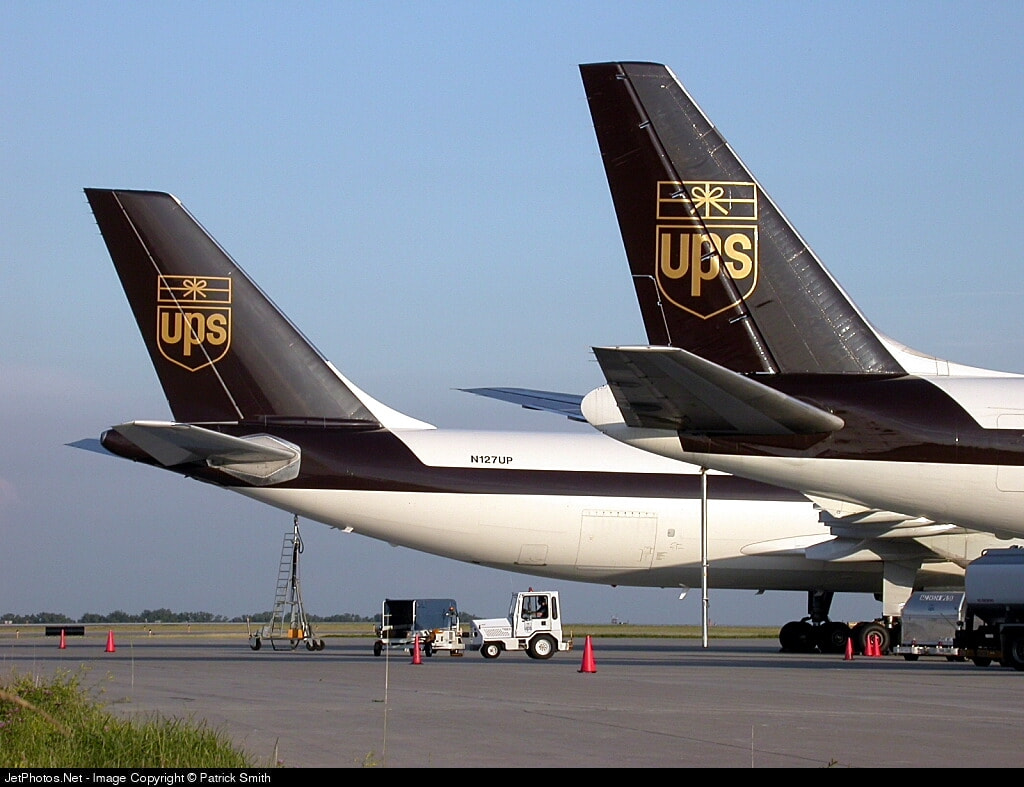
6 of which would be widebody cargo stands, and the remaining 2 would be reserved for very small aircraft such as the aforementioned Cessna 208. From my understanding, it seems as if the reasoning for the separate cargo areas is because one is dedicated to UPS, whereas the other is dedicated to FedEx.If you’re curious about the lone inactive concourse, here’s some more info about it:
Details about the inactive concourse
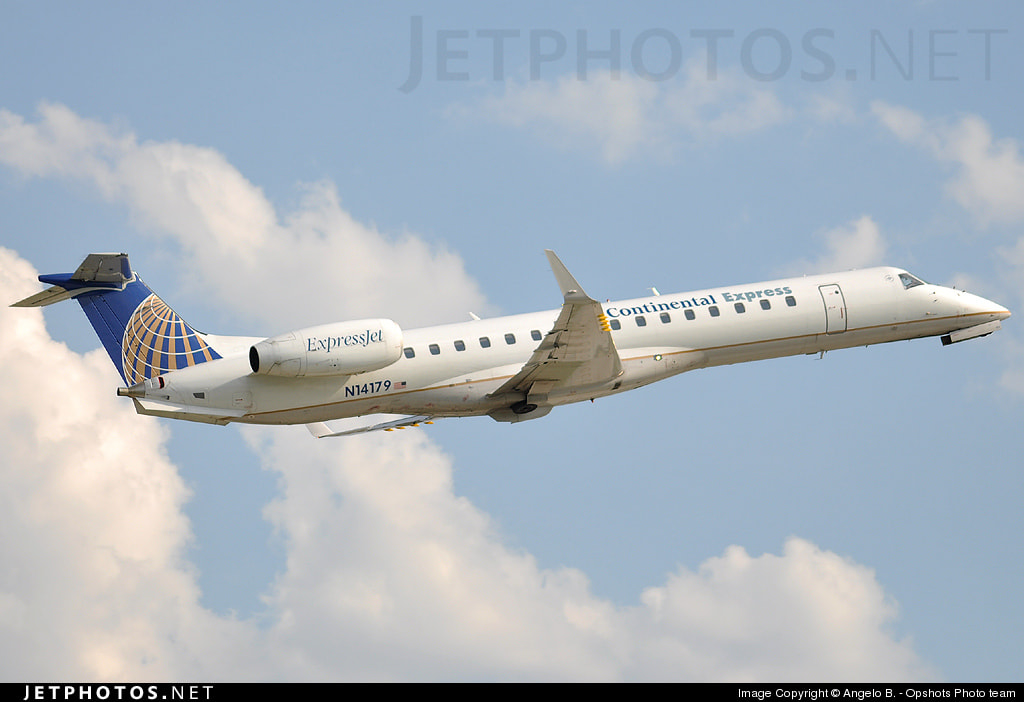
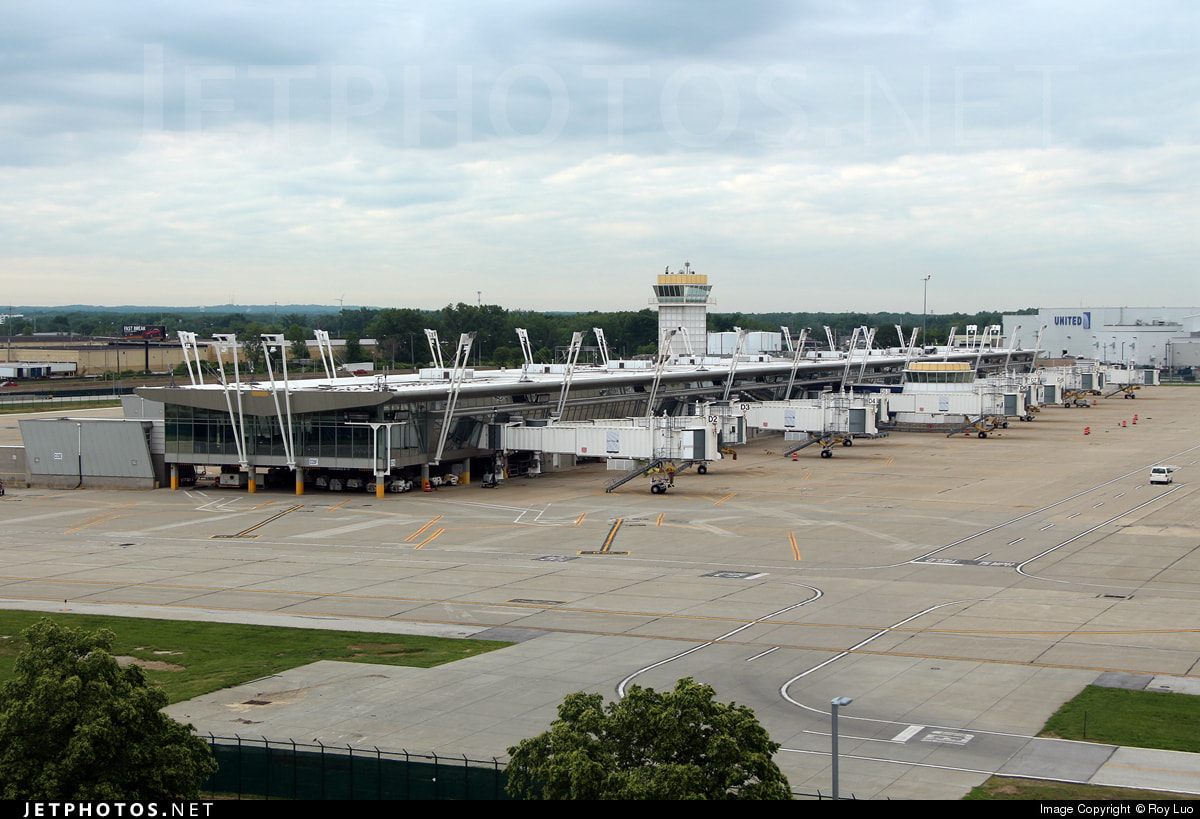
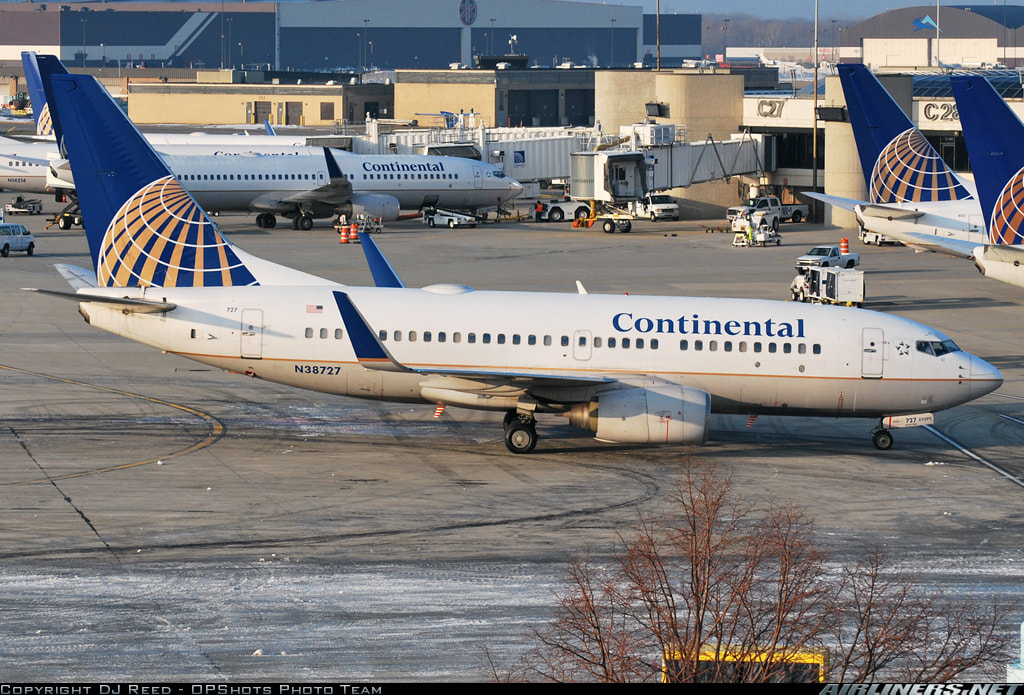
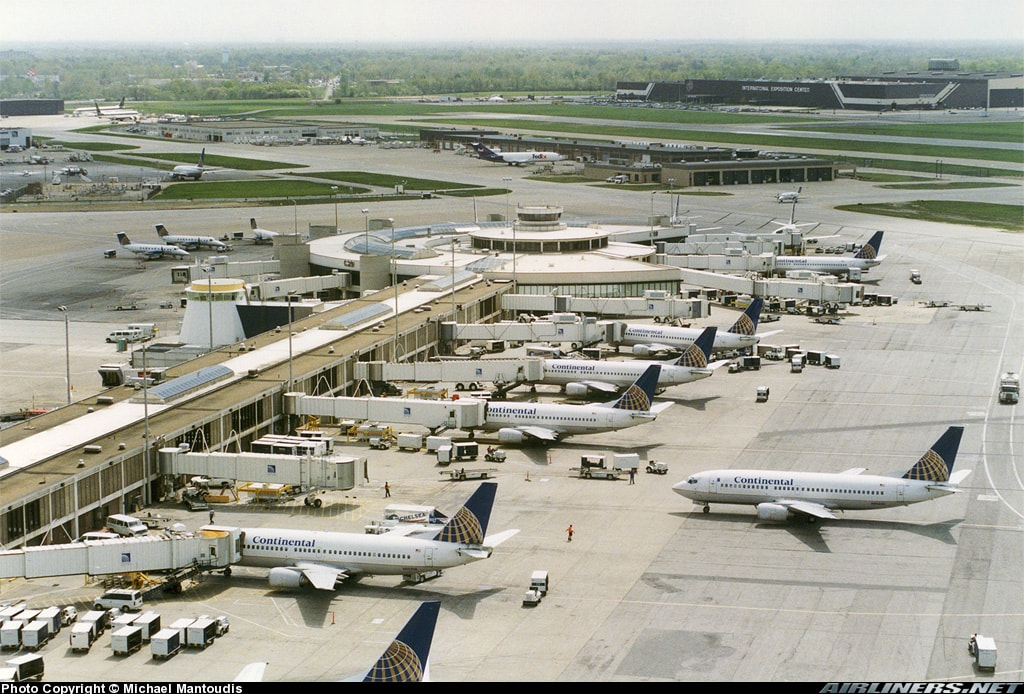
Formerly known as Concourse D, it was separate from the main 3 terminals, functioning as a satellite terminal, and was primarily intended to serve United Airlines (formerly Continental), whom at the time had a hub at the airport (more on this in the “Major Airlines and Routes section”).
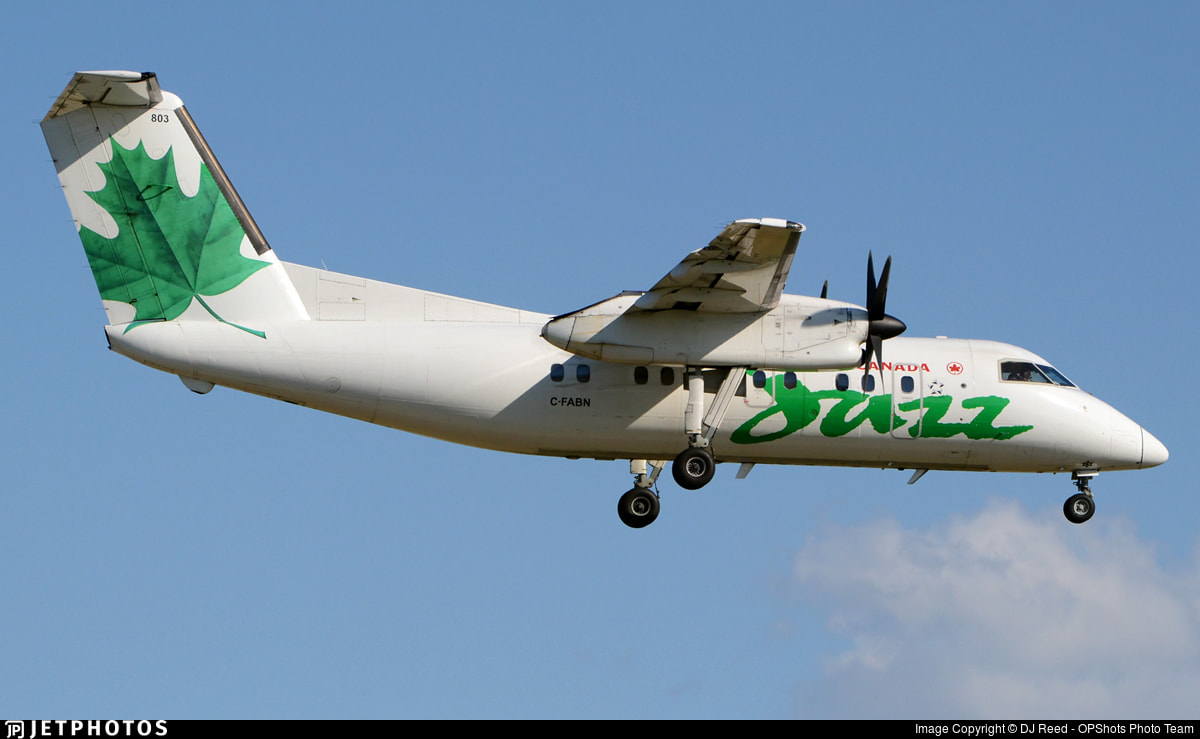
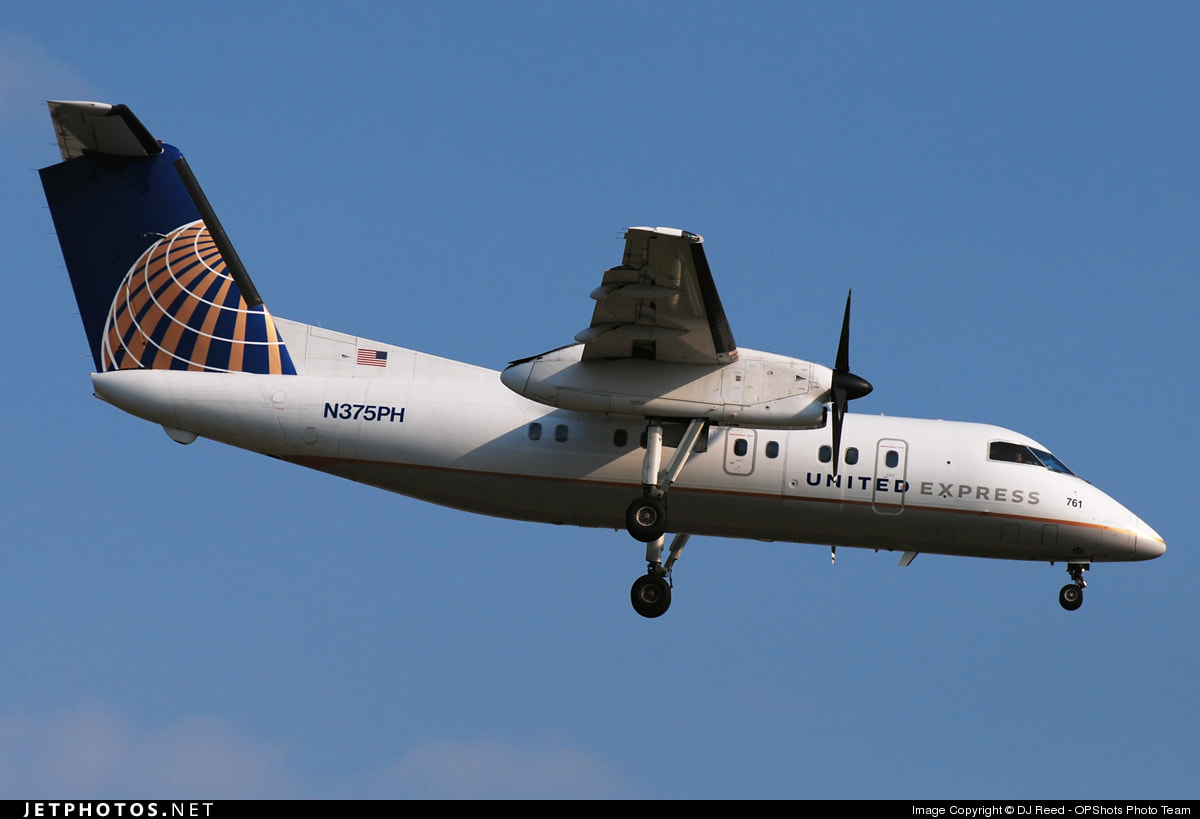
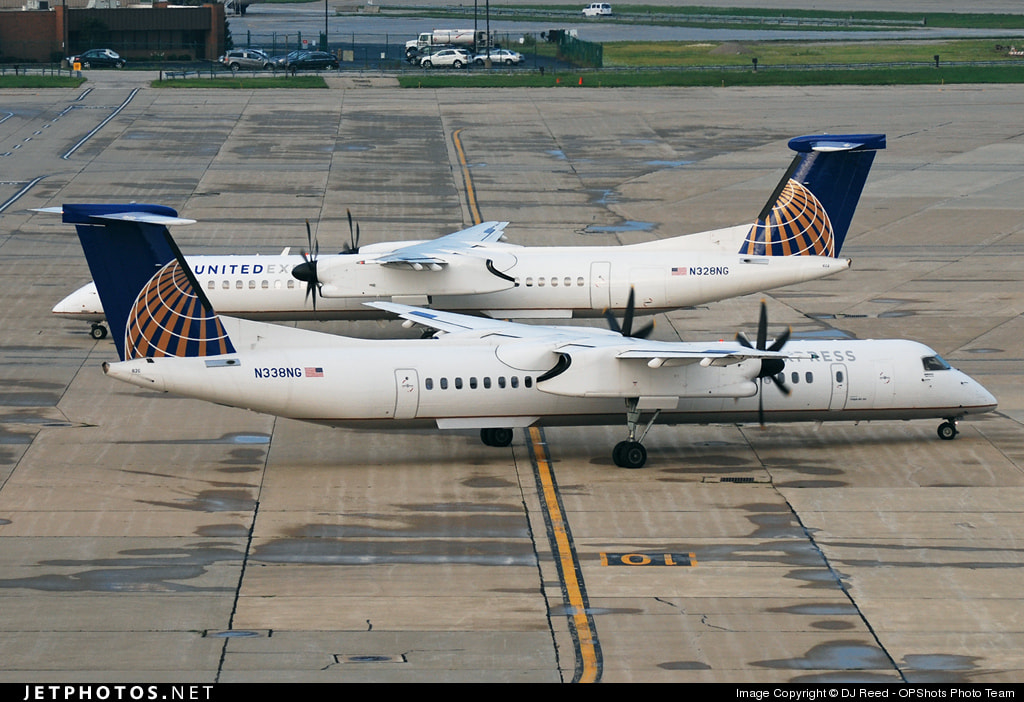
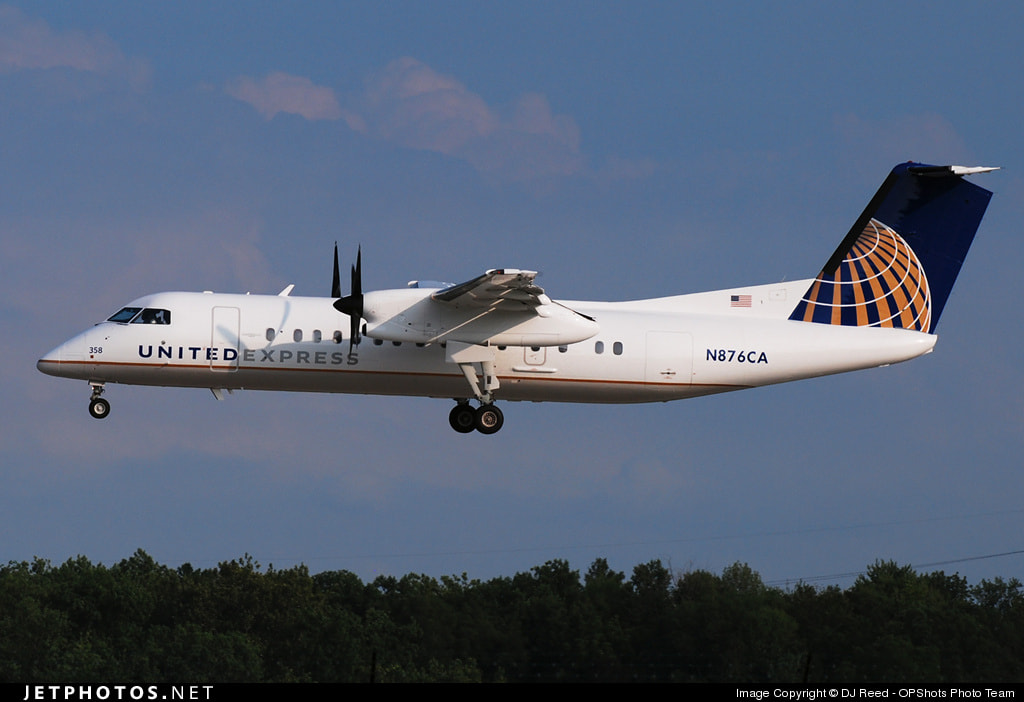
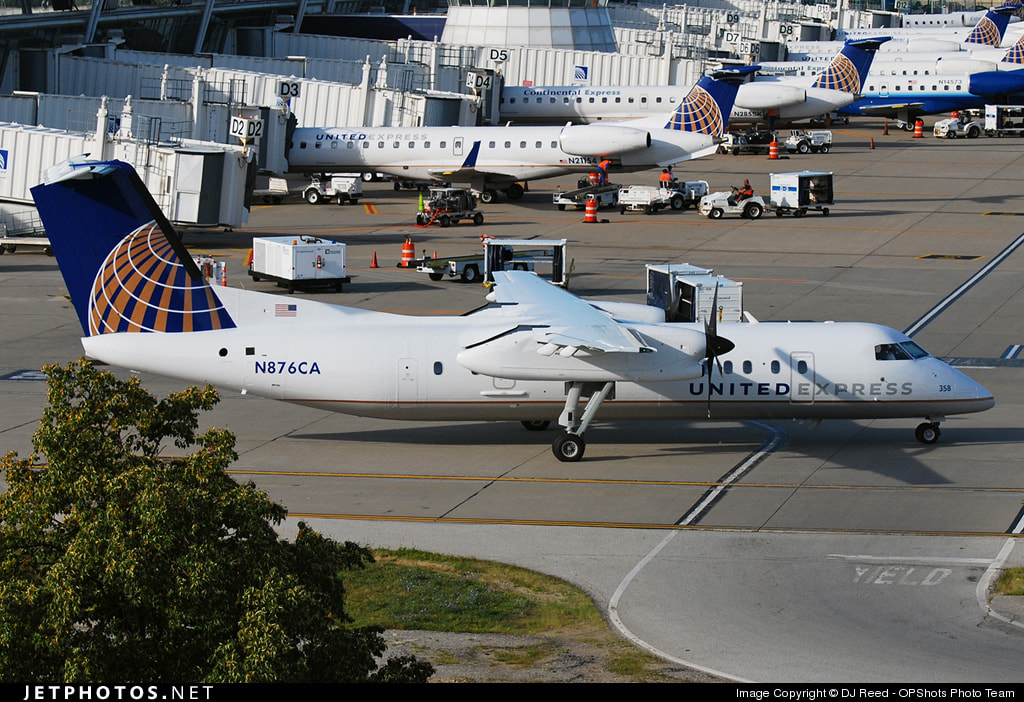
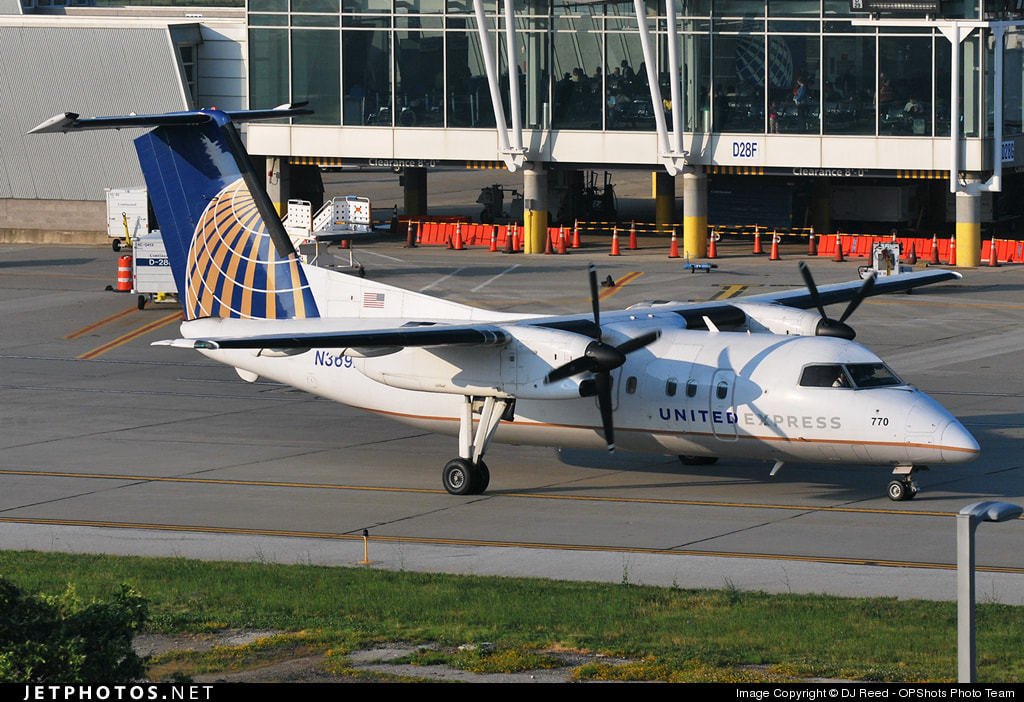
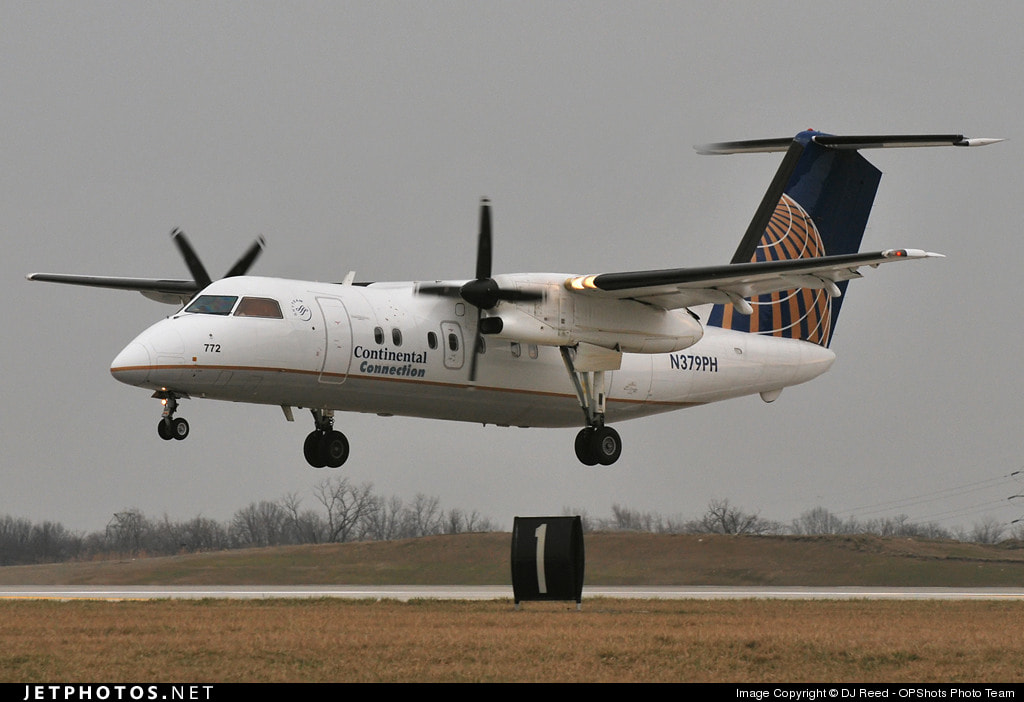
Prior to its closing, the terminal had 12 jet bridge gates and 21-24 remote stands (some sources say 24, but I saw around 21 when looking at it during its final years on Google Earth); however, despite being listed as capable of handling aircraft up to the 737 (Category C), the terminal reportedly only saw smaller regional aircraft operating to and from it, think ERJs and Dash 8s.
The concourse was closed in 2014, specifically after United relegated its hub status from the airport, and has sat vacant since, with plans to be replaced entirely in the coming years.When it comes to the airport’s runways, the airport has three of them (formerly four); two of which are parallel, whereas one is offset and positioned at a different angle, though it does not (directly) intersect with the parallel runways.
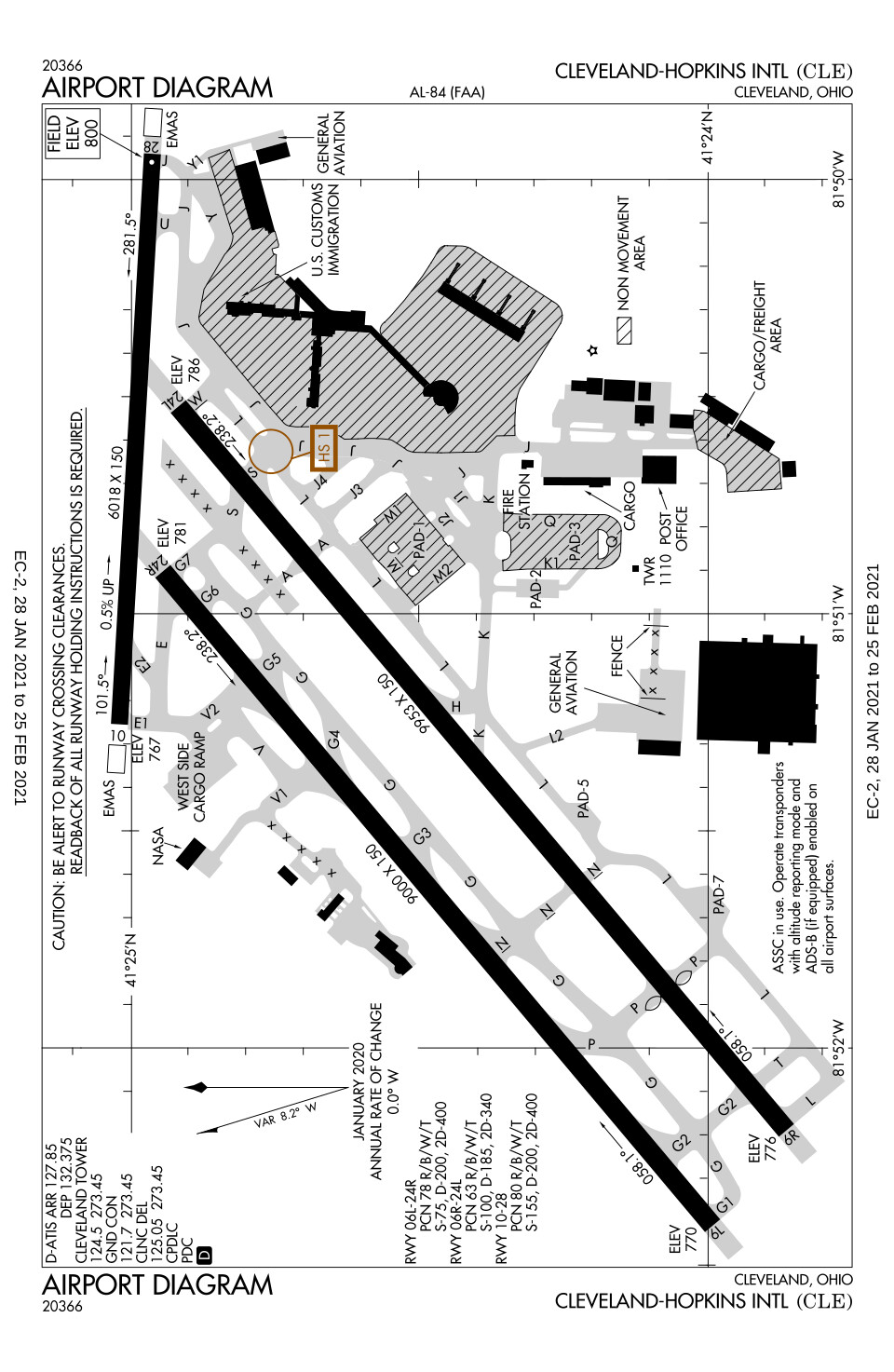
The parallel runways are known as 6R/24L and 6L/24R, and have a length of 9,953ft (3,034m) and 9,000ft (2,743m) respectively. The two runways are positioned close with one another, and so are likely incapable of operating independently; they are used the most for operations.
Now, about the third non-parallel runway. It is known as 10/28, and it is the shortest runway at the airport, at 6,018ft (1,834m). I am unsure how frequently it is used - however, I’d assume it’s used more-so as a crosswind runway whenever conditions arise and warrant its use.
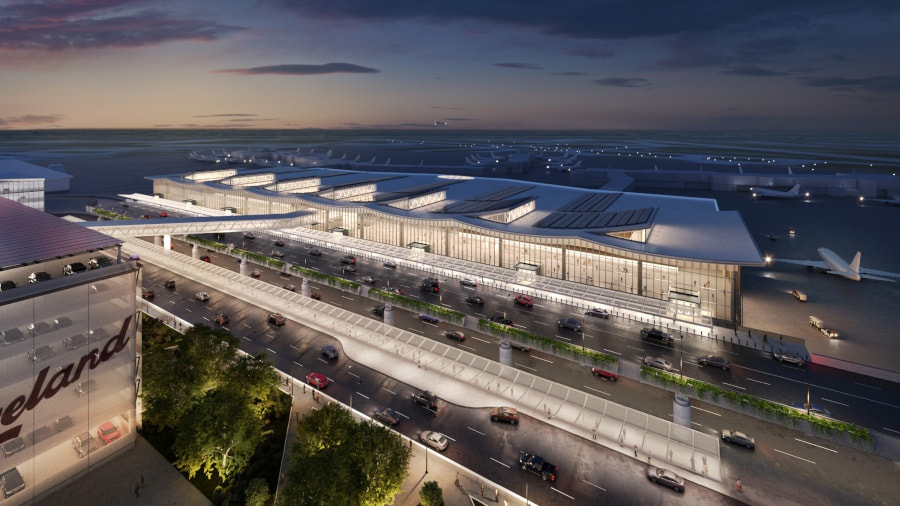
All runways have a listed width of 150ft (46m).As for the future of the airport, the airport has a master plan well underway known as “CLEvolution”; quite a bit is up in the air about some specific details regarding the project, as it’s only just starting out with its first phase, but from what I was able to find, most of the existing landside infrastructure such as parking garages and main terminal building will be overhauled and/or replaced, with completion targeting 2032.
Later on in the project, presumably in a later phase, the concourses will likely be addressed; based on what I could gather, Concourses A and C will be renovated, Concourse B will be rebuilt, and Concourse D will be replaced with a new concourse (possibly to be called Concourse E).(Do note that these later plans are subject to change, as I would guess it is still being developed, or alternatively will be planned out in the future.)

Why should this airport be added to World of Airports?
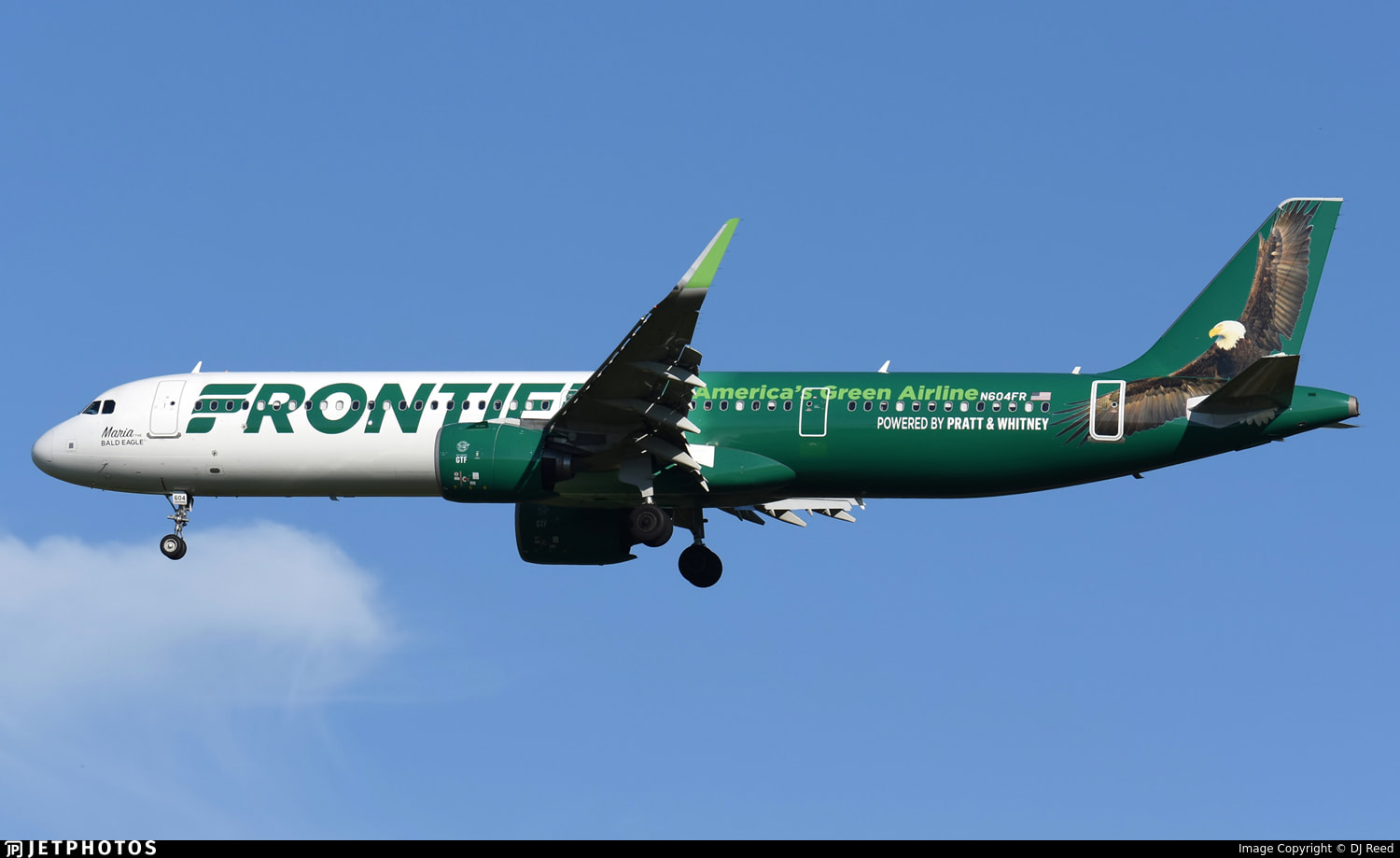
I would say this airport should be added to World of Airports primarily because of two main reasons: the first being that it would have quite a unique layout, with two cargo terminals on opposite ends of the airport, with 4 concourses (with C and D especially having a notable design to them), alongside a just as notable and unique runway configuration.The second main reason I think this airport would be a great choice would be because it would bring Frontier into the mix as a local (as they have a base at the airport, and prior to such still held it in high regards as a focus city, more on this below); as far as I am aware they are not locals or based at any current airport, so to have an airport which has them as a prominent airline would be a nice refresher to gameplay in my opinion.
And finally, the airport also has a rich history in the context of commercial air travel and airports, being the first airport to employ various innovations - some of which would later go on to be the global standard for airports; more specifically, being home to the first control tower with radio communication between tower and aircraft, and the first airfield lighting system, alongside a few smaller yet still notable achievements, such as the first airport to be directly connected by public rail transit from airport to city.
Beyond just historic firsts, the airport is one of the oldest still operating municipality driven airports in the United States, was home to some of the earliest National Air Races and was home to some of the first seasonal scheduled interstate passenger services in the country.So, to summarize, I think this airport would be a great addition because of its unique layout in general, through its facilities, runways and some of its terminal/concourse designs, alongside it offering a new local airline, Frontier - which could possibly also allow for further expansion of the airline in-game, and finally, because of the airport’s historical significance when it comes to the world of commercial aviation and airports.
Major Airlines & Routes
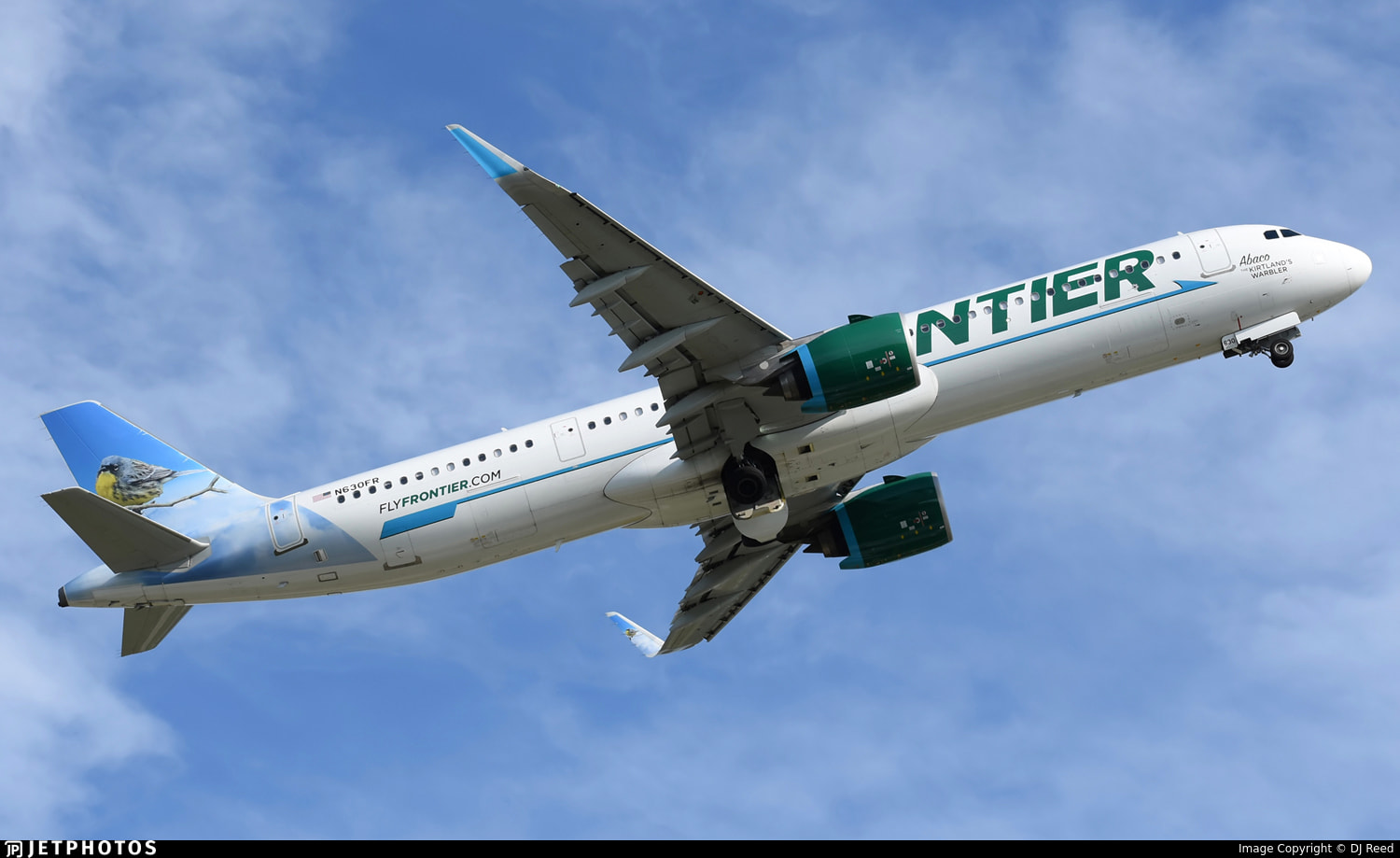
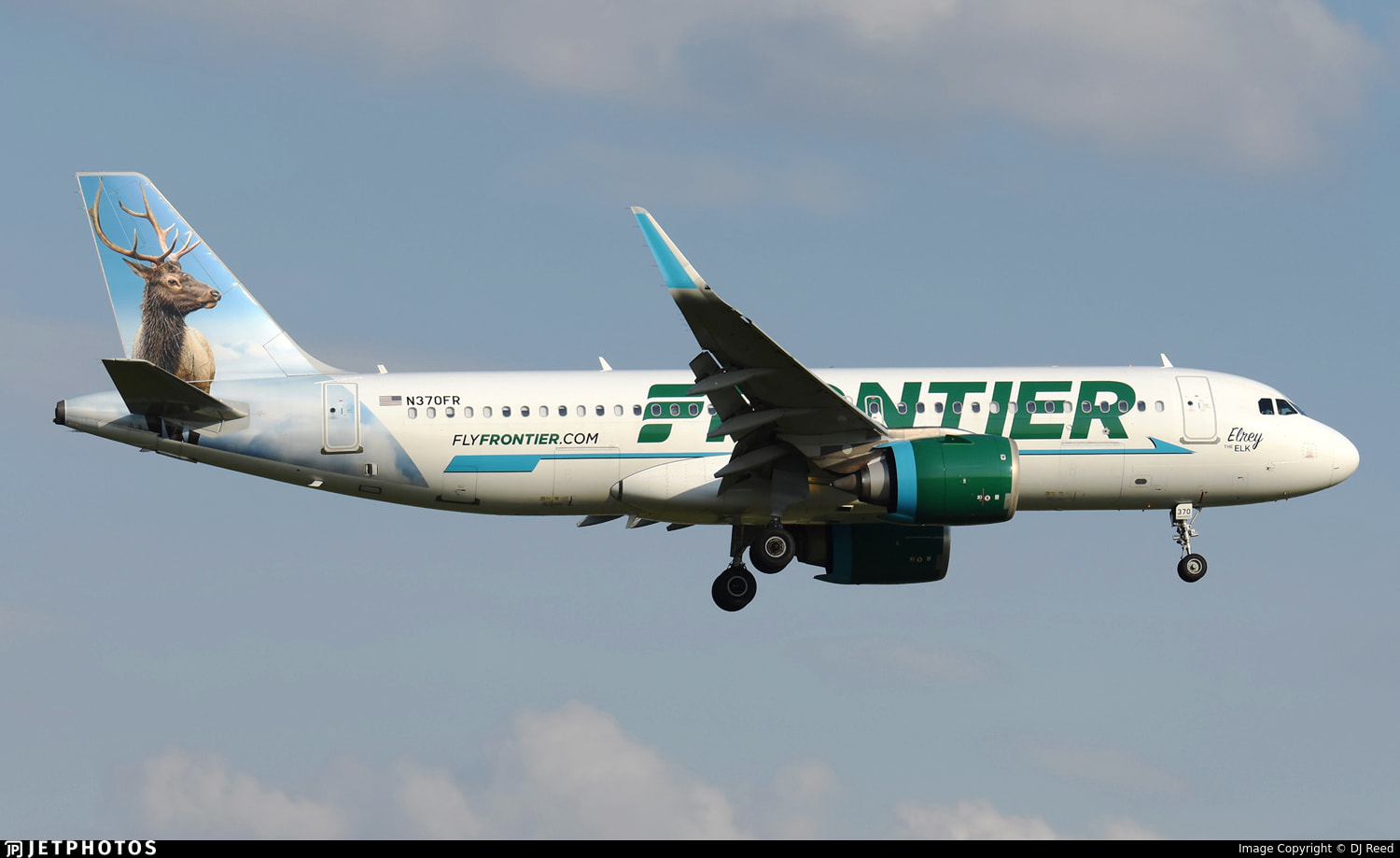
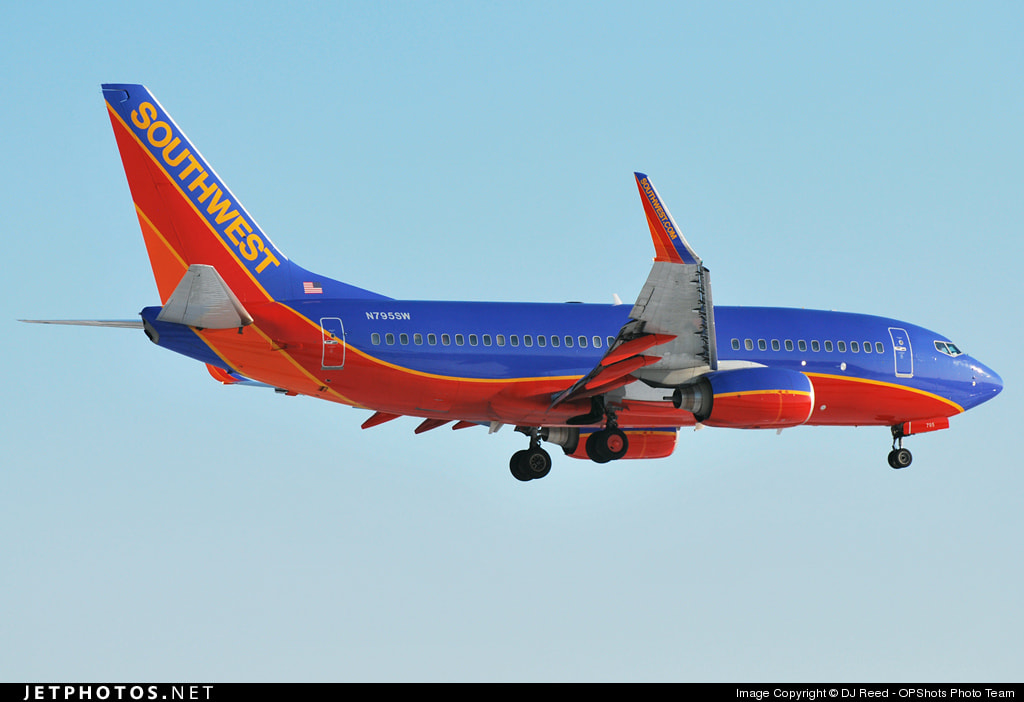
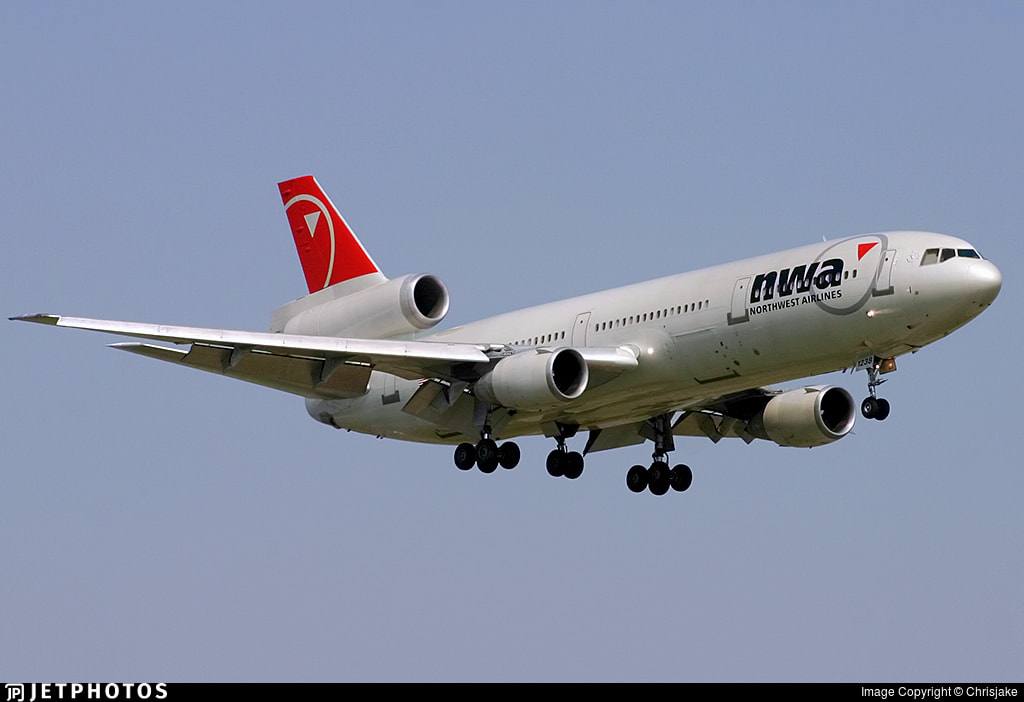
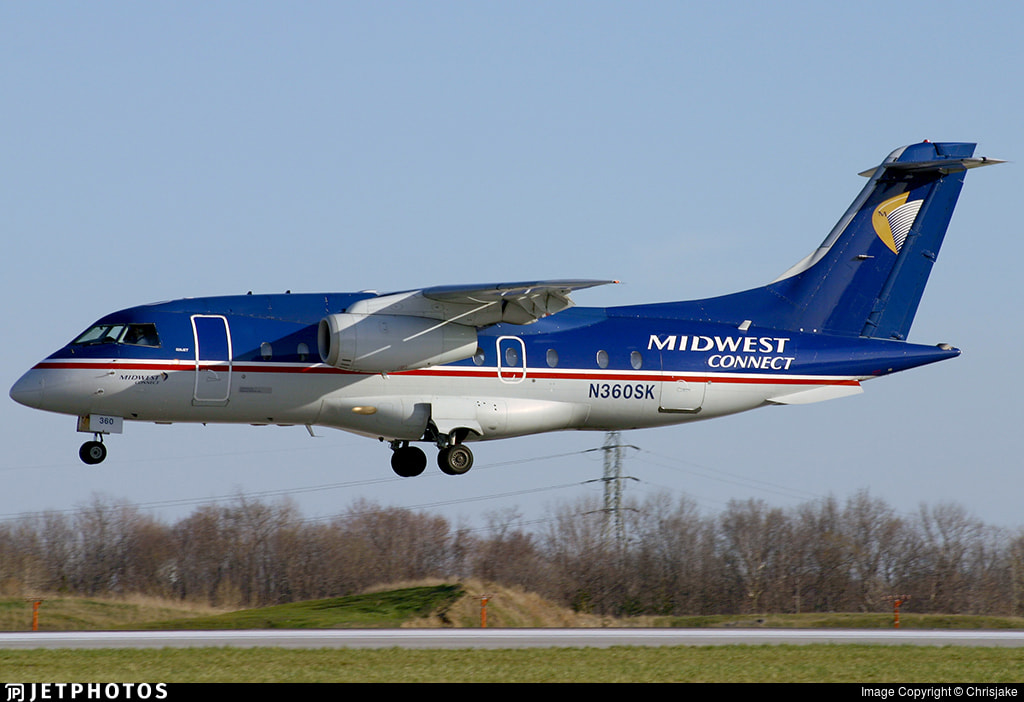
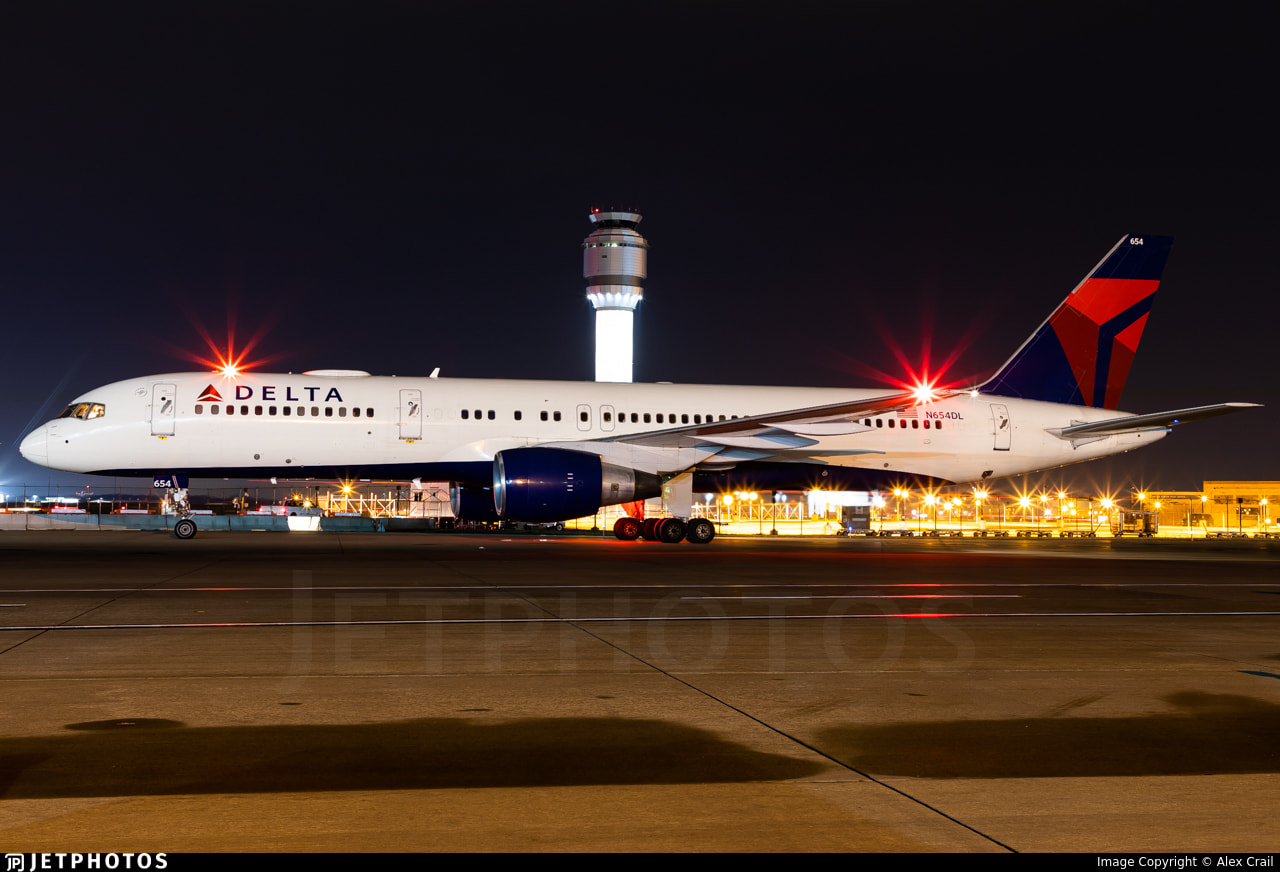
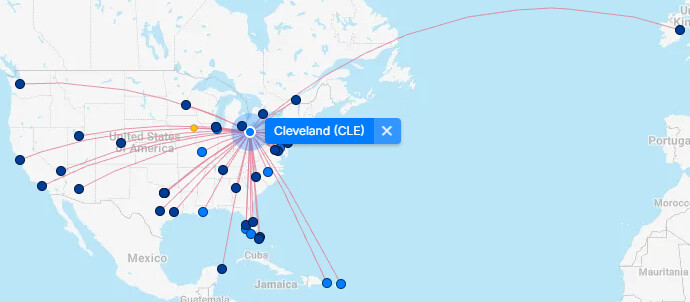
Major airlines at the airport are as follows (in order of each airline’s relevance at the airport):Frontier Airlines - operating base at CLE
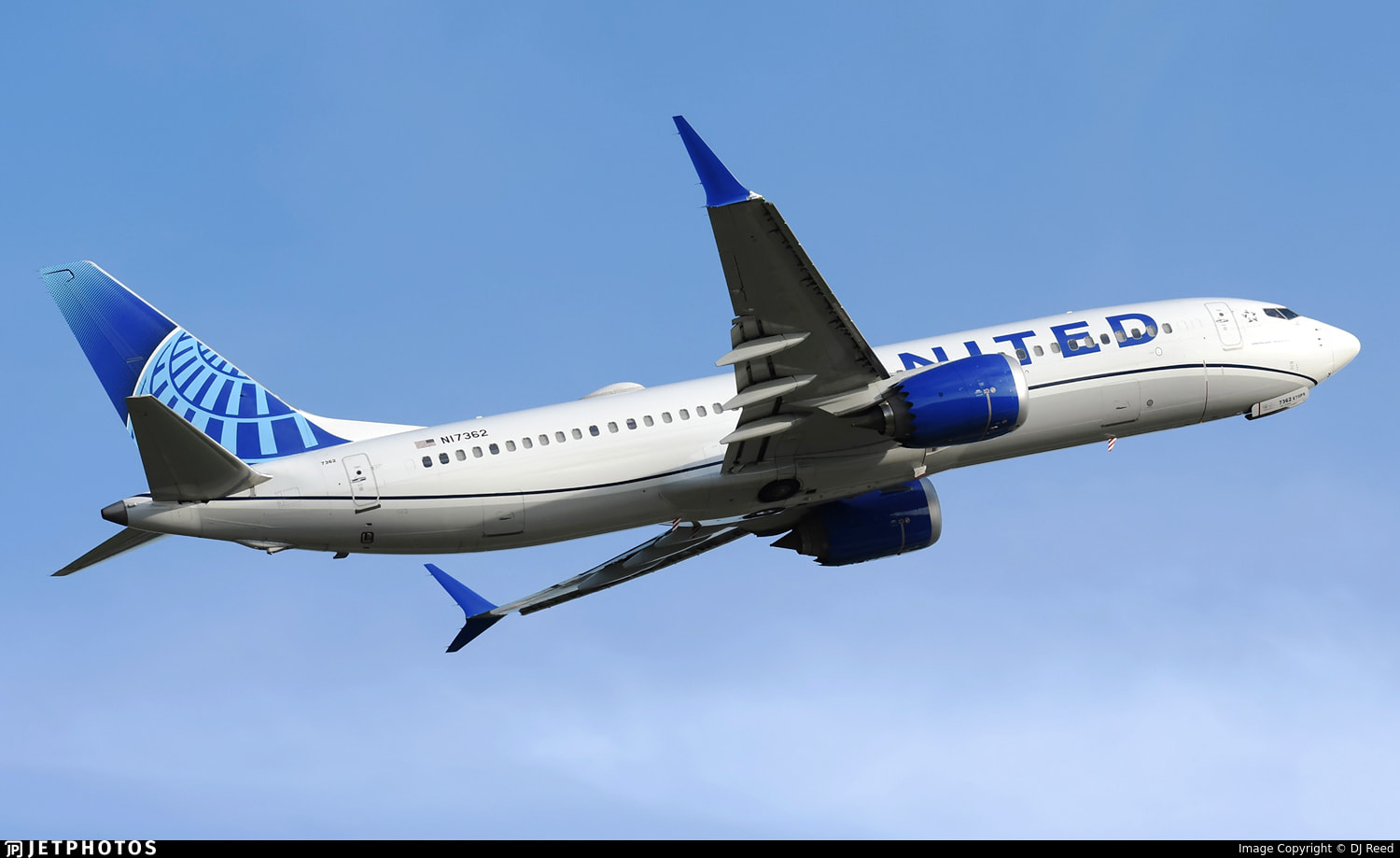
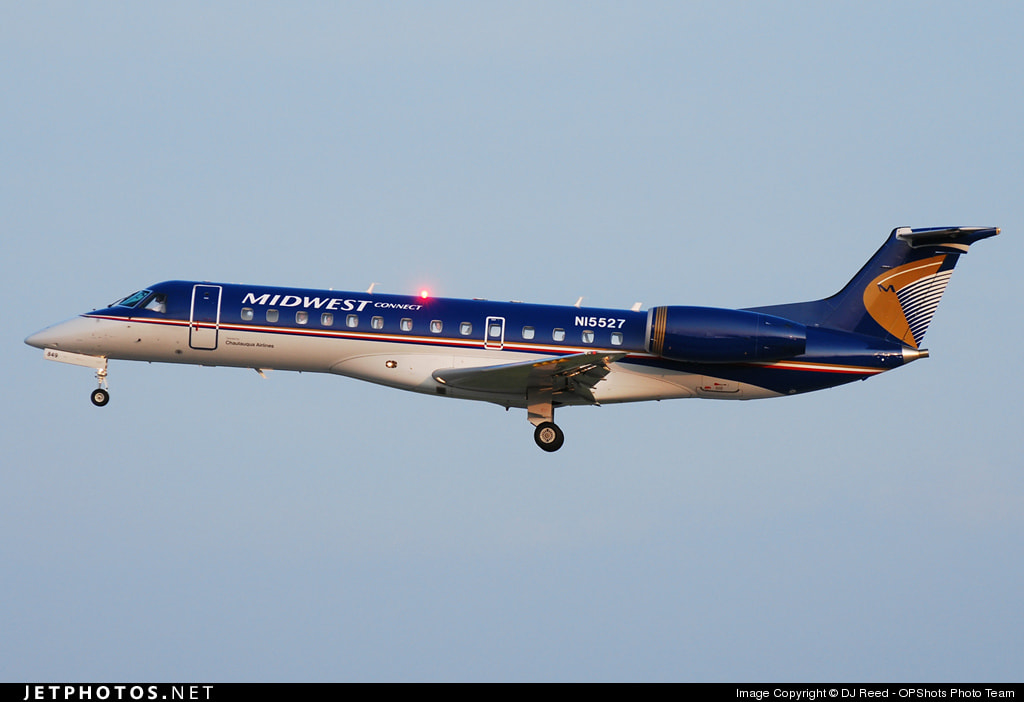
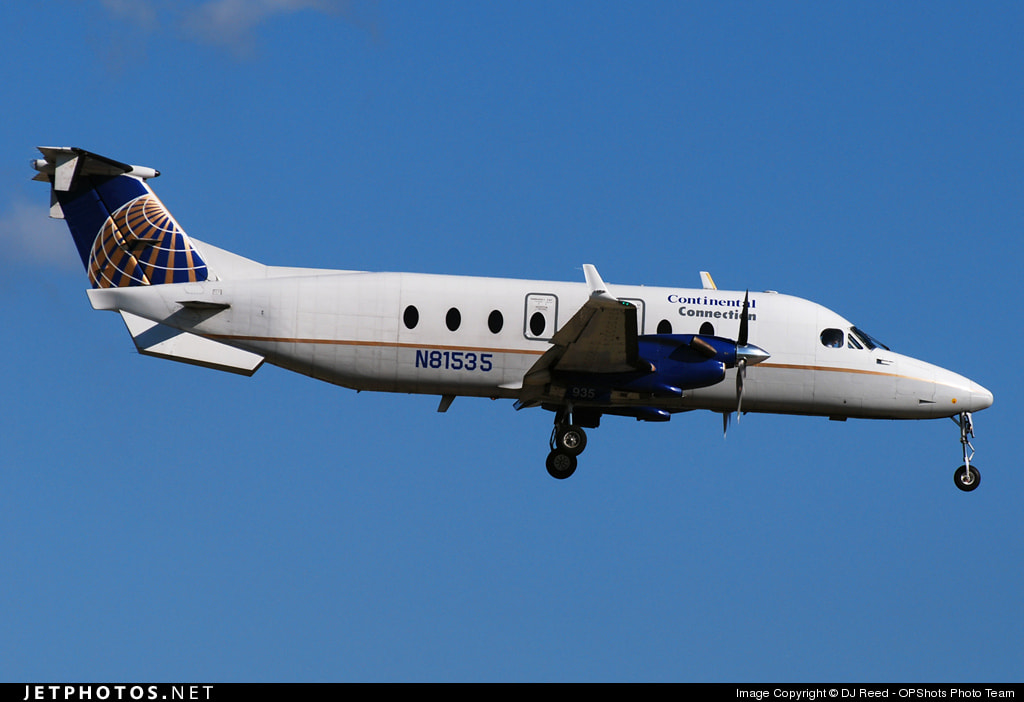
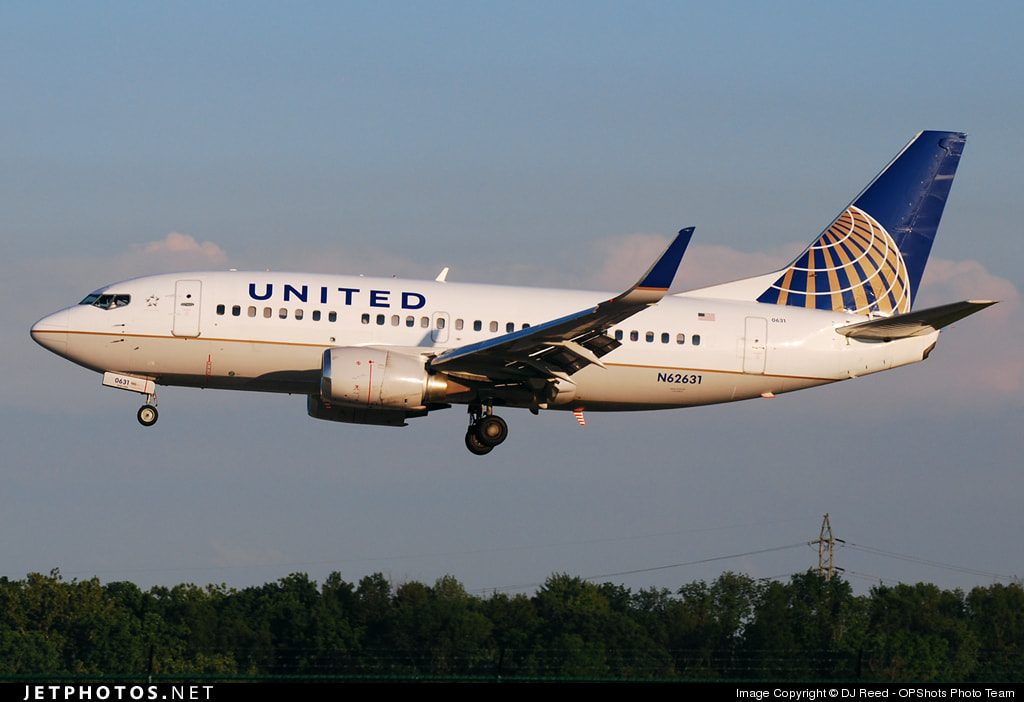
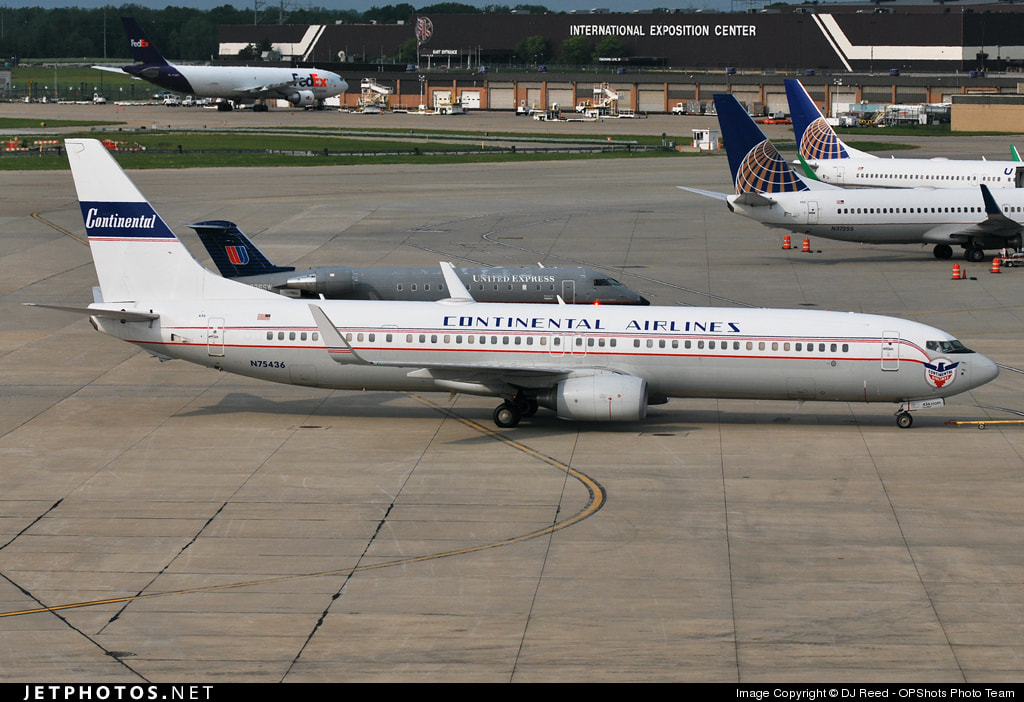
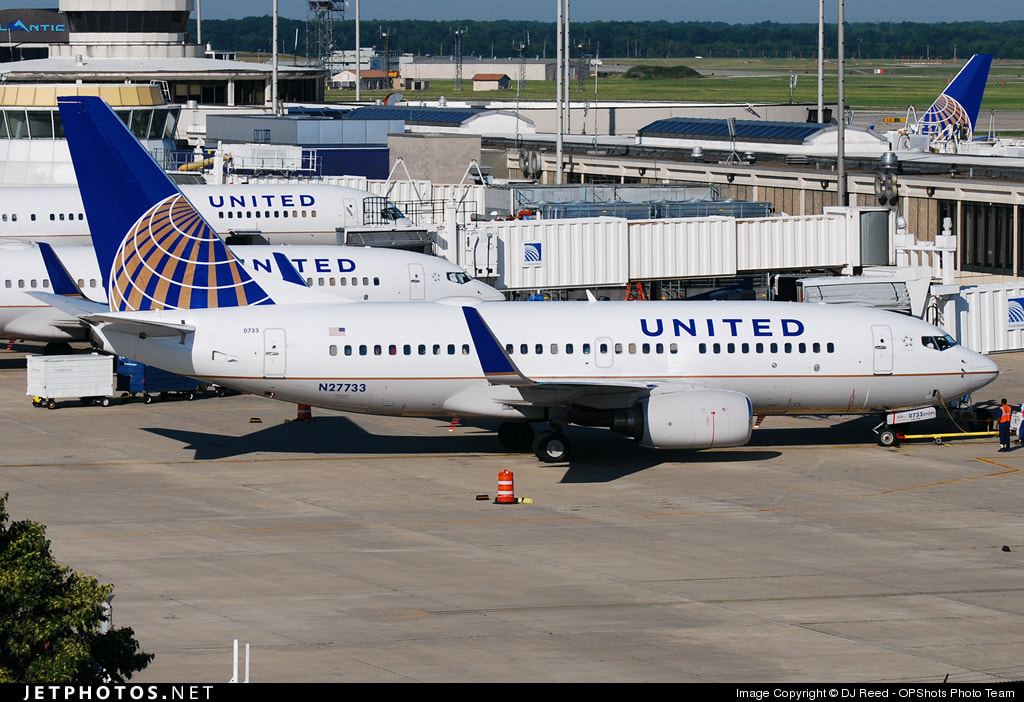
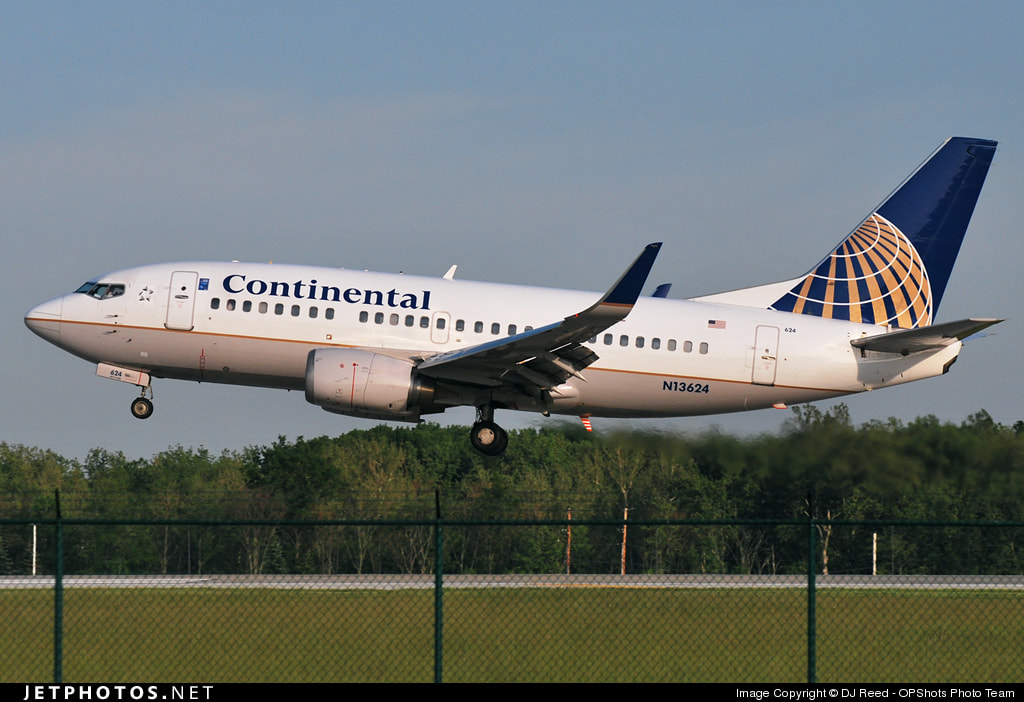
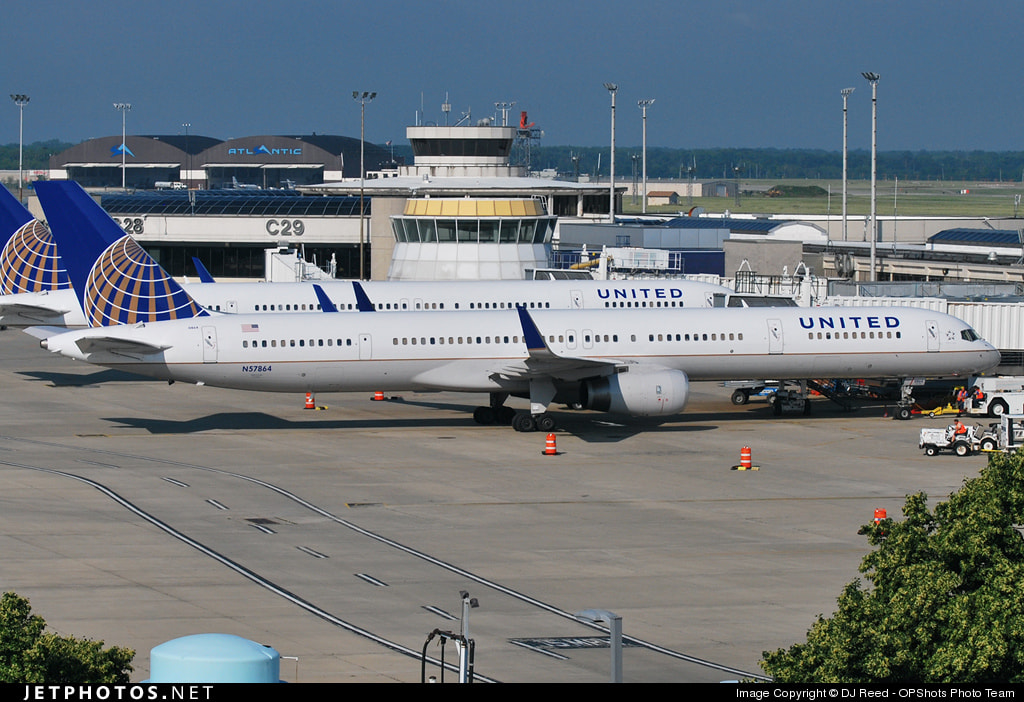
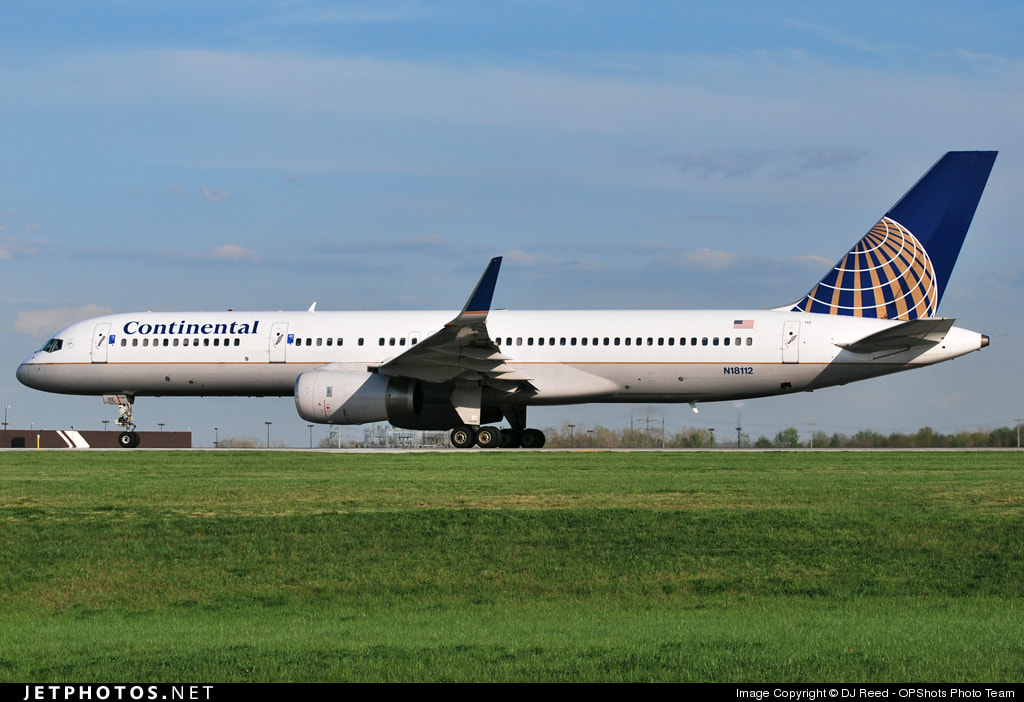
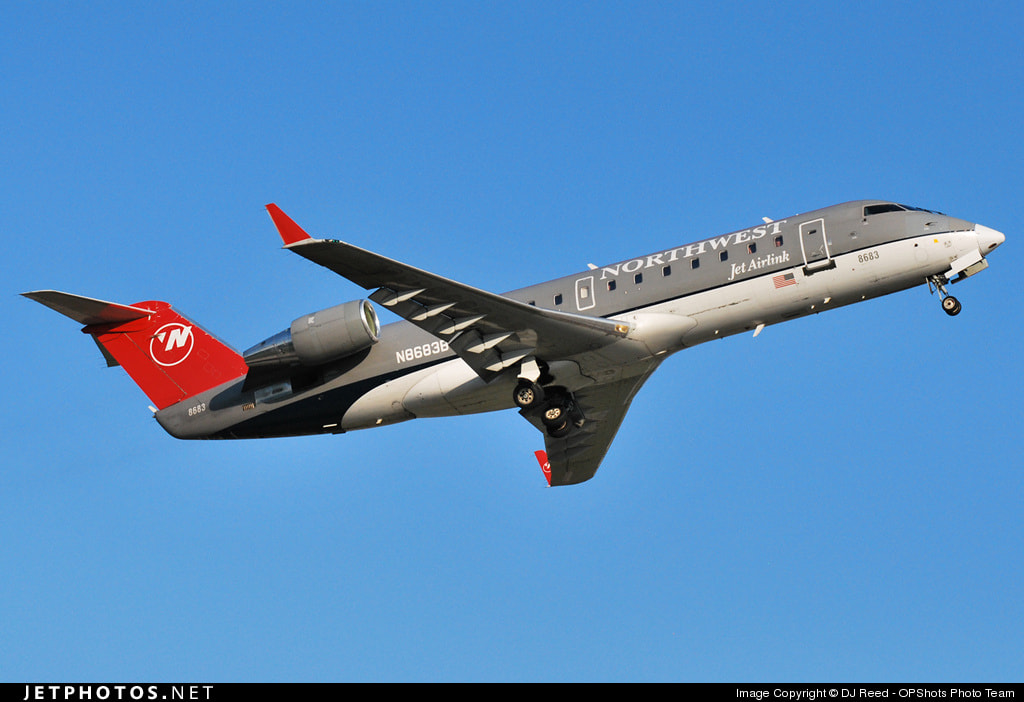
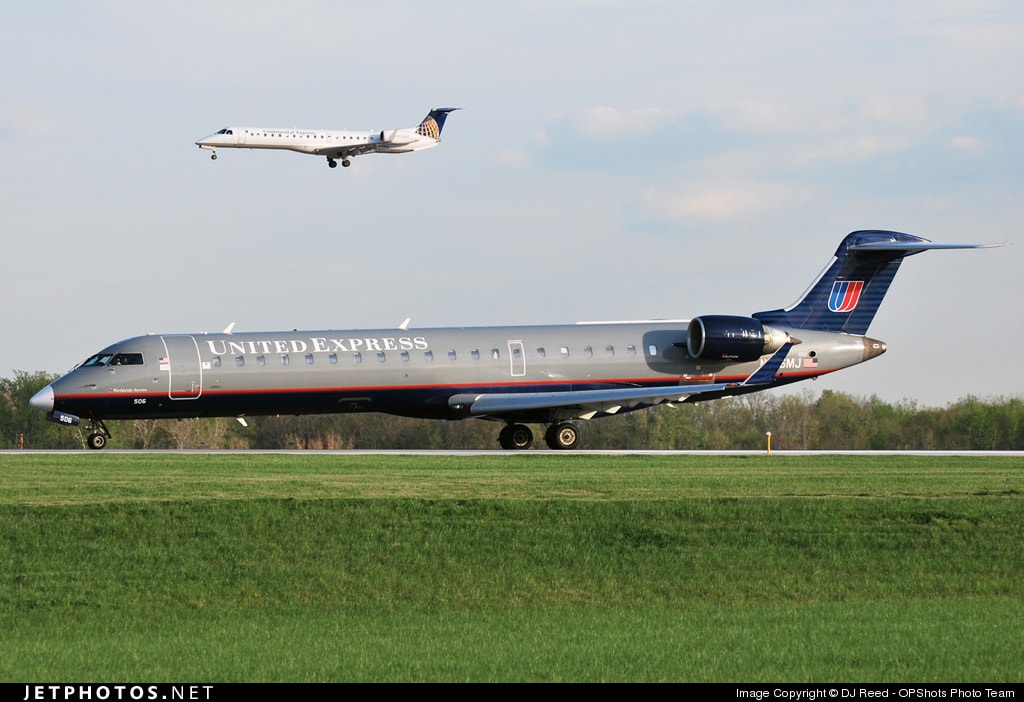
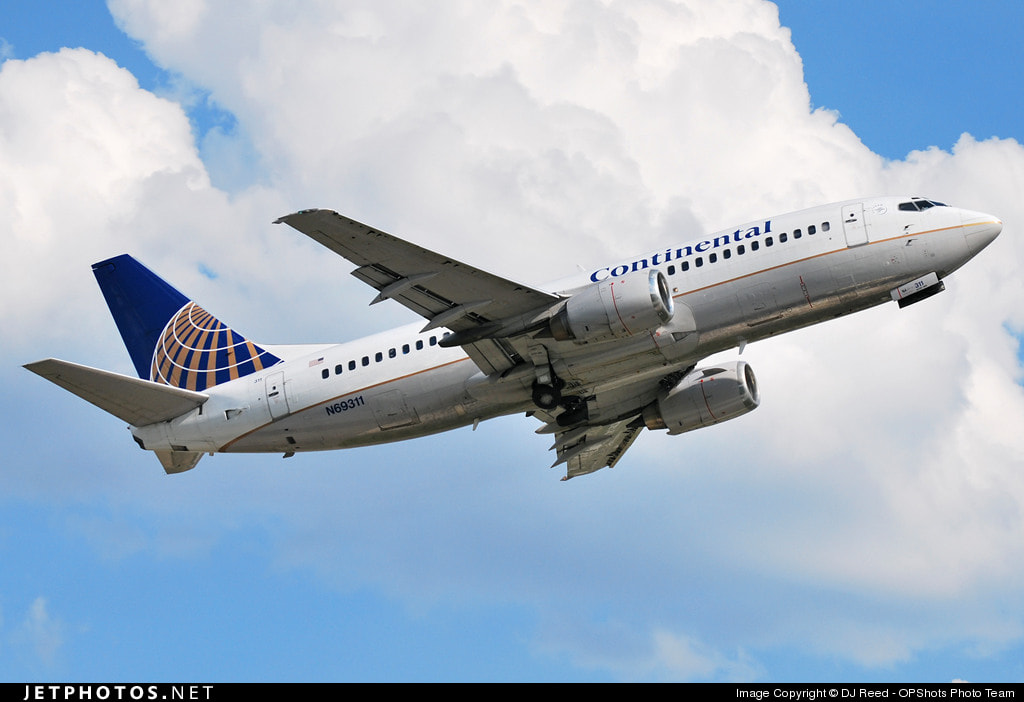
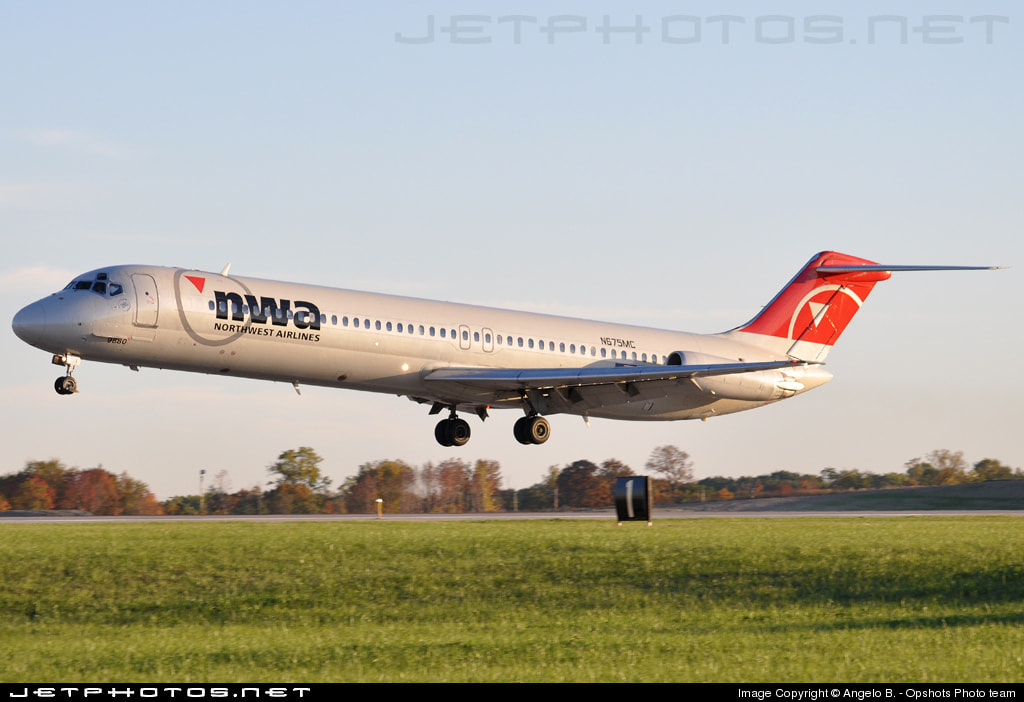
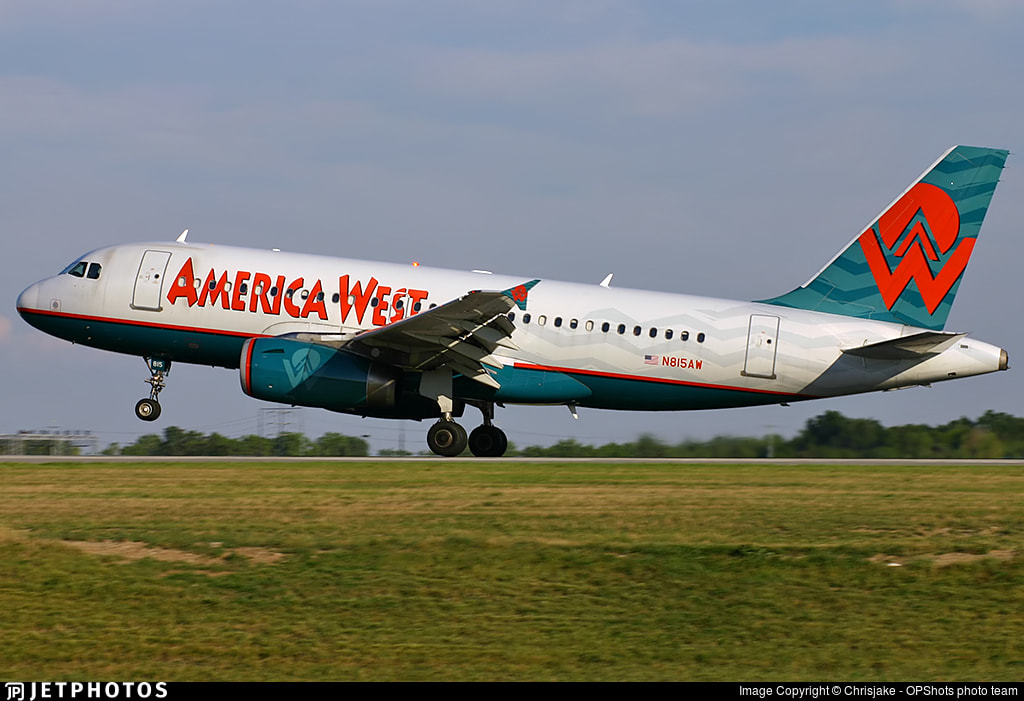
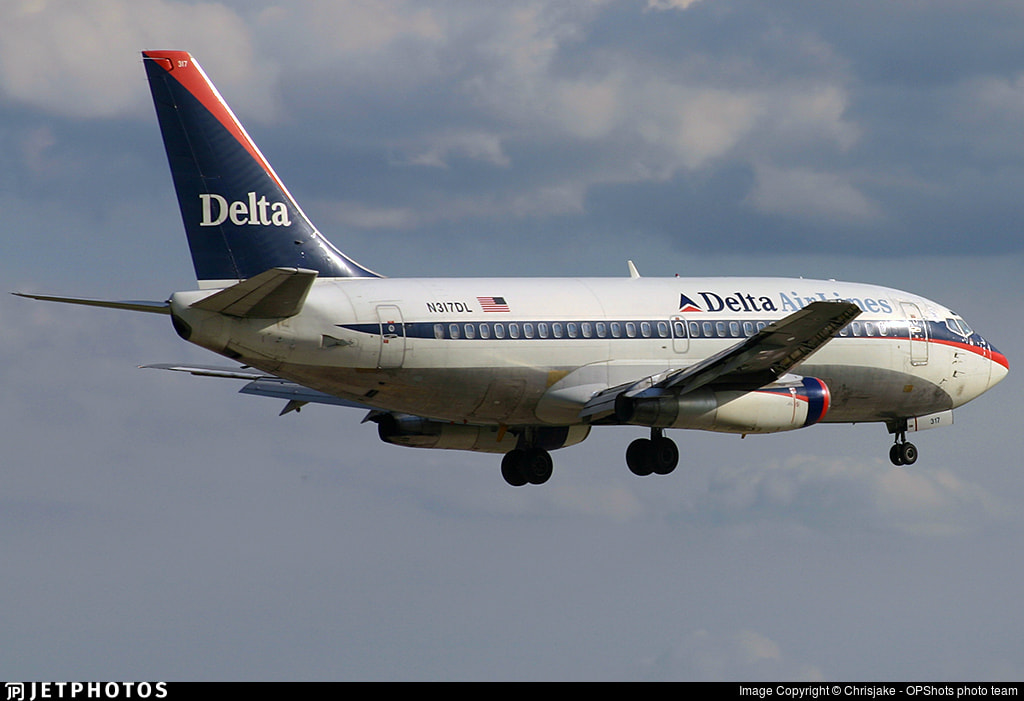
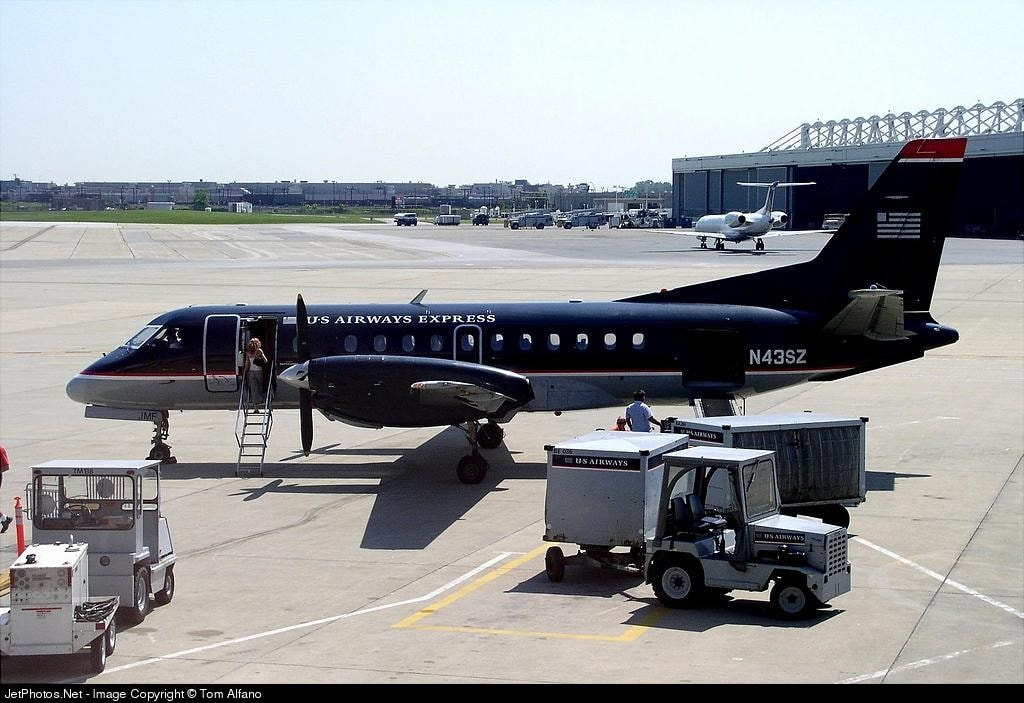
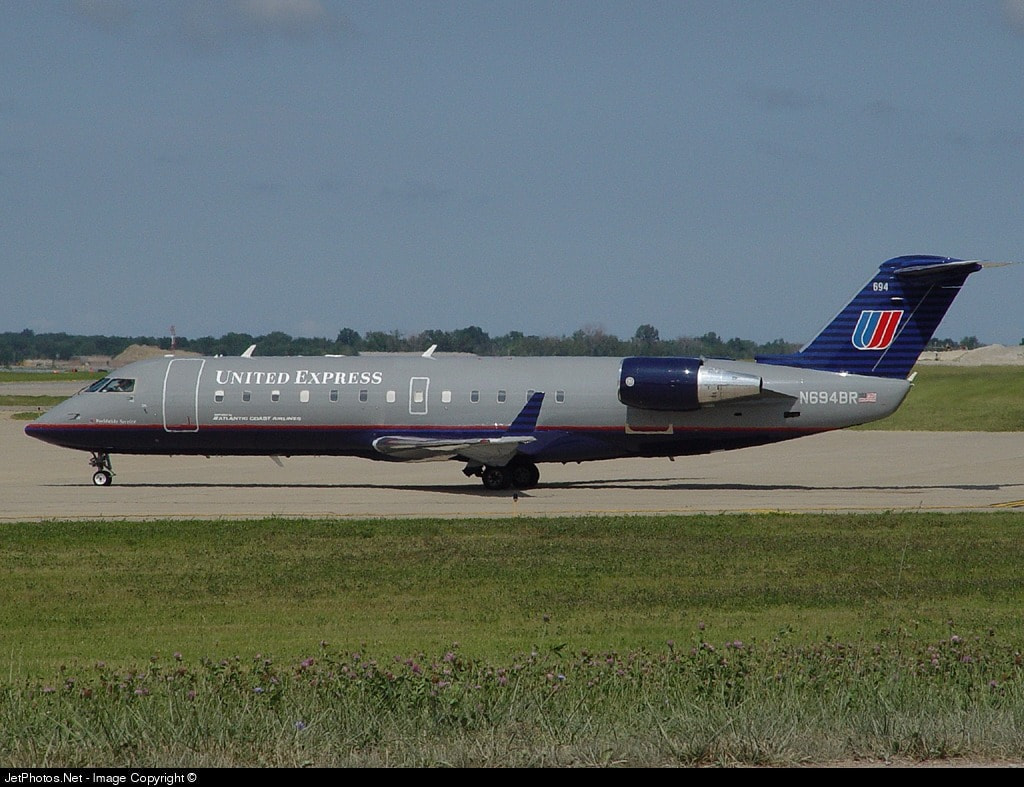
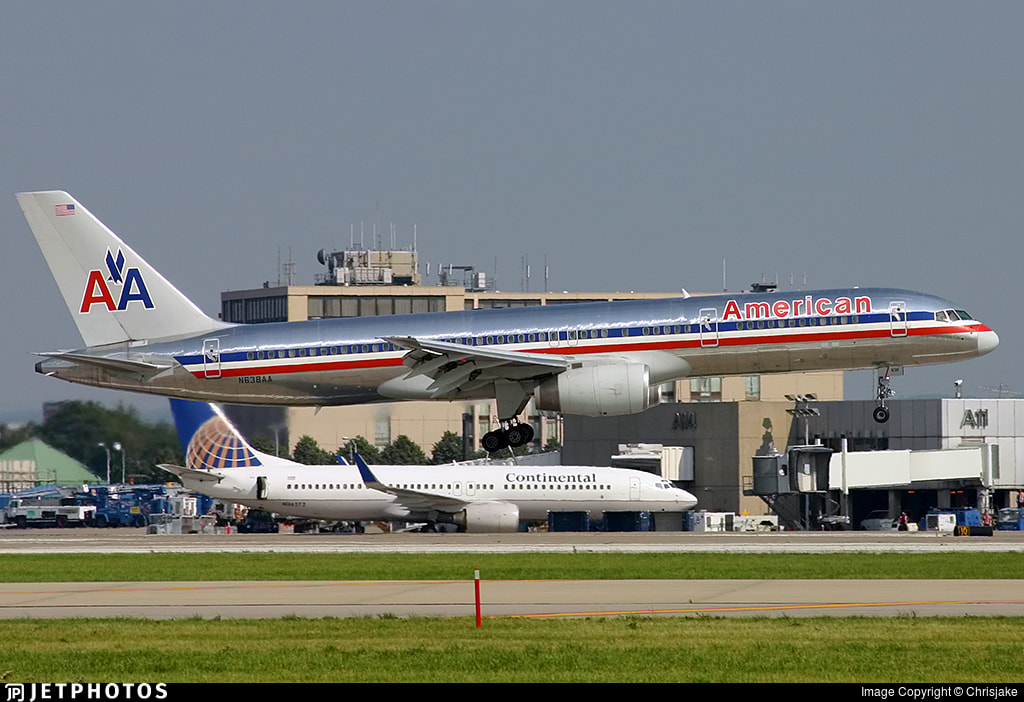
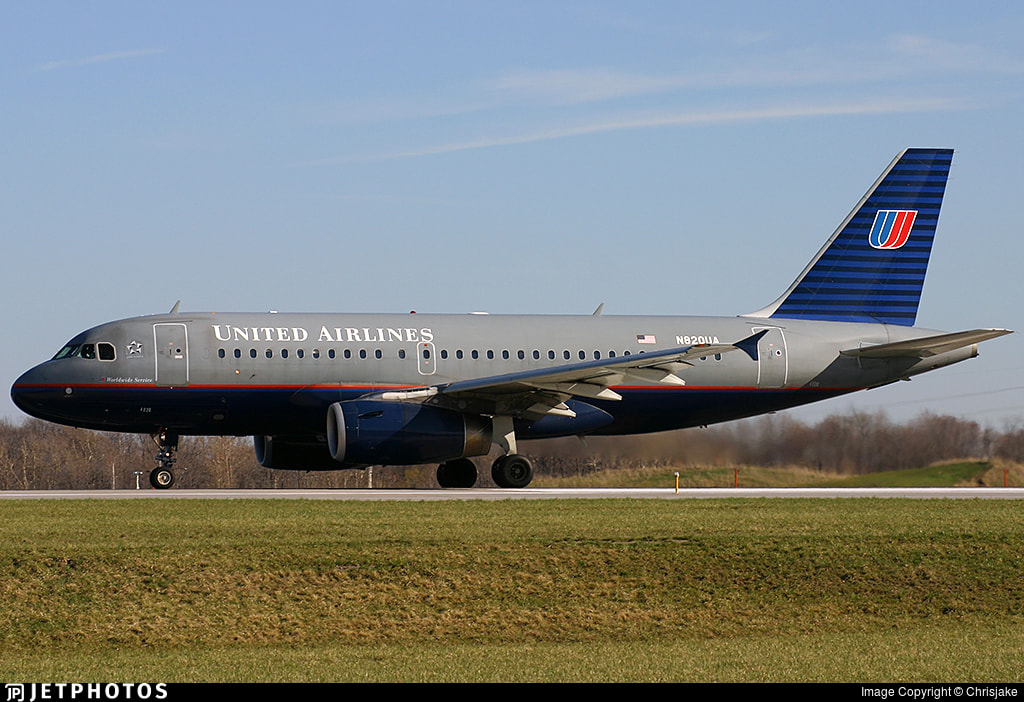
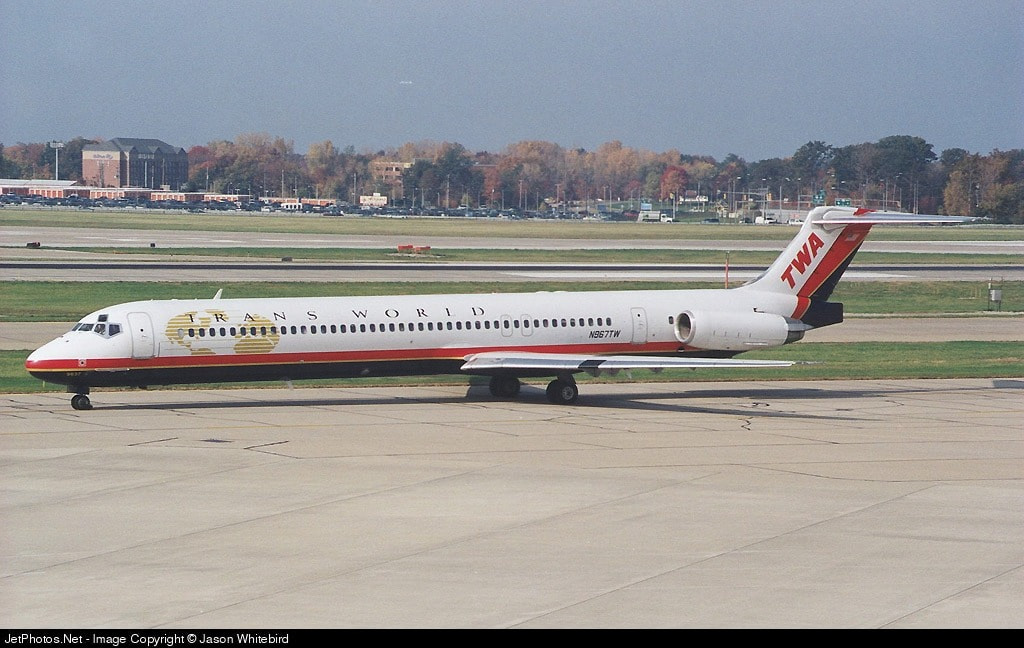
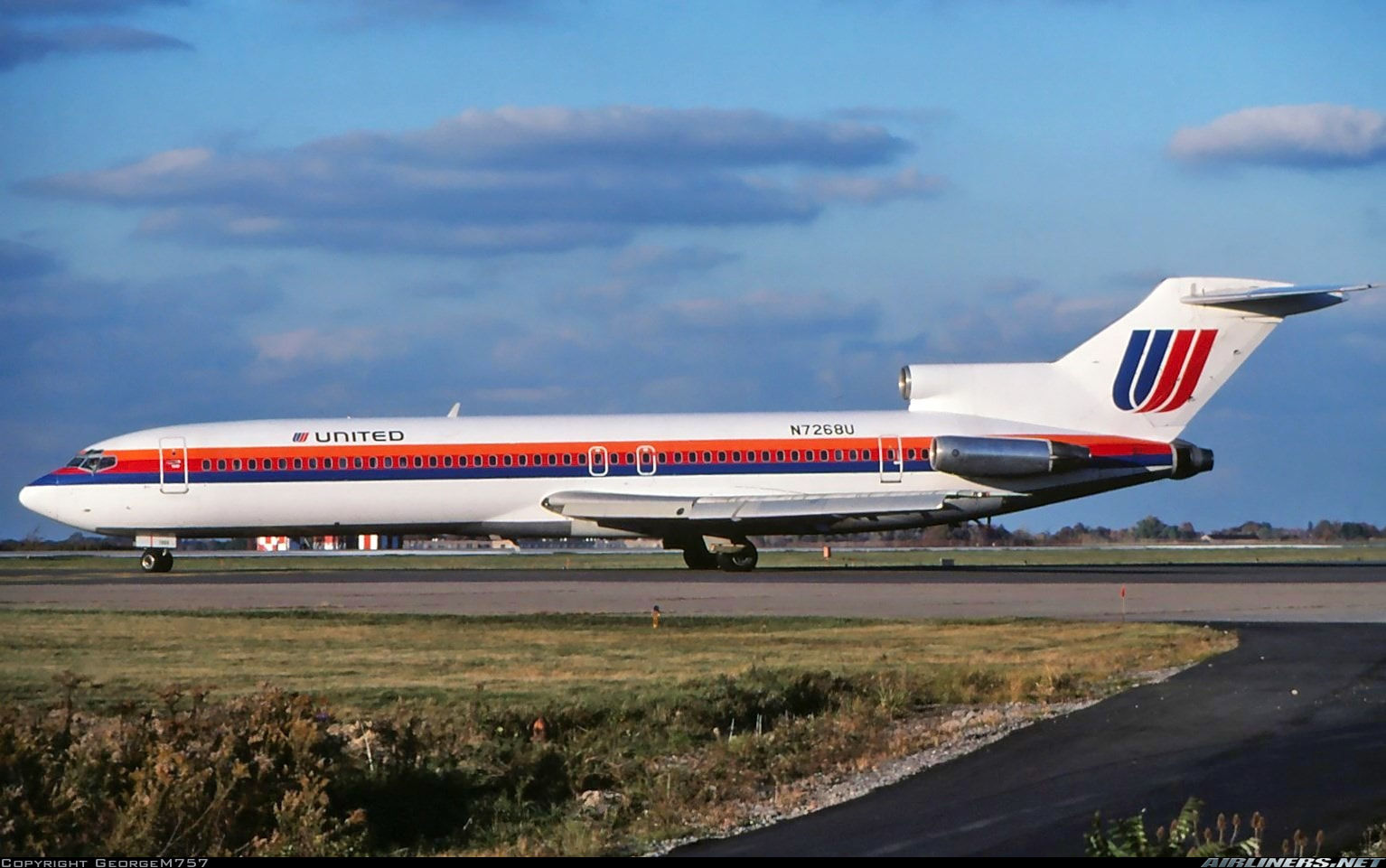
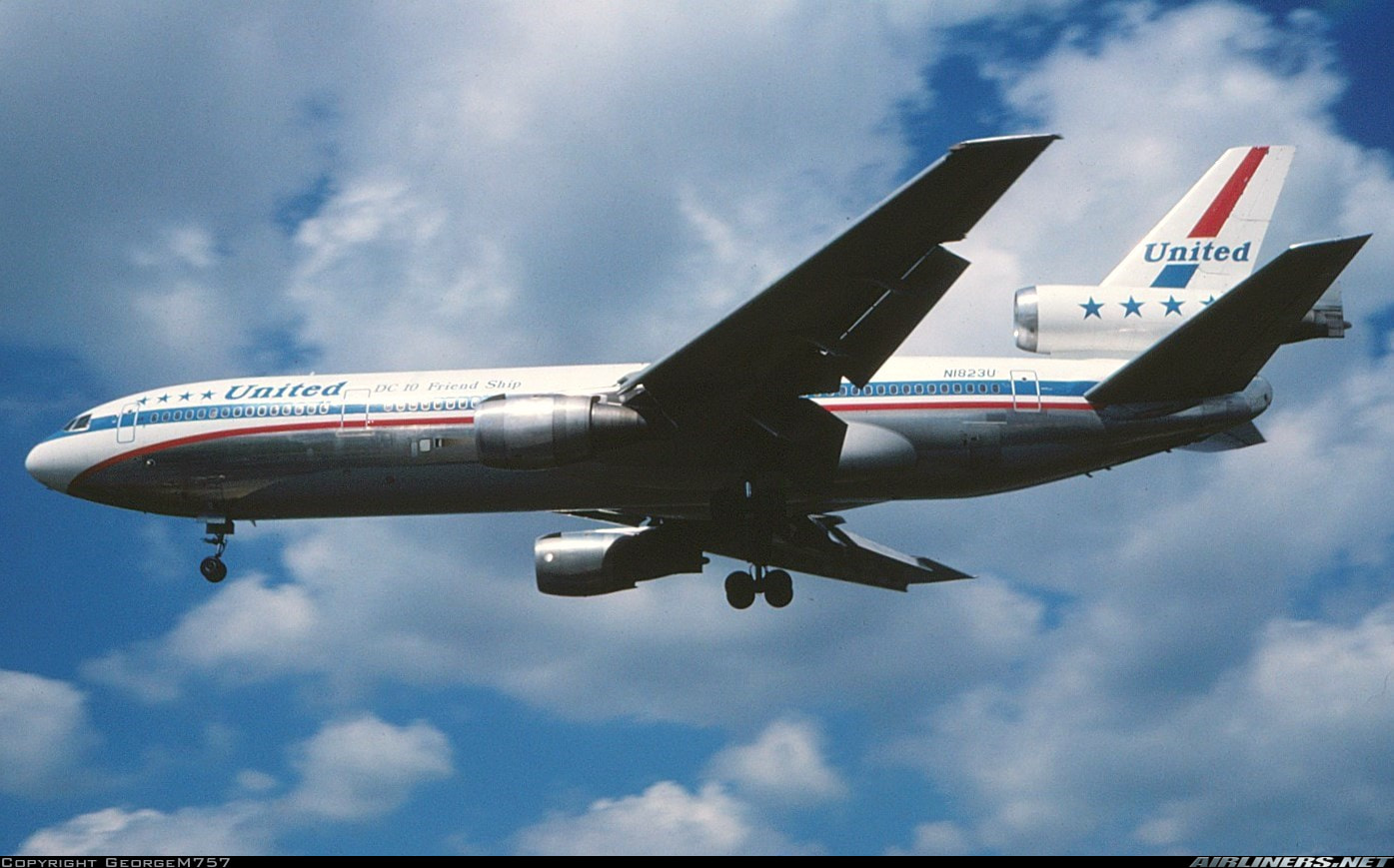
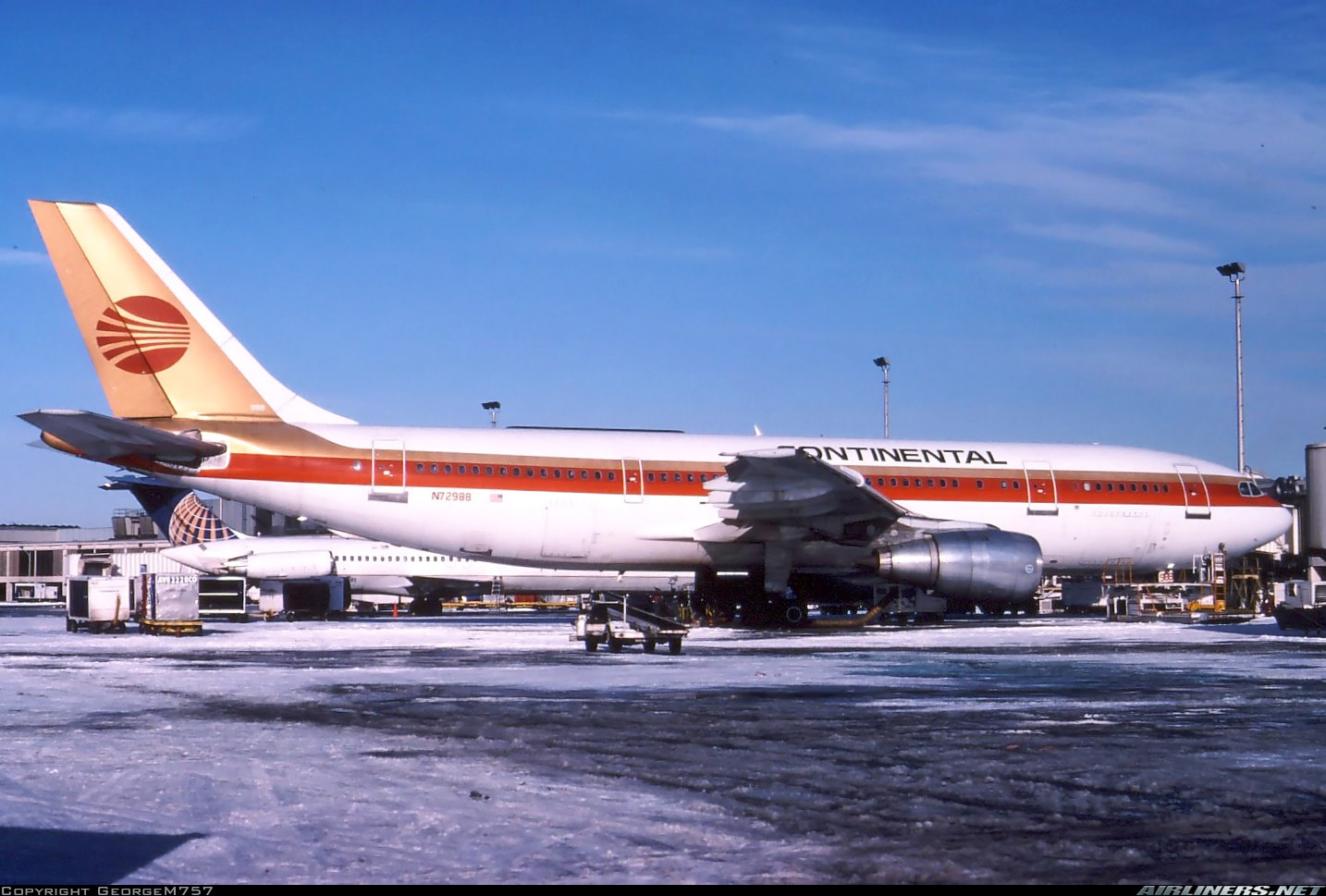
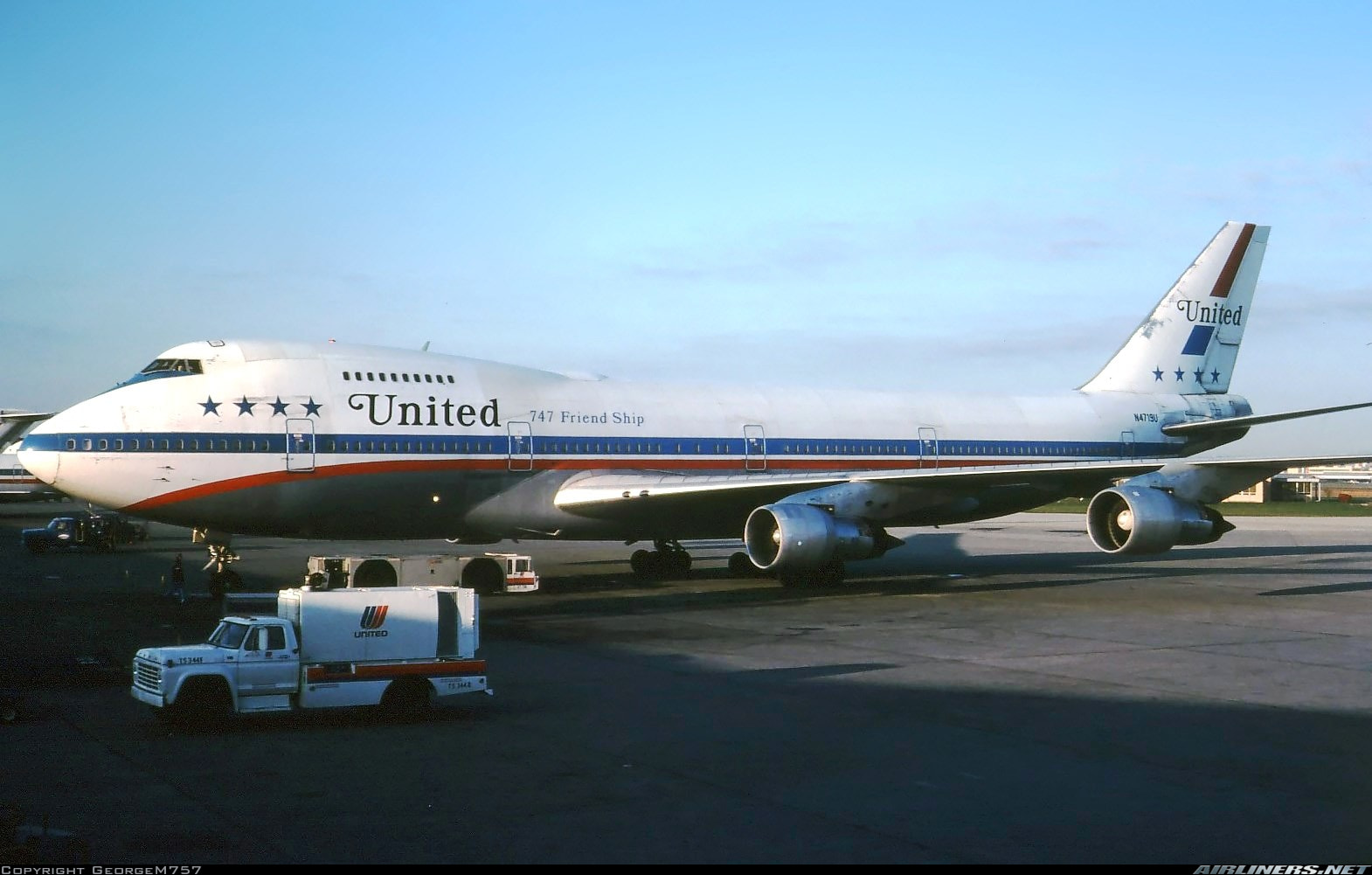
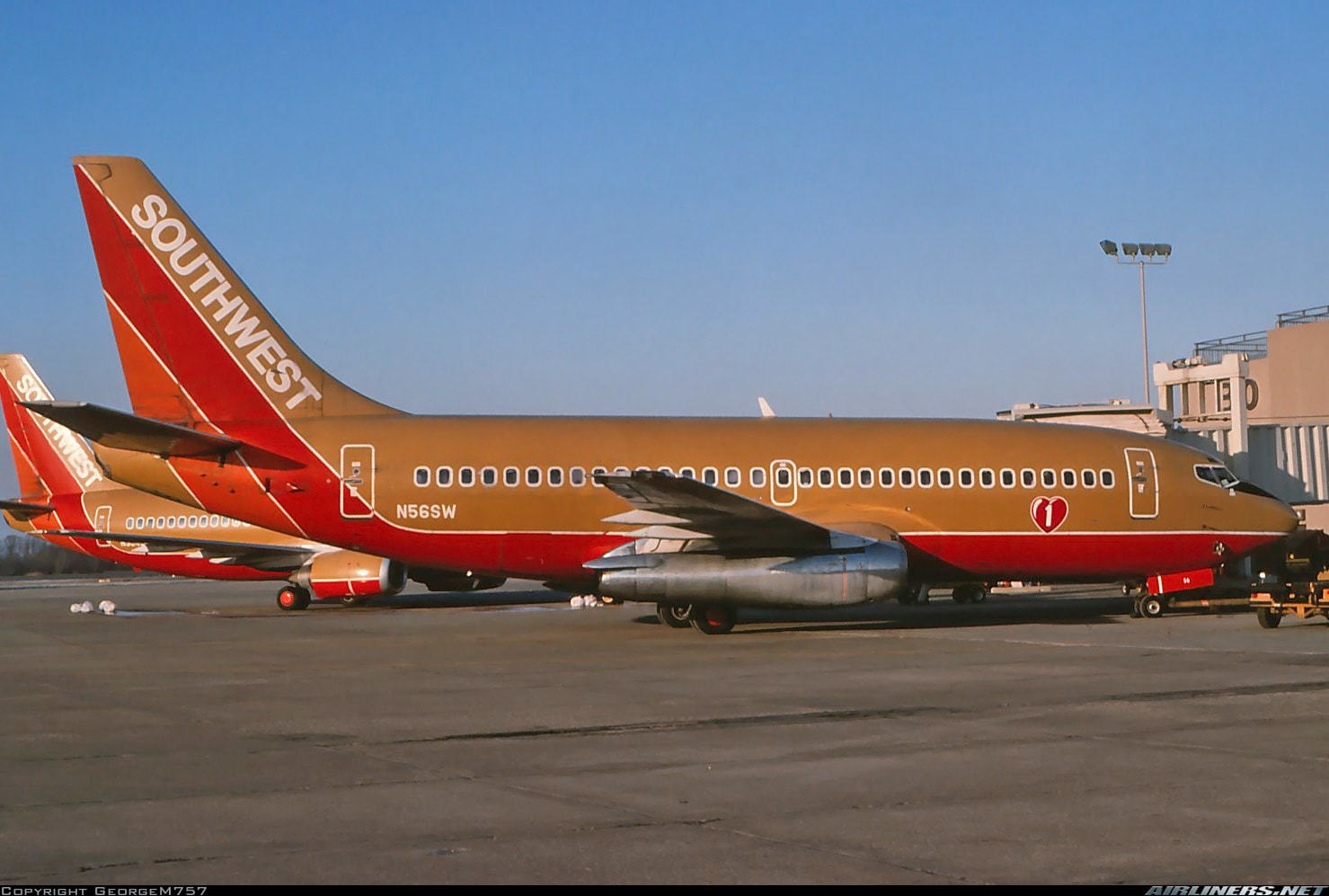
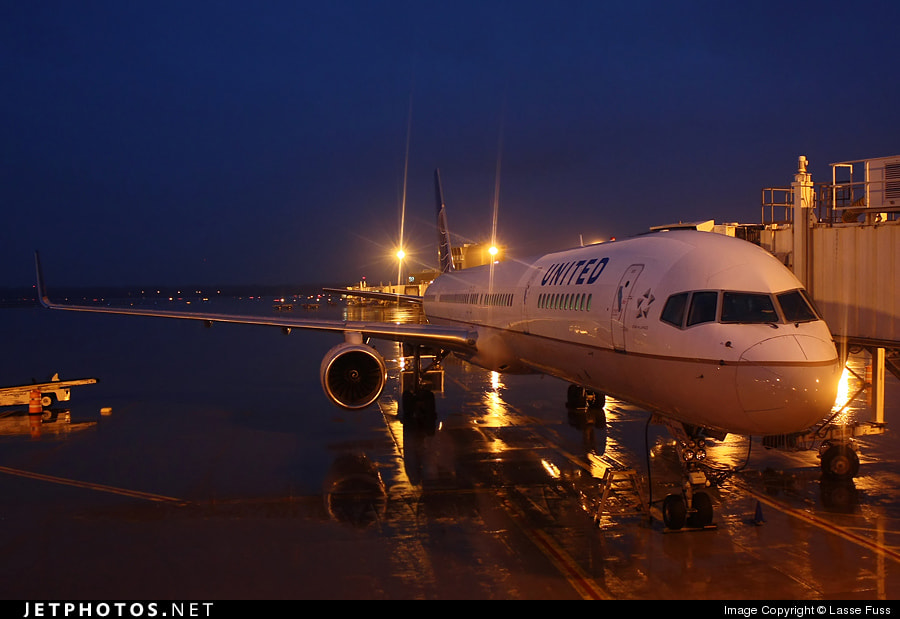
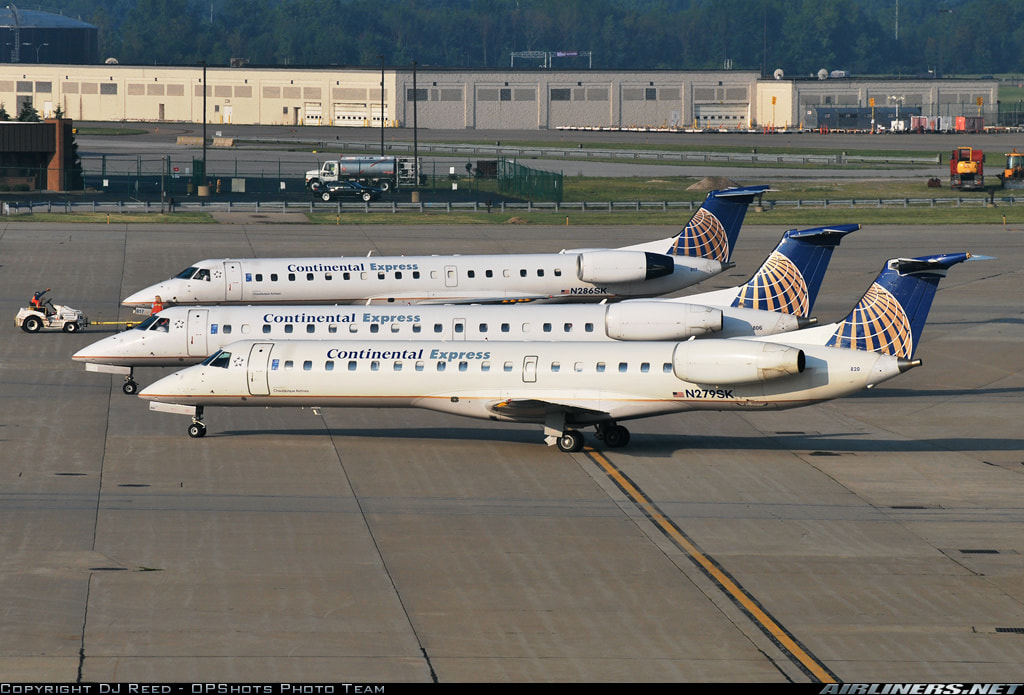
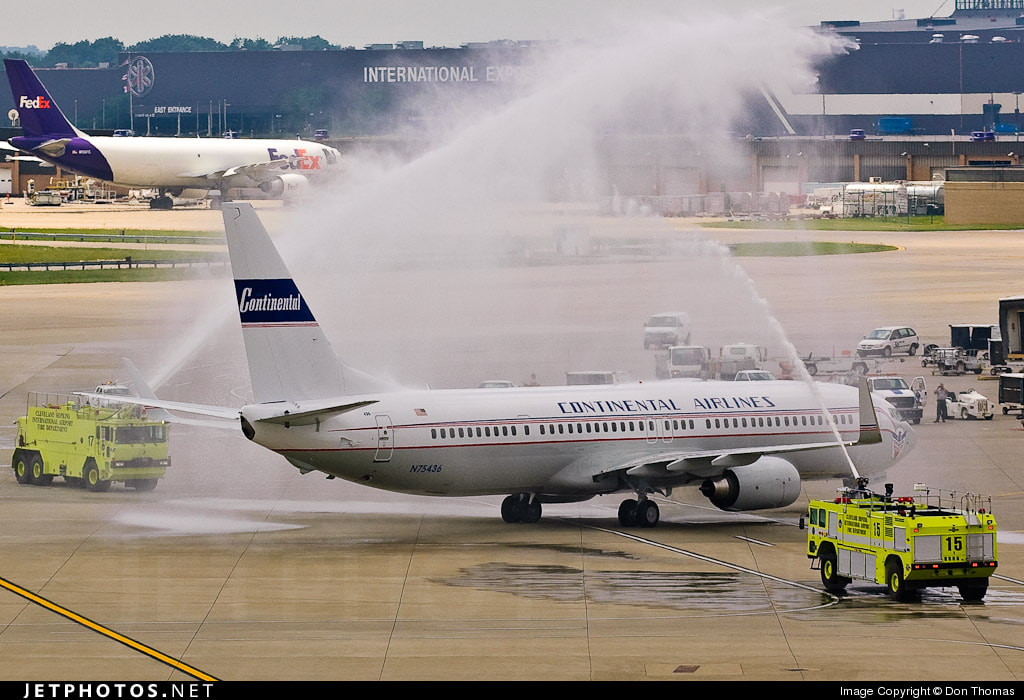
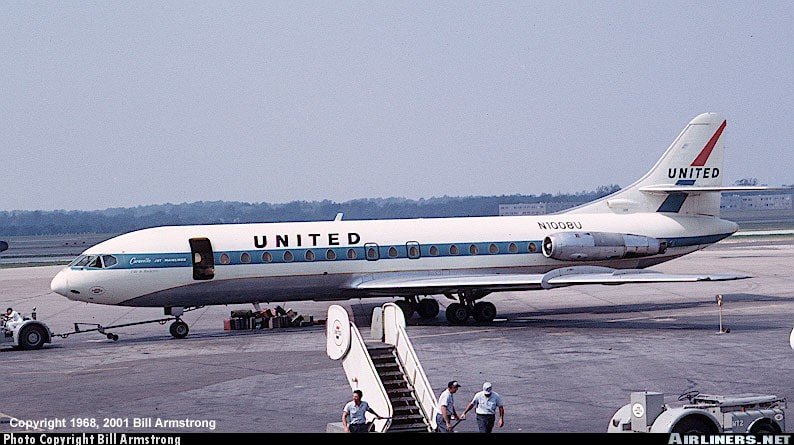
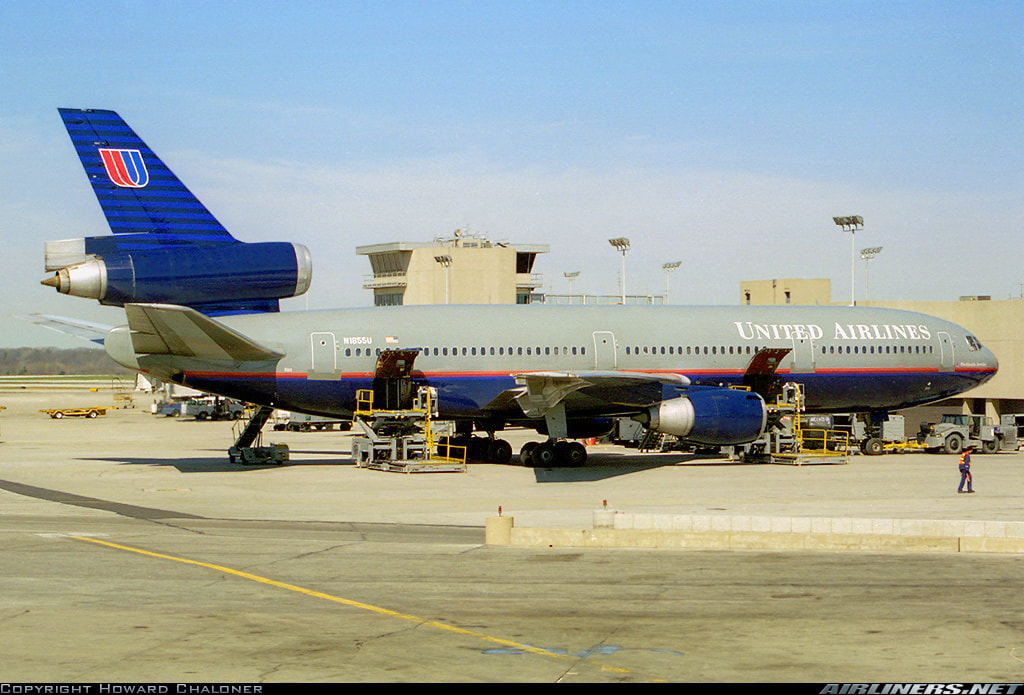
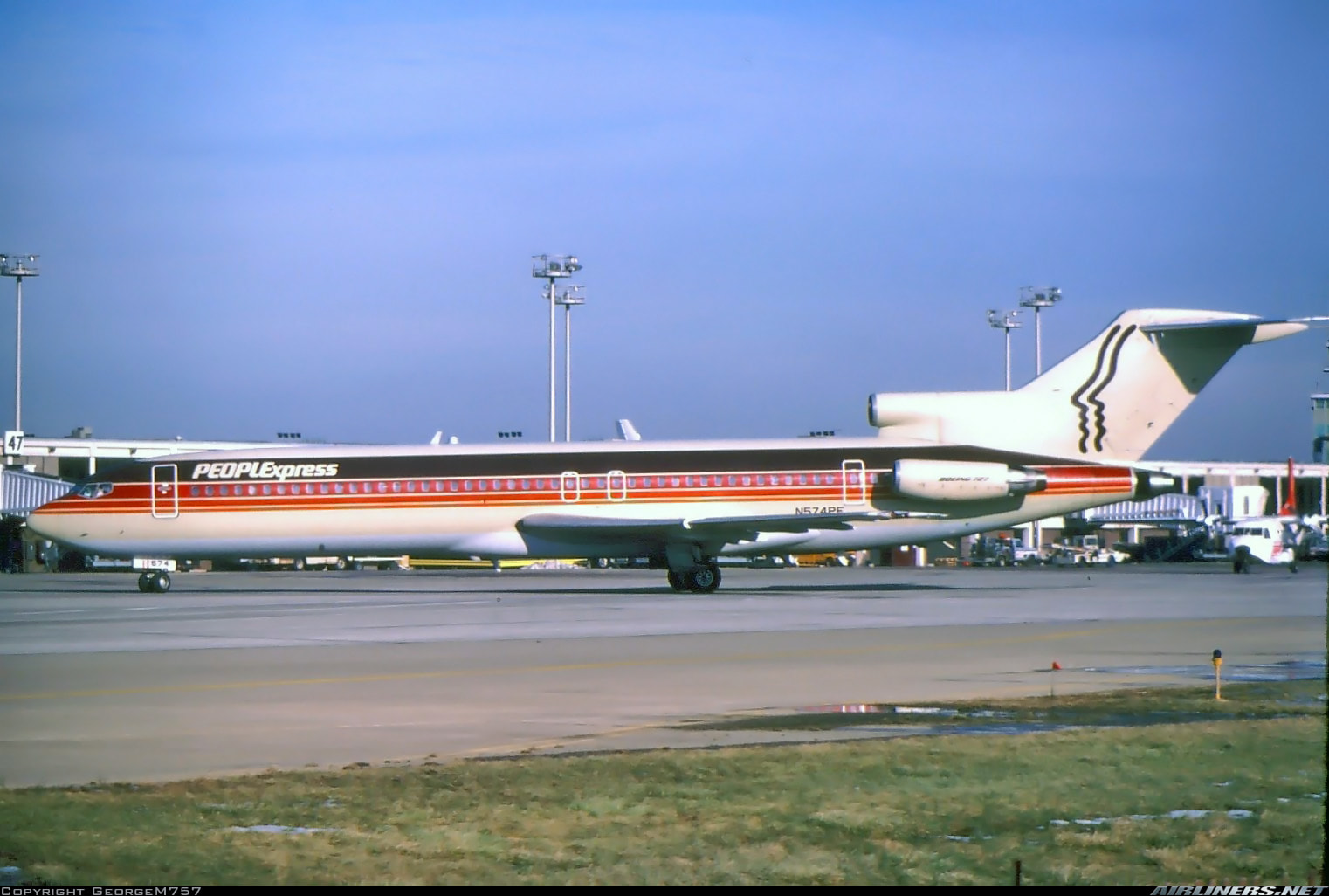
Continental Airlines/Express, United Airlines/Express - former hubs at CLEDespite United relegating its hub status from the airport, it does still maintain a significant presence in terms of flights, so I’d probably anticipate them to theoretically be locals of this airport - same could possibly go for Continental, who ceased operations in 2010, allowing them to be normal contracts for this airport.
Historic Airlines/Routes
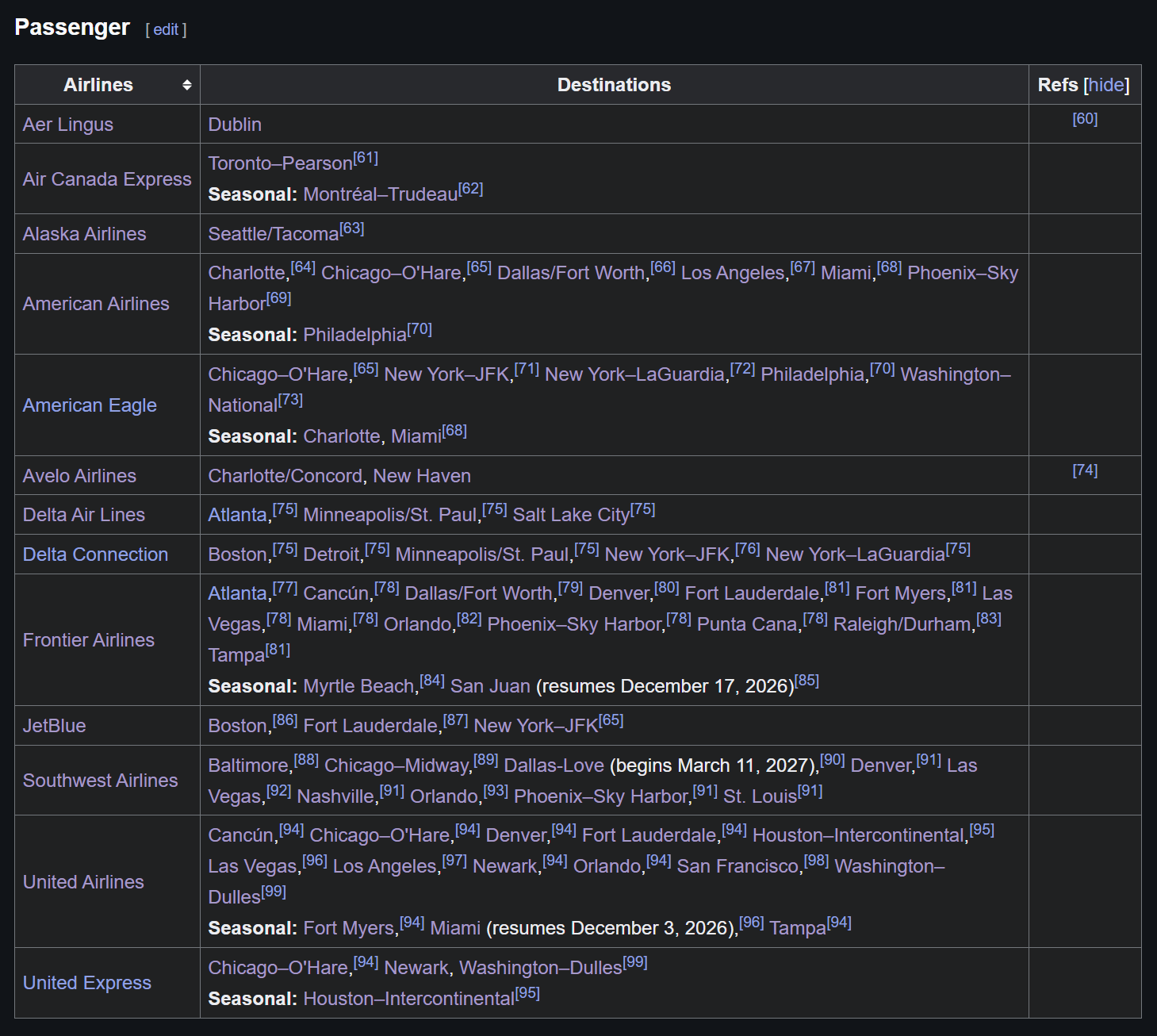
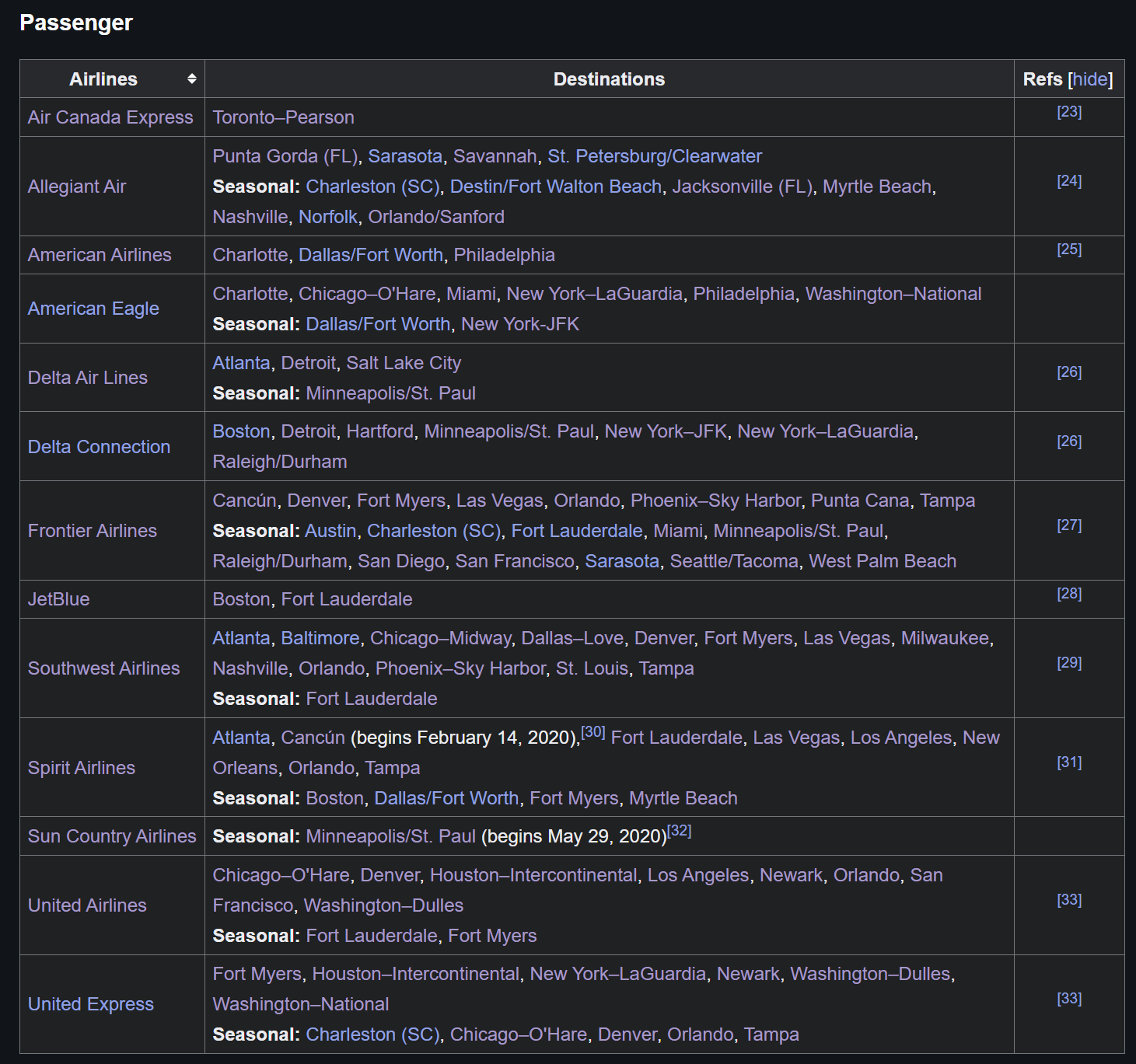
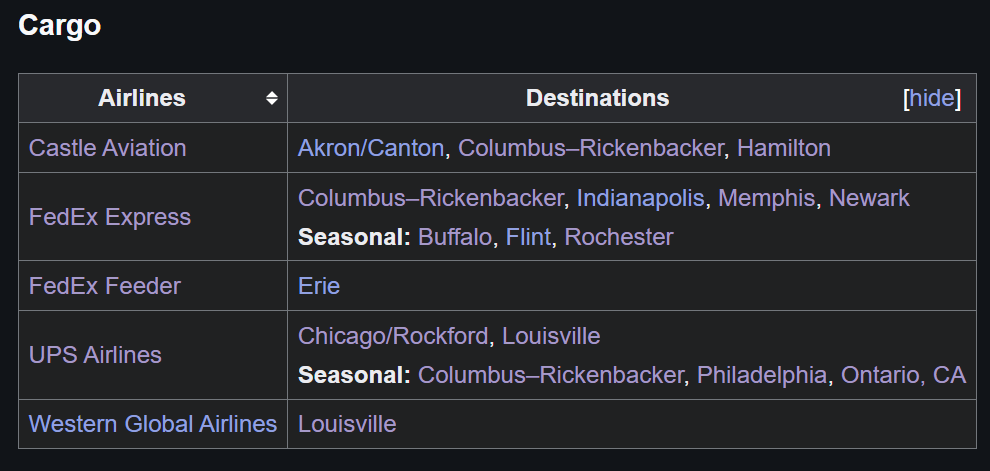
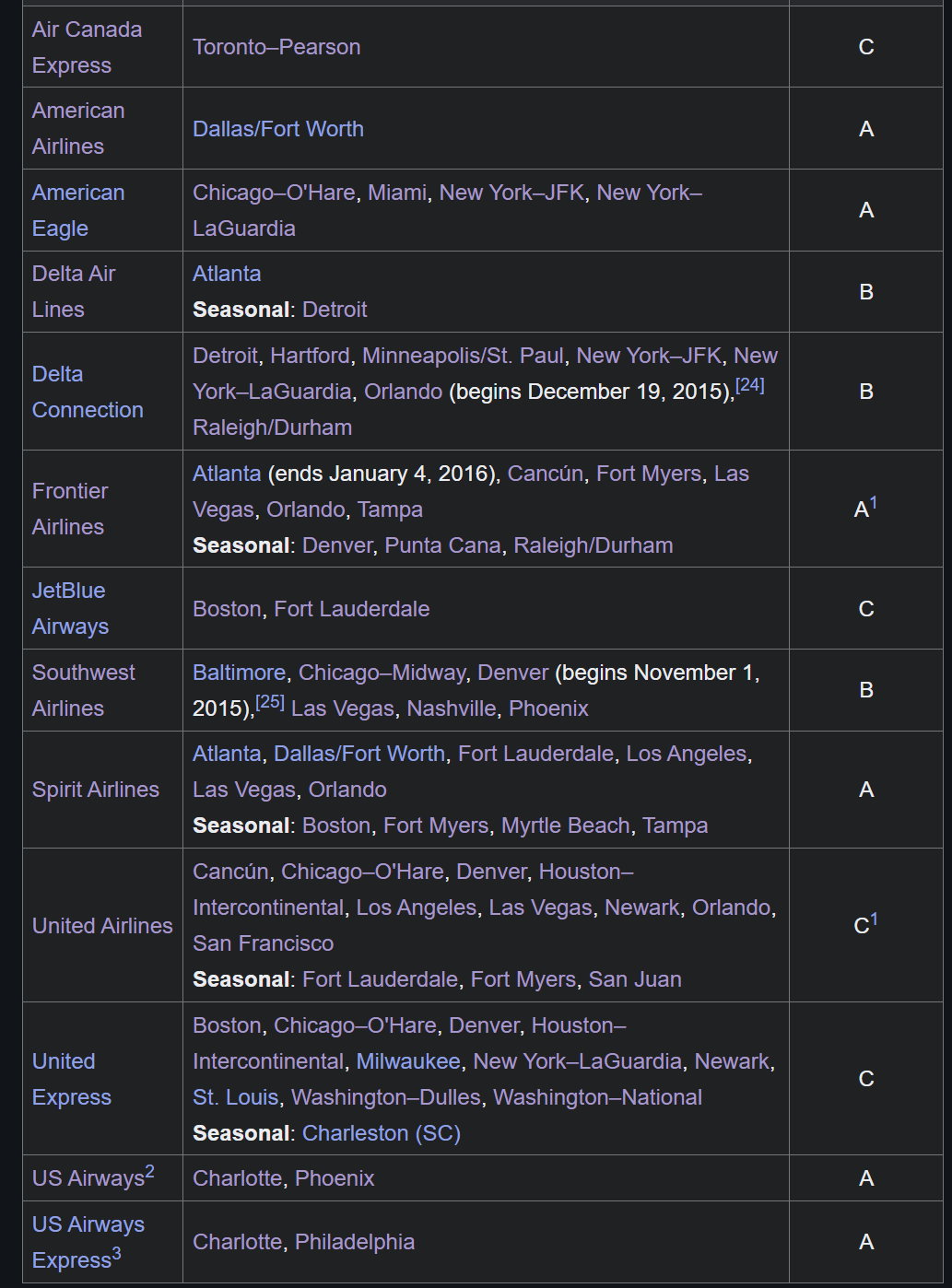
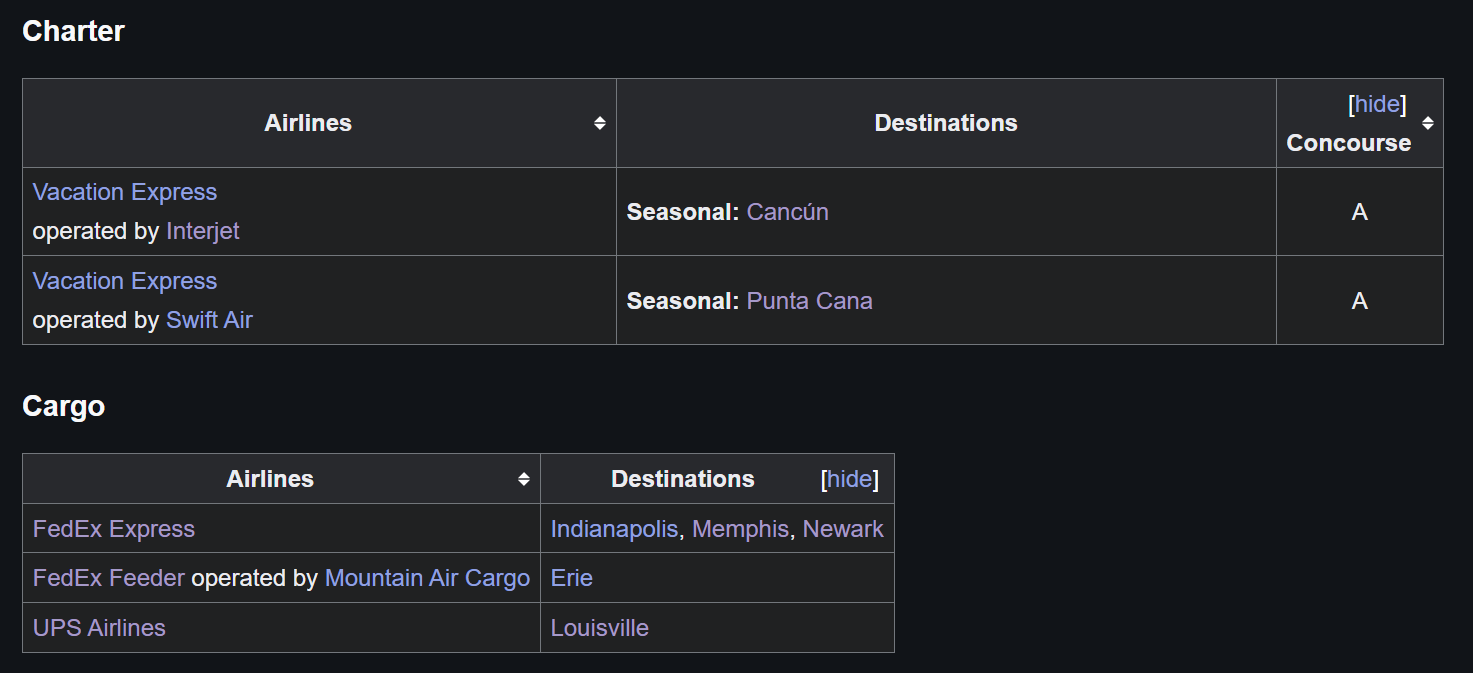
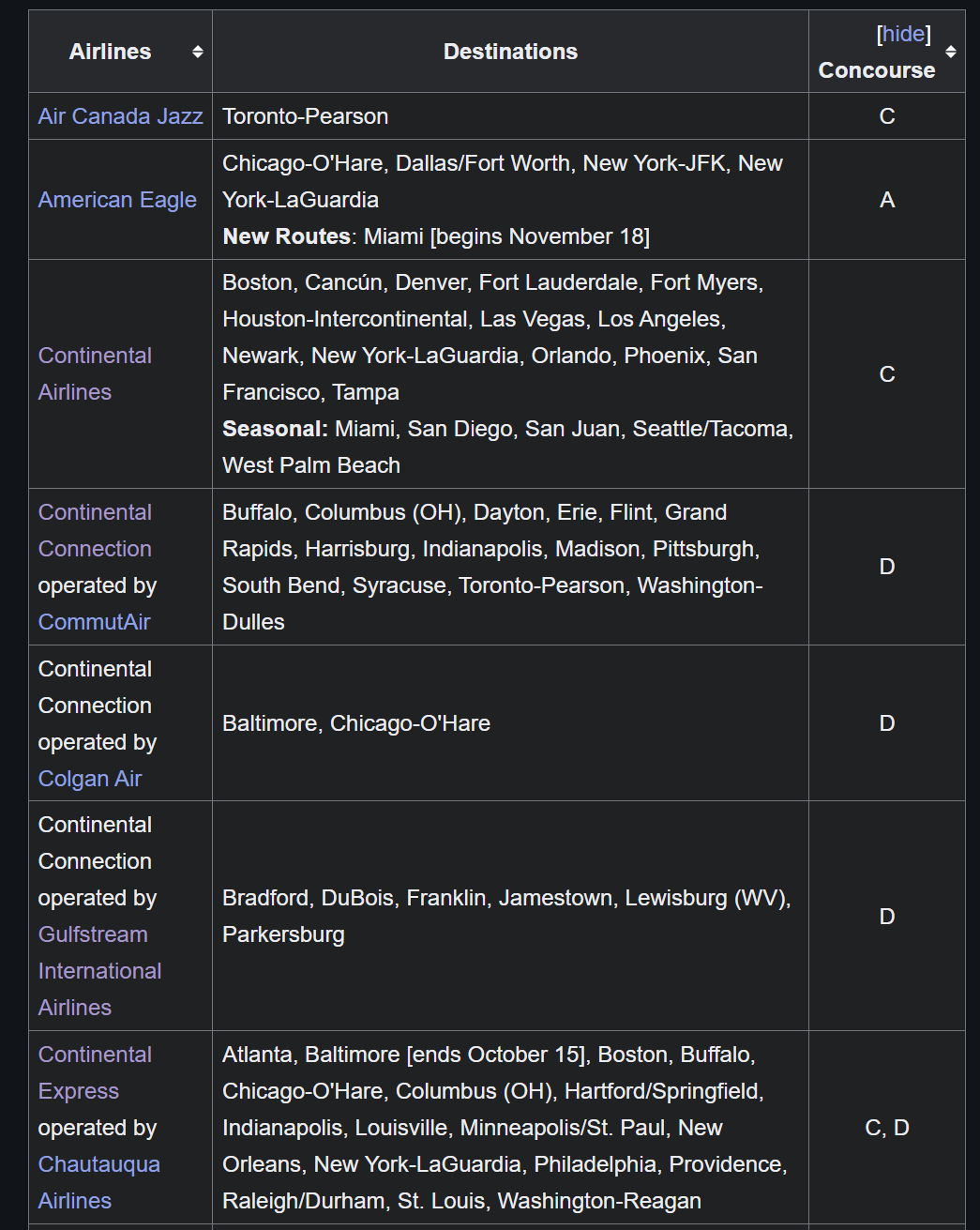
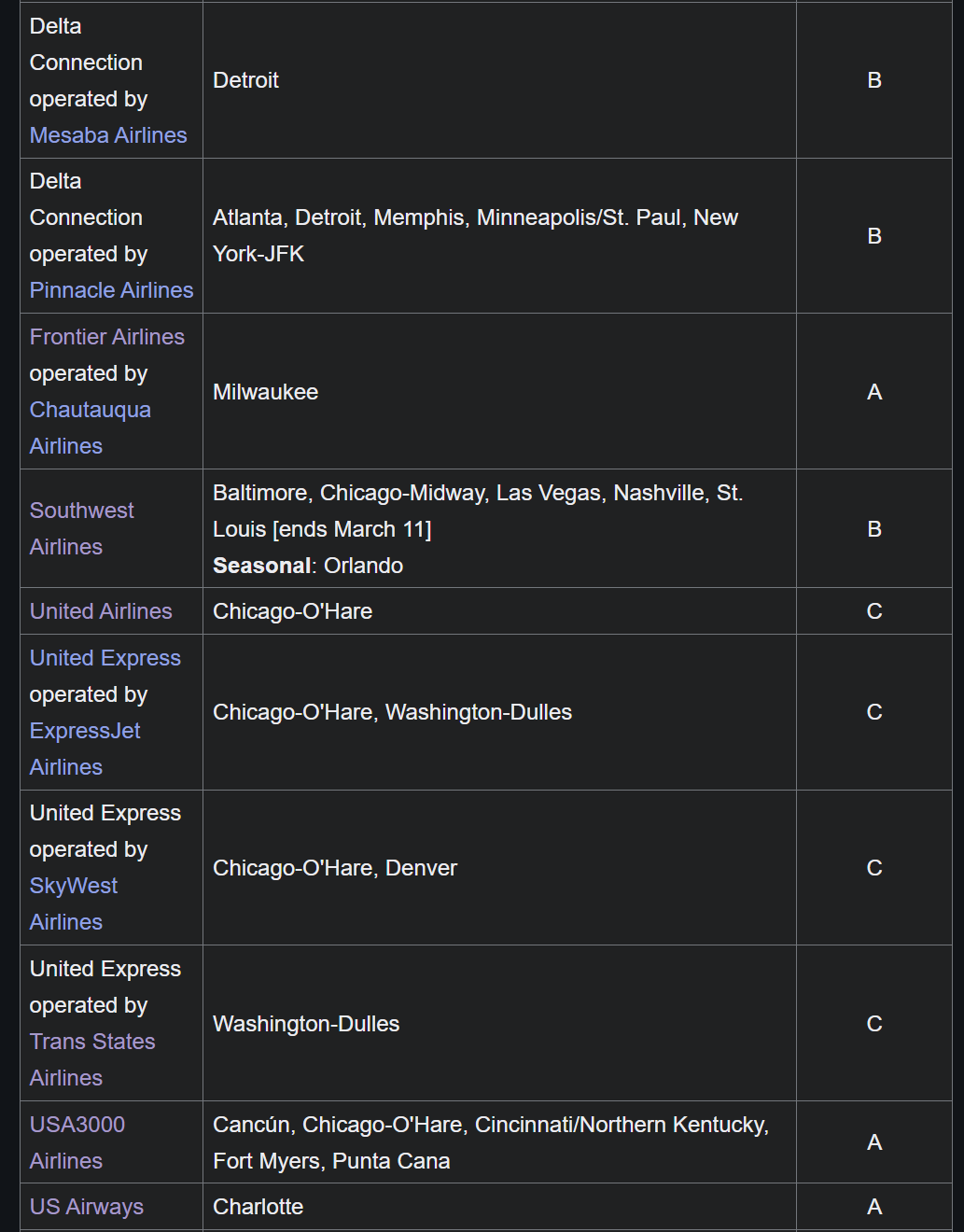
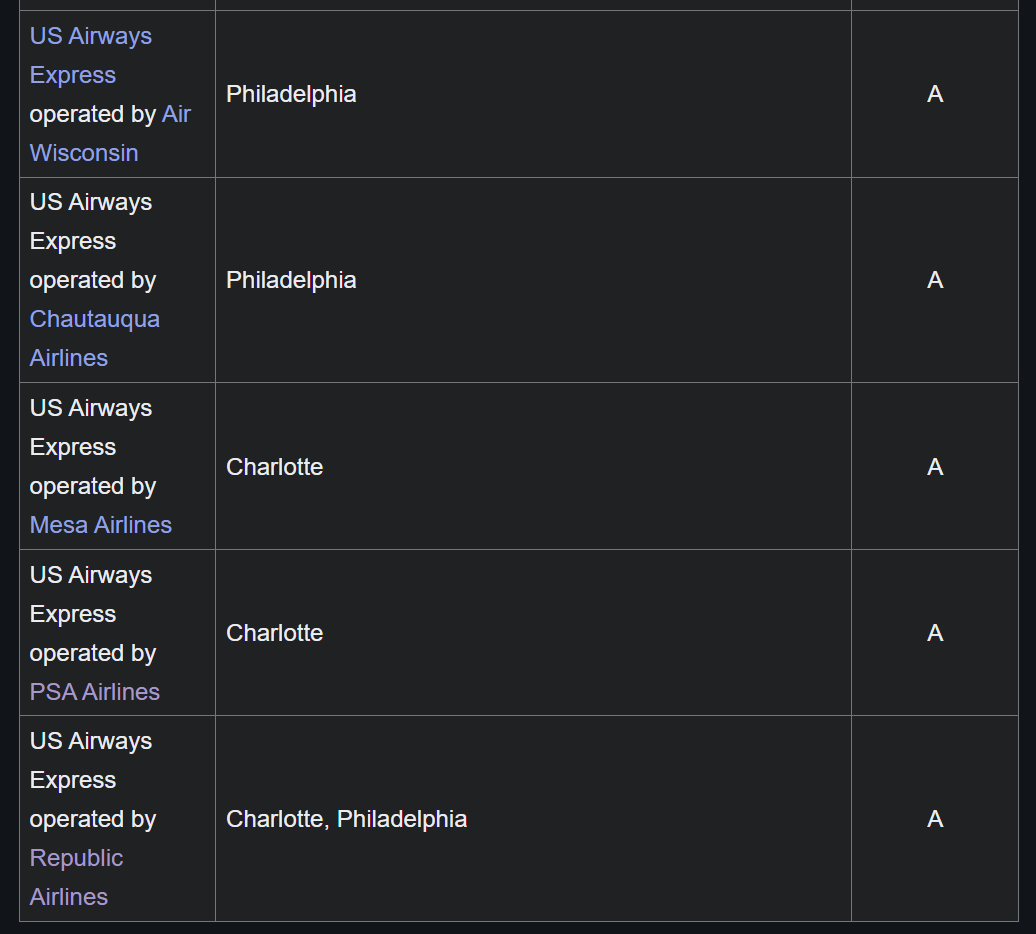
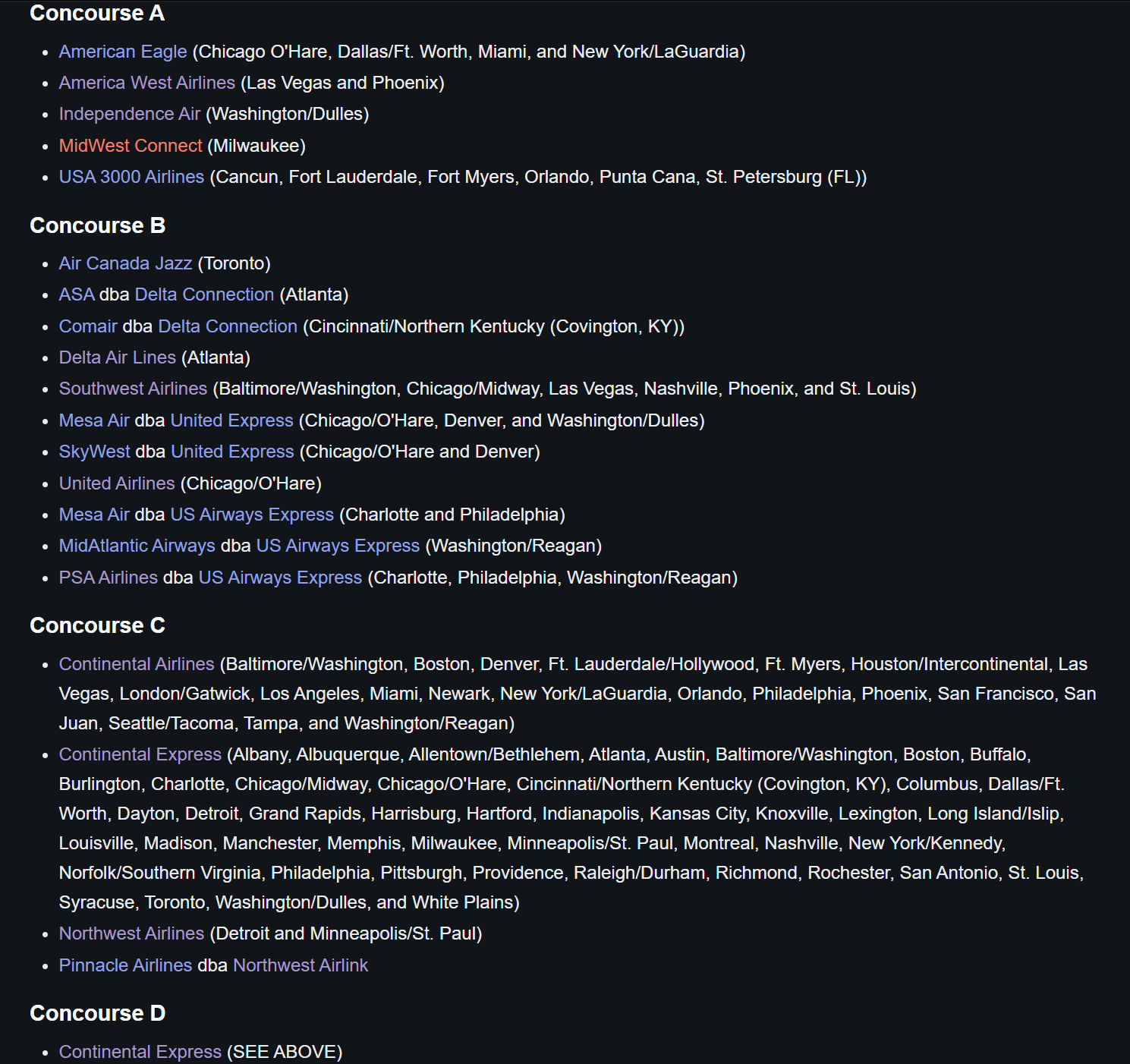
(The following tab is a collection of images displaying routes/airlines listed by Wikipedia over the years for this airport, with revision dates provided for context.)
January 11th, 2020 revision:
October 14th, 2015 revision:
(Sorry if it’s a bit short on space/cropping here - the tabs of letters on the right represent the concourse an airline served.)October 15th, 2010 revision:
July 2nd, 2005 revision:

Unique Features or Challenges
When it comes to unique features and challenges:First, the layout and design of the airport. Unique to any other airport in the US currently, it does bring some new challenges. For starters, I don’t believe the parallel runways allow for independent operations due to their proximity, and the terminals do have some very unique shapes to them yet are quite spaced out - I’d expect some long taxi times here and there, or maybe even runway crossings.
Second, the weather conditions - being located in a state within the northern portion of the Midwest (or alternatively, the Great Lakes region), snow is to be expected as a regular visitor throughout primarily the winter months, usually from November to April, during which times de-icing at the airport may come into play.
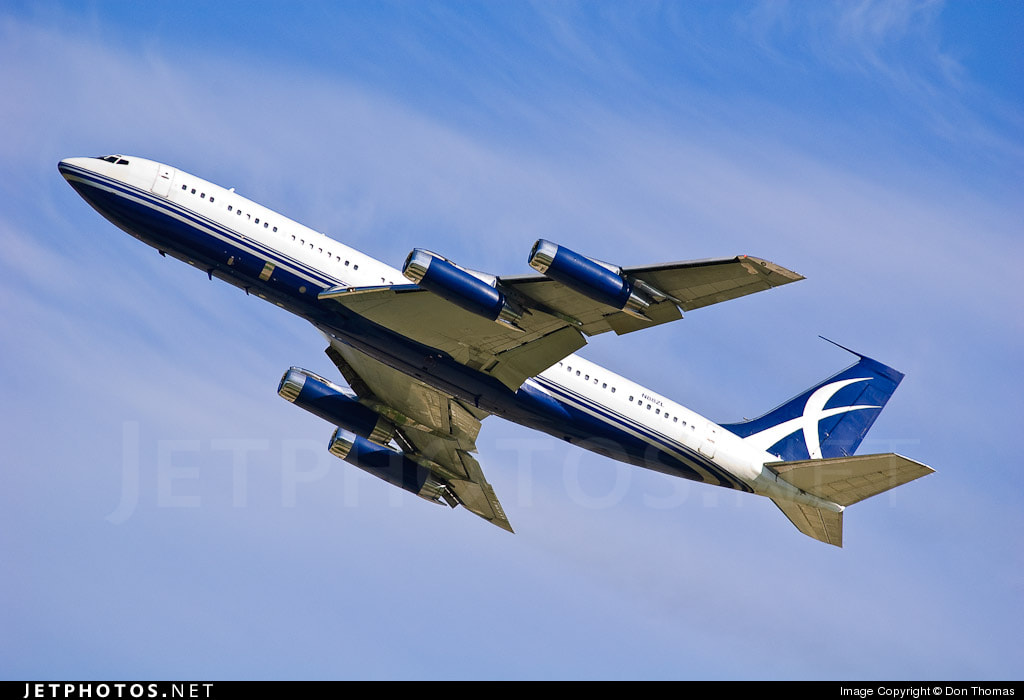
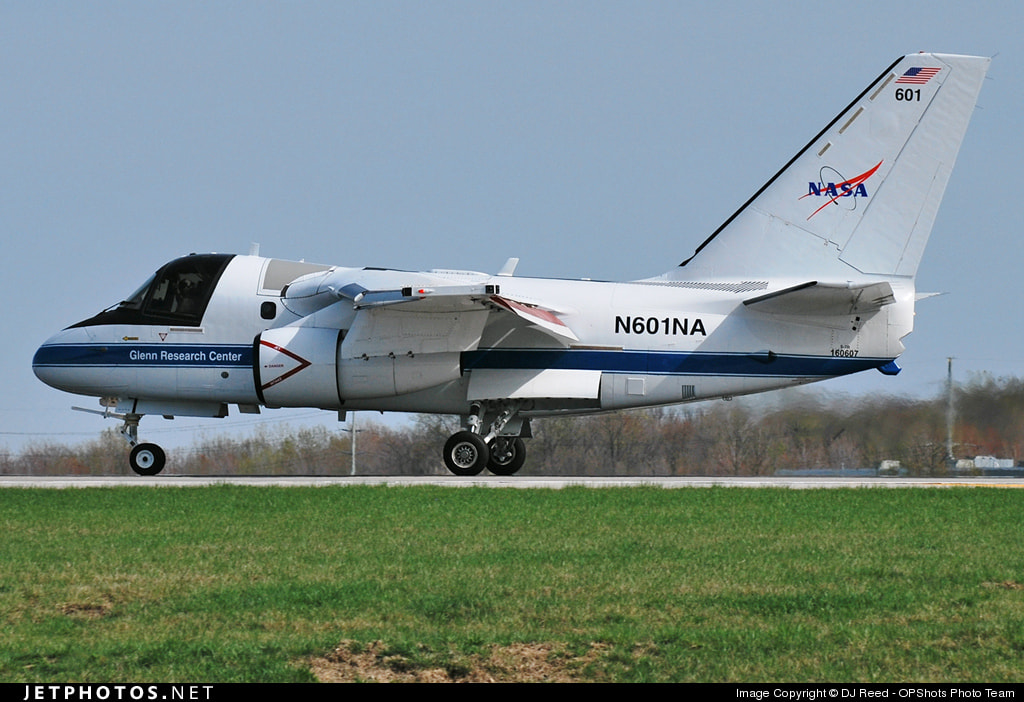
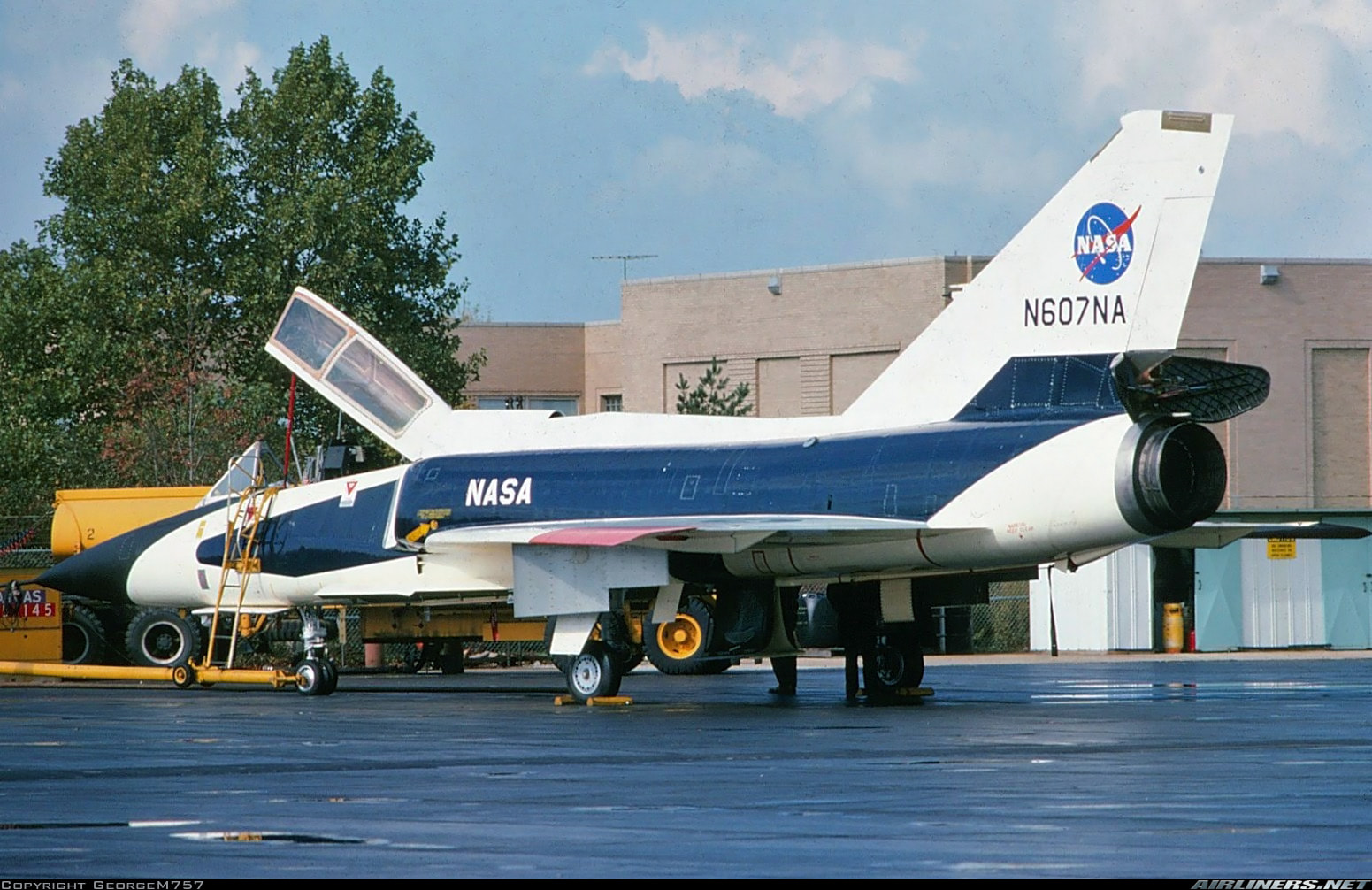
Additionally, this is more of a smaller feature/detail, but NASA’s Glenn Research Facility has its grounds very close to CLE and is even connected with the airport - this has even led to some visits from NASA related aircraft, which could make for some great background scenery to see represented in-game.
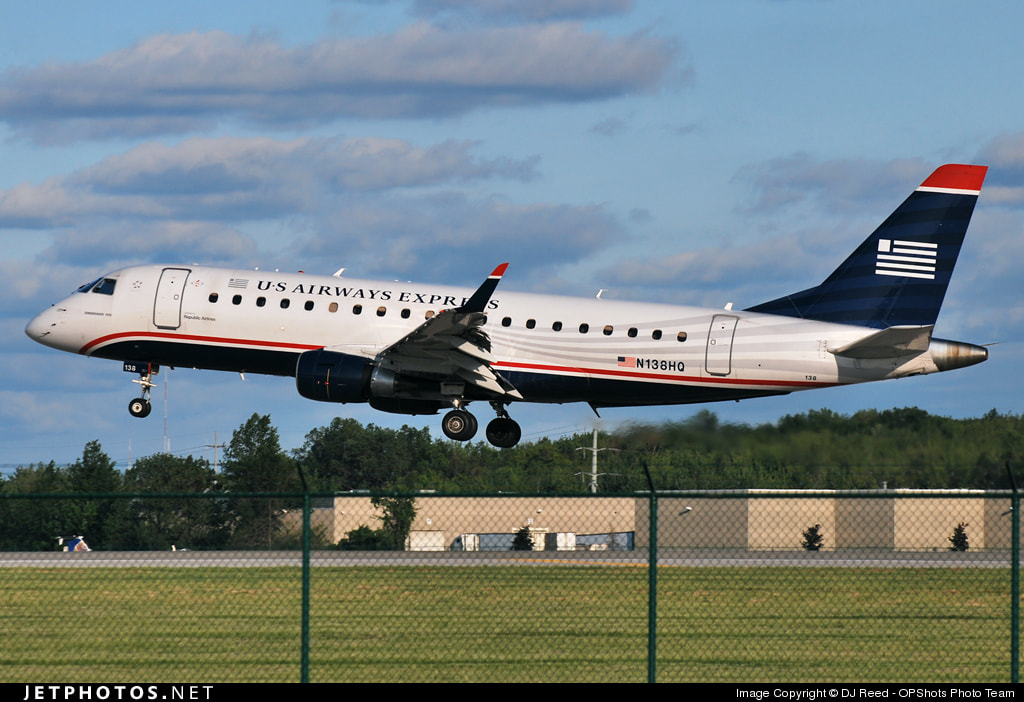
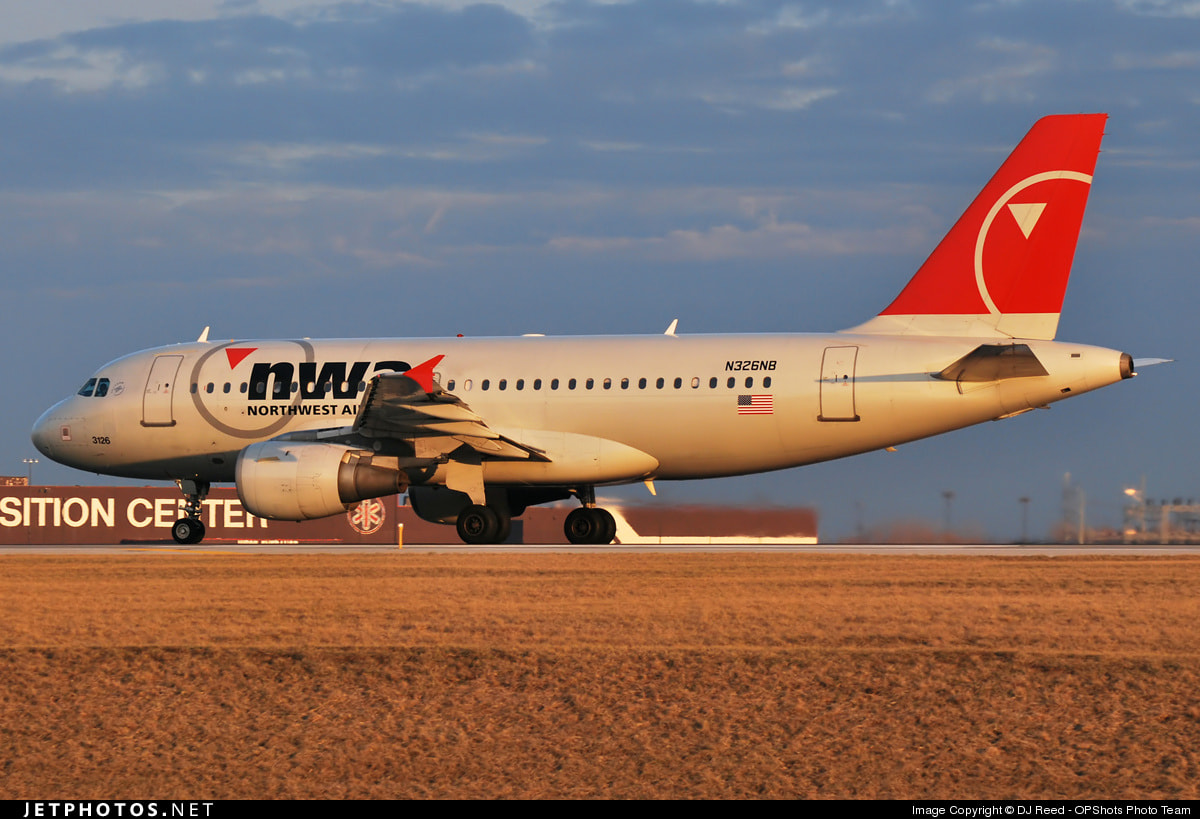
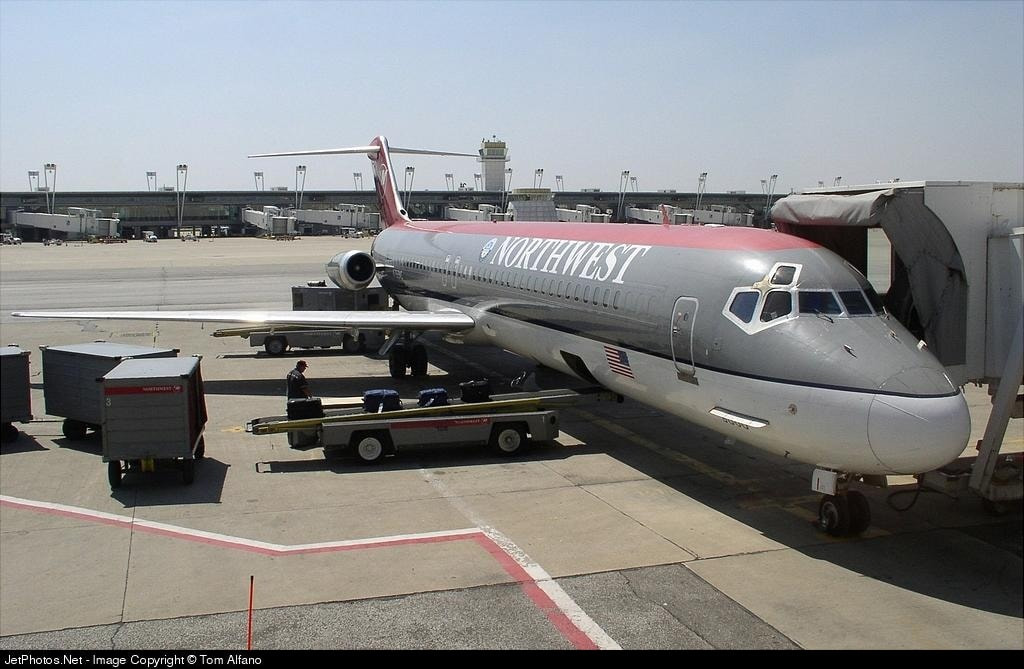
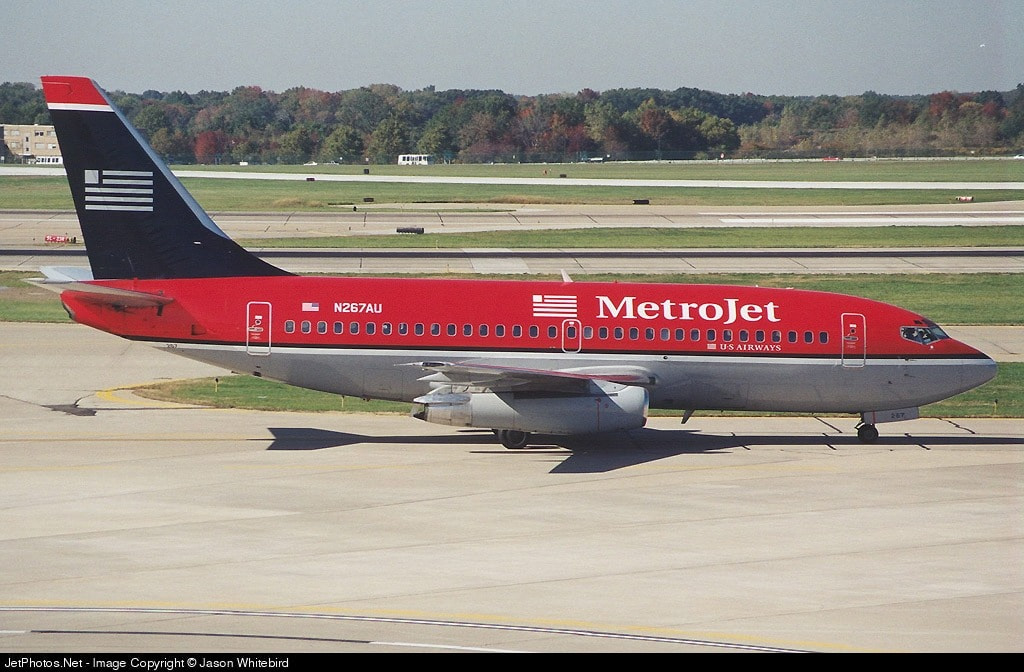
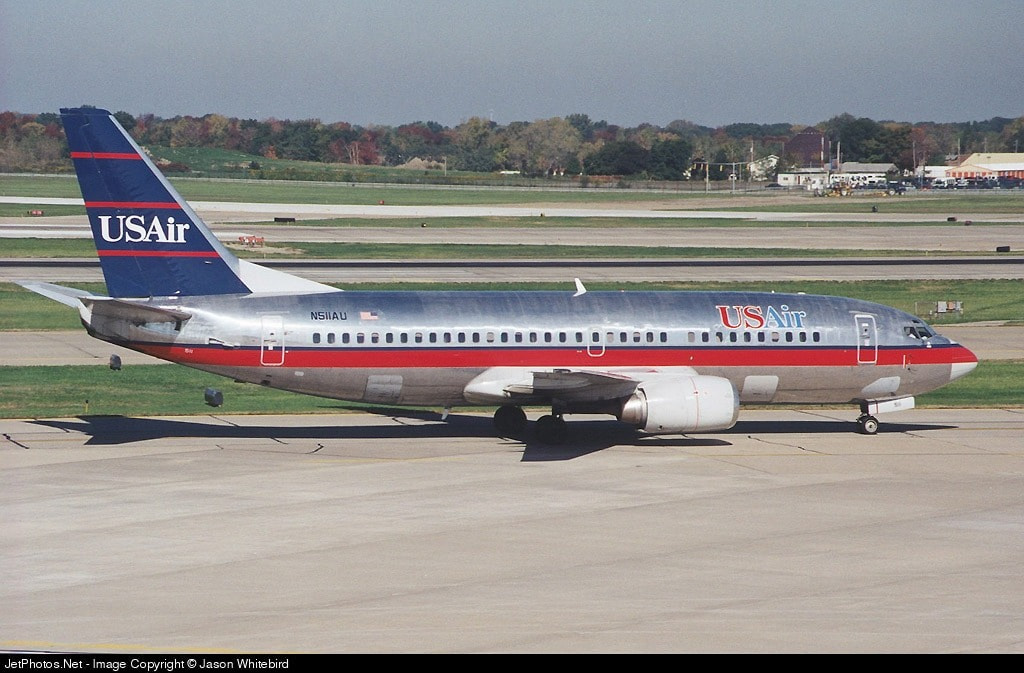
And finally, the historical value. As established above, CLE has a very rich history, through its innovations, designs and even airlines; Continental used CLE as their hub, building it up from the 1980s all the way up until their merger with United, alongside other prominent airlines of the time, such as US Airways - whom from what I saw, once regarded Cleveland as a “mini-hub” or “secondary hub” of sorts.
At the time known as USAir, they primarily maintained this operation from the late 1980s to early 90s, specifically 1987 - 1992.However, beyond all of what’s been established thus far, there is one final bit I wanted to include regarding the airport’s historical value:
Historical Airport Configurations
(The following tab will showcase the various states of the airport over the years, to provide a means of showing some ‘states’ or options that can be chosen for the airport’s possible release.)
This might be a commonplace feature with some airport suggestions of mine from here, depending on if the airport being suggested has potential for some interesting configurations - in which CLE very much does.
Anyways, the configurations will be divided by tabs and will describe the most significant changes that I notice, alongside some comments (if applicable).(Credits go to @Hirohitoswaifu for this really cool idea)
Present Configuration
This configuration simply represents the airport as it appears today.
Key characteristics of this configuration include 3 runways, 3 concourses (with 1, Concourse D) inactive, and 2 cargo terminals.
2010s Configuration
This configuration represents the airport as it appeared around the 2010s time period, specifically around the 2011 - 2012 timeframe.
Key characteristics of this configuration include 3 runways, with the existence of a decommissioned 4th in the form of taxiways (more on this in the tab below), 4 concourses (Concourse D active), and a lengthened pre-threshold area on 06L/24R, specifically the end of 24R, intersecting with the northern runway (10/28).
I’d honestly really like to see this configuration, mainly because it has Concourse D active, which could allow for far more gates, especially for the smaller B/C class regionals. If you’re seeking specifics… with D active, the stand count would increase from 46 to 79 (+33 stands, 12 gates and 21 remote stands, if you recall), while the key operational components of the airport otherwise generally remain the same.
2000s Configuration
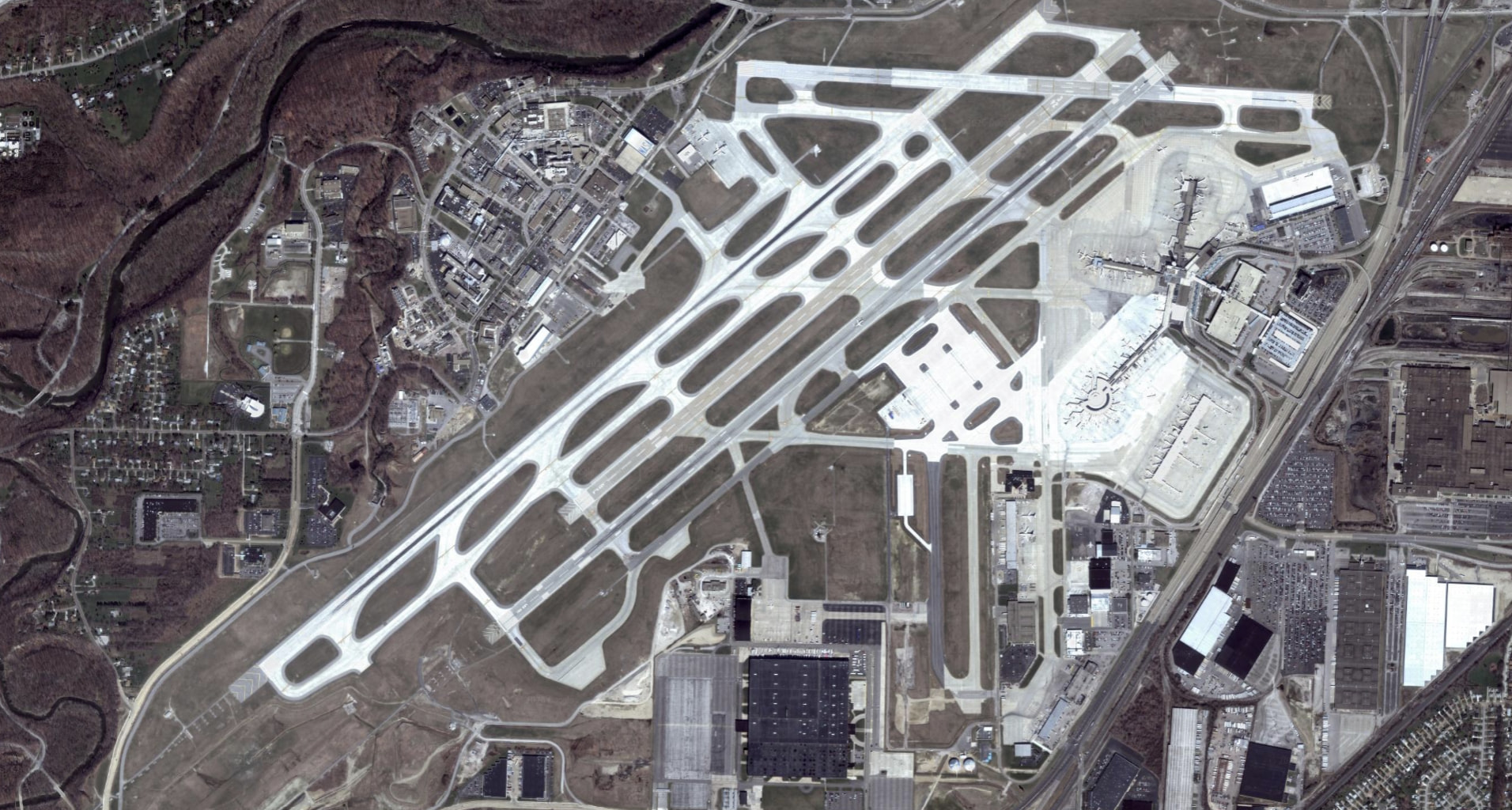
This configuration represents the airport as it appeared in the latter half of the 2000s, specifically around 2007.
Key characteristics of this configuration include 4 runways (from 3; now including 06C/24C - which was decommissioned later that year, in October 2007… around the time of my birthday, actually!), 4 concourses, a shorter threshold for 06R/24L, specifically for 06R, yet a longer runway length for 24L (to the point where it intersects with 10/28), and different gate placements, especially in the context of Concourse D.
This could also be a really fun configuration, having not only Concourse D active, but the potential to experience operations from 4 runways as opposed to 3… though this was definitely a different airport than the likes of the CLE most know today, and as such I’m not sure how it’d fare when it comes to stuff like METAR changing runway conditions, given 06C/24C is no longer present in reality, and has been for nearly decades now. But, nonetheless, it’s definitely an intriguing configuration, and one I wanted to include here.


Optional: Links, images, maps, or videos
SOURCES:
CLE’s Wikipedia page
Airliners.net Database of CLE photos
Planespotting at CLE
Planespotting at CLE… with a little bit of bad weatherMEDIA SOURCES:
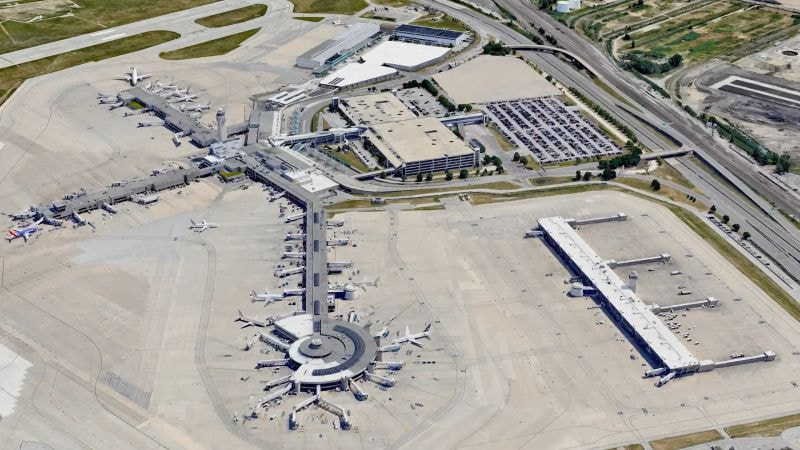
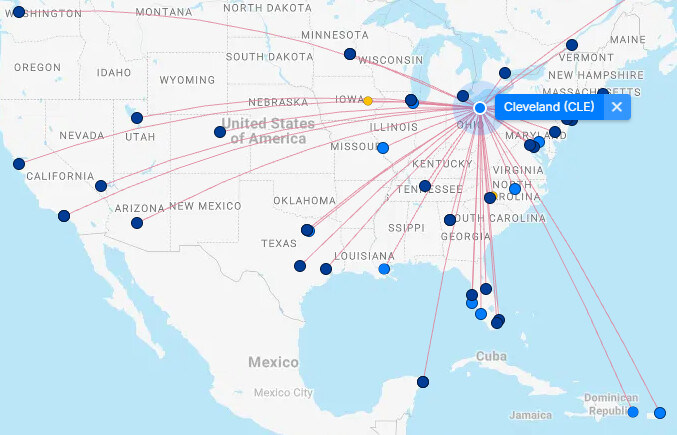
(Pictured below: A graph of CLE)(Pictured below: An aerial view of CLE)
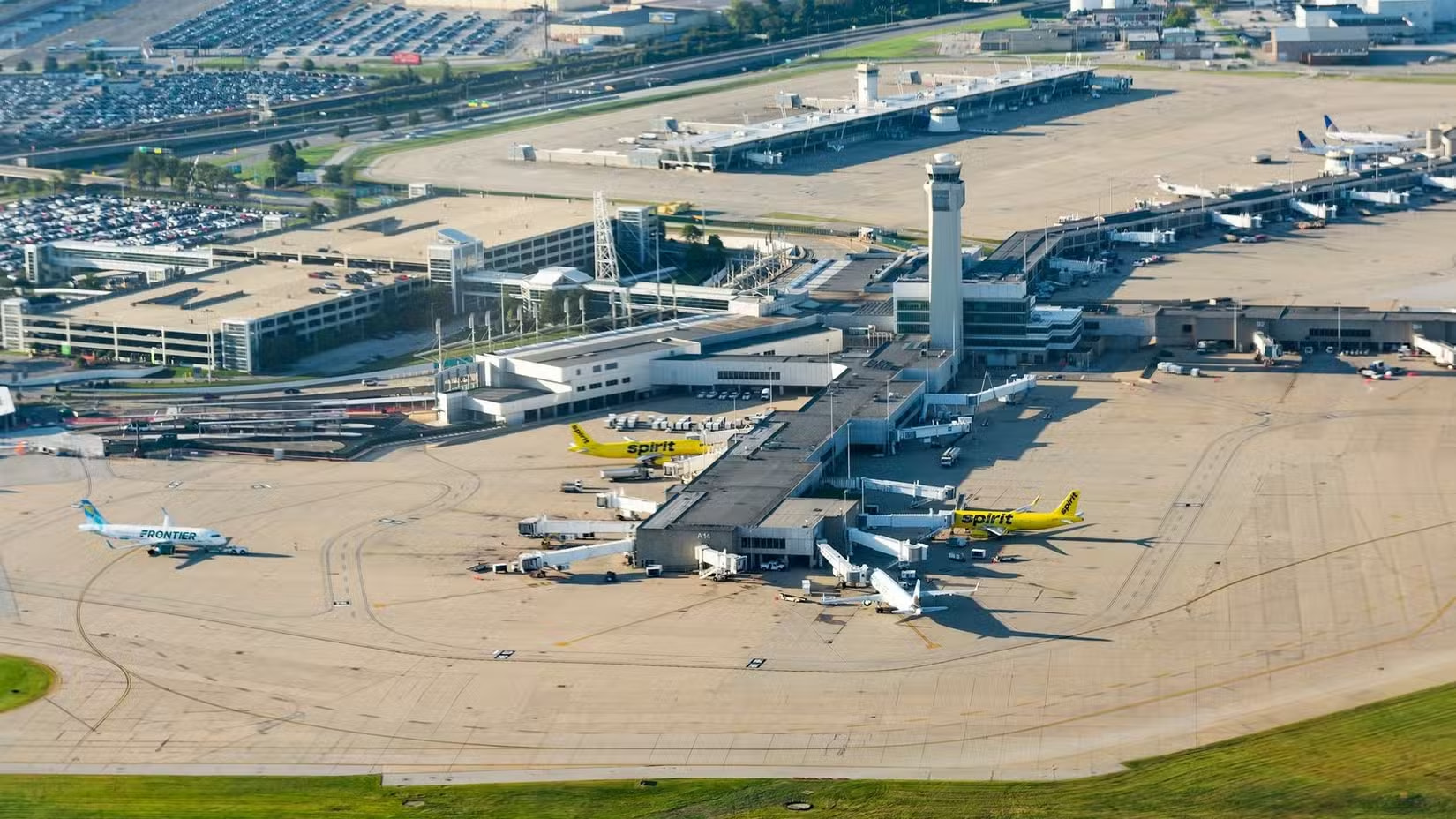
(Pictured below: Some pictures of the air traffic control tower and airport terminals)
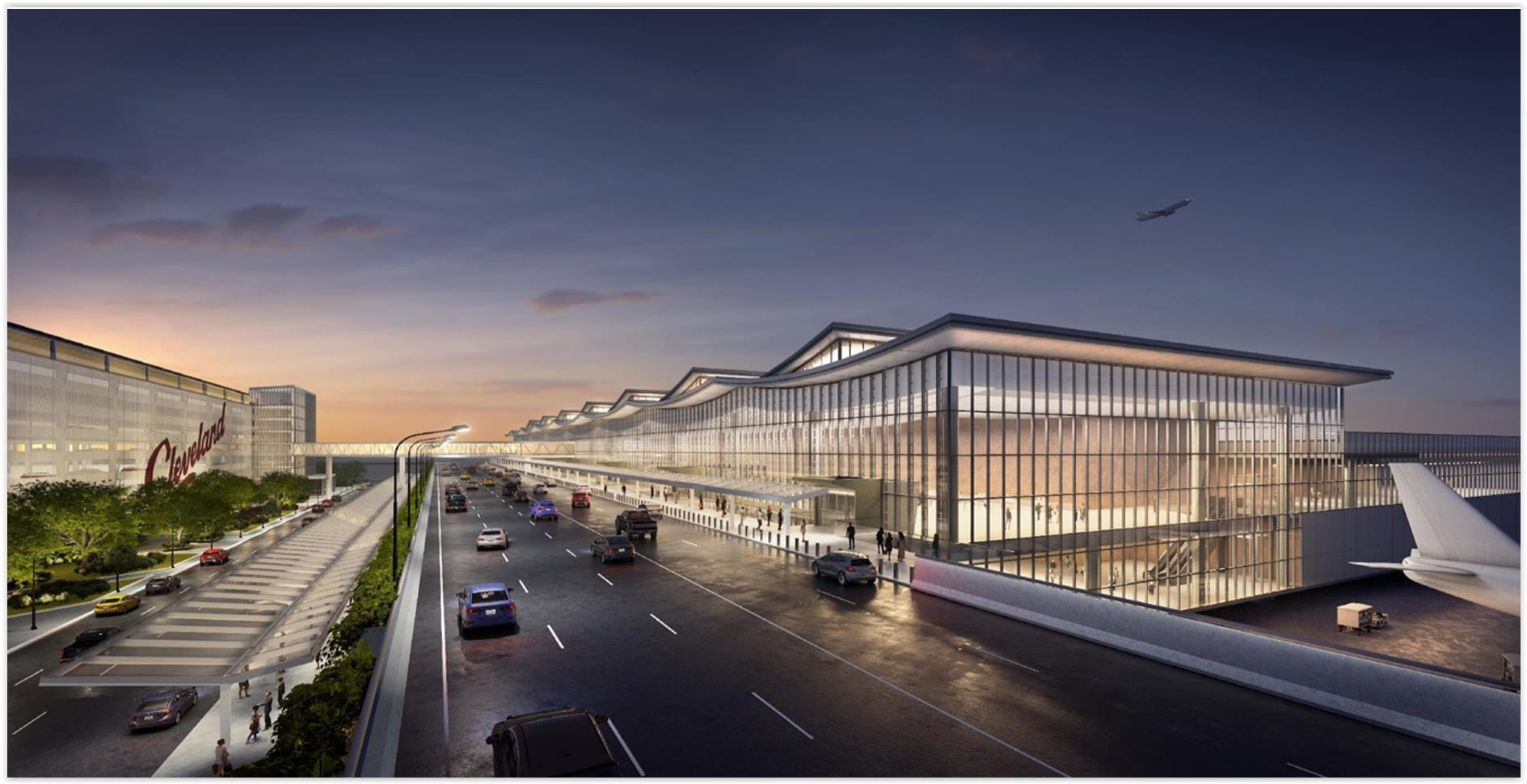
(Pictured below: Some renders of what the new terminal building from CLEvolution will look like)
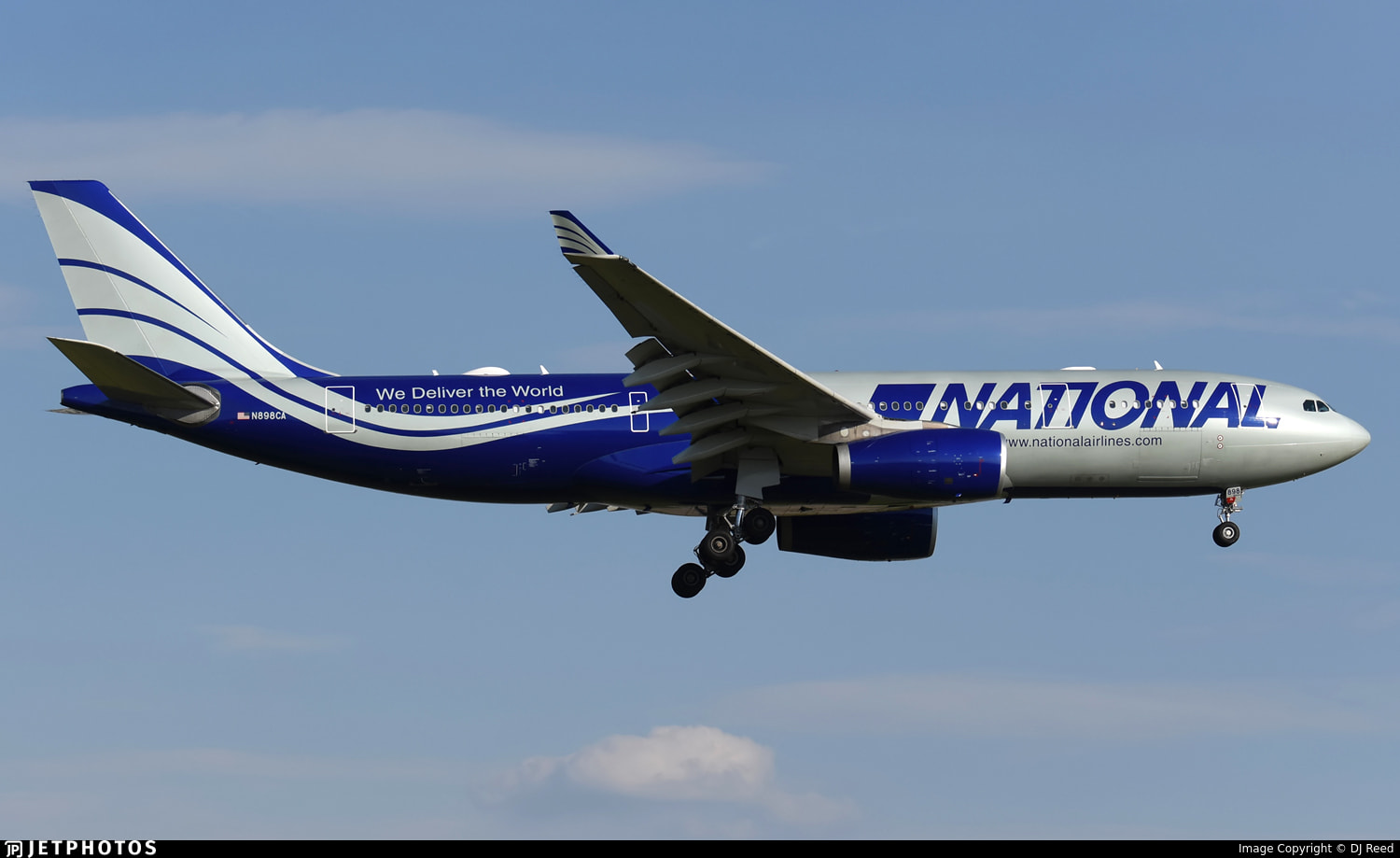
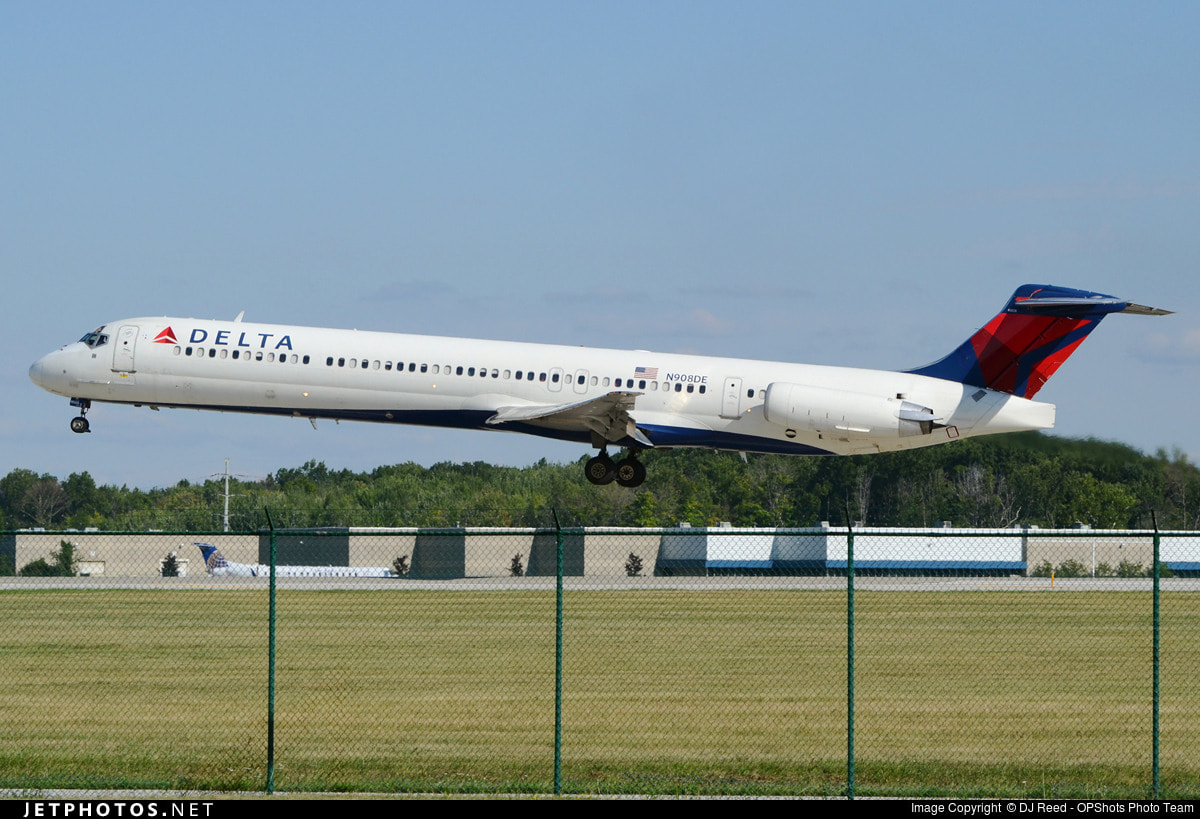
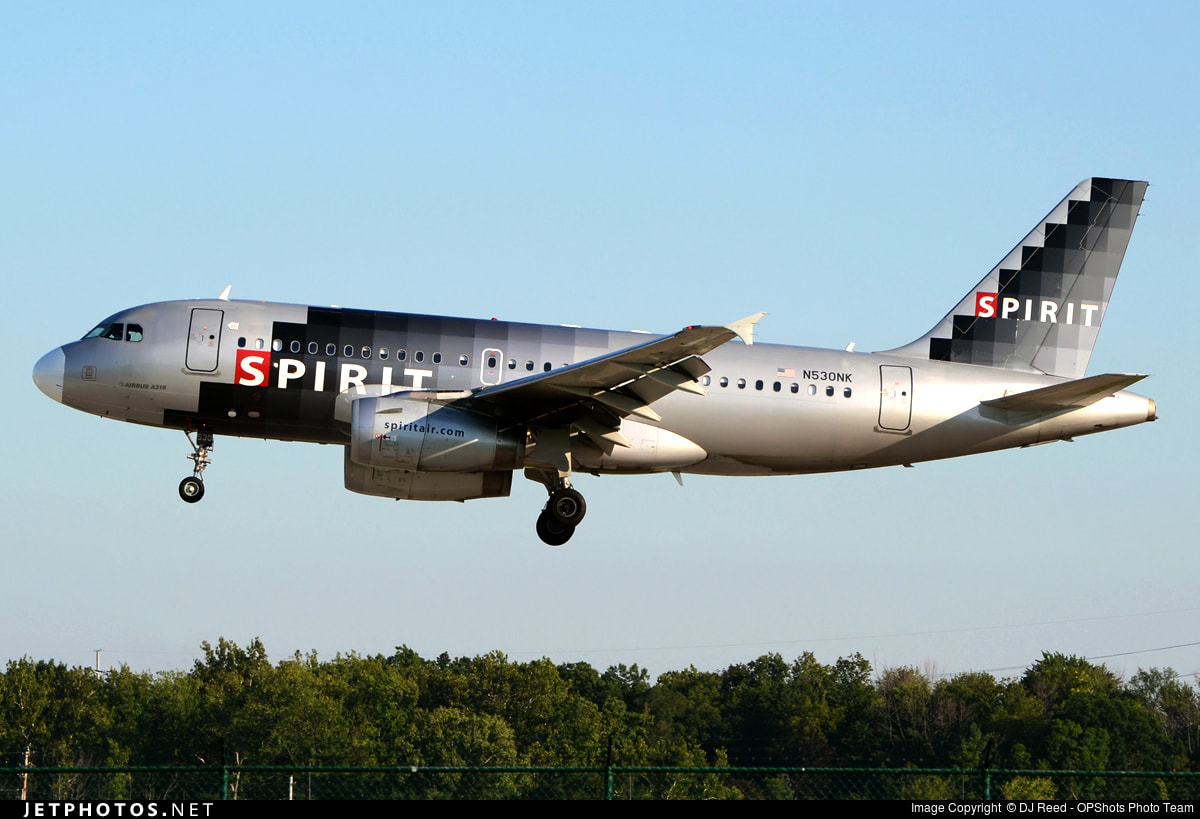
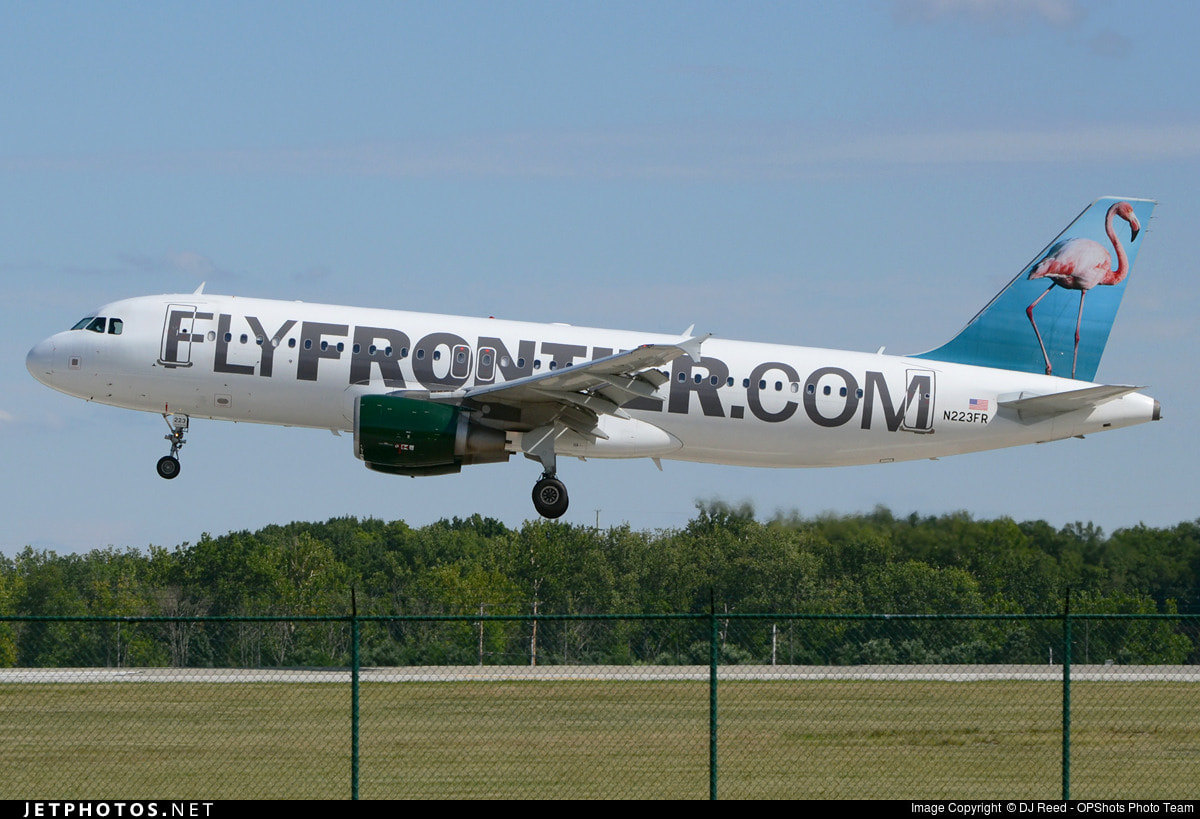
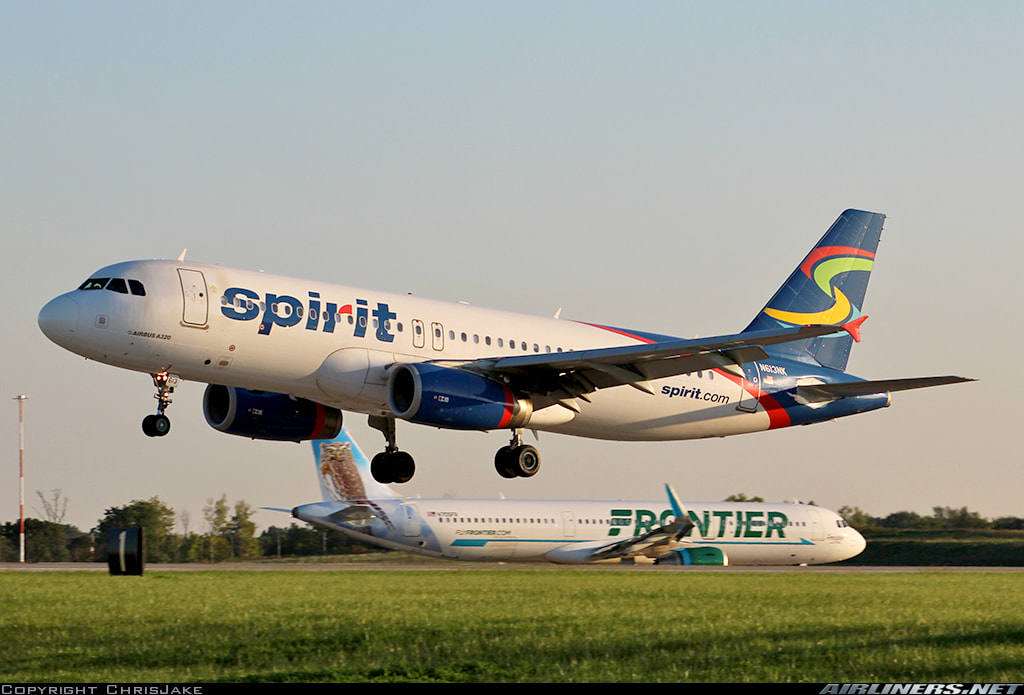
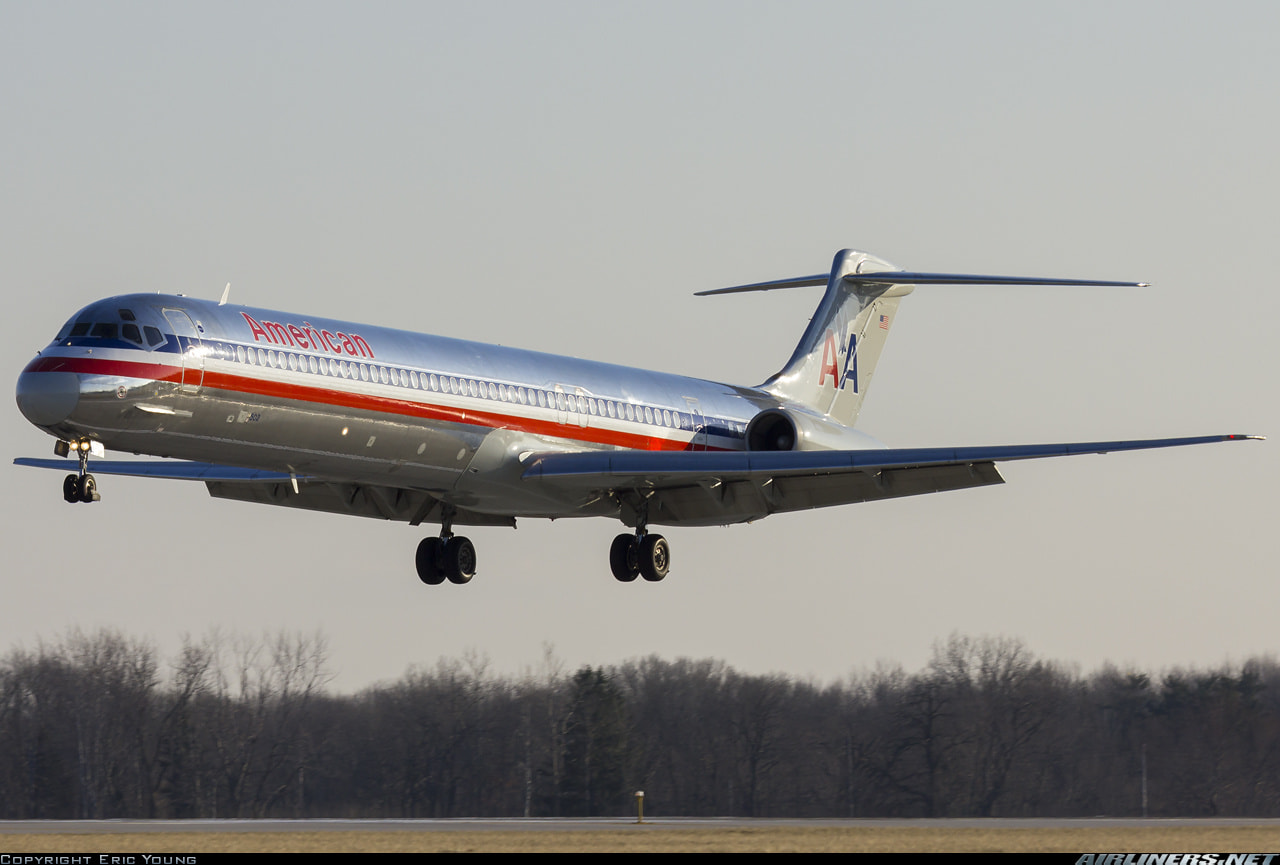
(Pictured below: Examples of regular passenger traffic at the airport)
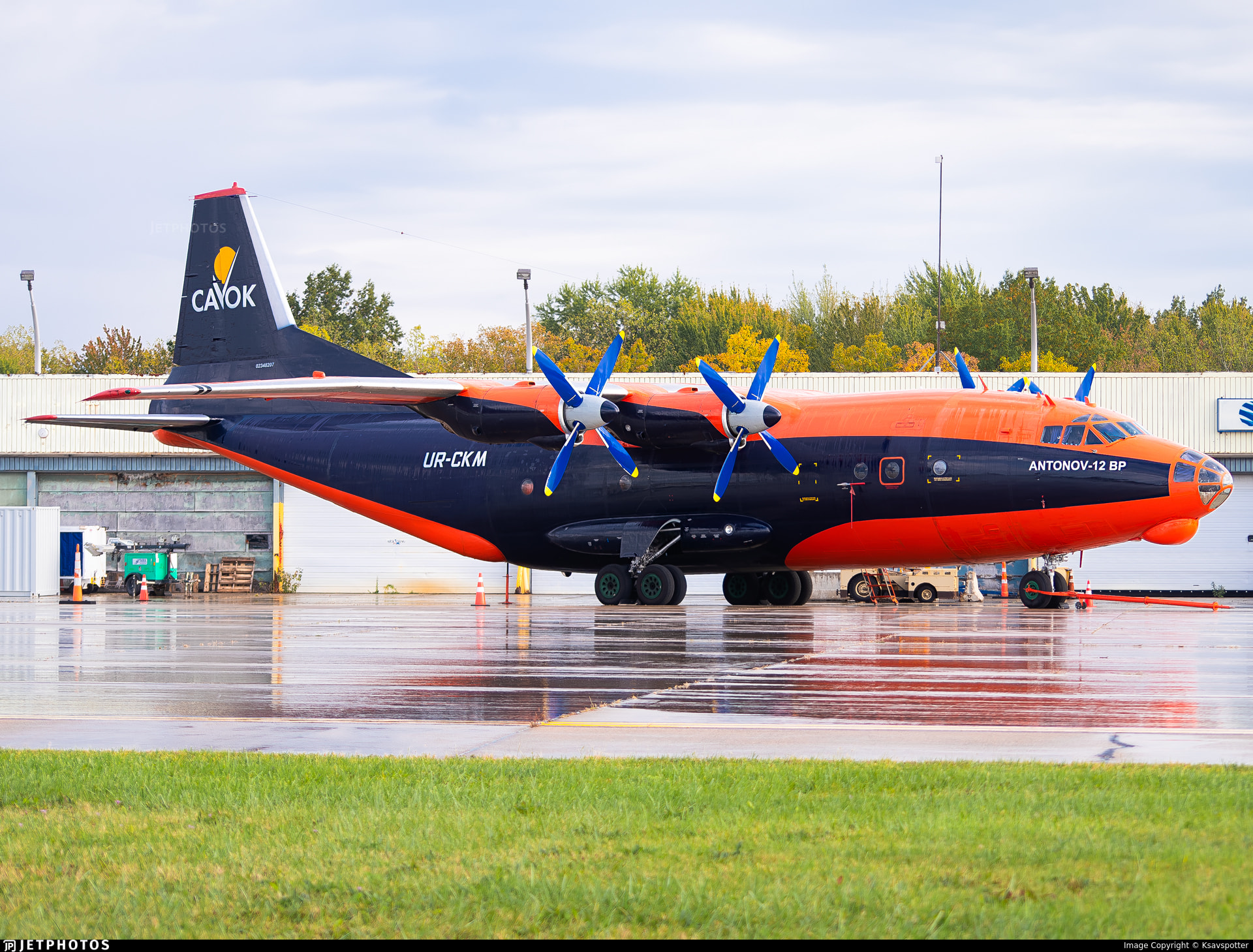
(Pictured below: Examples of regular cargo traffic at the airport)
(Pictured below: CLE, around the 2010s)
(Pictured below: CLE, around the 2000s)
(Pictured below: CLE, before the 21st century)
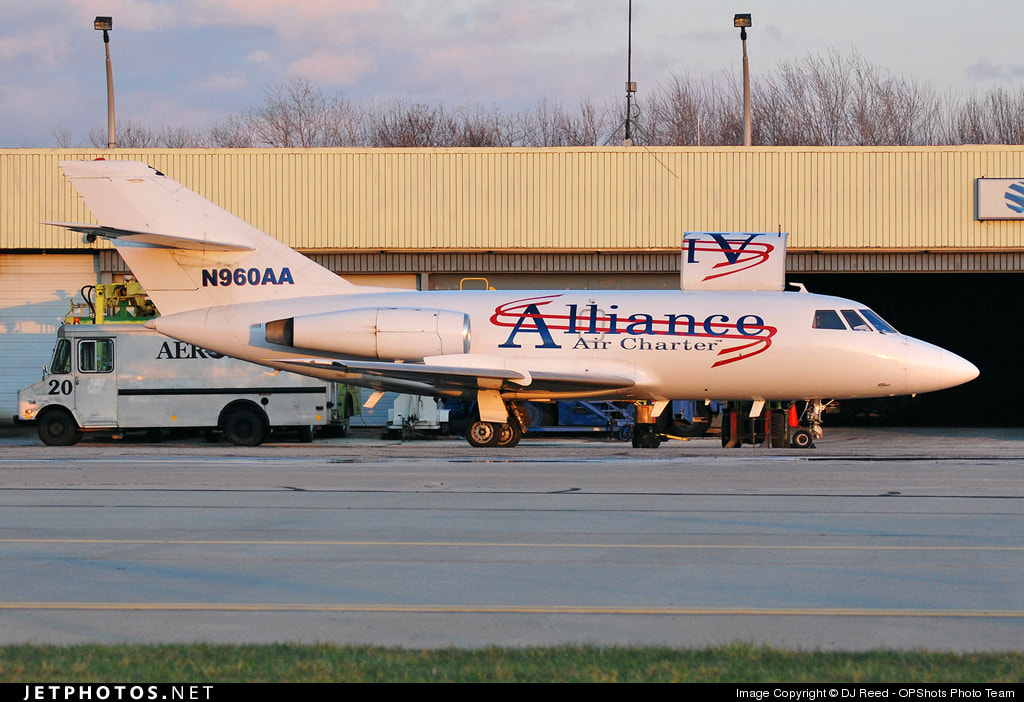
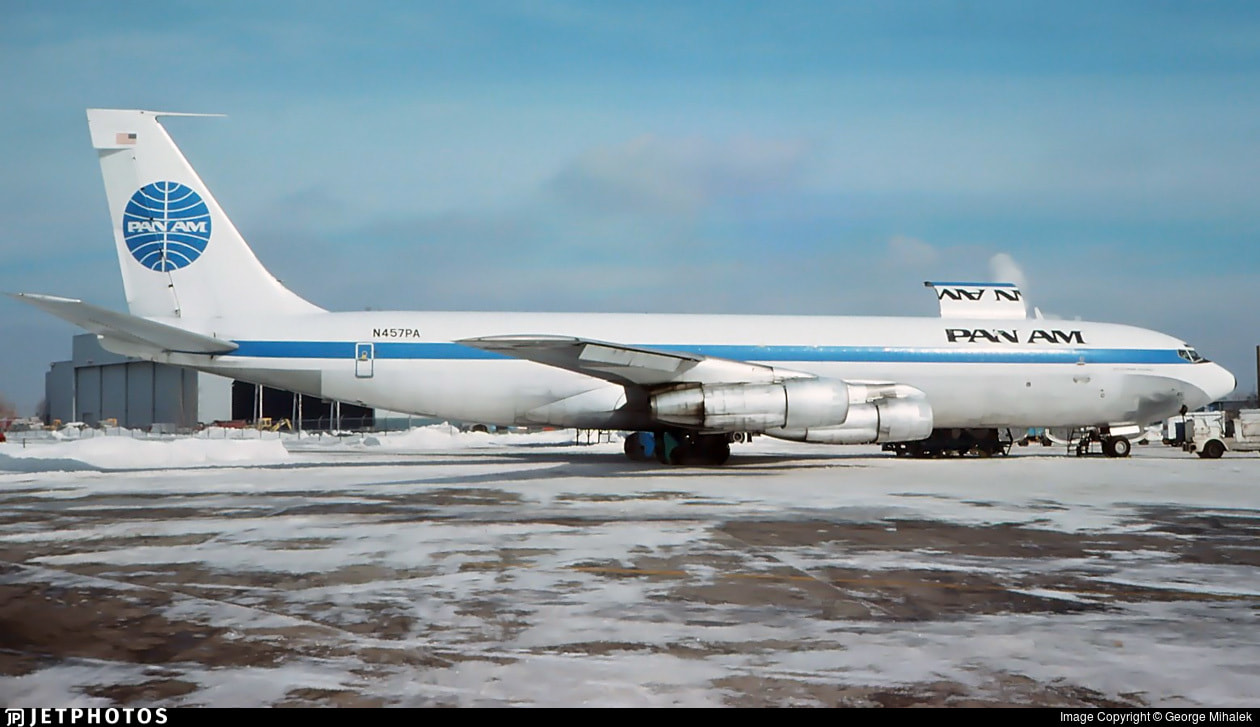
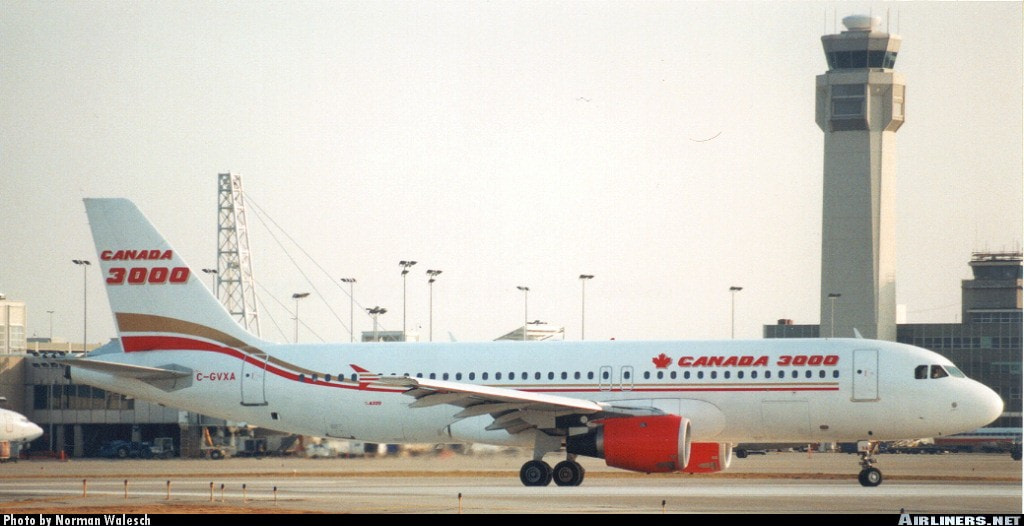
(Pictured below: Bonus shots)