Airline Name
TransaeroIATA: UN / ICAO: TSO / Callsign: TRANSAERO


Country of Origin
Russian Federation
Aircraft Types Used (from those available in WoA)
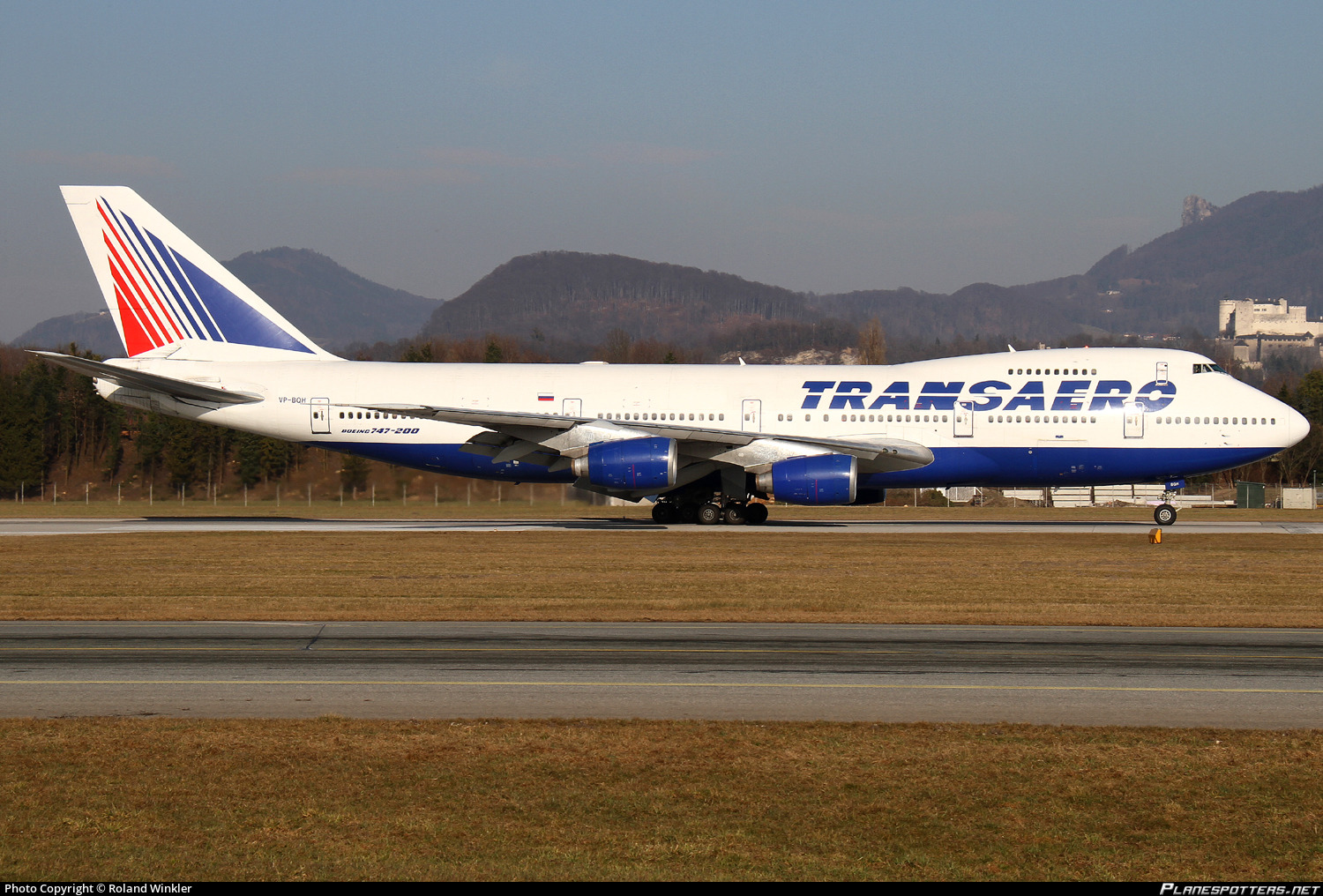
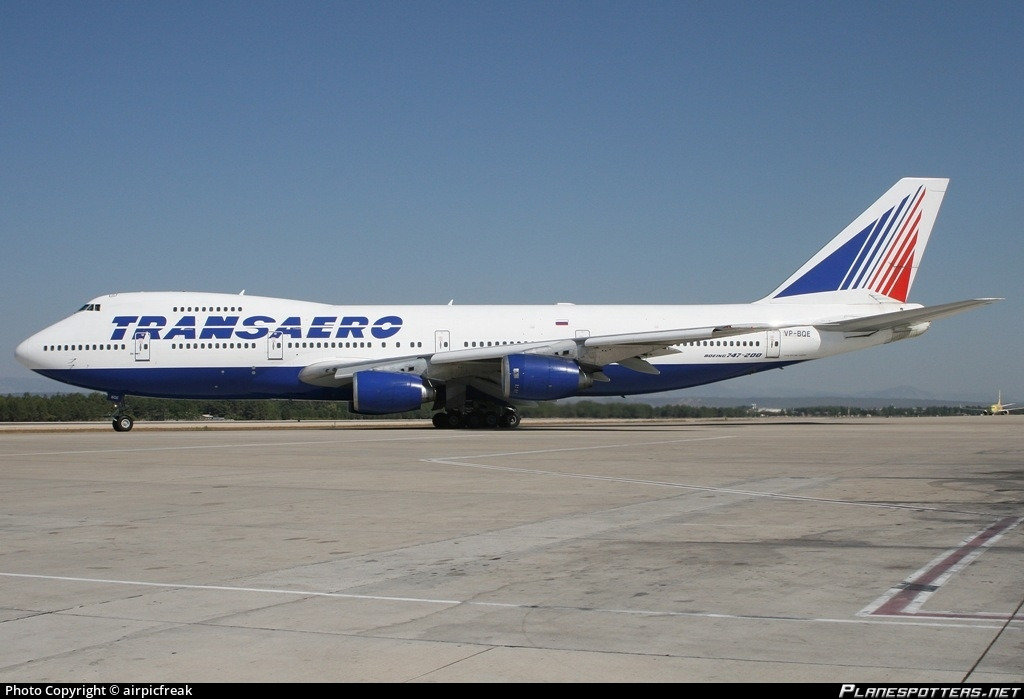
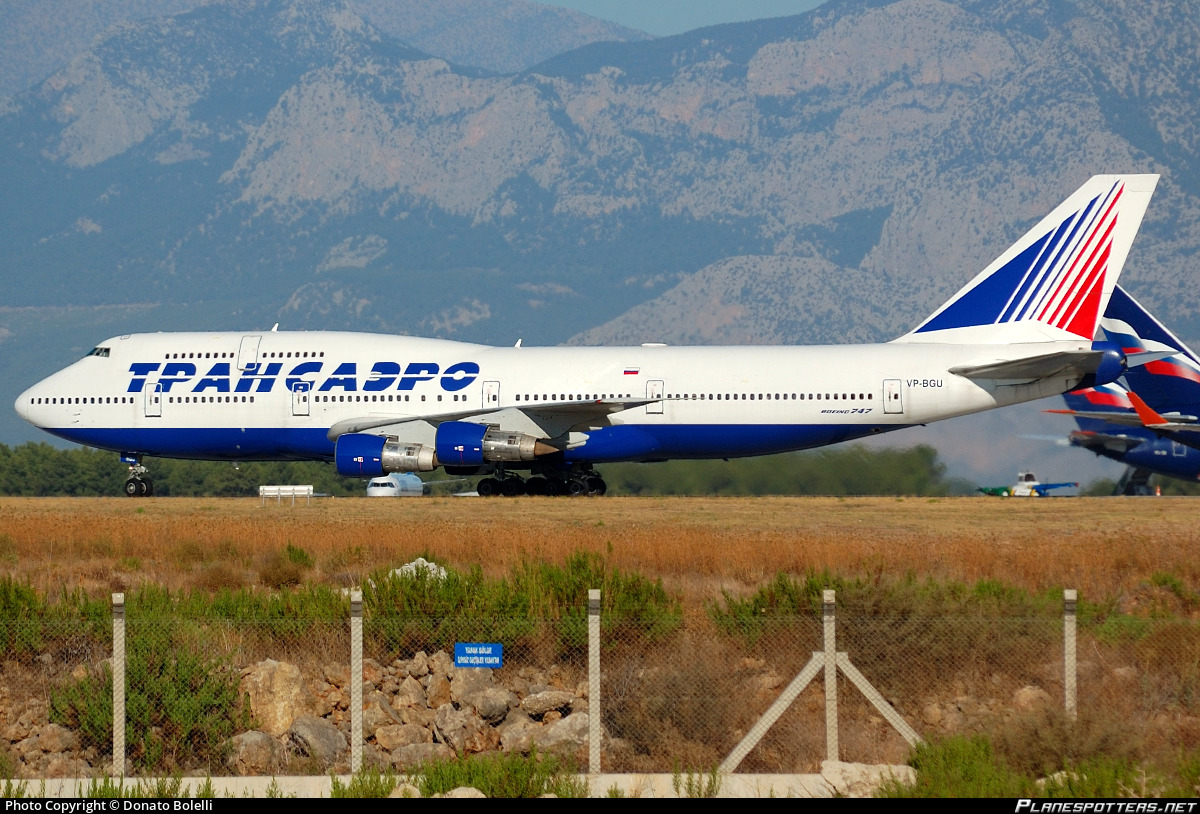
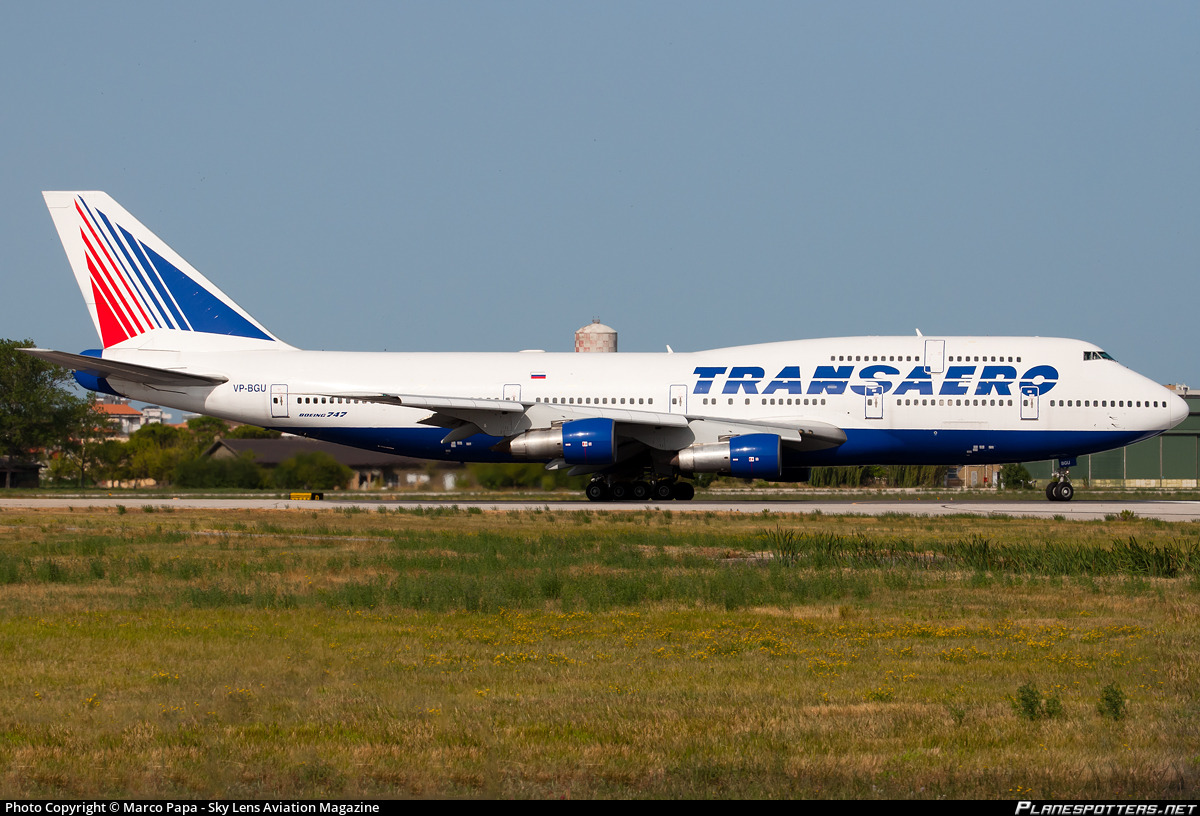
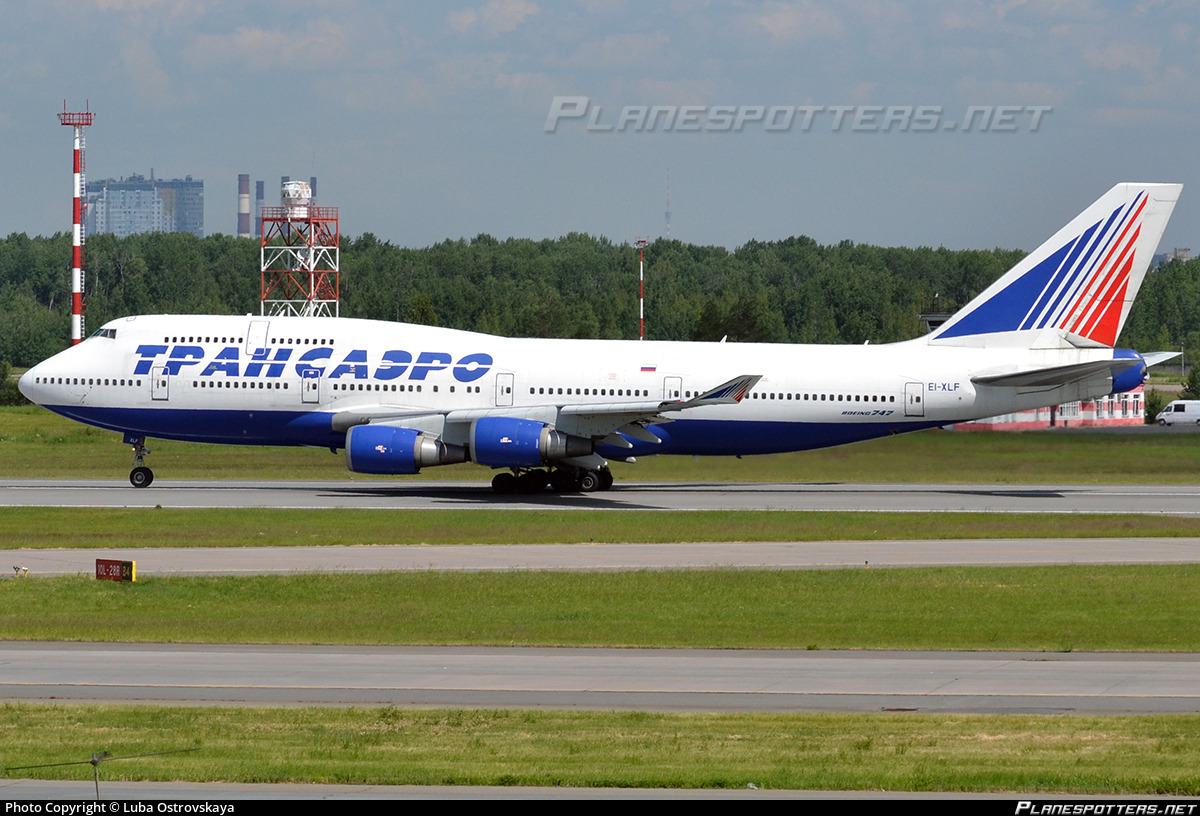
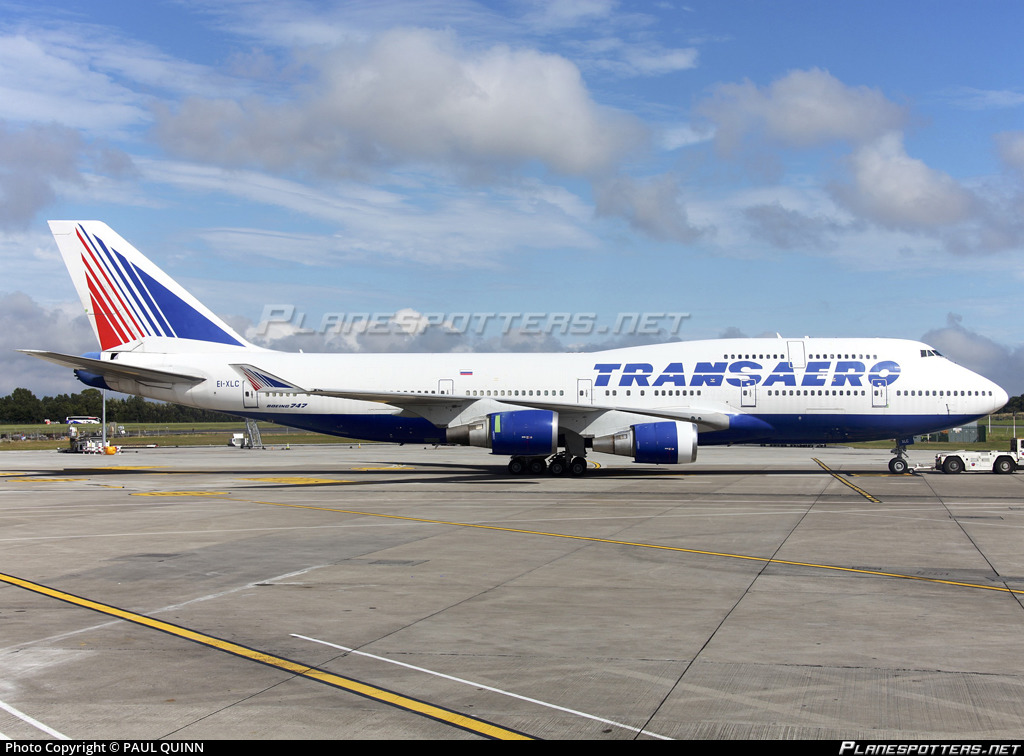
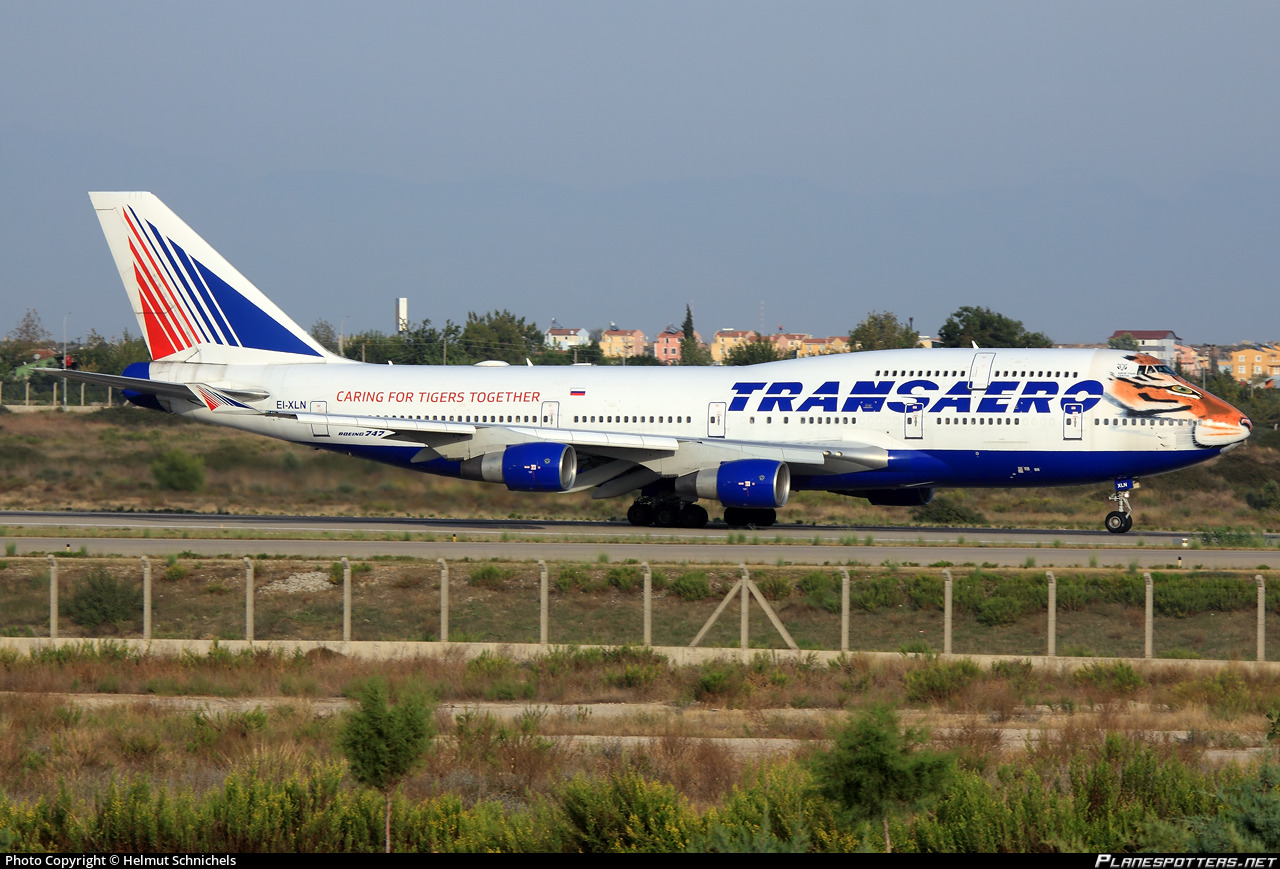
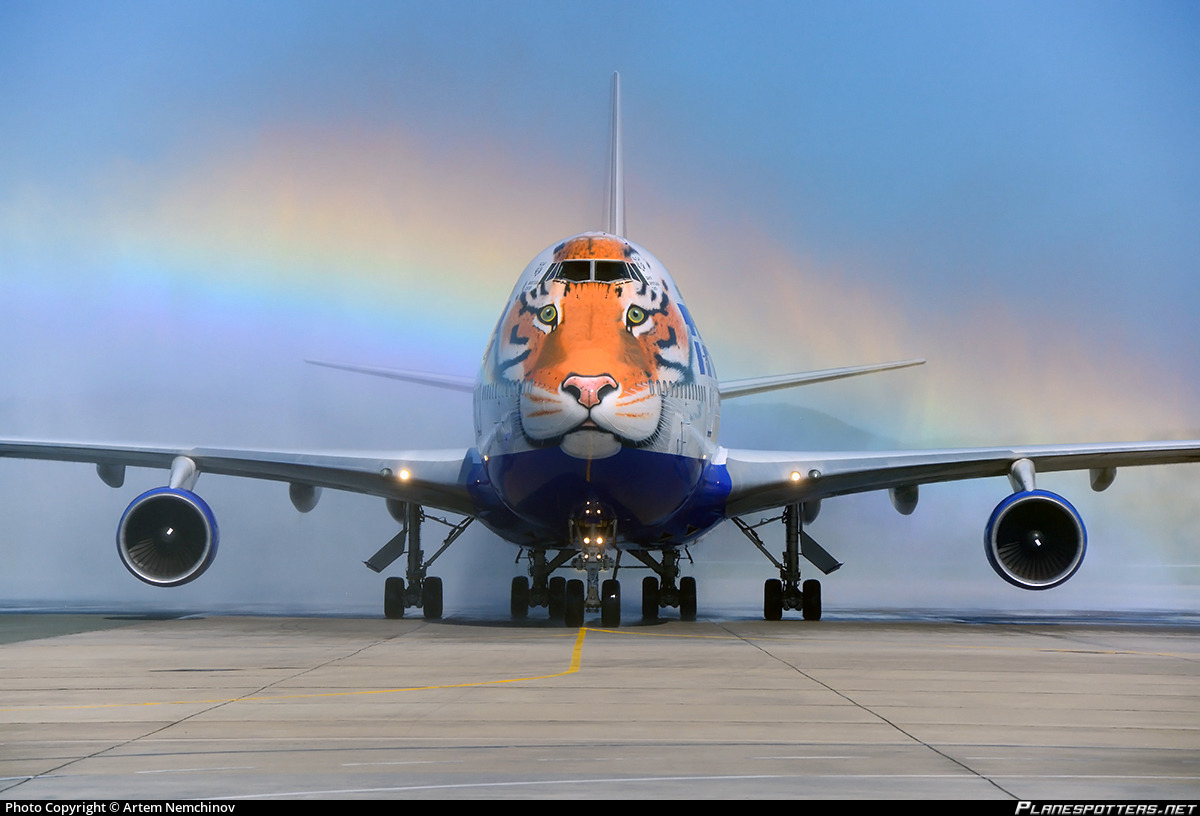
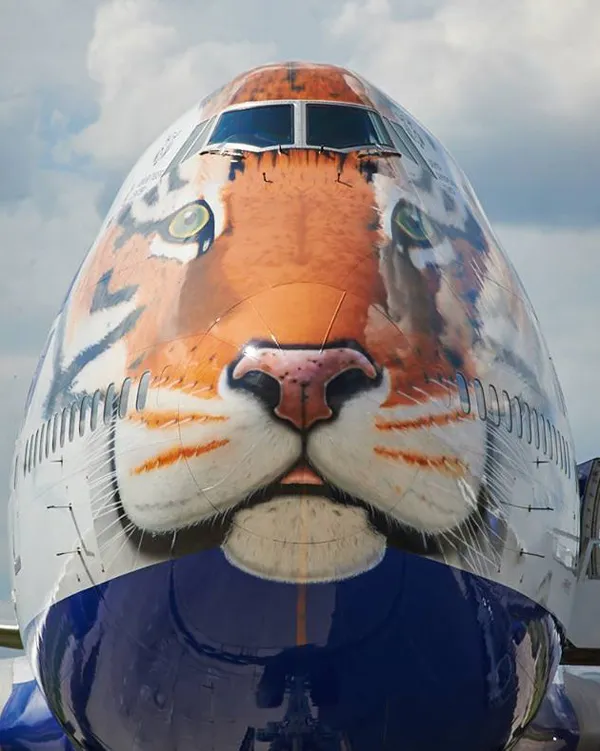
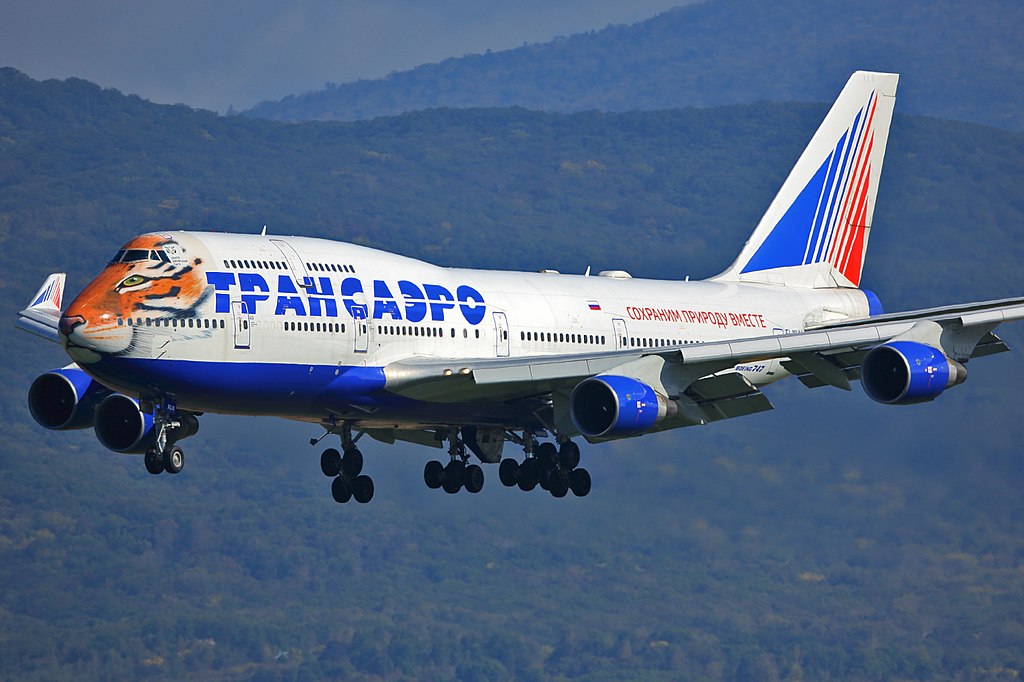
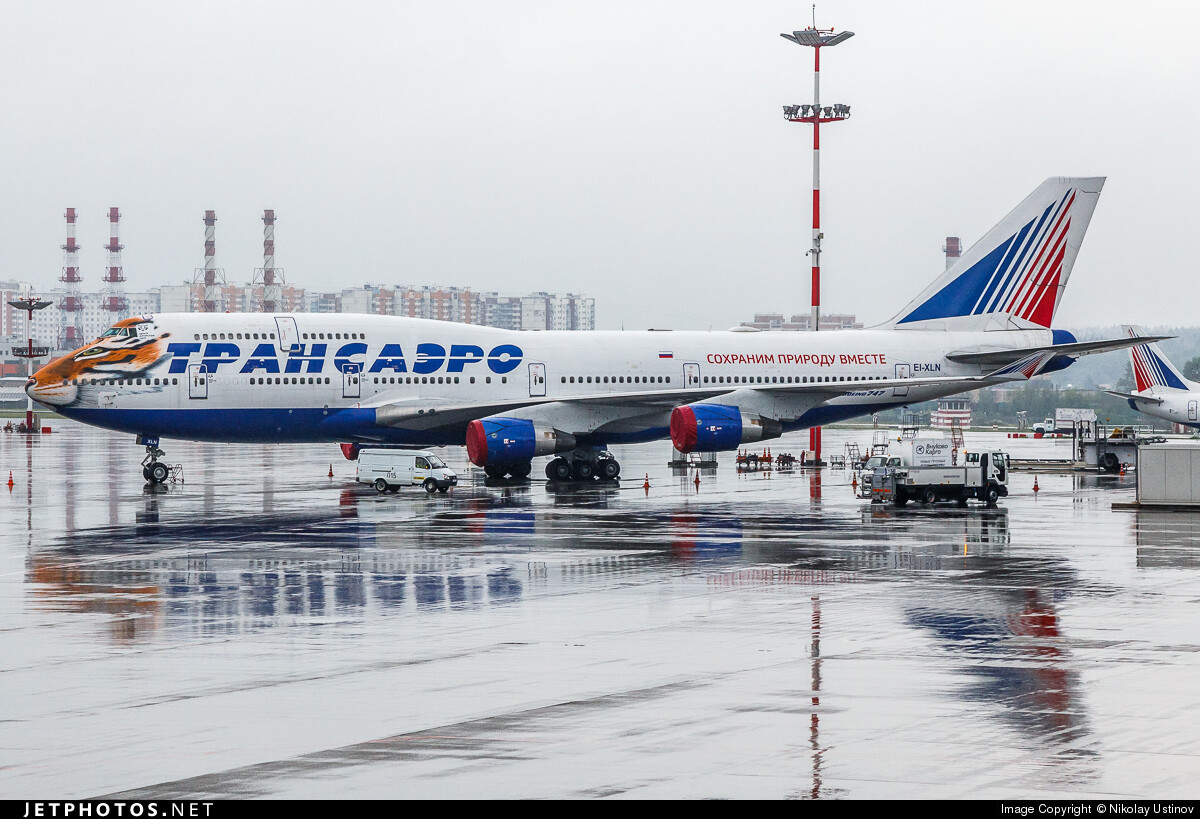
B744 (747-400) (20 operated),
The iconic Siberian tiger livery (That conveniently appeared on Rossiya’s 744 after the murder of this airline),
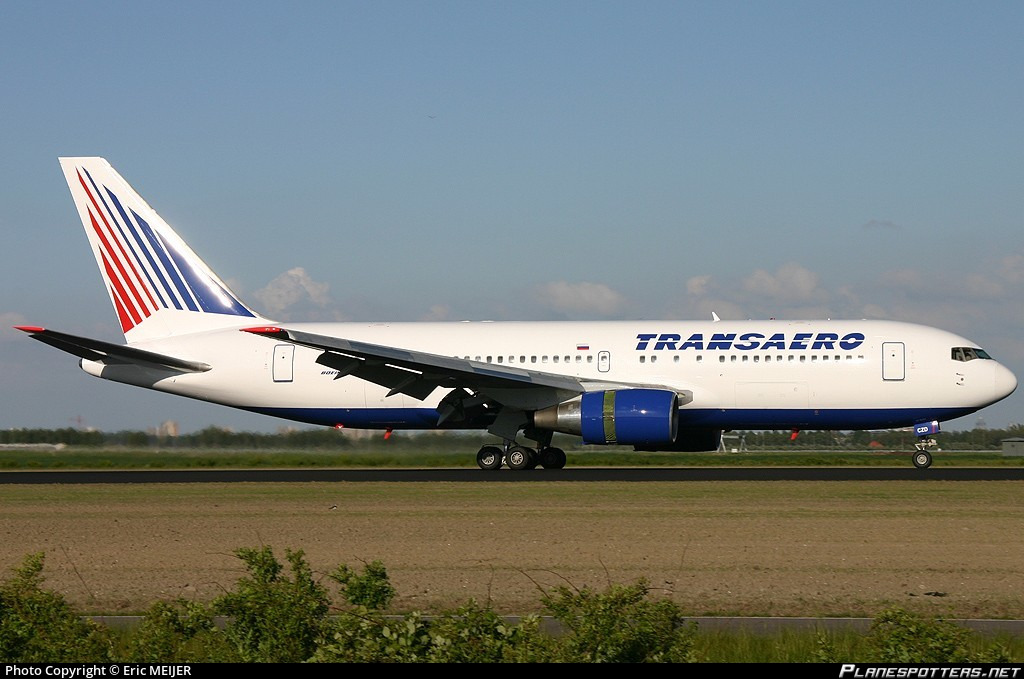
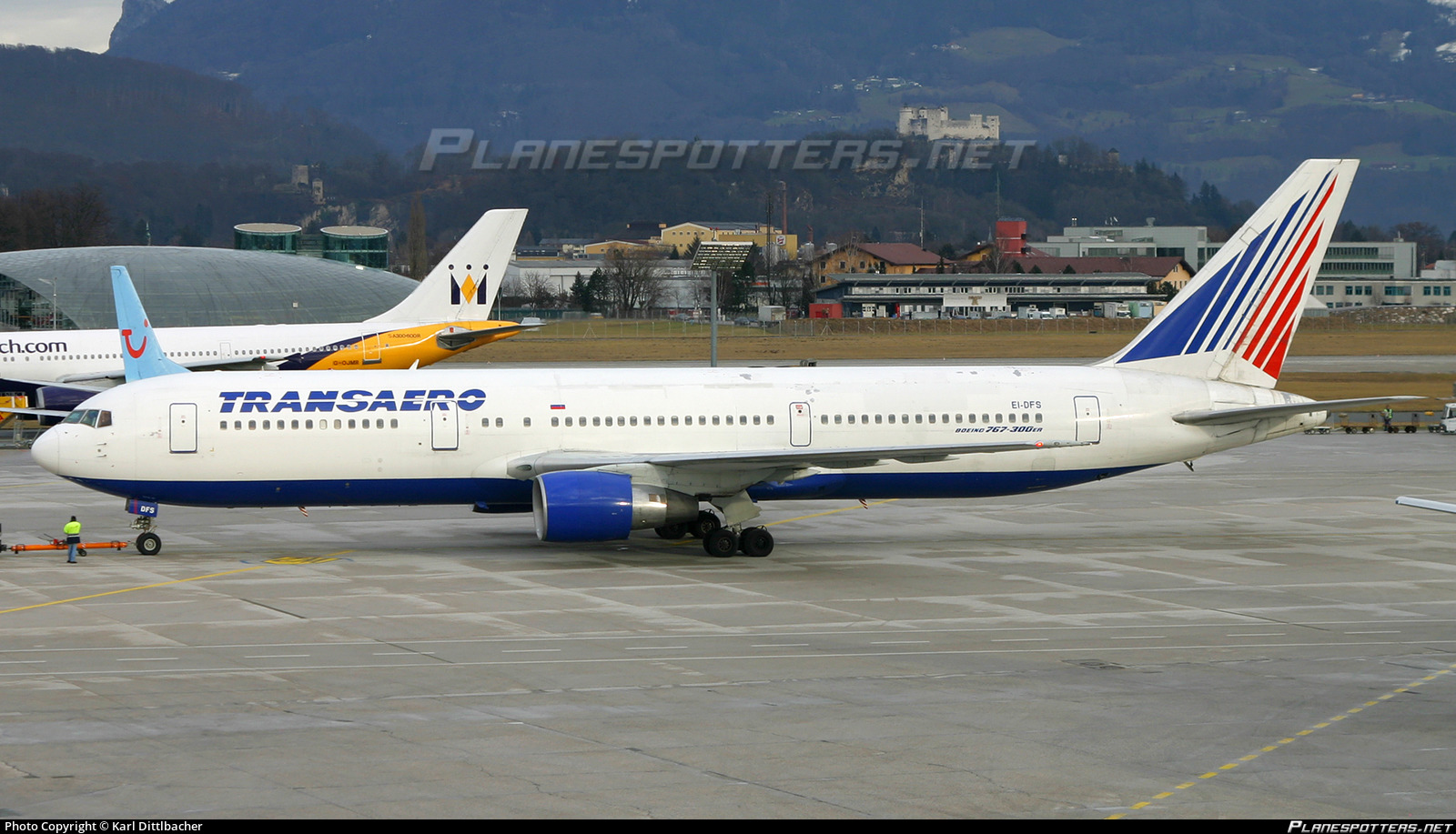
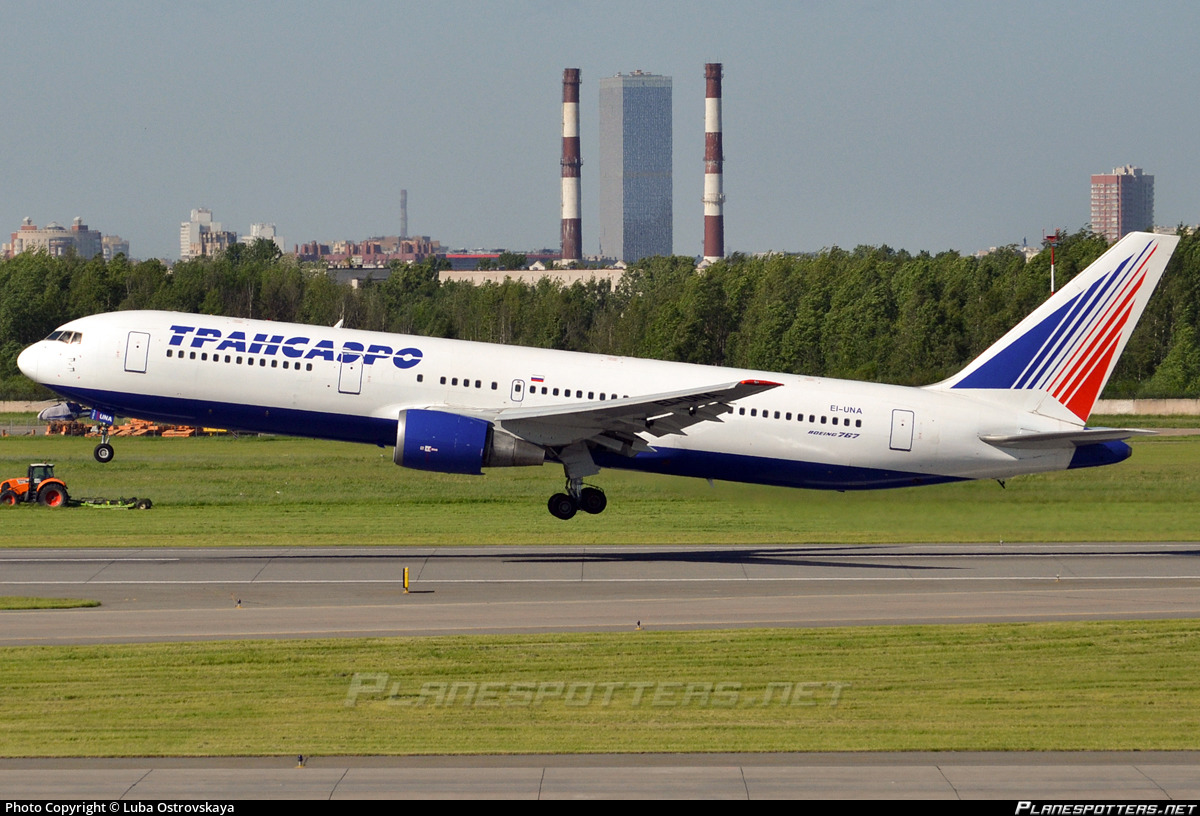
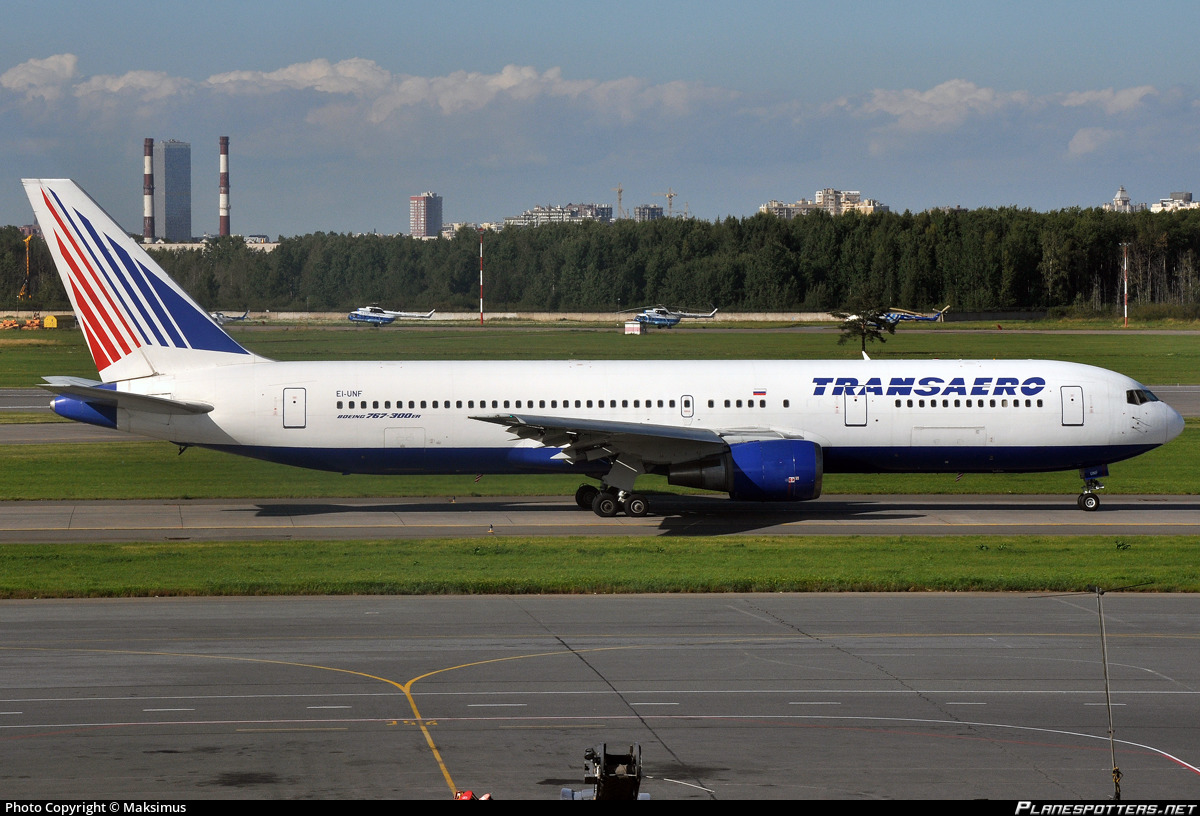
B763 (767-300) (17 operated),
Cheeky Monarch photobomb above,
Also had 2 livery variants one with Russian on the port side and the other with English,
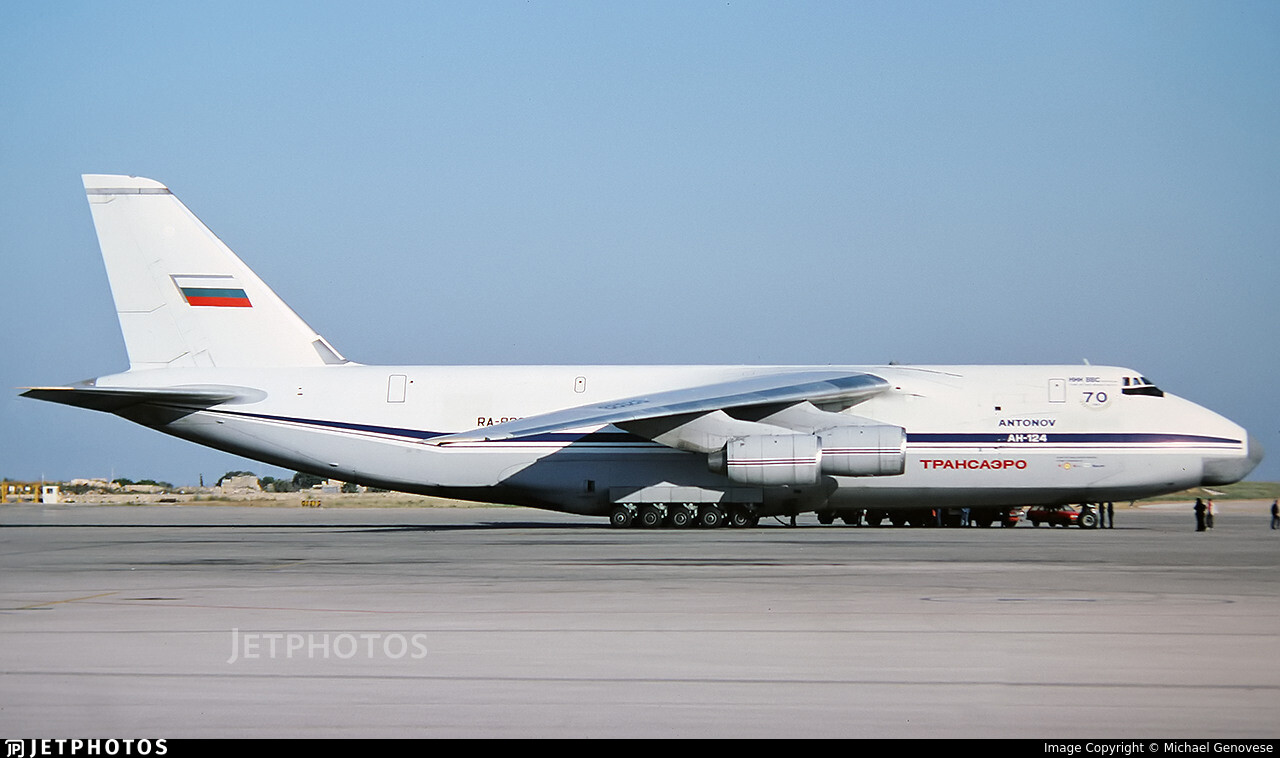
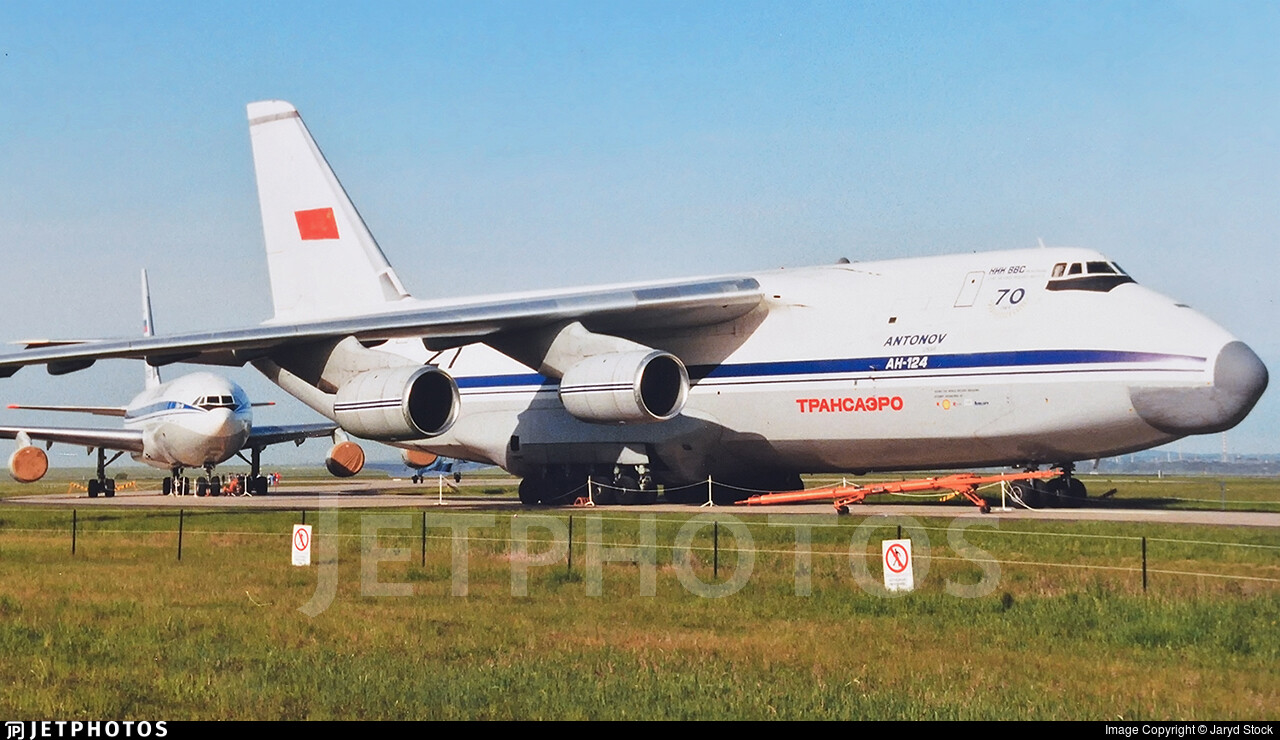
A124 (Antonov AN-124-100 Ruslan) (2 operated between 1993 and 1995),
Better photo of the nose pic from 1992 (Cannot find a photo of the other side),
Not in-game,
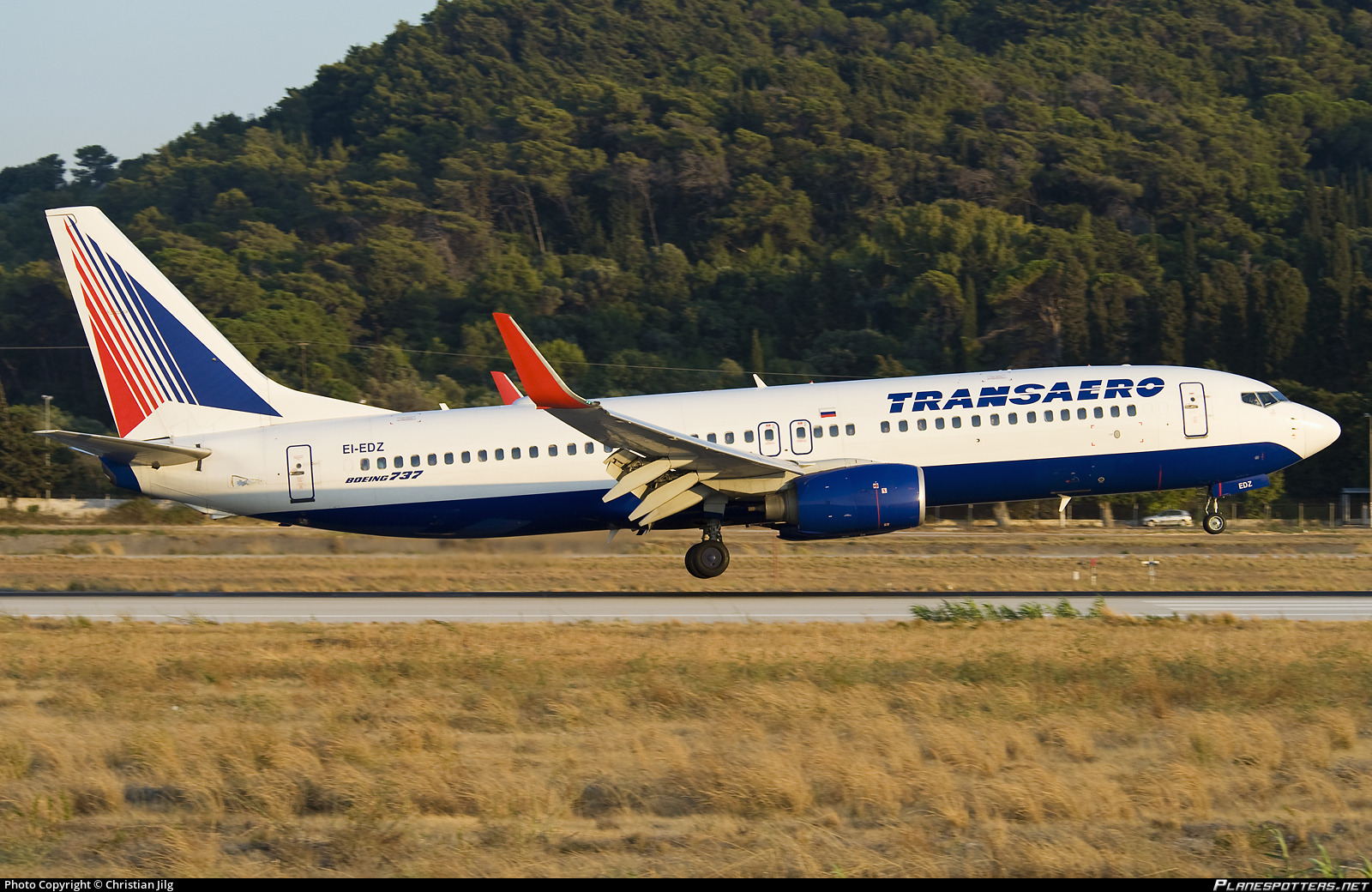
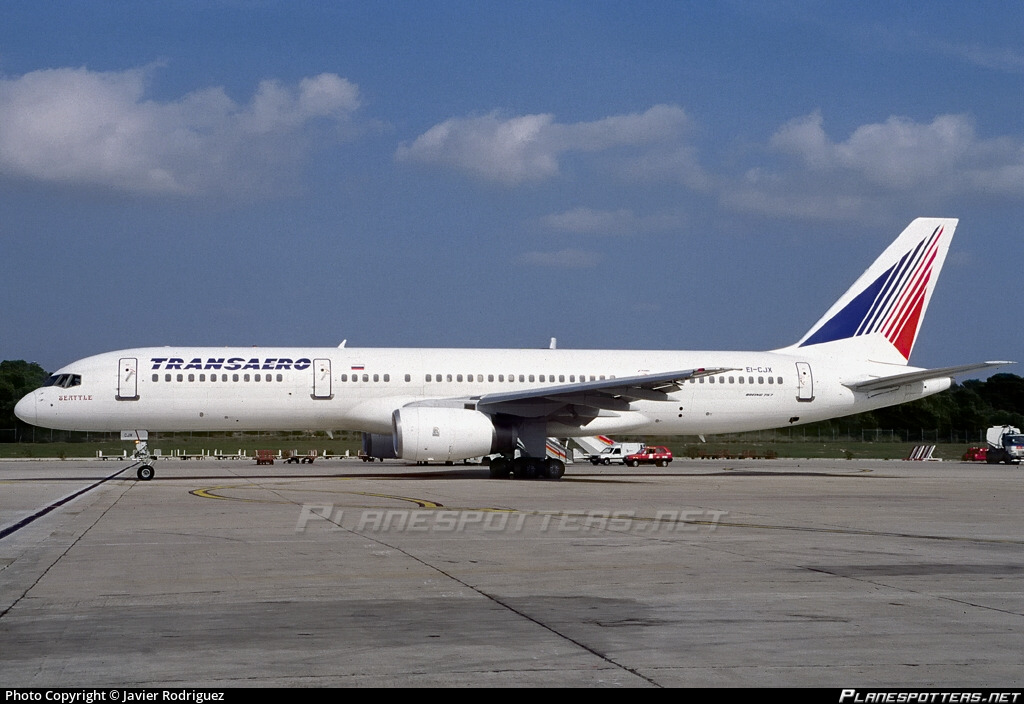
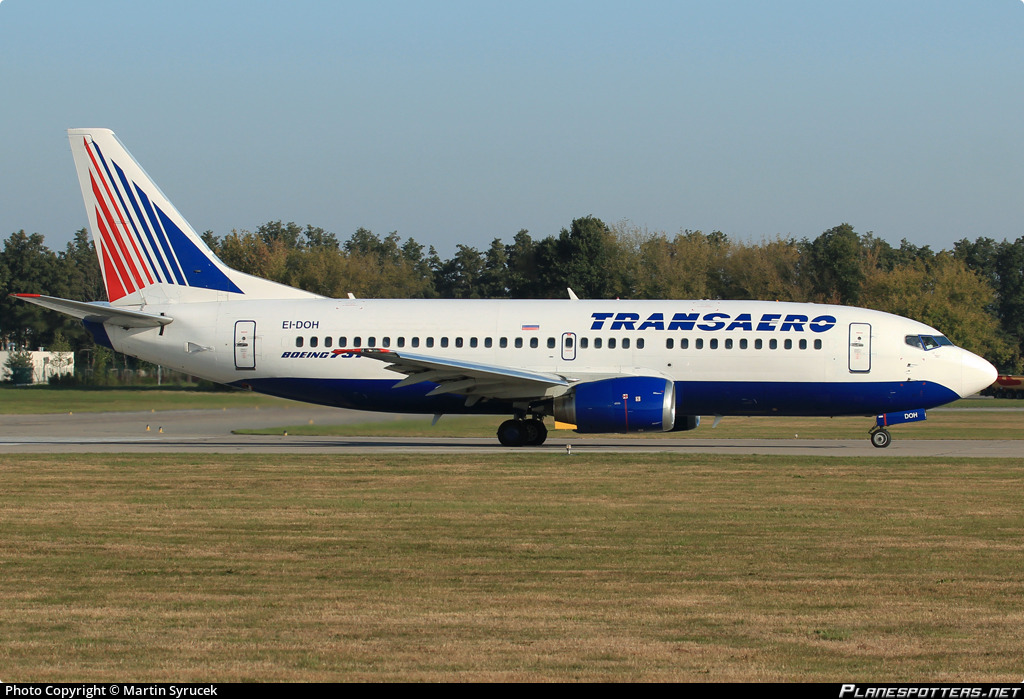
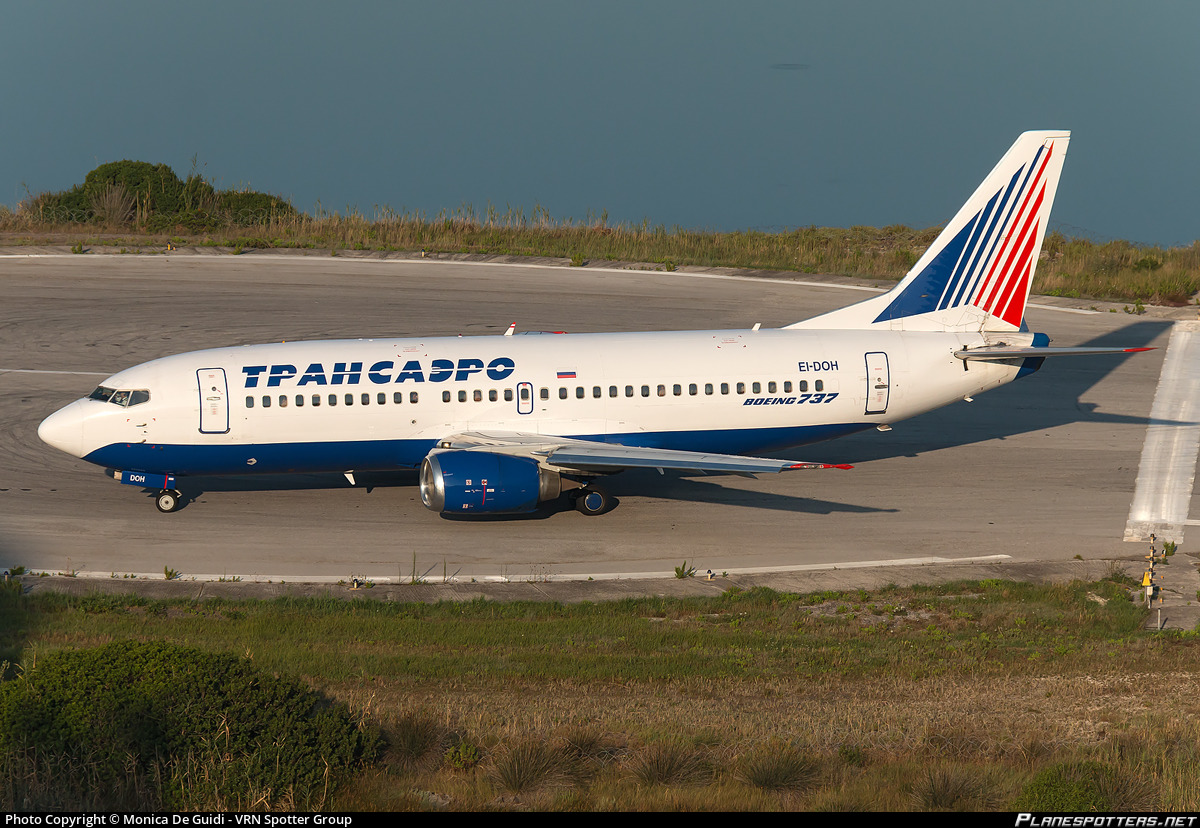
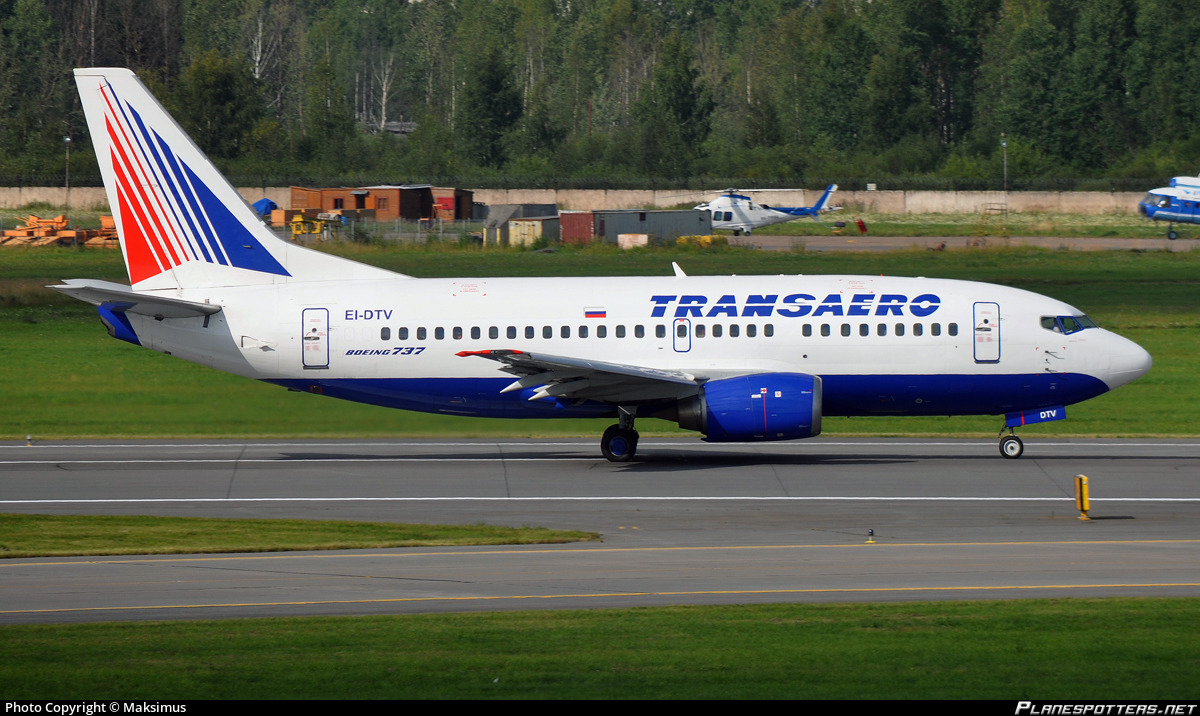
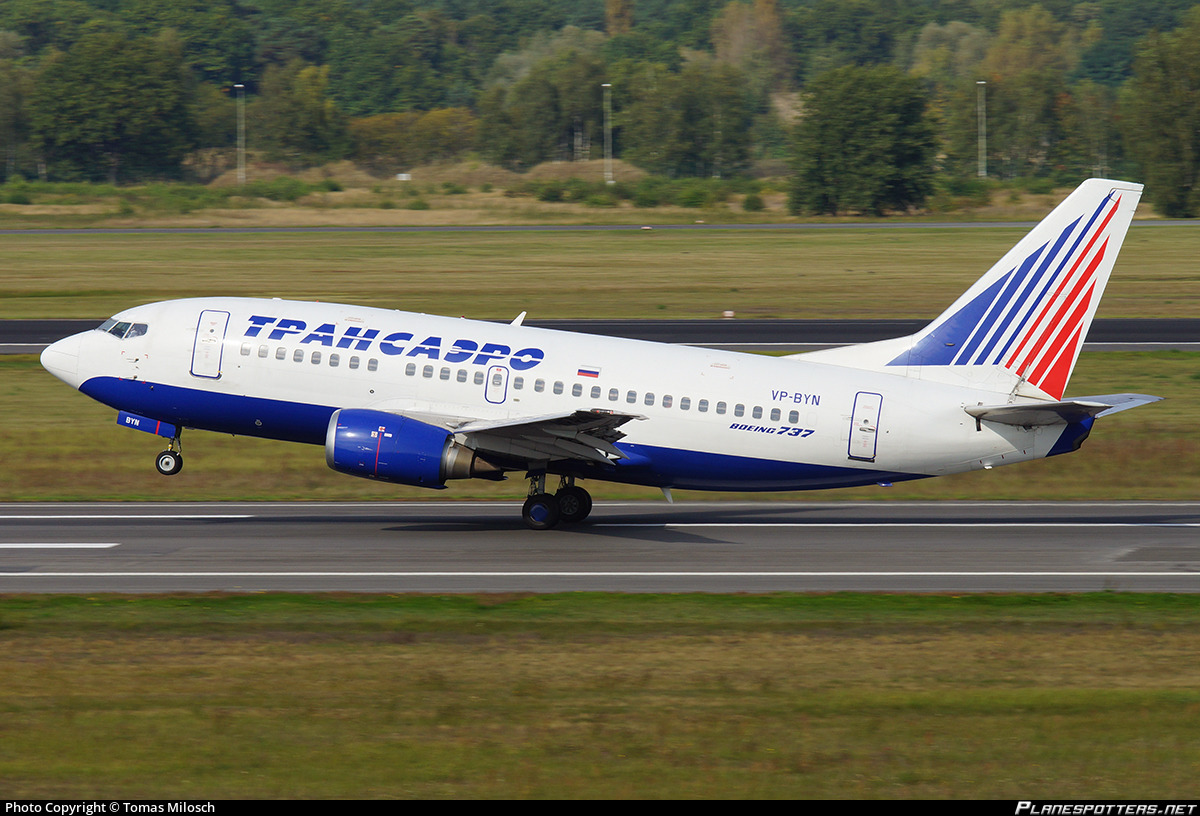
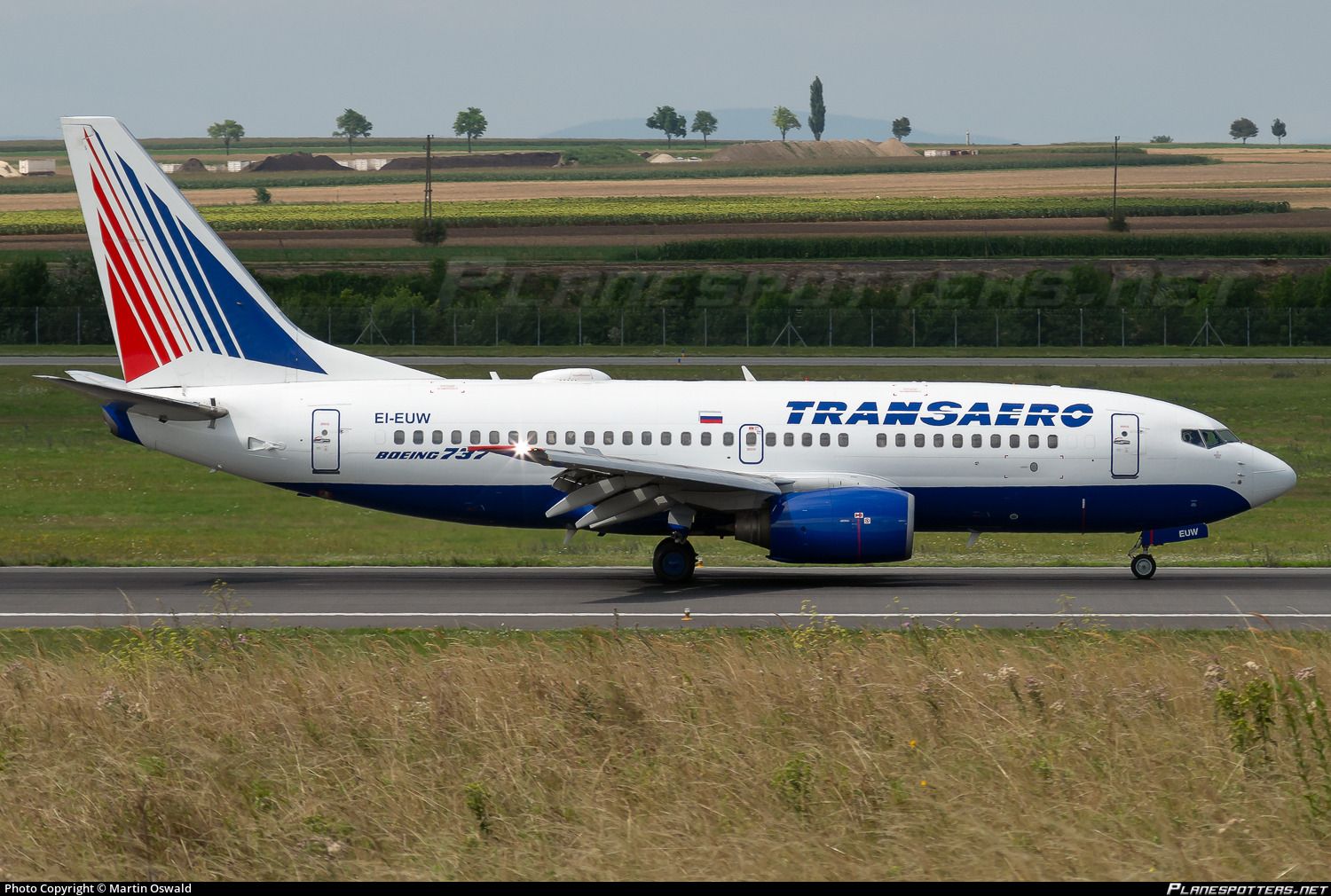
B733 (737-300) (4 operated),
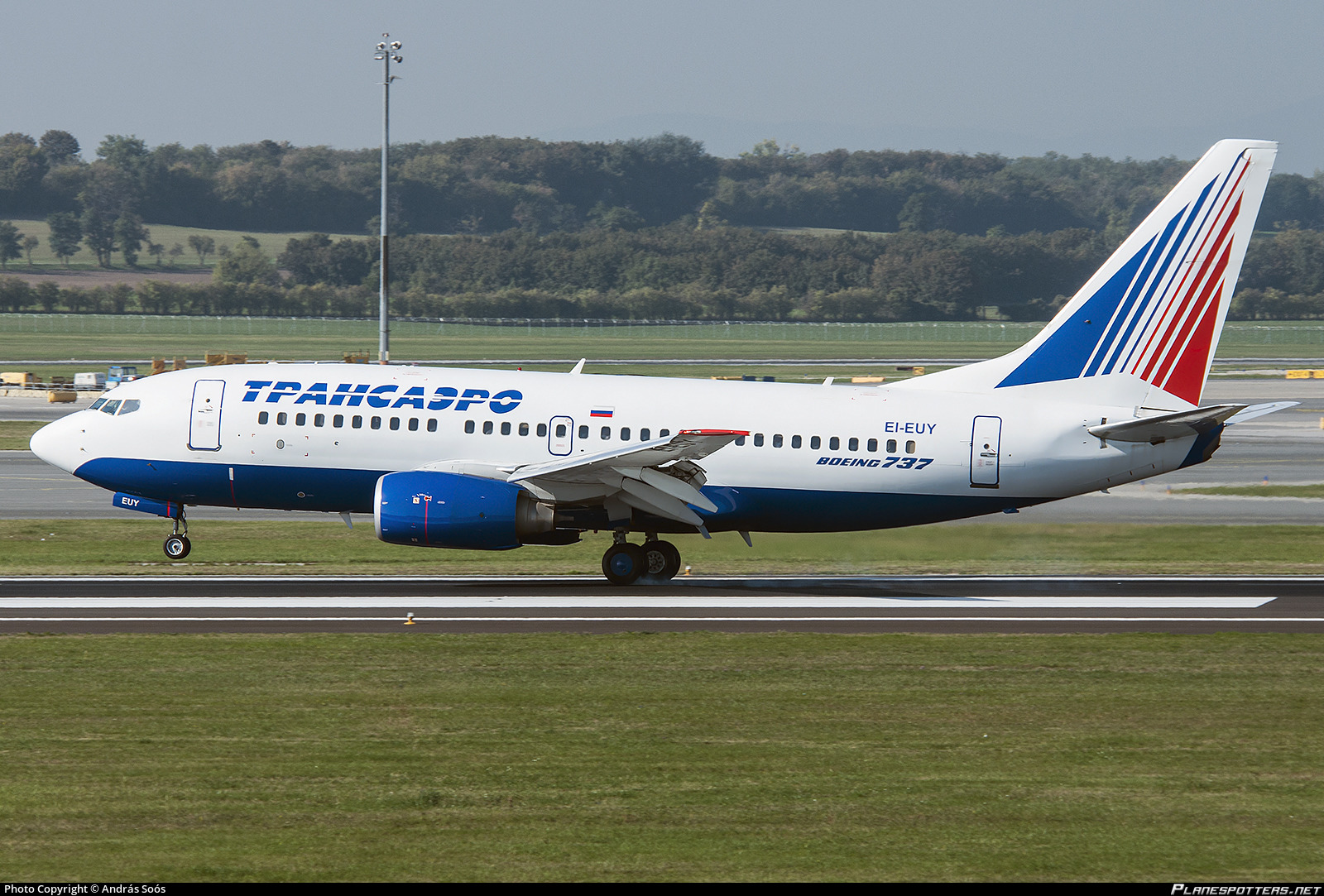
B735 (737-500) (15 operated),
B737 (737-700) (9 operated),
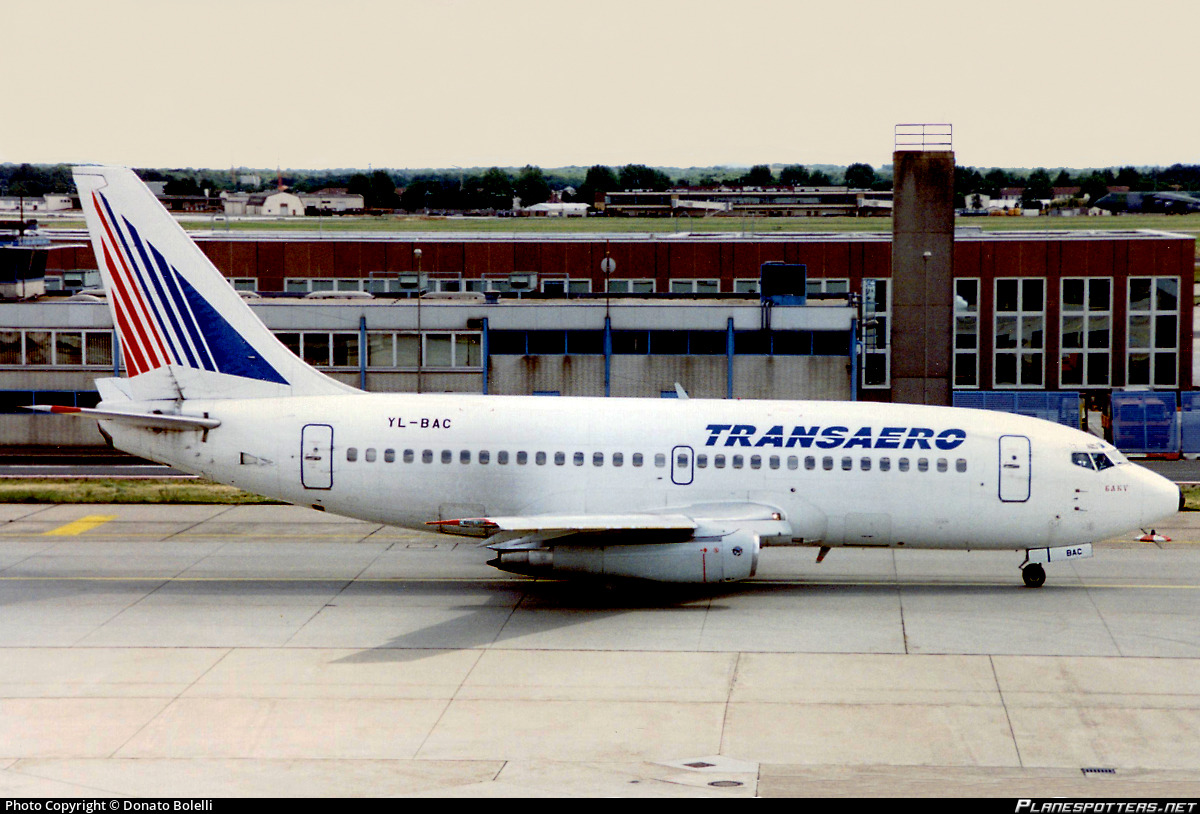
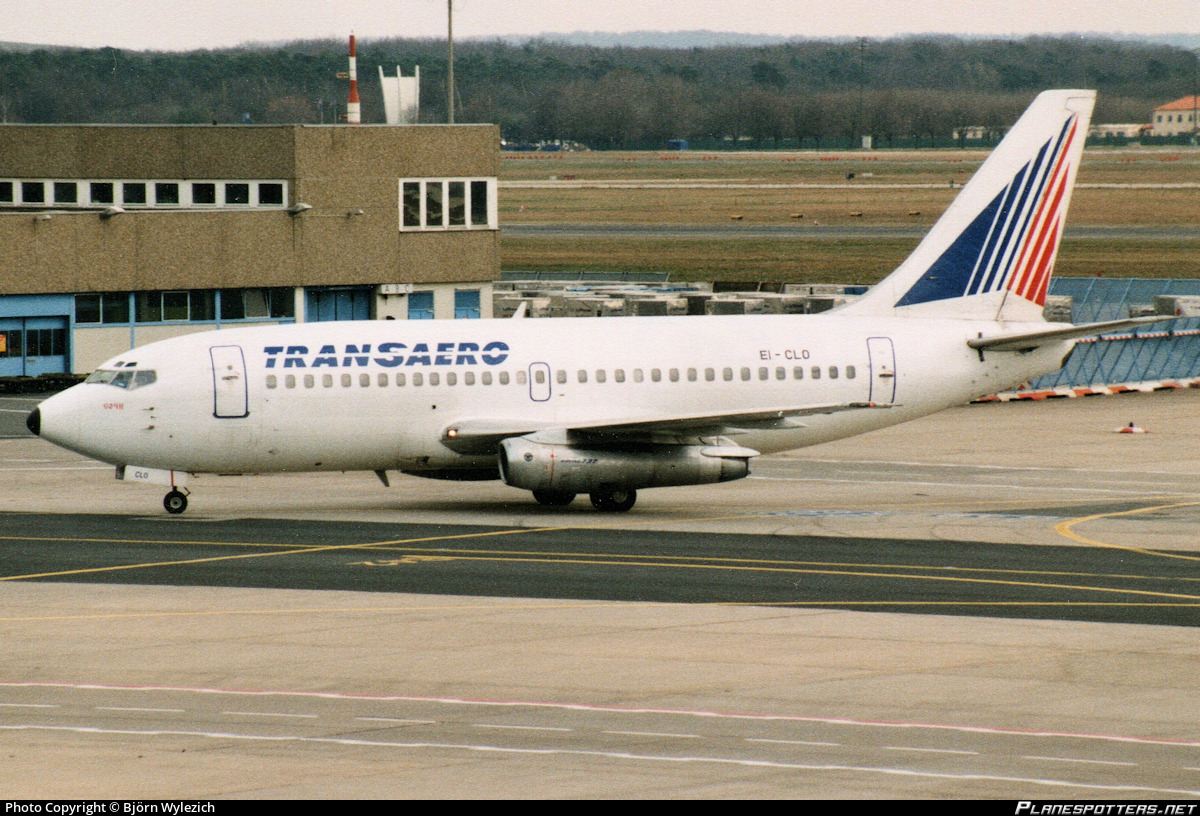
B732 (737-200) (6 operated),
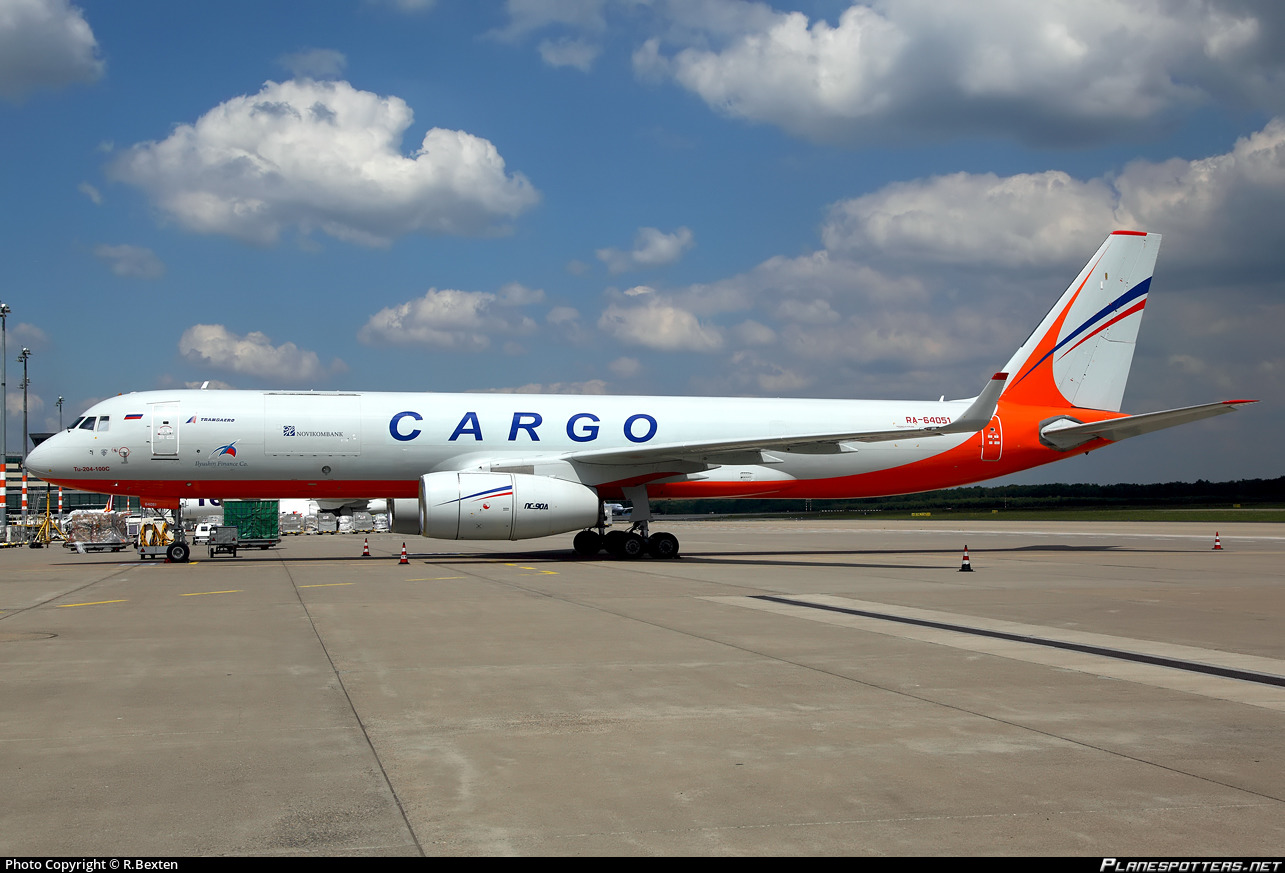
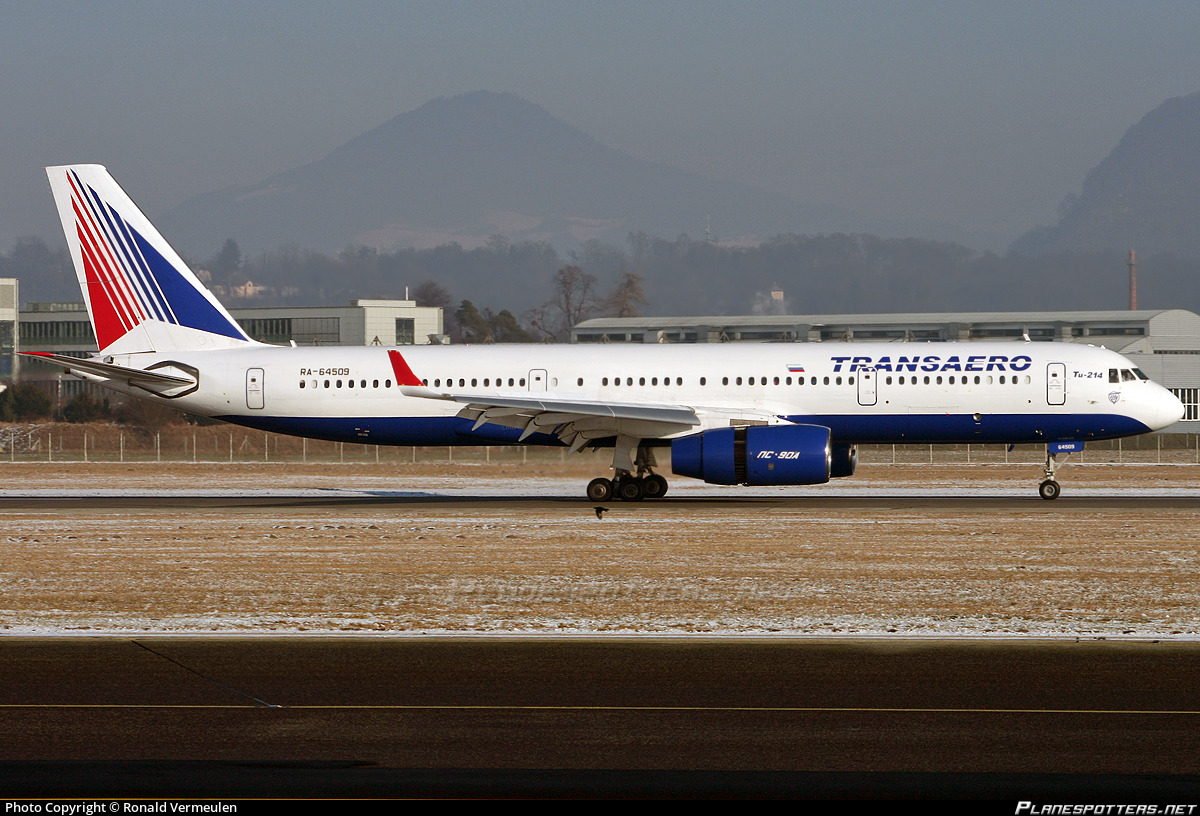
Also operated the TU 204 and 214.
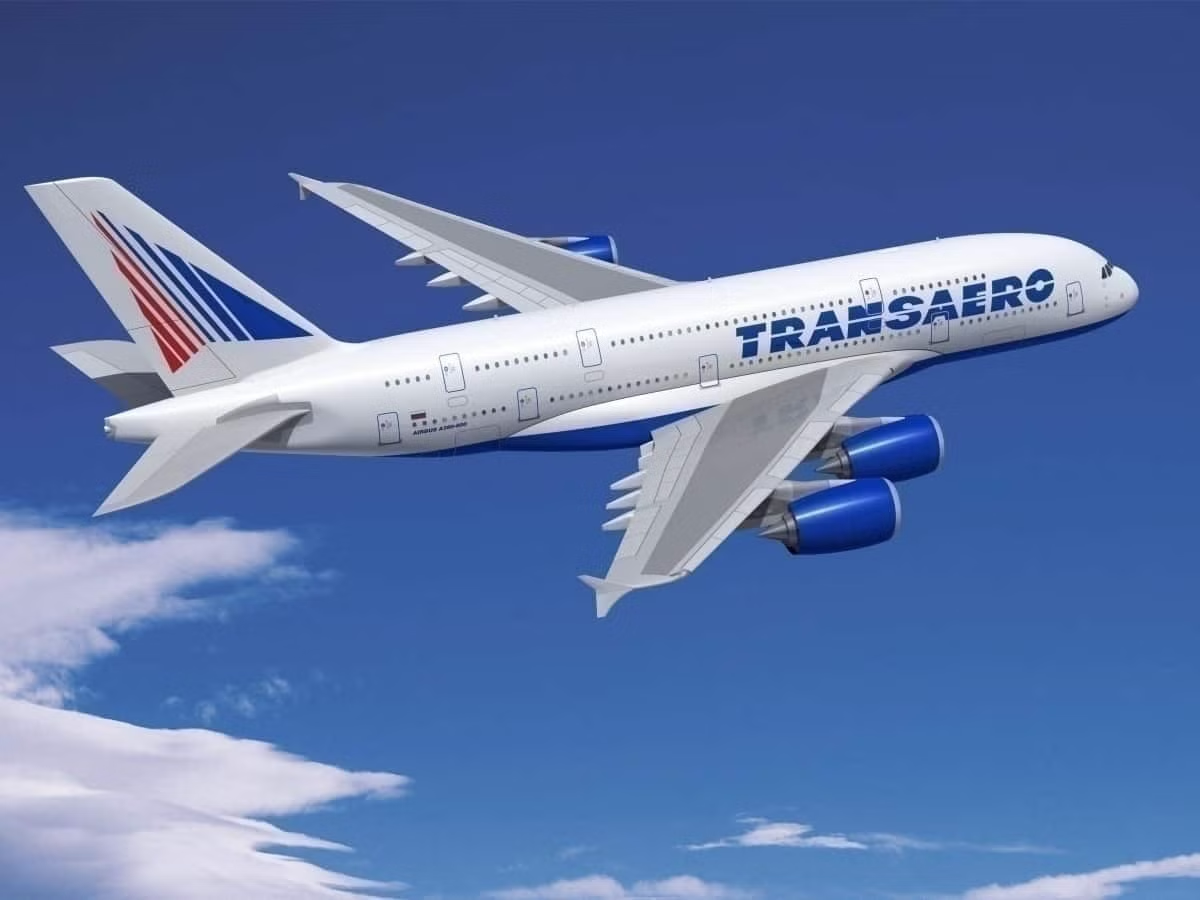
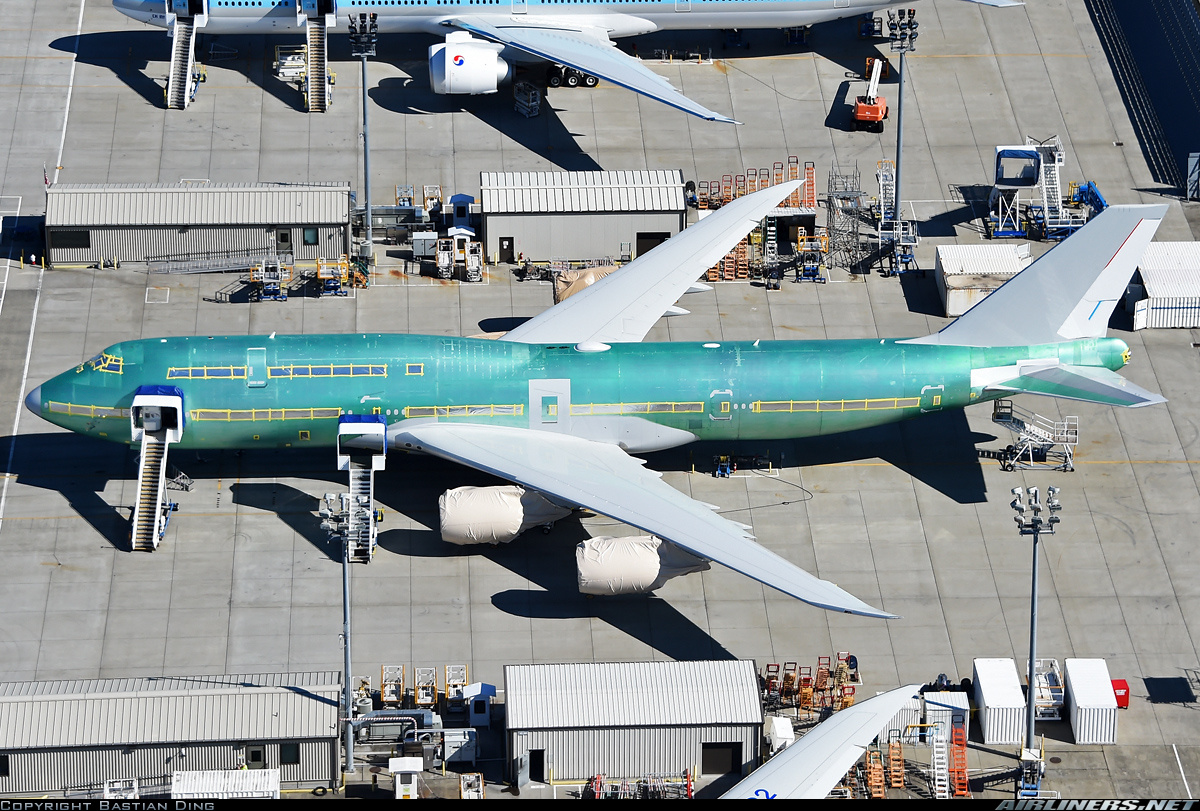
The airline also had orders for 2 A380s and 2 747-8i’s though the airline collapsed before delivery.
The 747-8i was built but never painted,
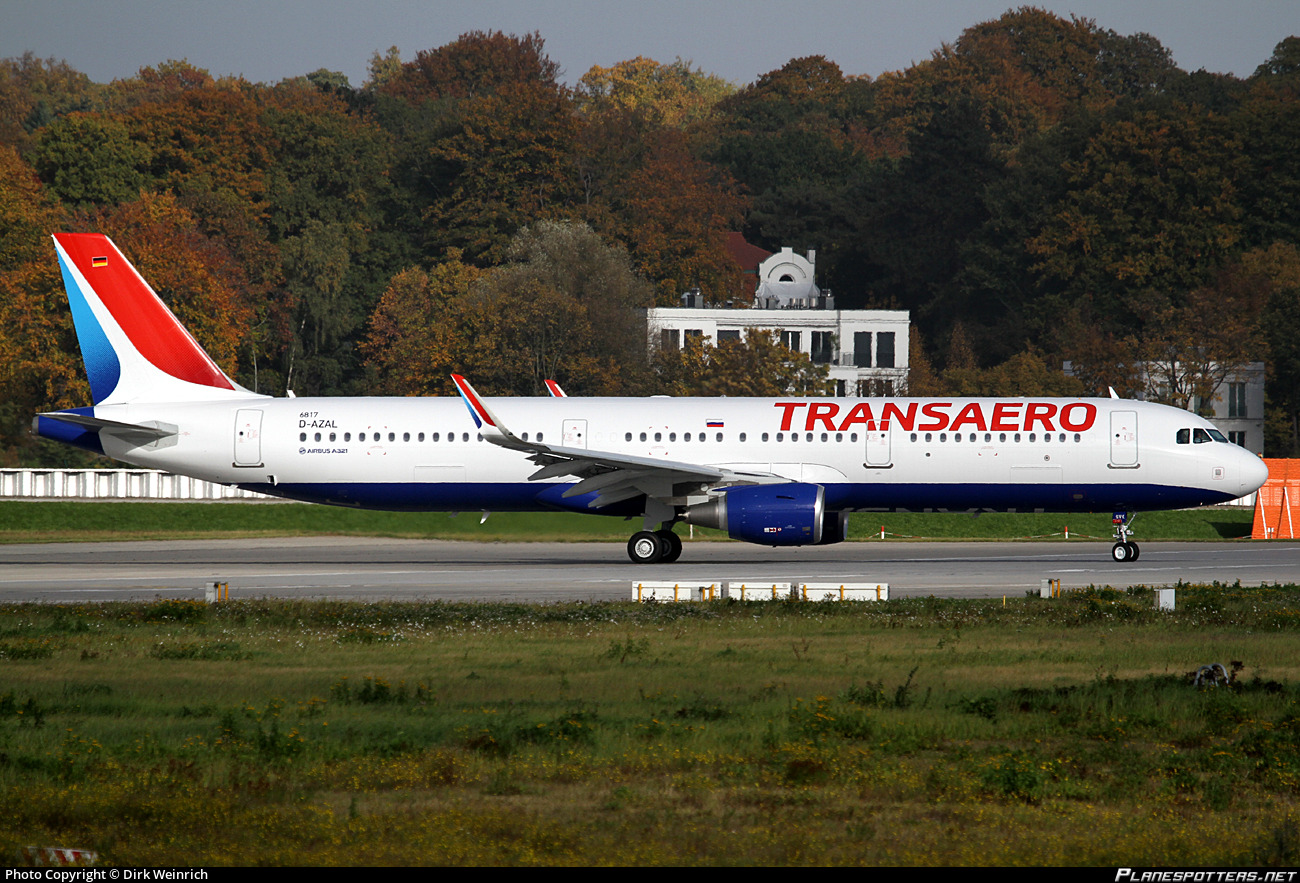

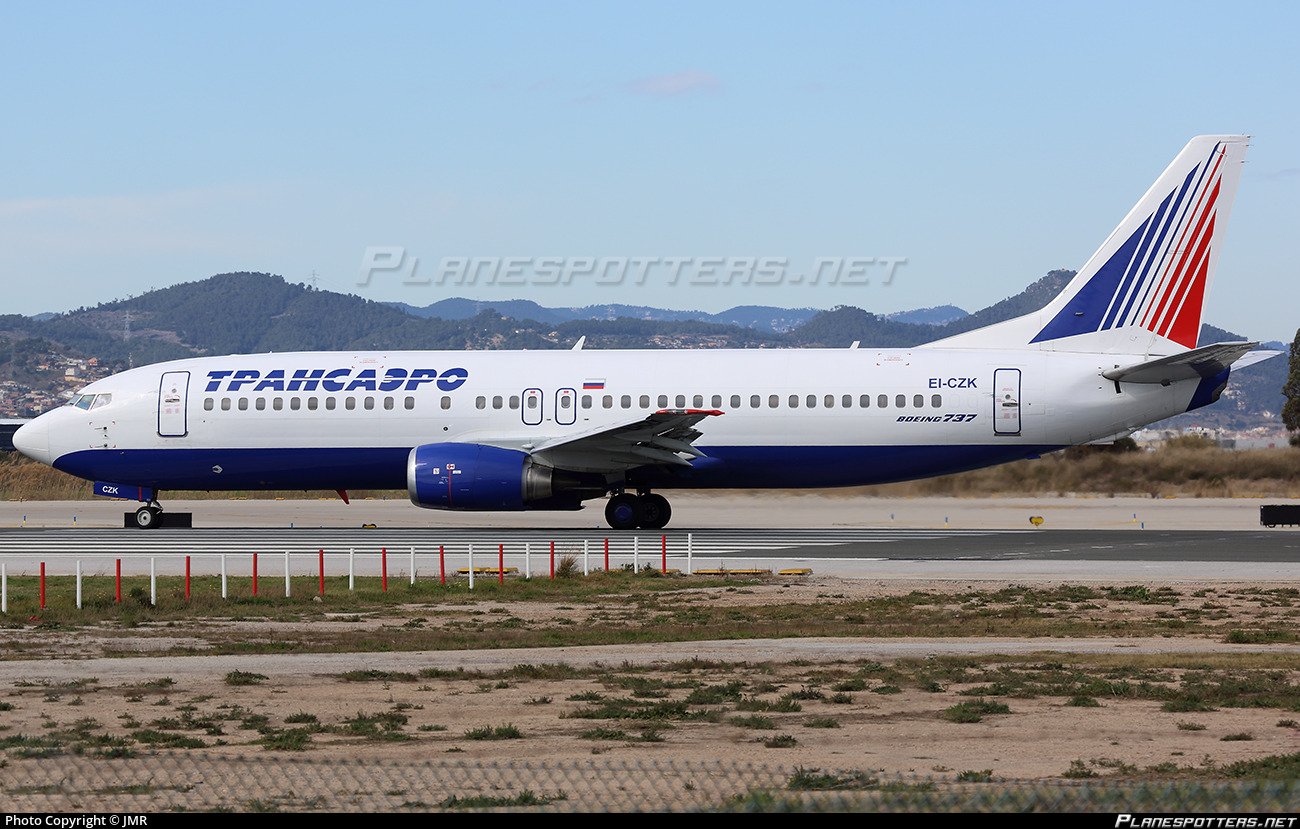
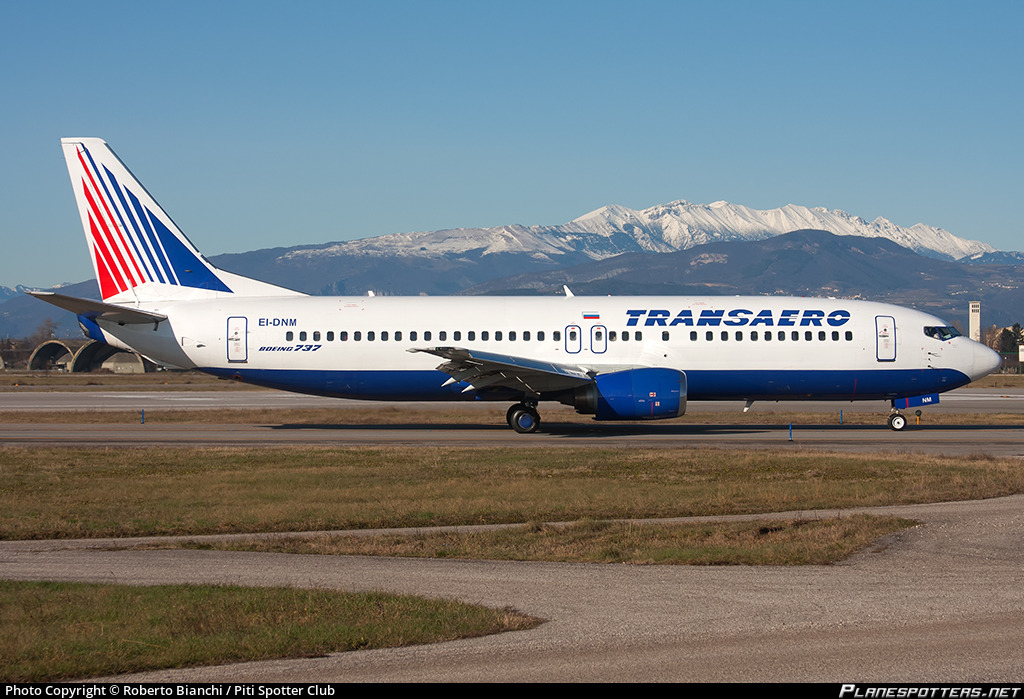
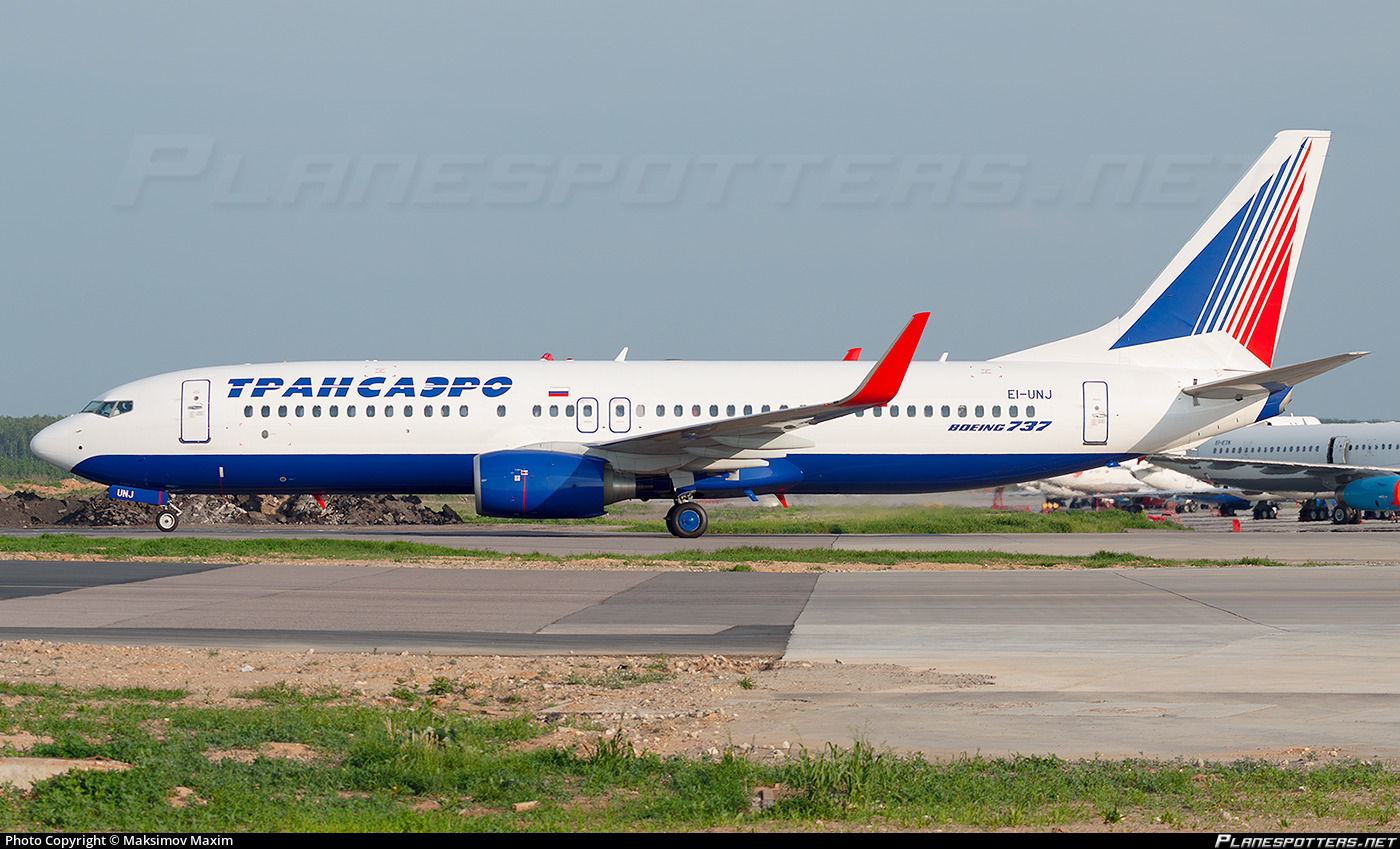
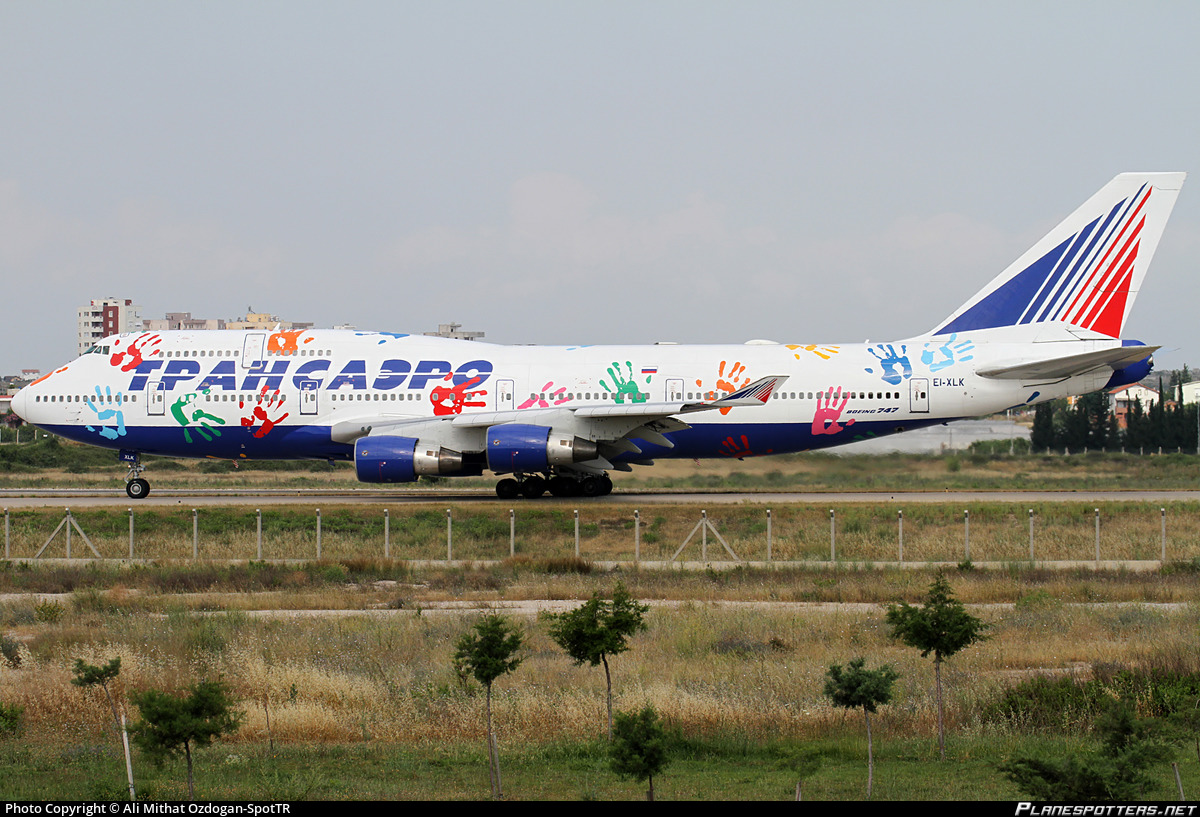
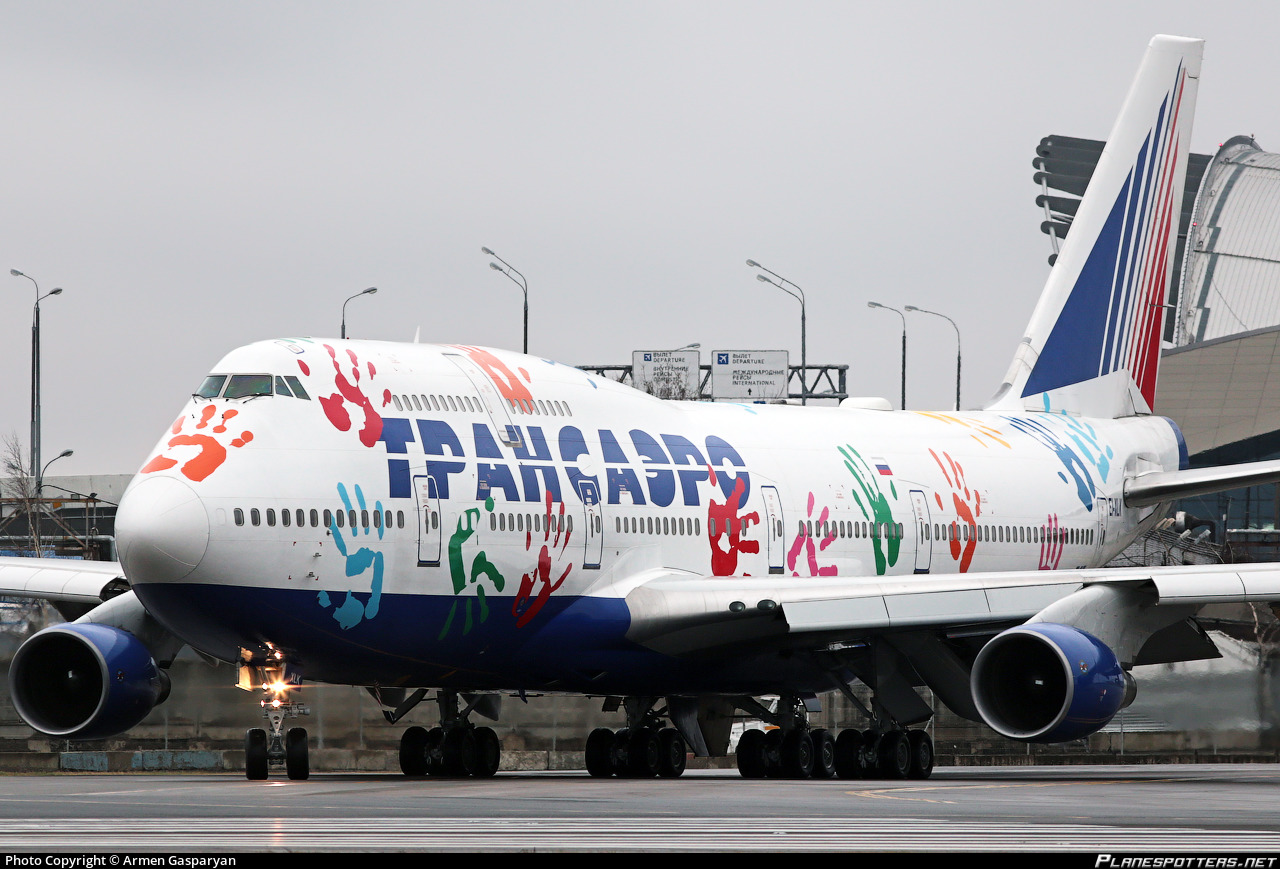
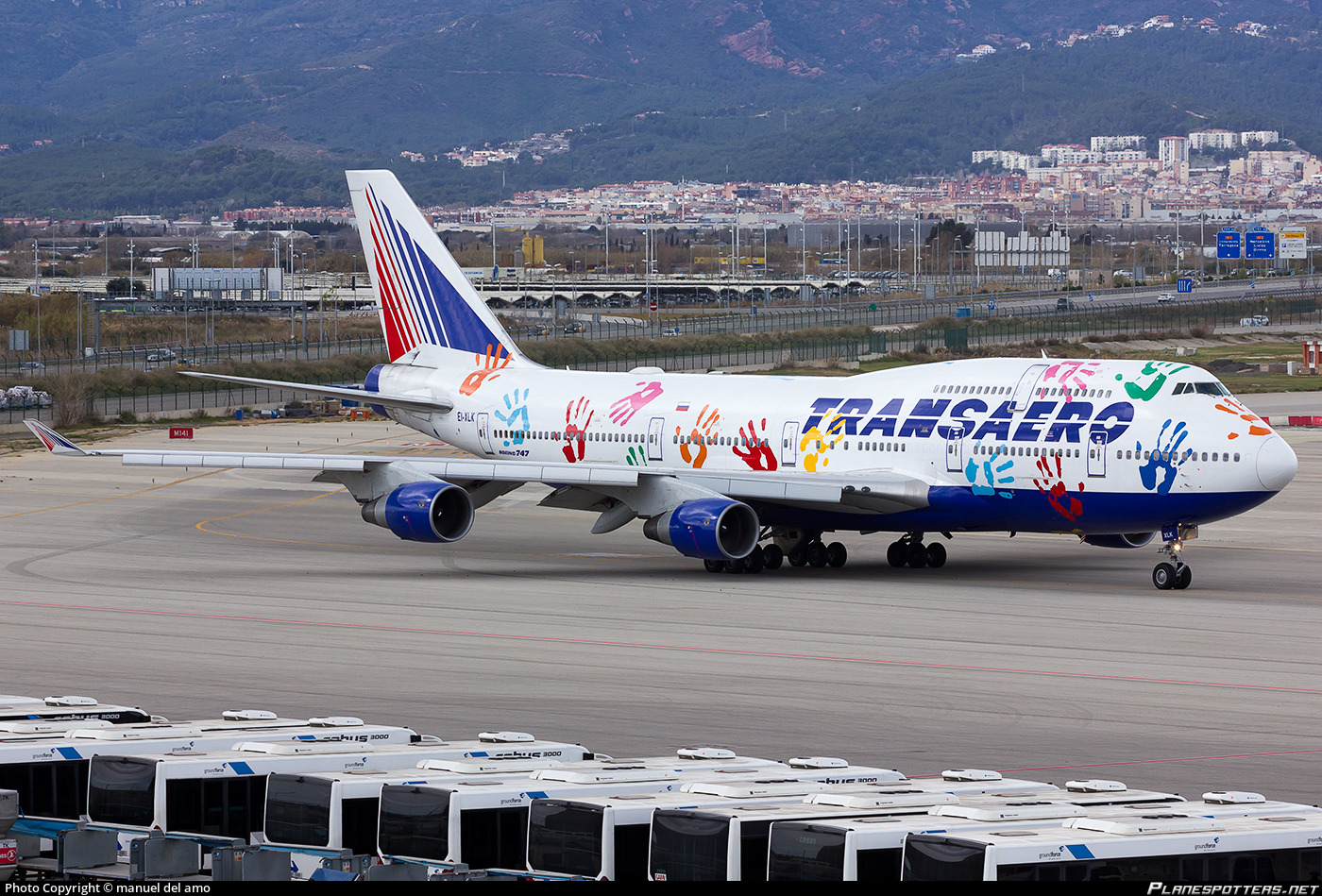
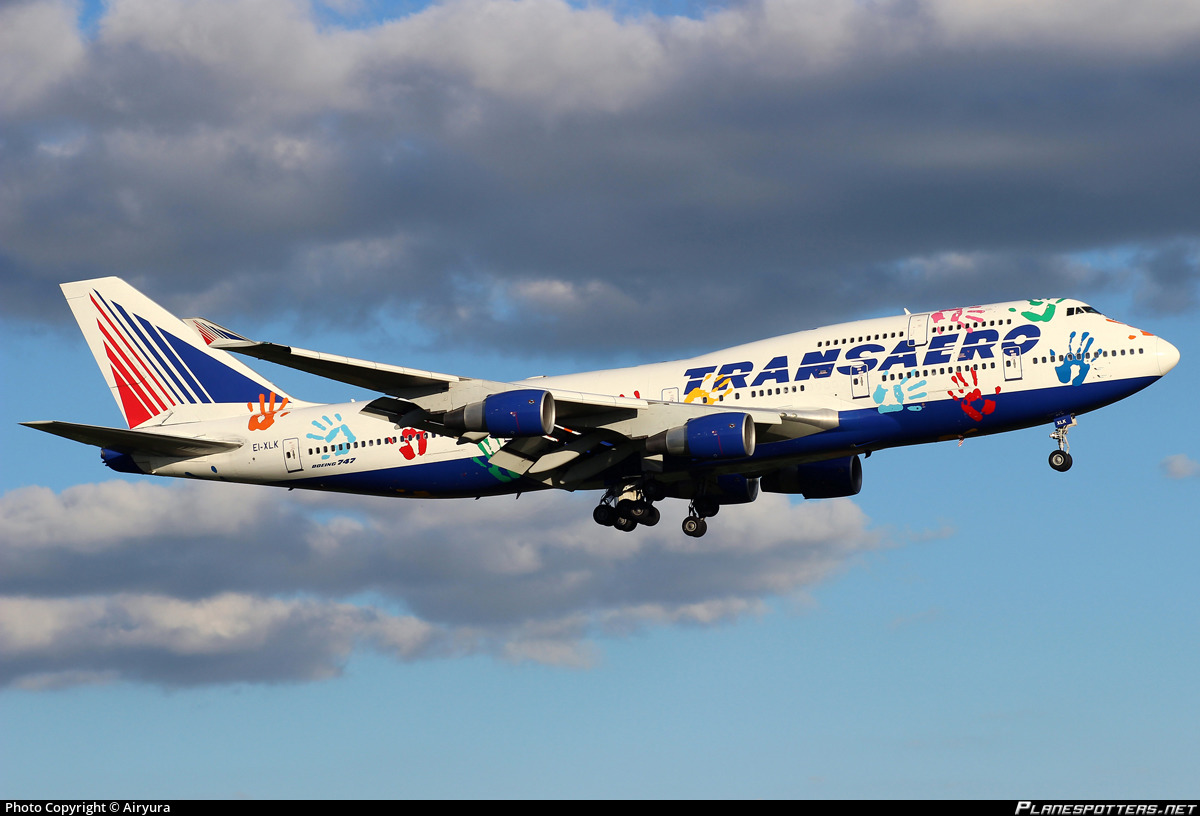

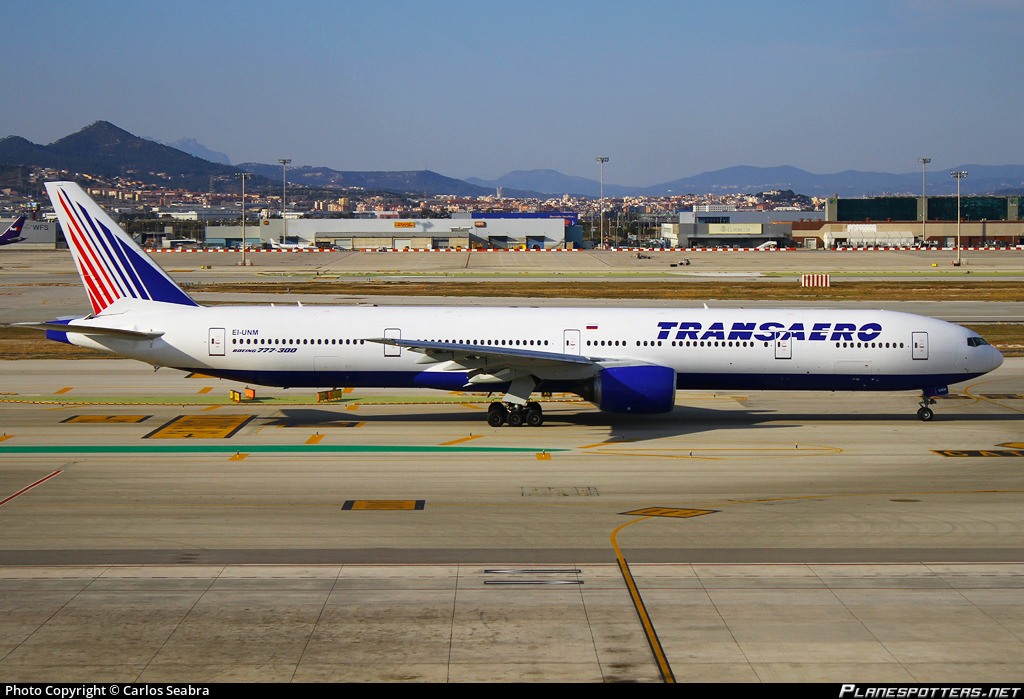
Why should this airline be added?
An airline founded in the late stages of the Soviet Union and lasting till it was killed off in 2015, this airline would be a good addition for an airline to serve Russia as it was quite famously killed off.The airline had racked up significant debts, especially after the ‘little green men’ incident and the sanctions placed on the Russian state because of it, as lot of Russians could no longer afford to holiday in Europe due to the collapse of the Ruble. Transaero started looking for a potential buyer or stakeholder that could inject capital into the airline to allow it to continue operations and clear some of the debt. In September 2015, the Russian state announced that Aeroflot would take over Transaero for the low cost of 1 Ruble, a deal Transaero had no negotiations in and had no will to take up. (What I find funny about this is the Economic Development Ministry said it would not result in a monopolisation of air travel in Russia, you know the state owned airline taking over the only other major international airline…)
By the 28th September, the deal hadn’t gone ahead and Aeroflot dropped the planned takeover. Scorned by this rebuttal Dmitry Medvedev declared Transaero bankrupt on October 2nd and forbade them to sell tickets. The banks that had loaned the money to Transaero were for this as they would be paid back by the government, but the stakeholders were very against it as they stood to gain nothing, however they changed their tune not long after.
On October 20th, Transaero reached a deal with the owner of S7 airlines who agreed to inject capital and acquire a controlling stake in the airline and had agreed a plan with the airlines creditors, being publicly announced on the 25th October 2015. However, this was not to the plane of the Russian government who after hearing the news, revoked the AOC of the airline the next day, permanently grounding them.
On November 4th, the deal was dropped between S7 and Transaero, even though S7’s owner, Vladislav Filev, said that the plan would work and he could restore Transaero as a fully functioning airline, to which the government refused and stated that once an AOC was revoked it could not be reinstated. The ironic aspect of the revoking of the AOC was on safety grounds as an airline with large debts couldn’t operate safely, ignoring the fact that many airlines in Russia had massive debts at the time and Transaero had an unblemished safety record and had been regularly viewed as the safest airline in the country.
The airline was already struggling due to the states tightening grip on private companies, in 2006 the state restricted foreign investment in key industries, one of which being aviation and began consolidating the assets of those companies which meant private ventures had to compete against state controlled companies with unlimited capital behind them. This was noticeable in the relationship between Transaero and Aeroflot. Aeroflot had up until 2009 been privatising aspects of the airline, but changed tactics not long after as it noticed its turnover was less than Transaeros with 24% compared to 30% and its cargo turnover was falling whilst Transaeros was rising. Aeroflot thusly began re-nationalising its private ventures and buying shares in its competitors such as Rossiya, Kavminvodyavia, Orenair, Vladivostok Air, Donavia, and SAT Airlines as it planned to increase its market share to 36% by 2015 and 40% by 2020. The Federal Anti-Monopoly Service said that they might prohibit Aeroflot from undertaking any mergers or acquisitions in the future if its domestic market share exceeded 35% but as of 2020 it had reached 42% and they hadn’t restricted anything. The majority of this market share increase came from the fall of Transaero, especially now that Aeroflot is really the only airline undertaking long haul operations where Transaero previously was its only competitor, further highlighting the potential for the states involvement in their cessation.
A lot of the above I already had a basic understanding of but credit has to go to Admiral Cloudberg, a chap who does some incredible write ups regarding aircraft accidents and whom covered Transaero’s decline for his dissertation. The Google doc itself isn’t available anymore, or at least not for me, but I had already read the document a couple of years back and I still retain access, hence how I got the information.
This airline would be a great one to see as it represented an era in Russian aviation where there was a real feeling of optimism and competition was alive. Plus, it had a large varied fleet of Boeing aircraft with many 747s and the potential for the A380 and 747-8i which we sadly never got to see.