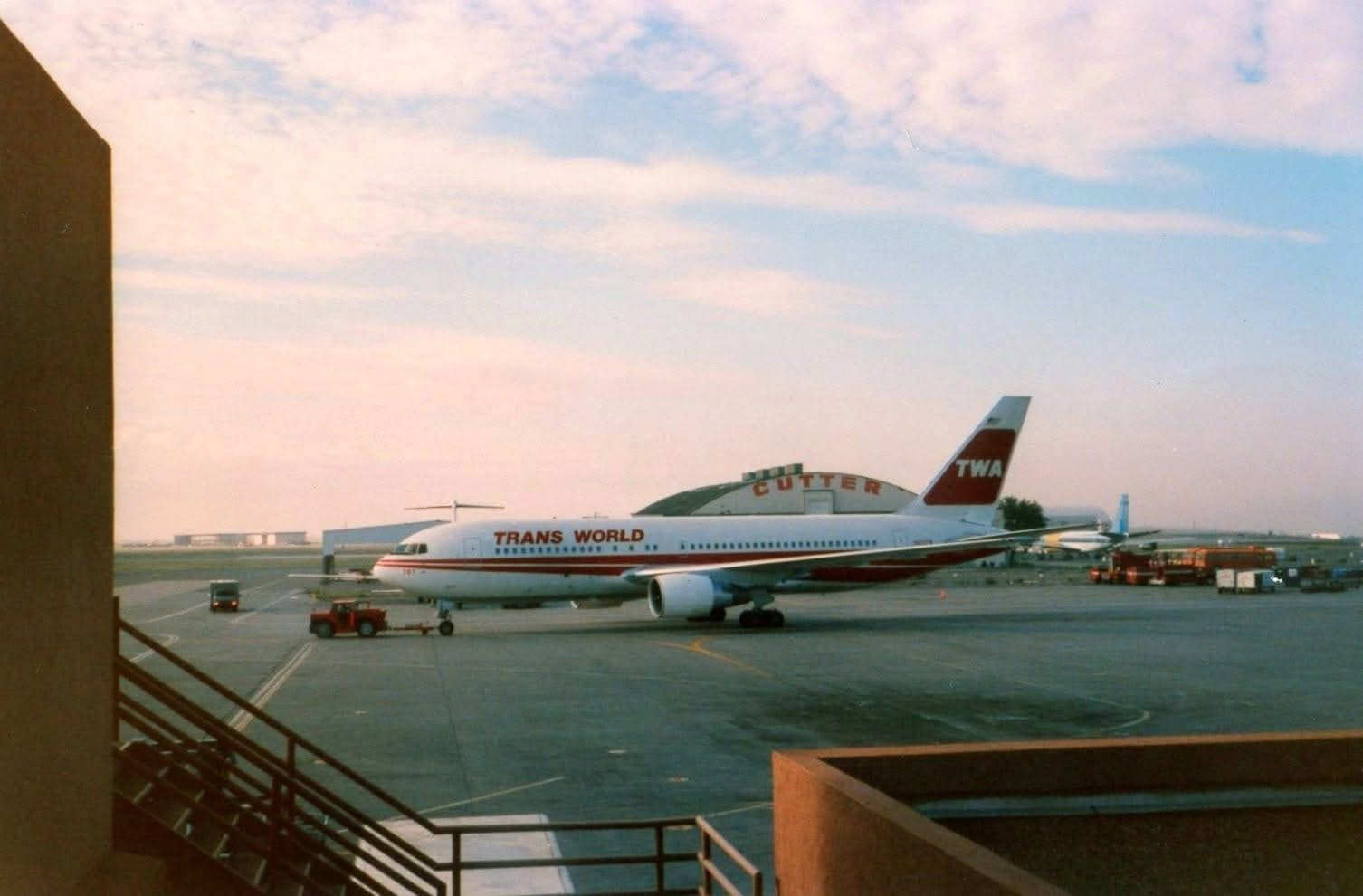
Airport Name and ICAO/IATA Code
Albuquerque International SunportIATA: ABQ / ICAO: KABQ / FAA LID: ABQ
Founded in 1939, at the time known as Albuquerque Municipal Airport

Location (City, Country)
Albuquerque, Bernalillo County, New Mexico, United States of America ()
Airport Type & Size
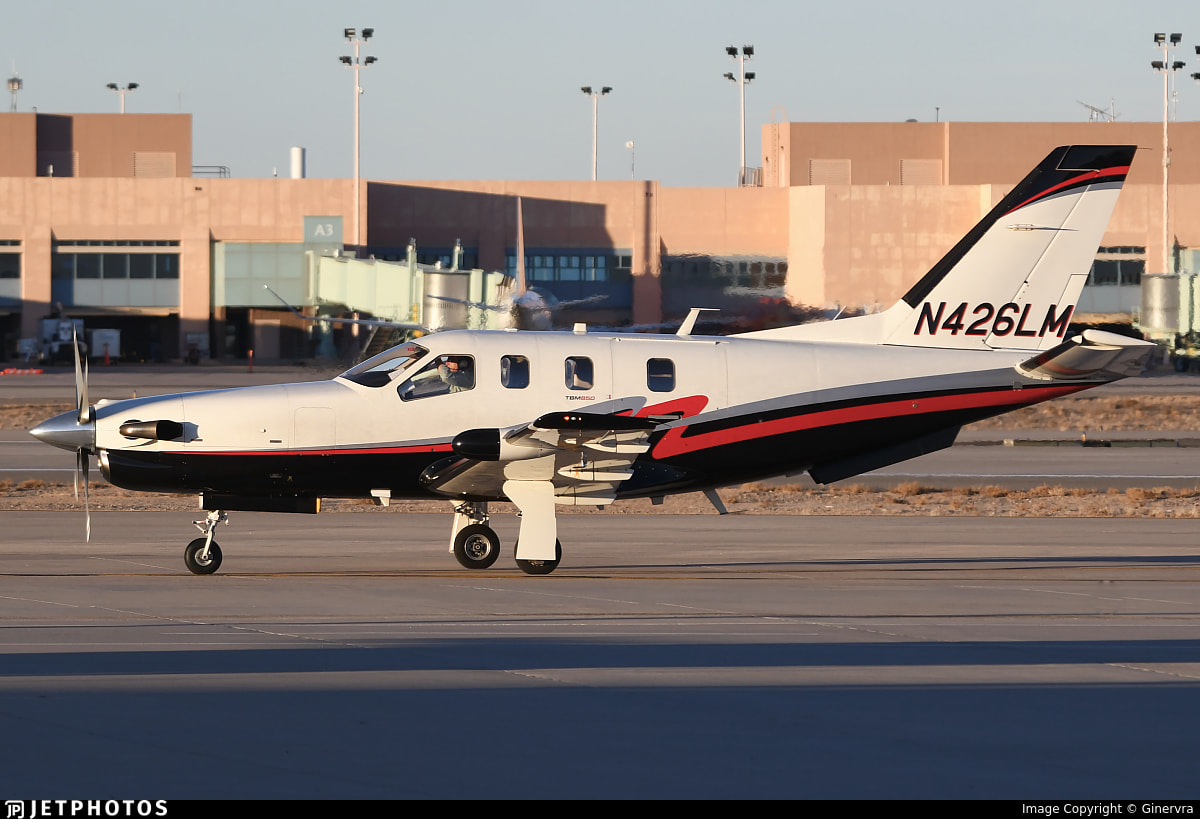
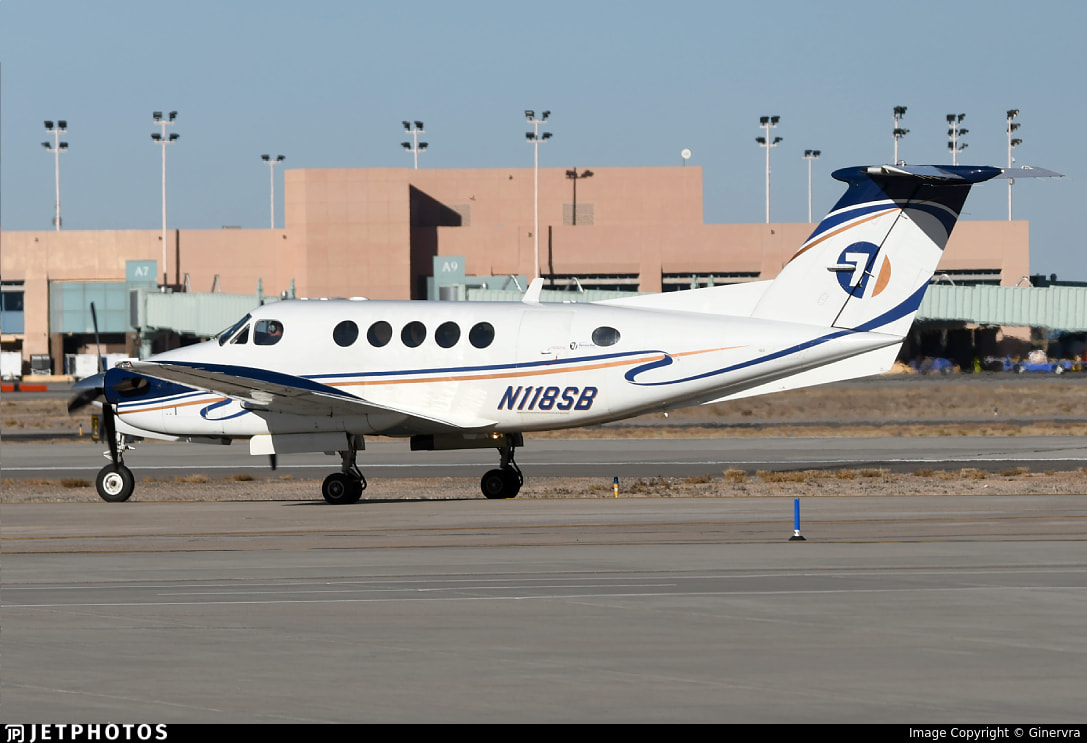
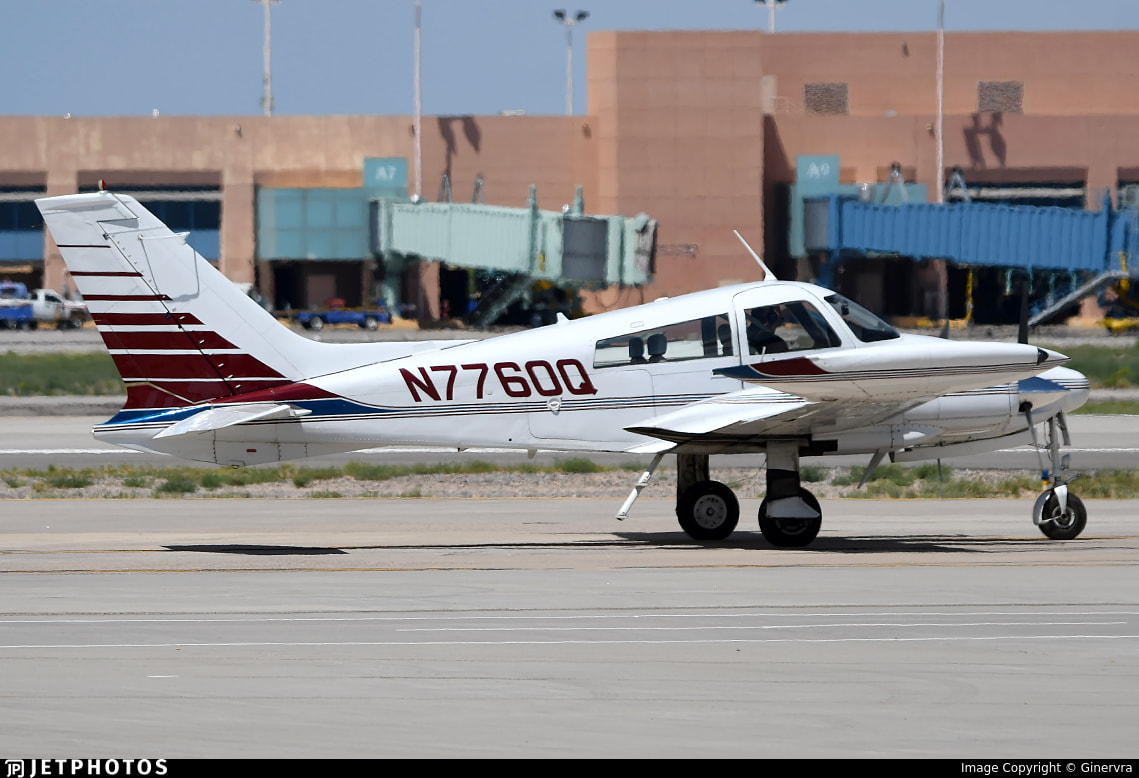
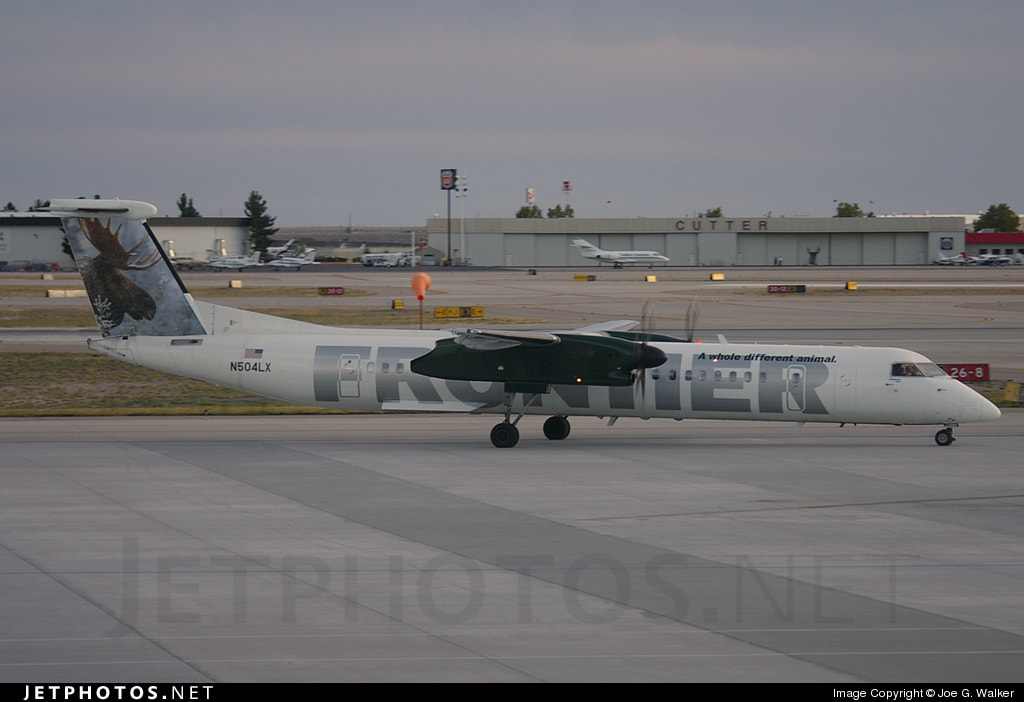
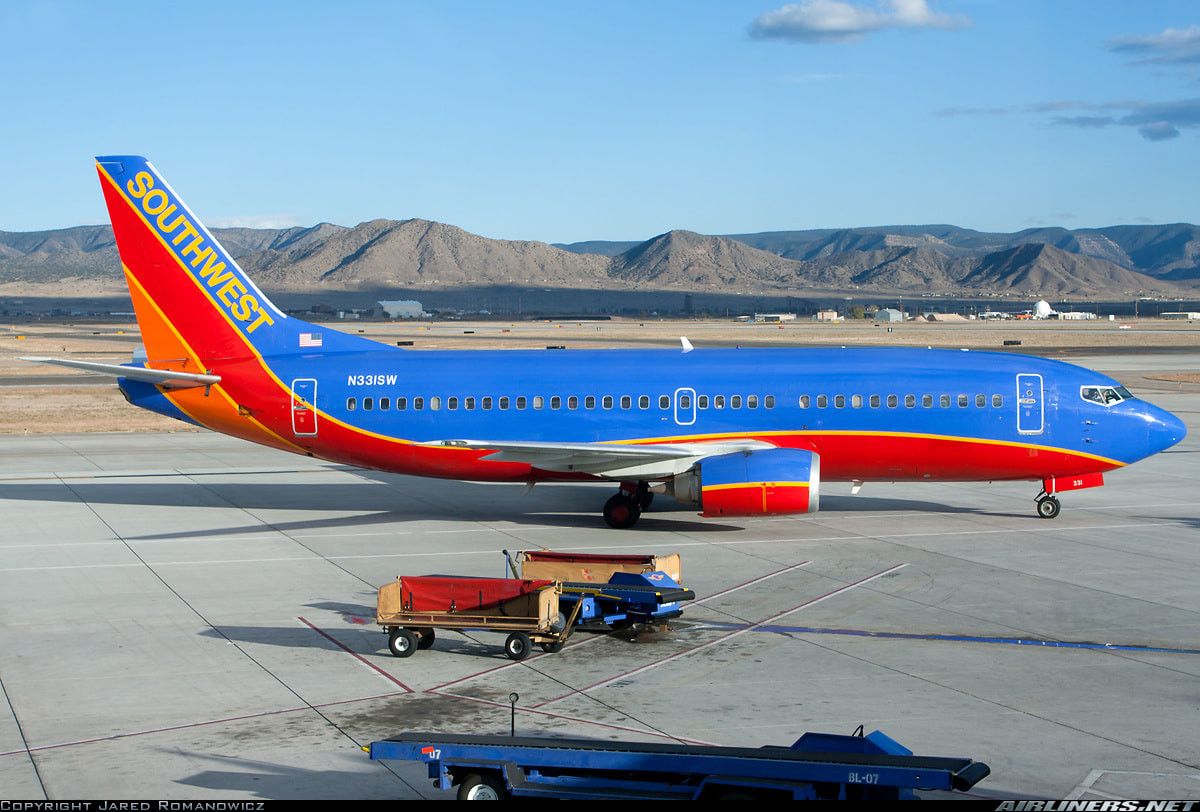
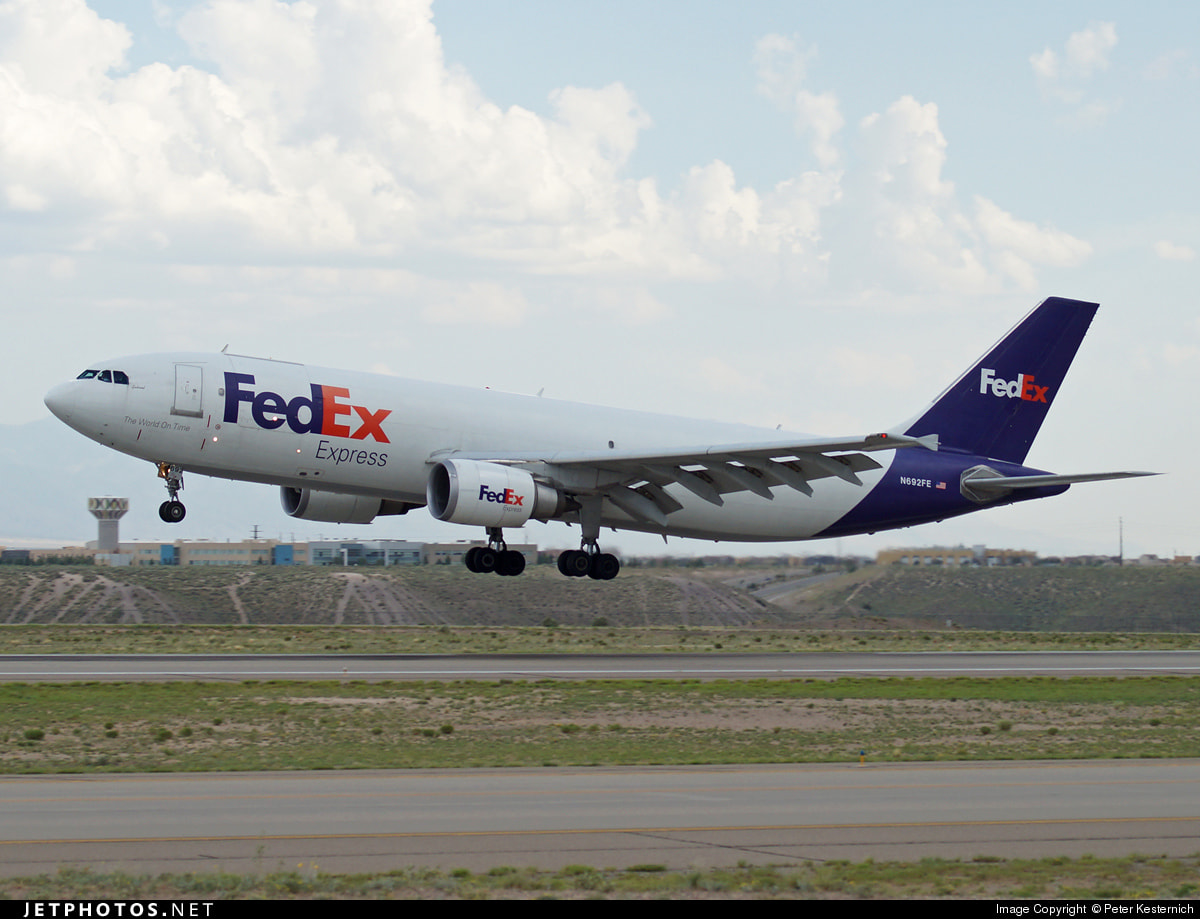
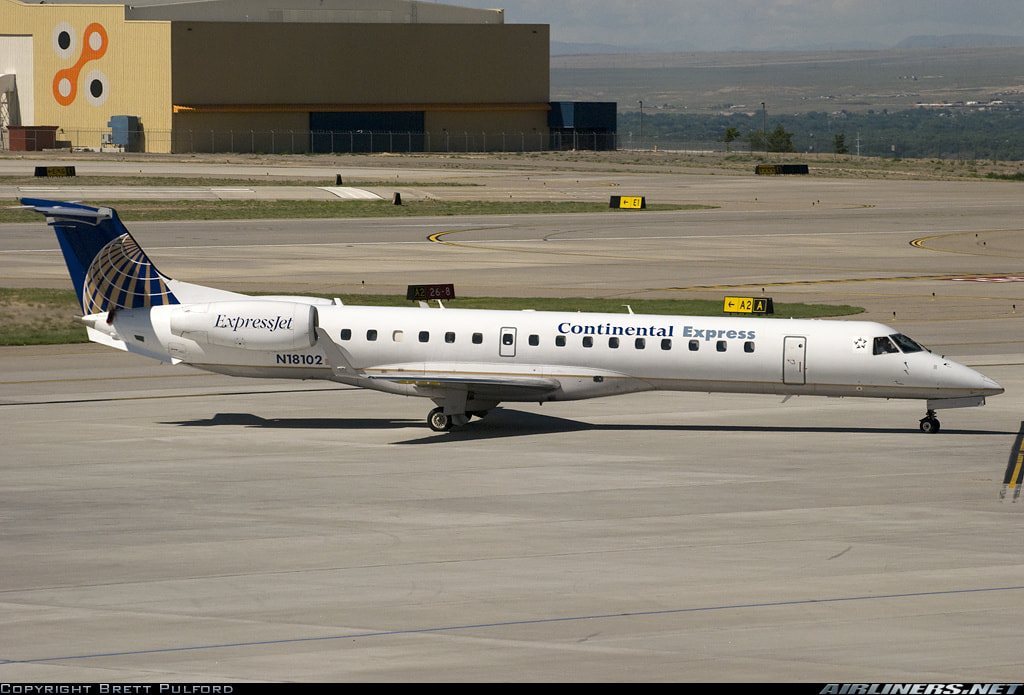
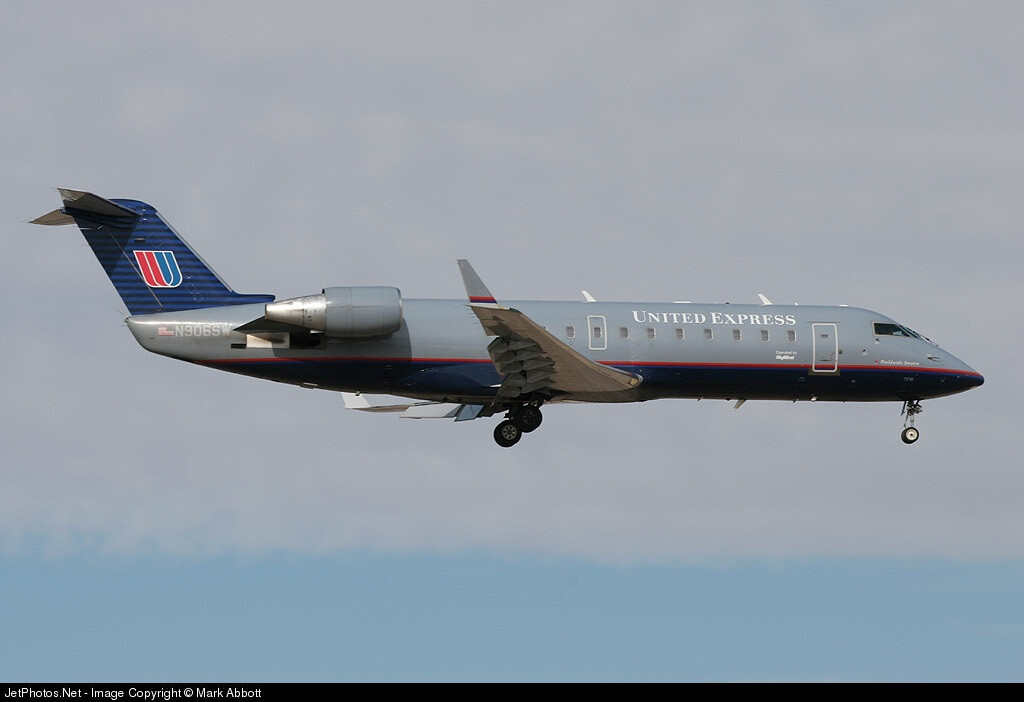
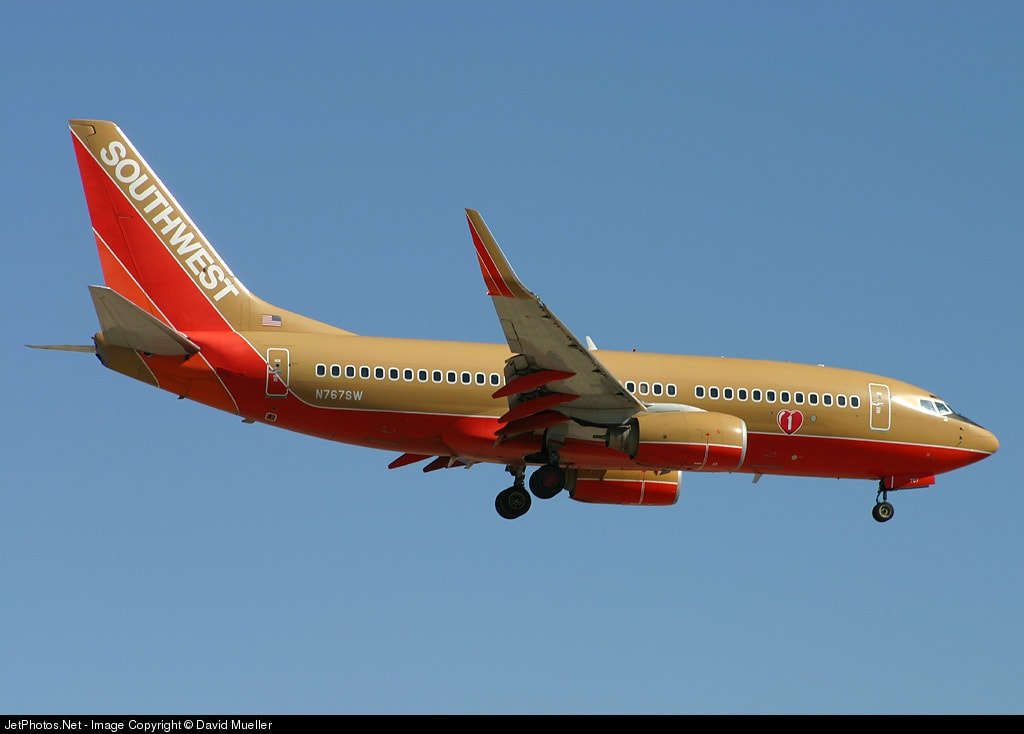
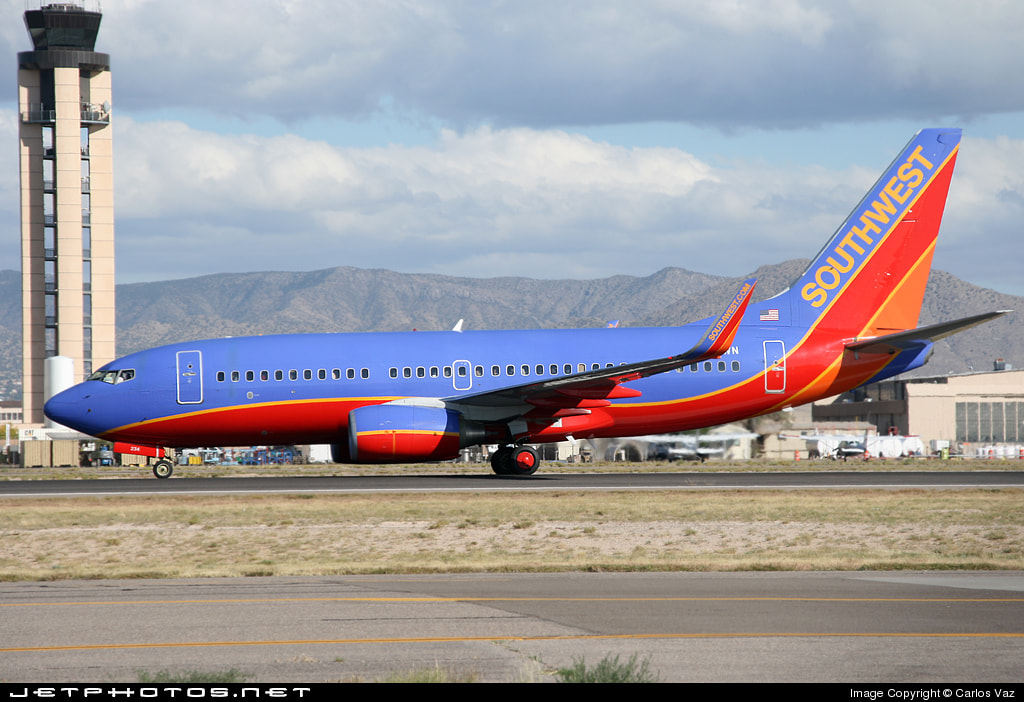
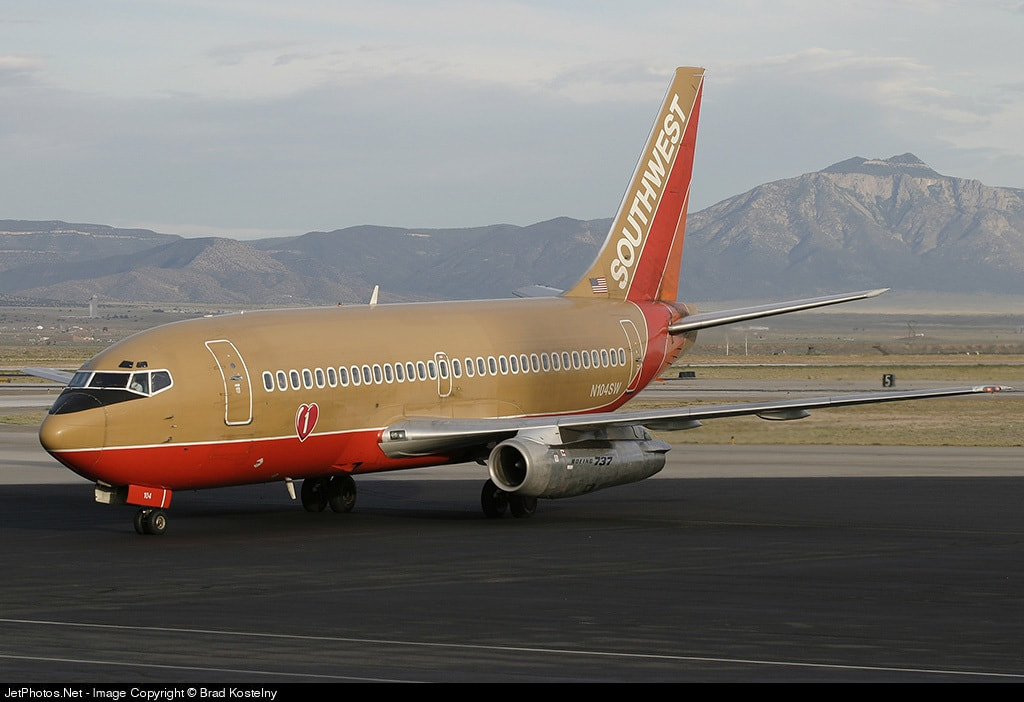
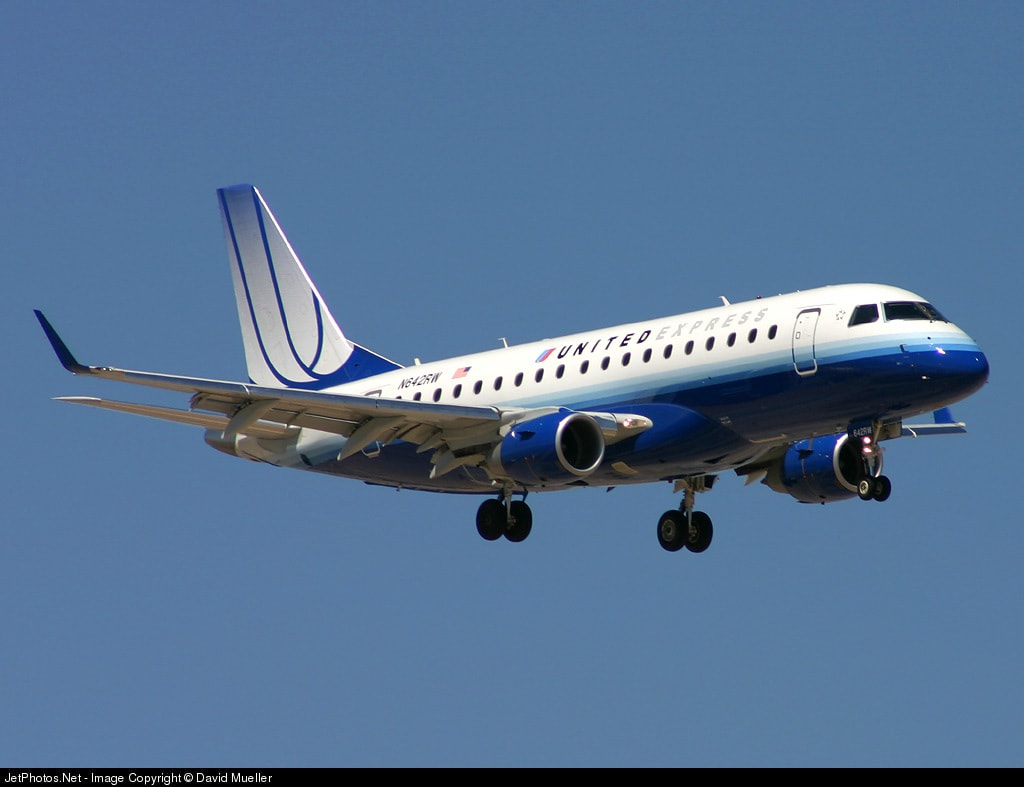
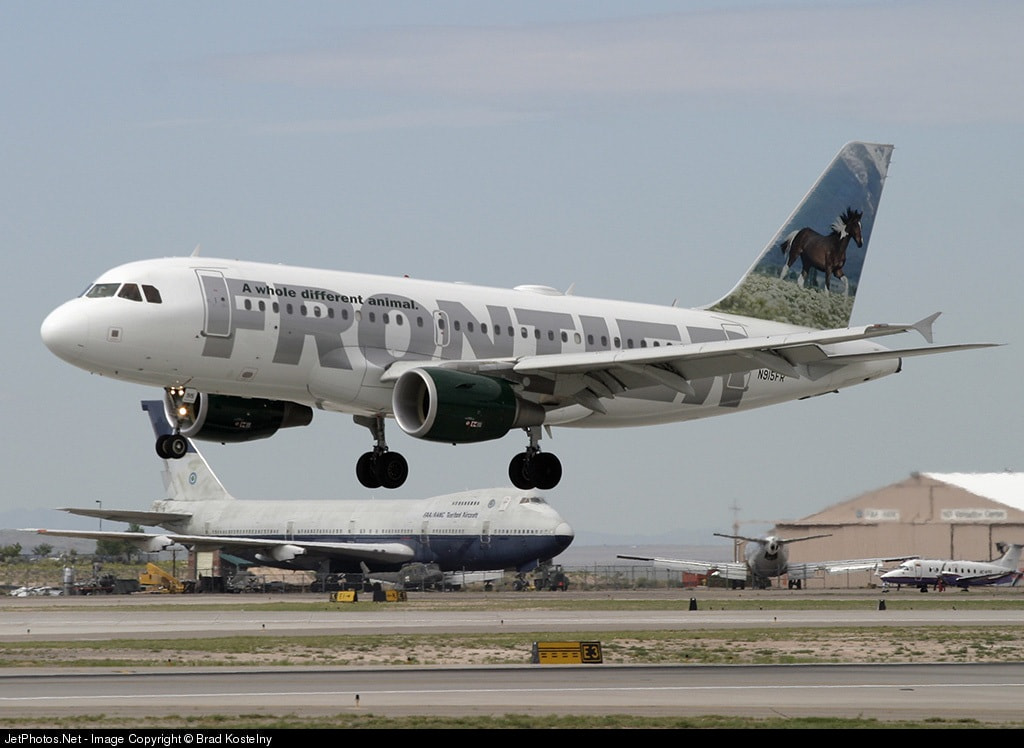
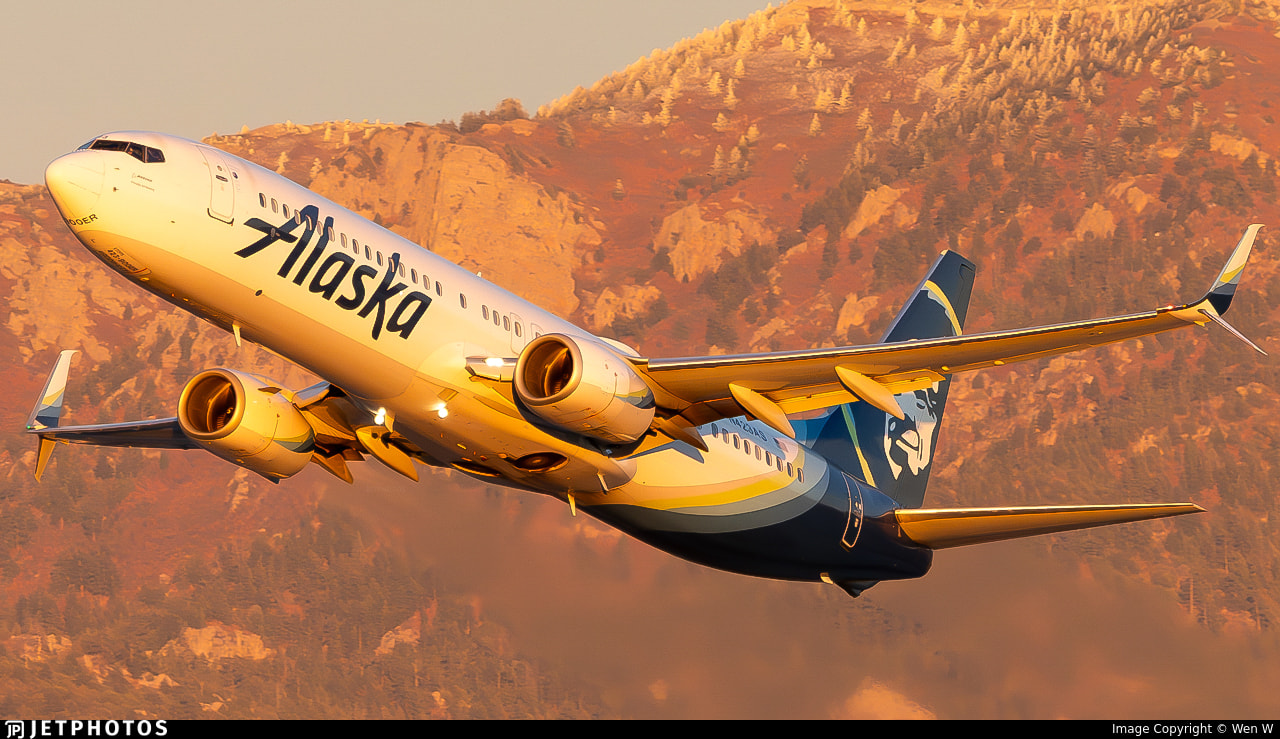
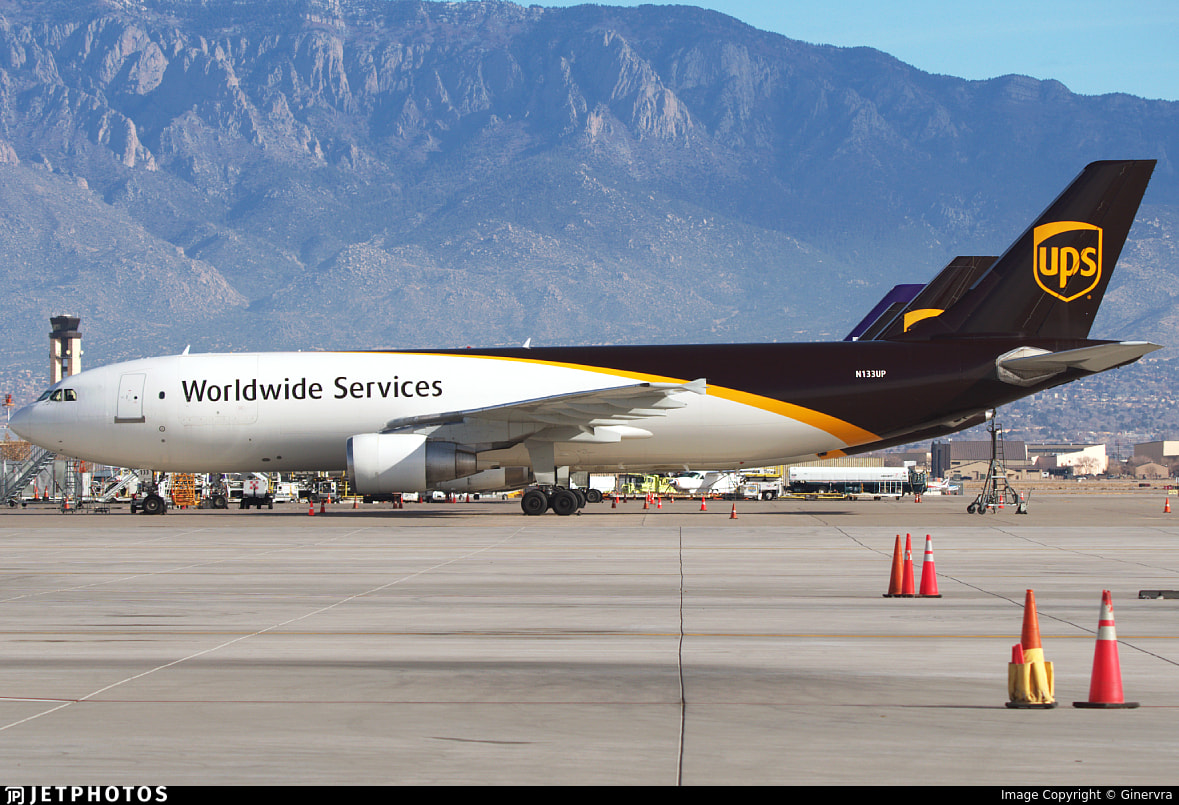
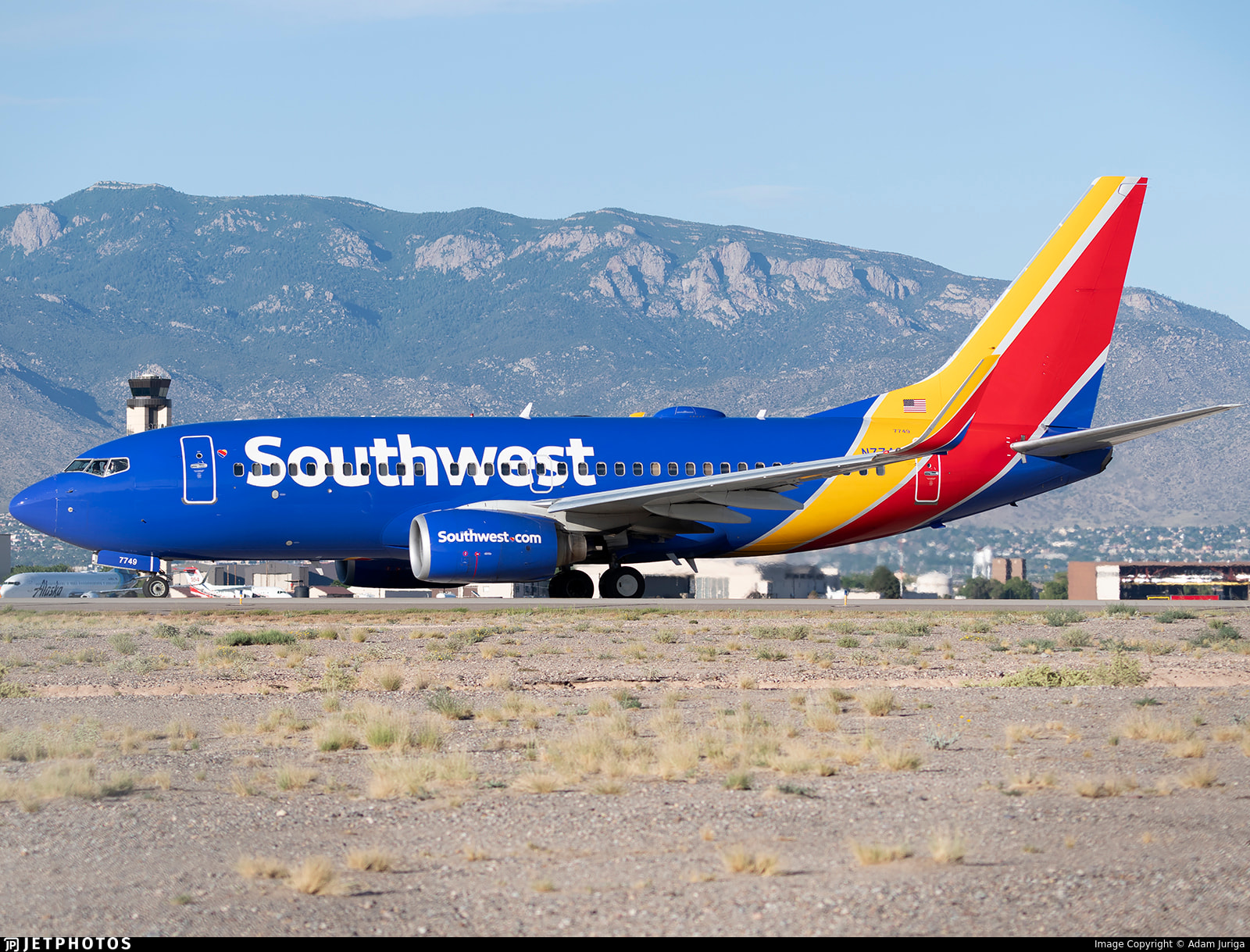
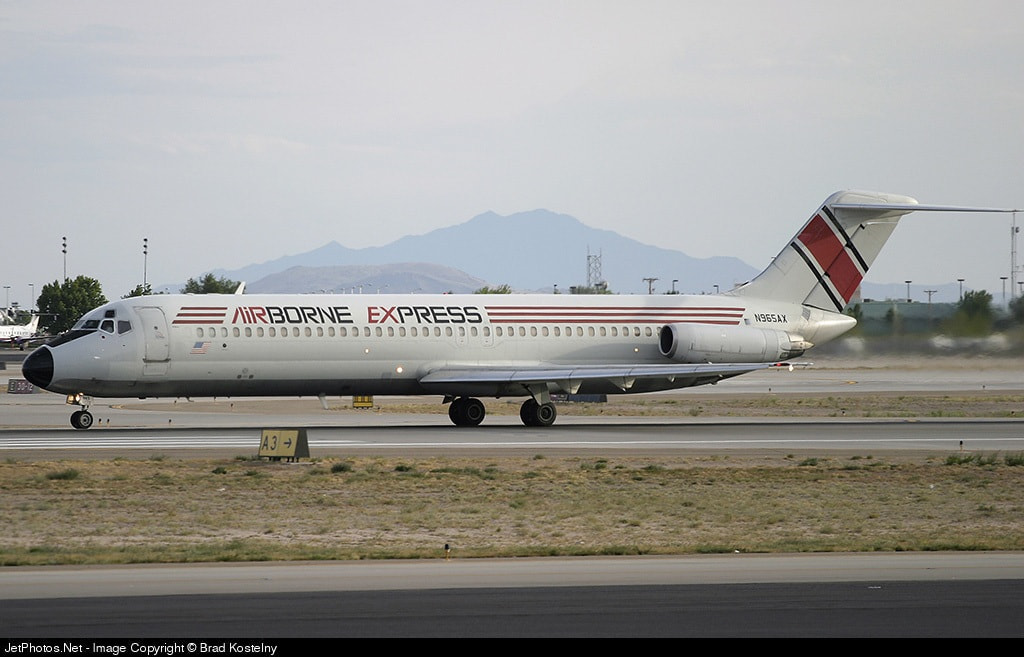
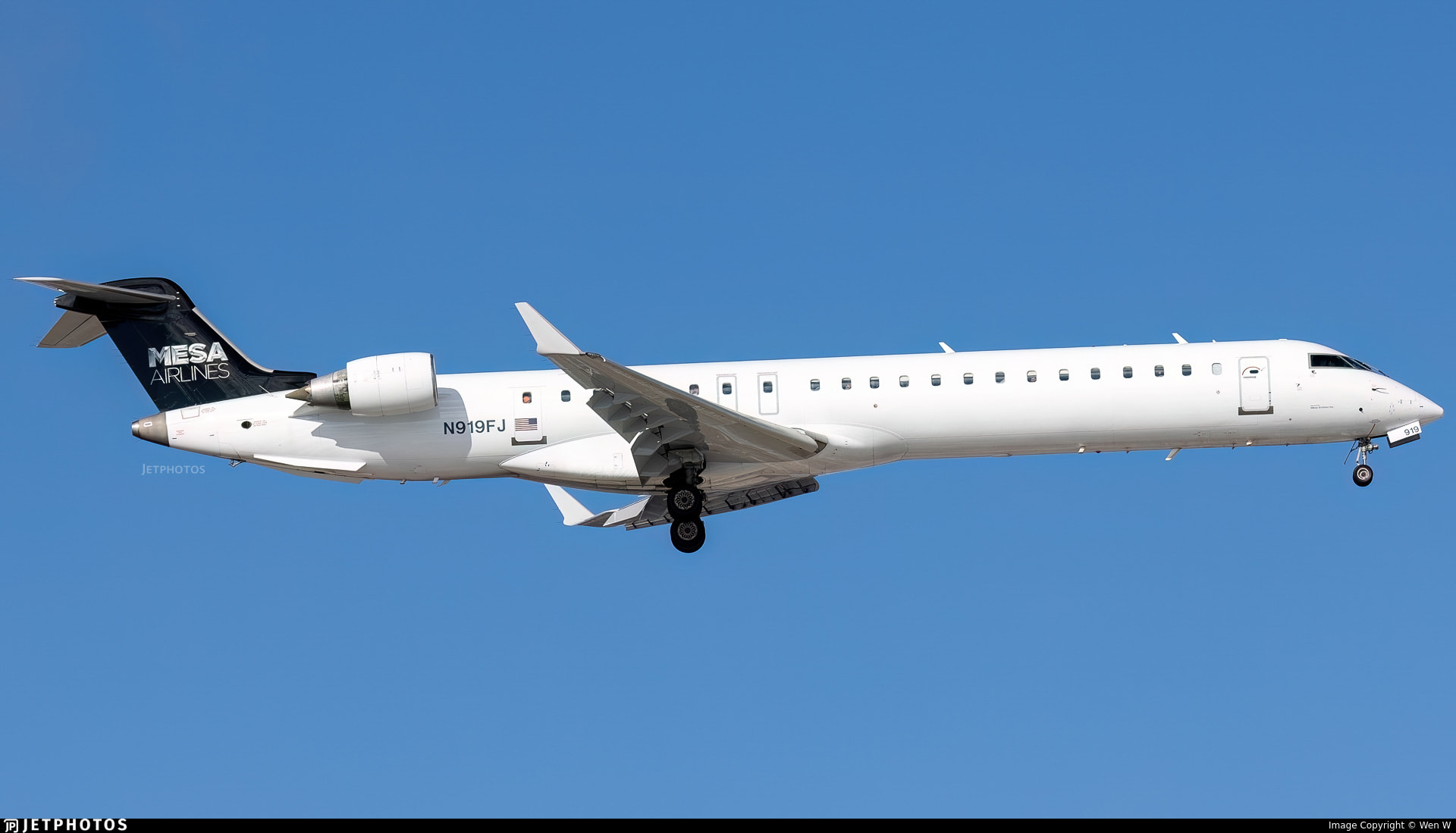
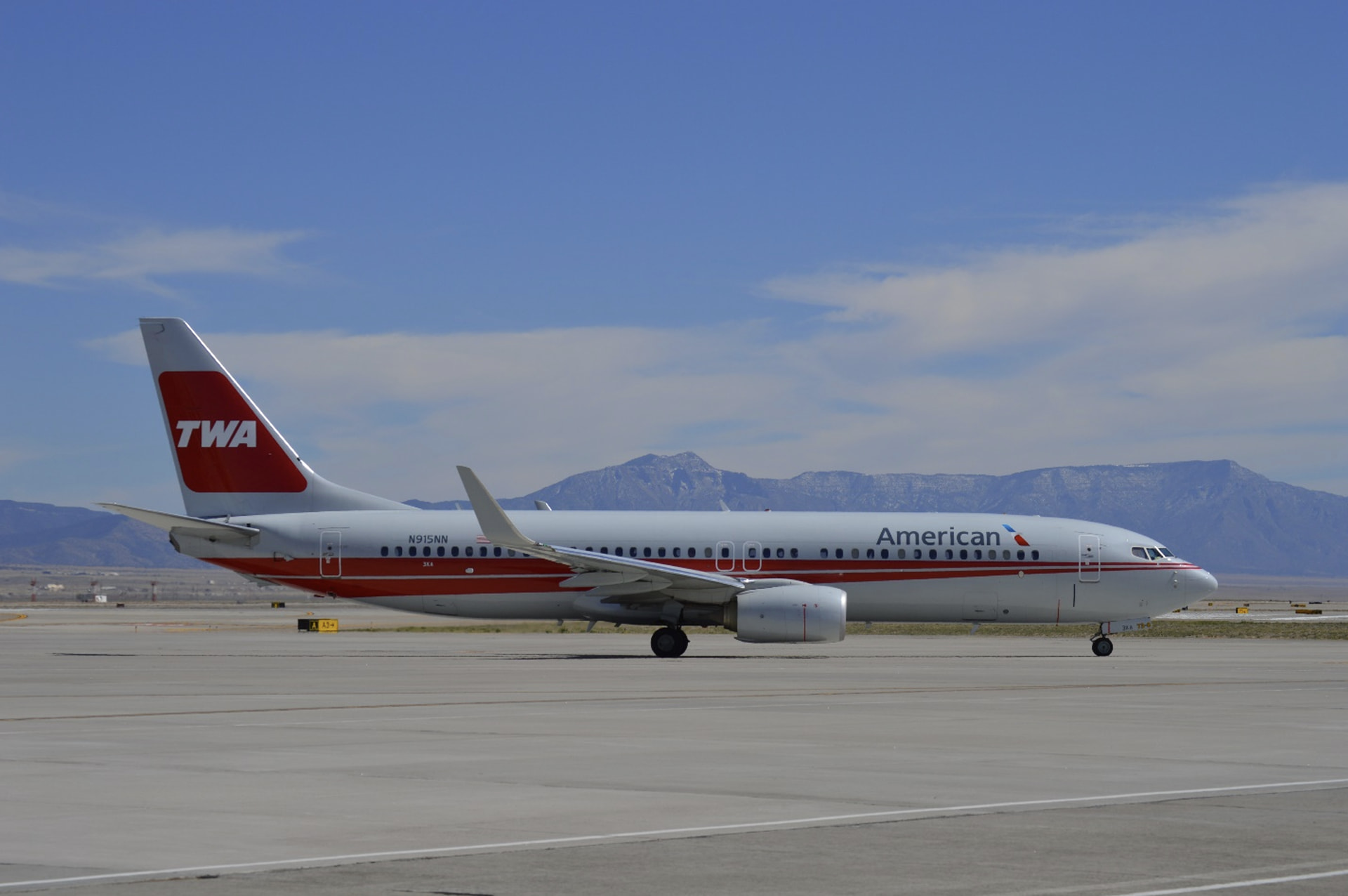
Albuquerque International Sunport is a mid-size international airport located in New Mexico, serving the city of Albuquerque (and by extension, the Albuquerque/Santa Fe/Los Alamos combined statistical area). ABQ served 5.3 million passengers in 2025, making it the busiest airport in the state.ABQ’s standard traffic involves narrowbody aircraft such as 737s, A320s, Embraers and CRJs for passenger service, and A300s, 737s, 757s, and 767s for cargo service, with quite a lot of smaller, regional/general aviation aircraft, alongside even military aircraft (elaborated below).
The C-5 Galaxy has been the largest aircraft to visit the airport, based on what I could find.ABQ has 1 terminal and 3 main concourses - A, B and C. The first two are standard concourses with a total of 22 jet bridge gates, whereas Concourse C (formerly Concourse E) involves remote stands/parking mainly for small, regional aircraft; I saw that there are 3 of such parking stands next to the terminal area, with an additional 17 RON parking positions as well around the apron. All stands appear to be capable of handling general narrowbody aircraft, with a few gates (specifically two, A11 and B9, part of the A and B concourse respectively) capable of receiving aircraft up to the 747.
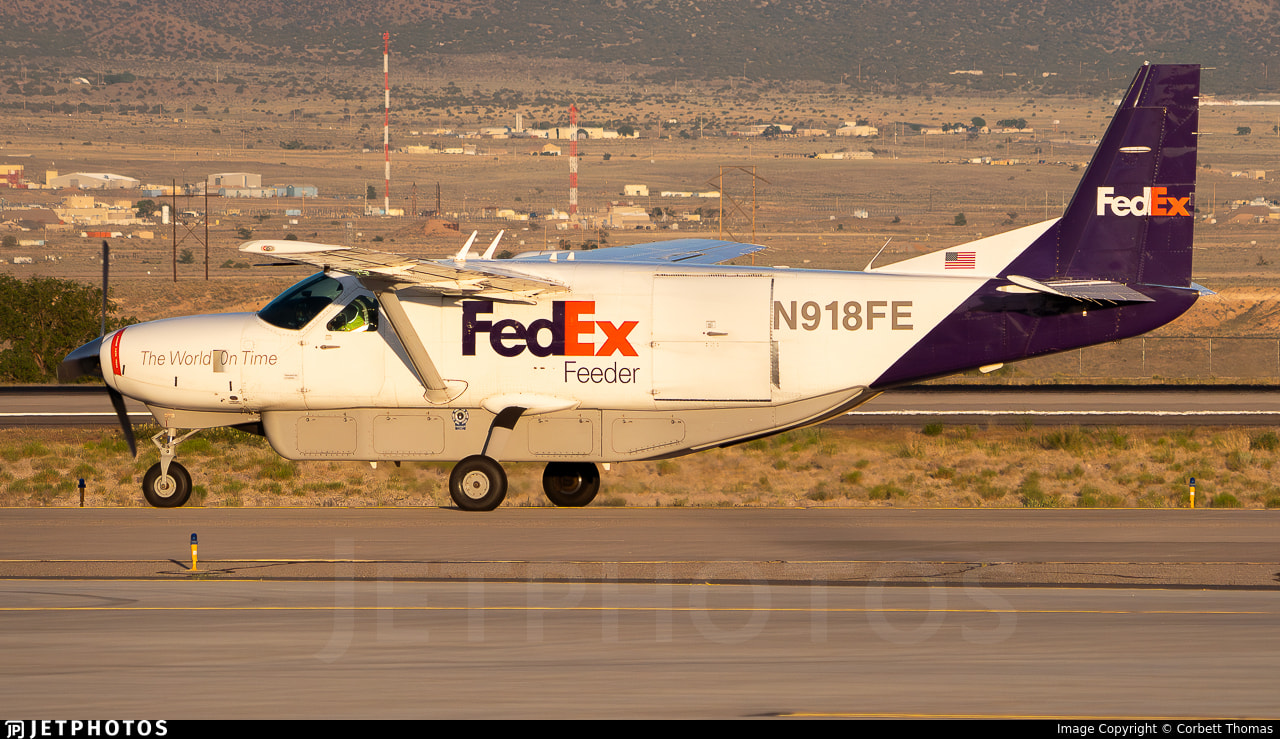
Also, the airport has a cargo apron positioned several hundred meters southwest of the terminal; I was able to see that there are about 12 widebody stands, with an additional 5 for really small aircraft such as the Cessna 208, which do visit the airport regularly.
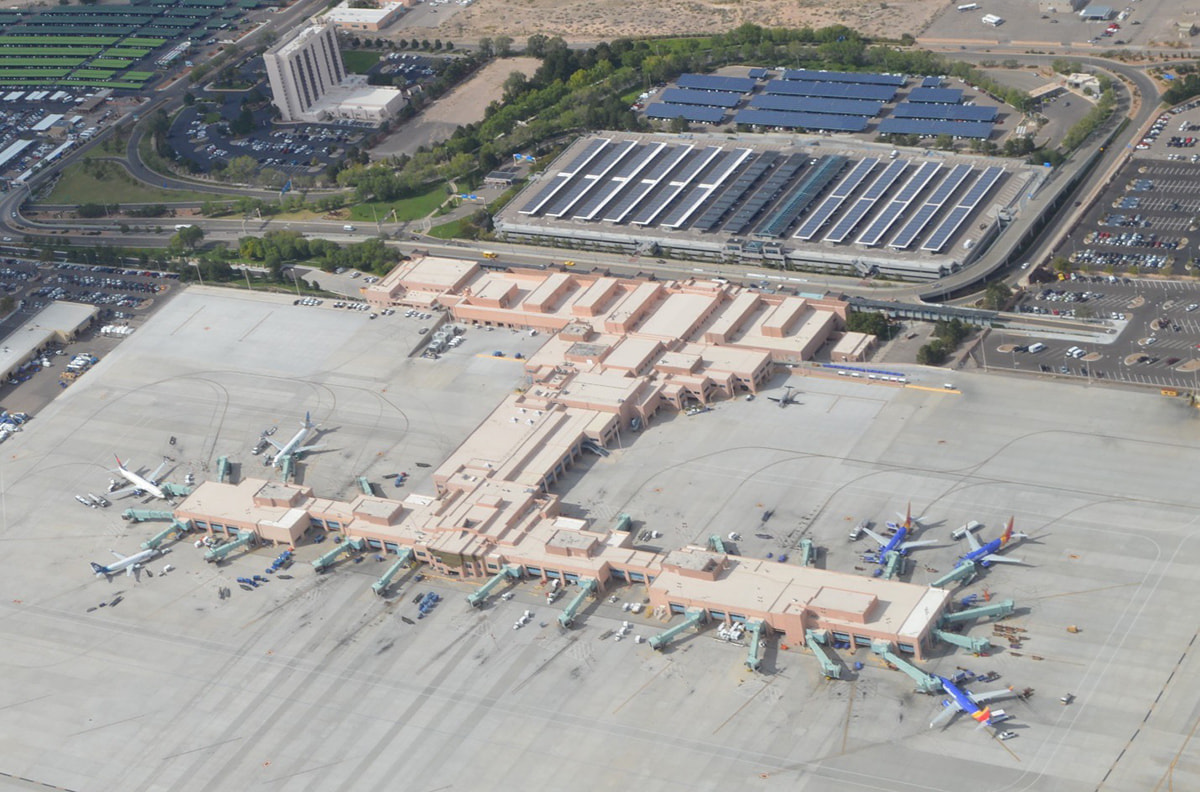
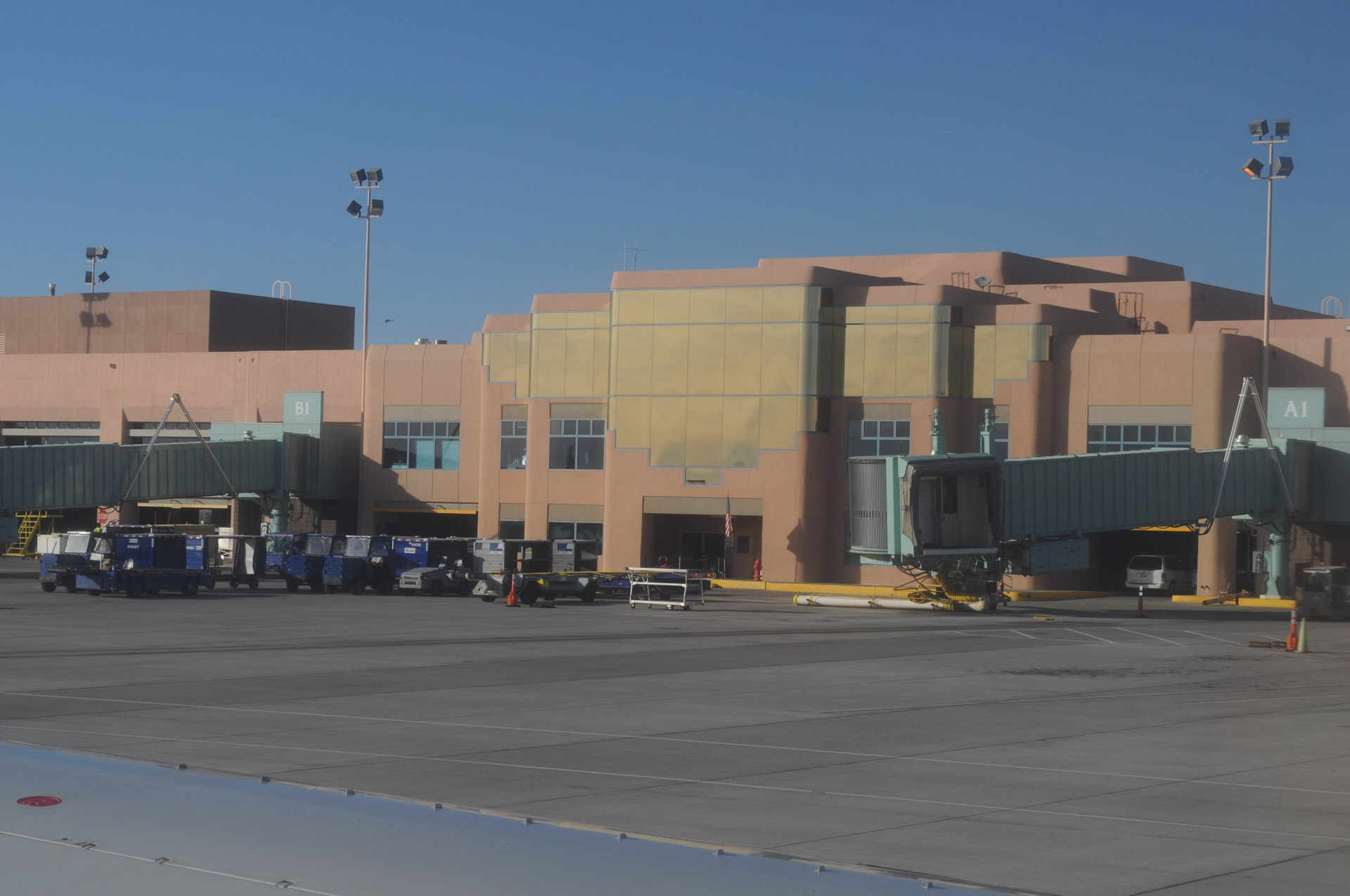
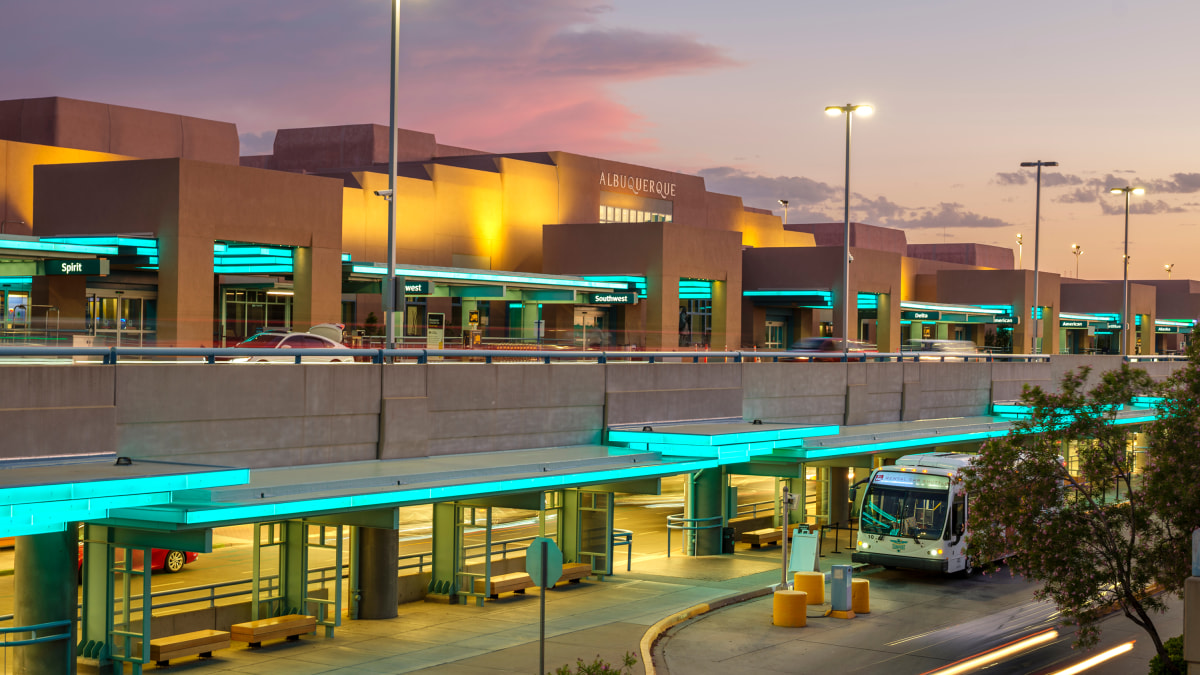
Going back to the passenger terminal, it is notably recognized for how it was designed; made around the 1960s, the terminal uses a very unique style of architecture known as the “Pueblo Revival” style (alternatively the “Santa Fe” style) in its design, a trait that’s even shared with the old terminal of the airport, made all the way back in 1939 - which is still preserved on the grounds of the airport to this day.Now, the airport has 3 runways, known as 8/26, 3/21, and 12/30.
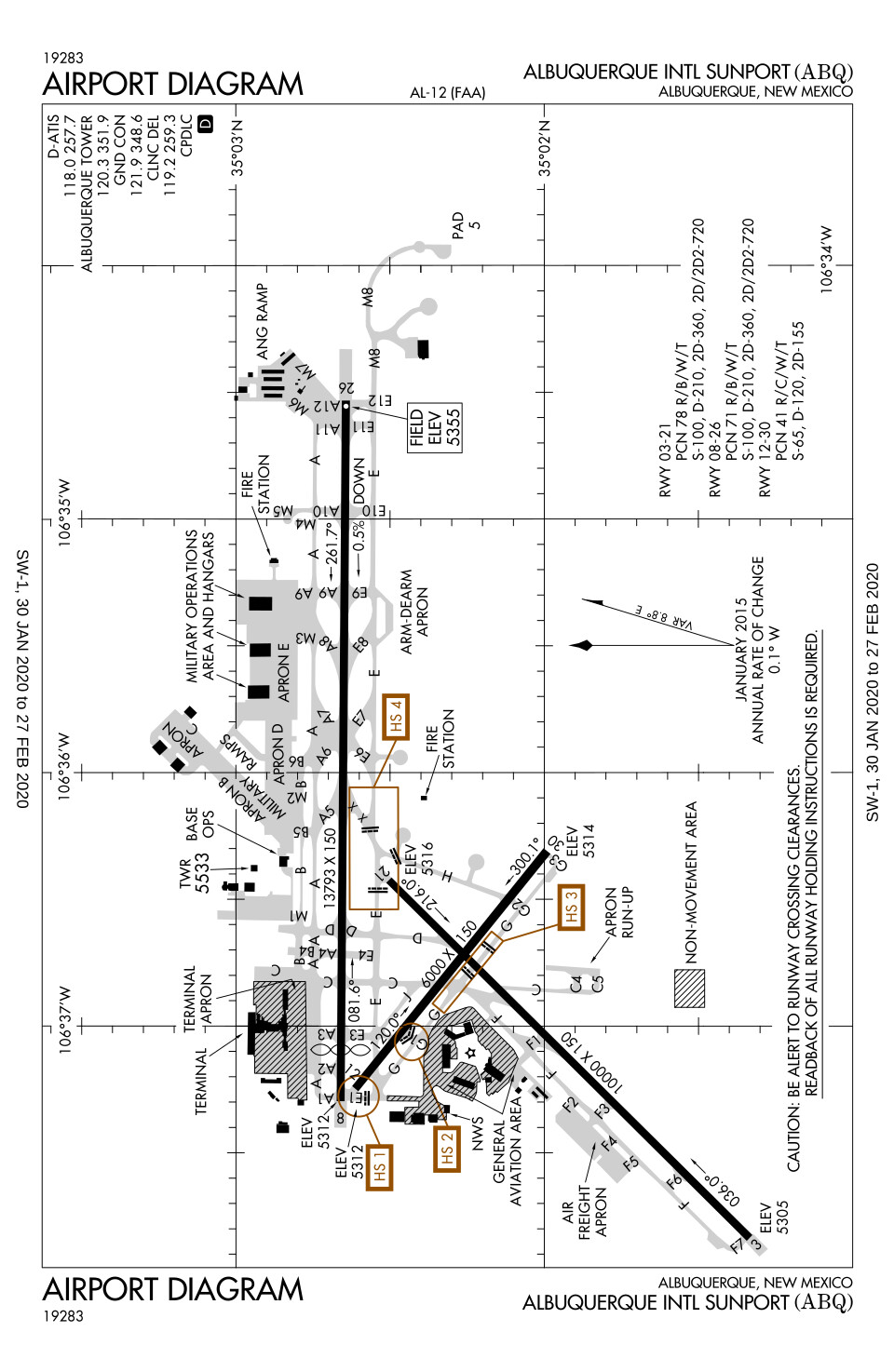
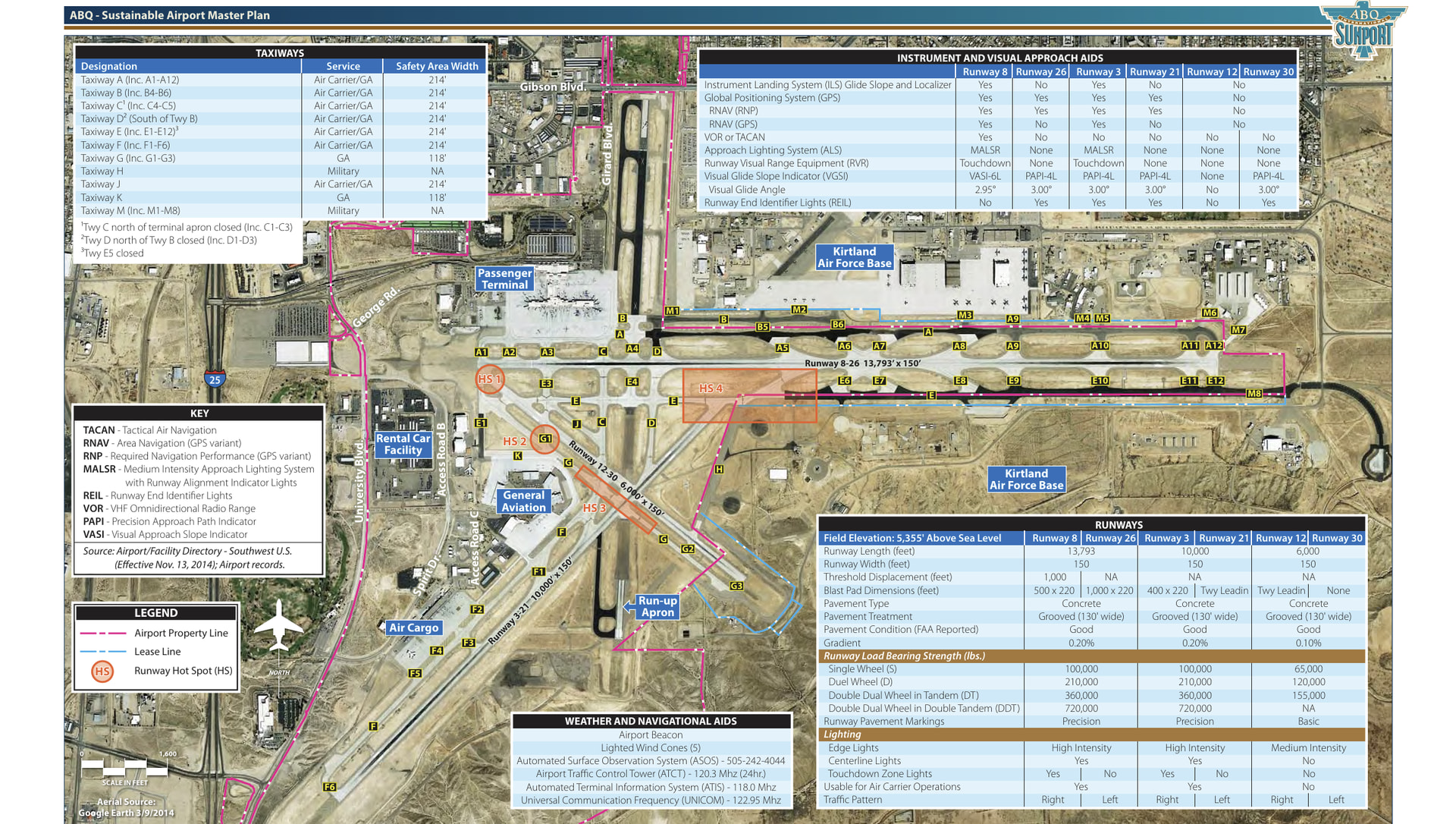
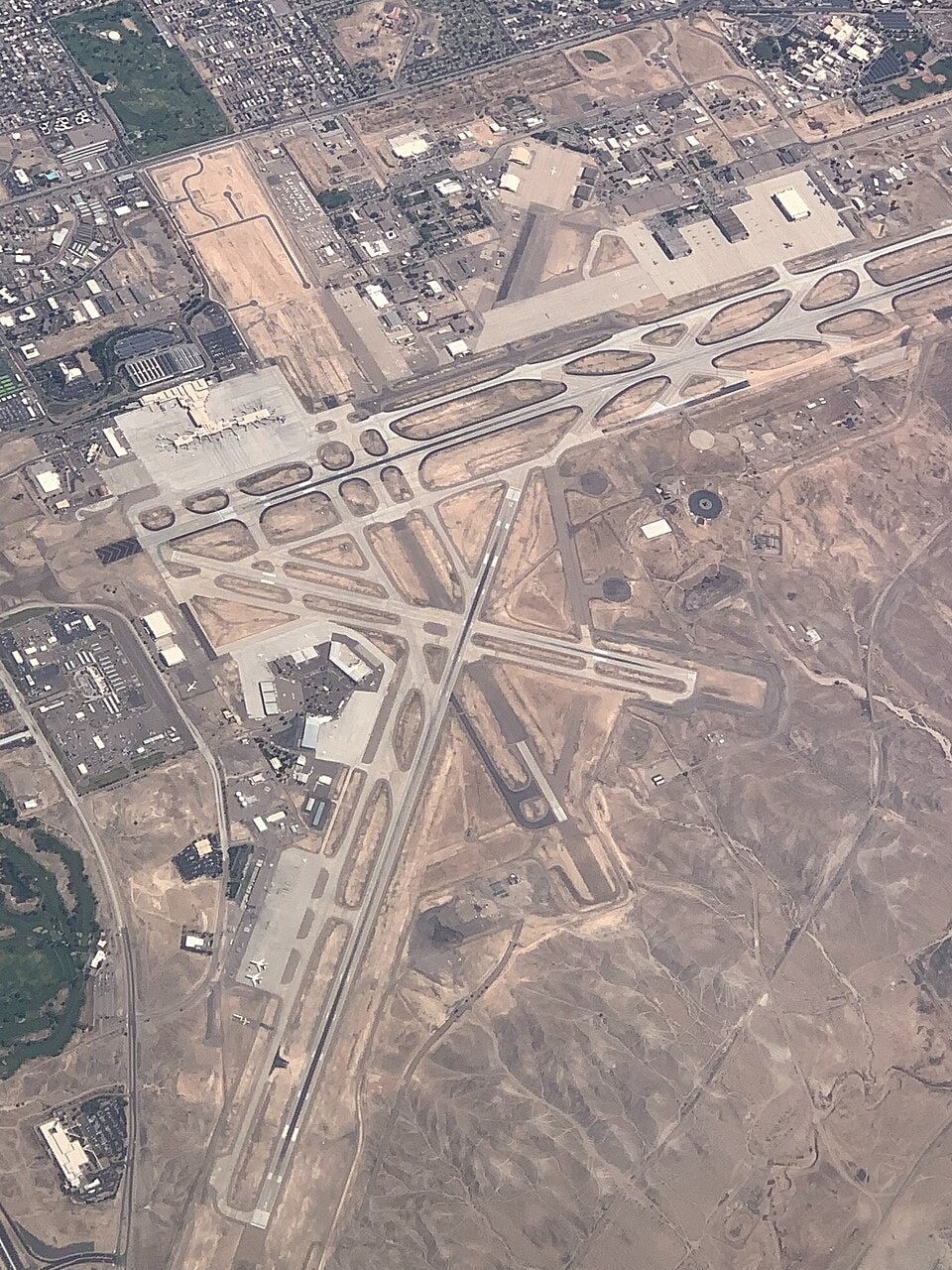
8/26 is the longest of the 3, at 13,793ft (4,204m), and is the runway used the most, at least from what I saw; it is the runway closest to the terminal itself. In the case of 3/21 and 12/30, they are 10,000ft (3,048m) and 6,000ft (1,849m) respectively. Said runways also intersect with each other similarly to an “X” configuration, though they do not directly intersect 8/26.
The runways are designed in such a unique configuration that I’m not sure how they usually operate, honestly, beyond 8/26 being the primary runway for most flights - though I was able to find 3/21 is also certified for commercial operations (even saw some cargo flights using it) and I’d assume general aviation primarily uses 12/30… but still.
Anyways, as a final note, all runways have a listed width of 150ft (46m).
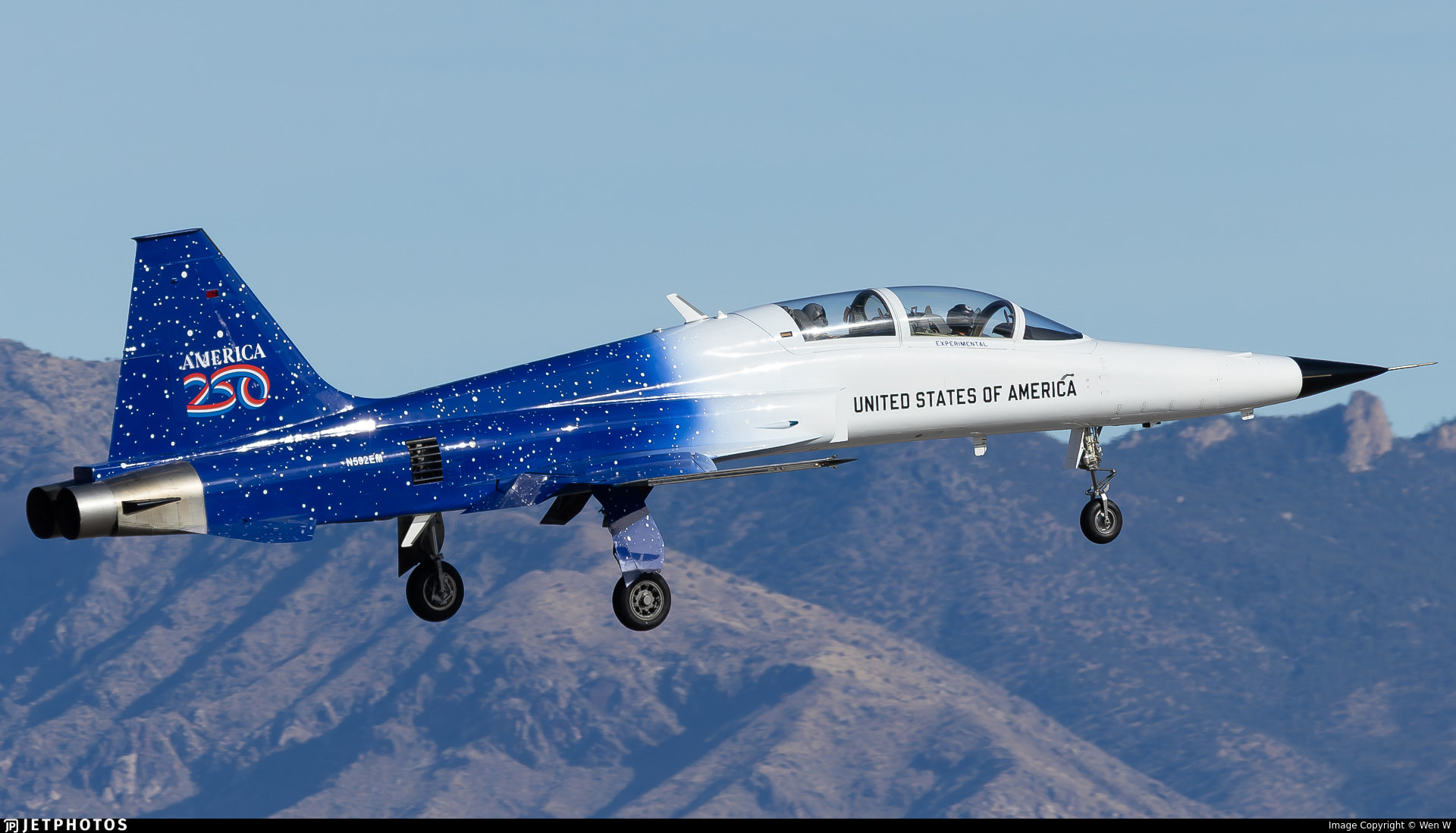
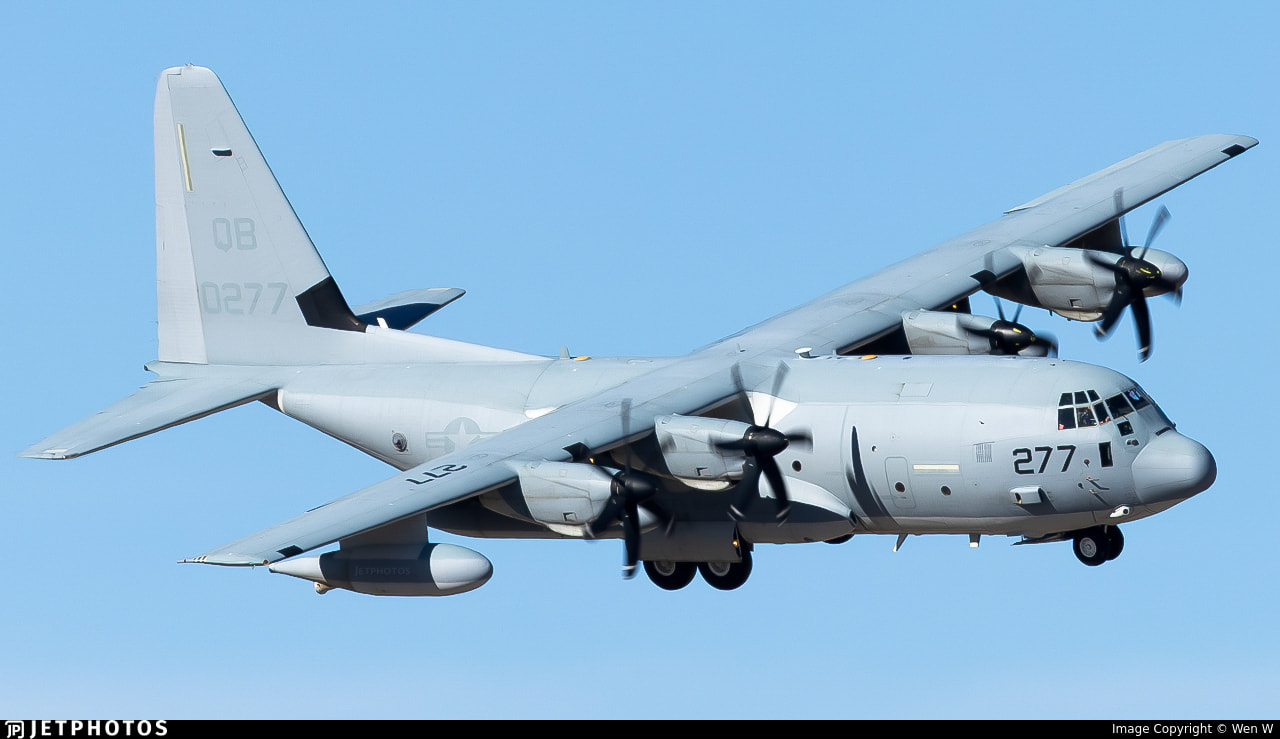
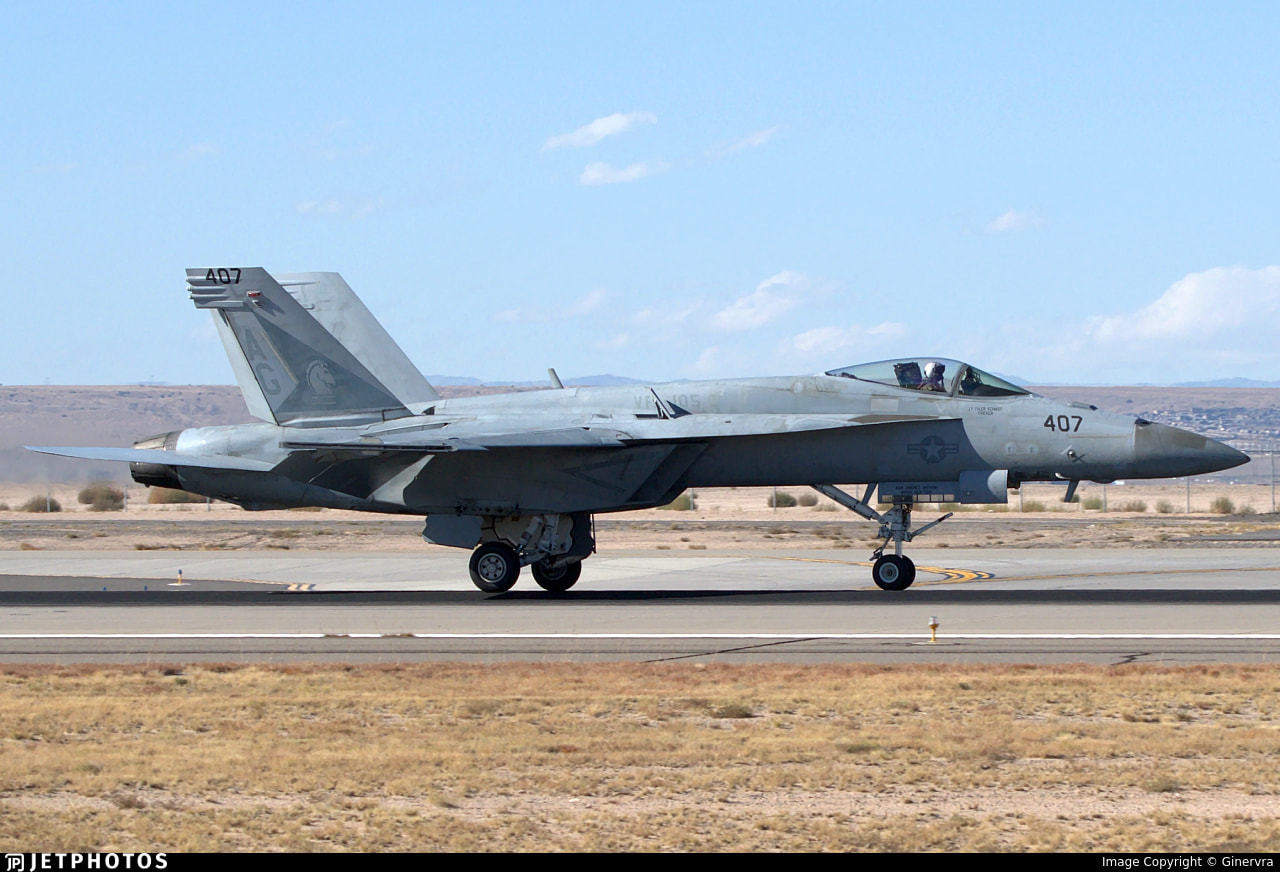
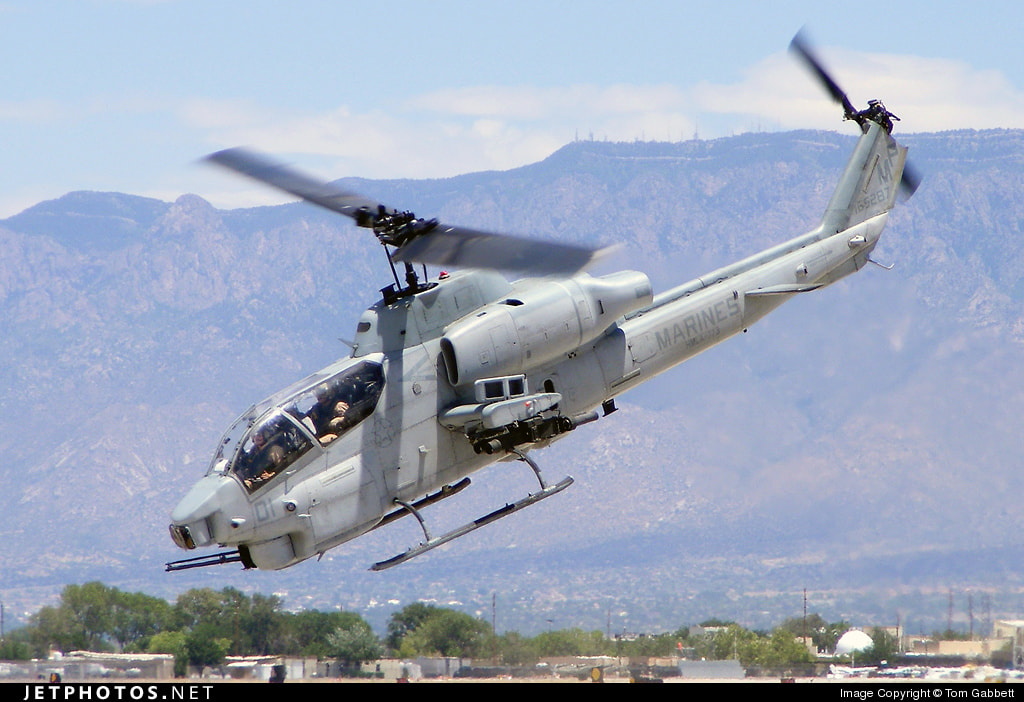
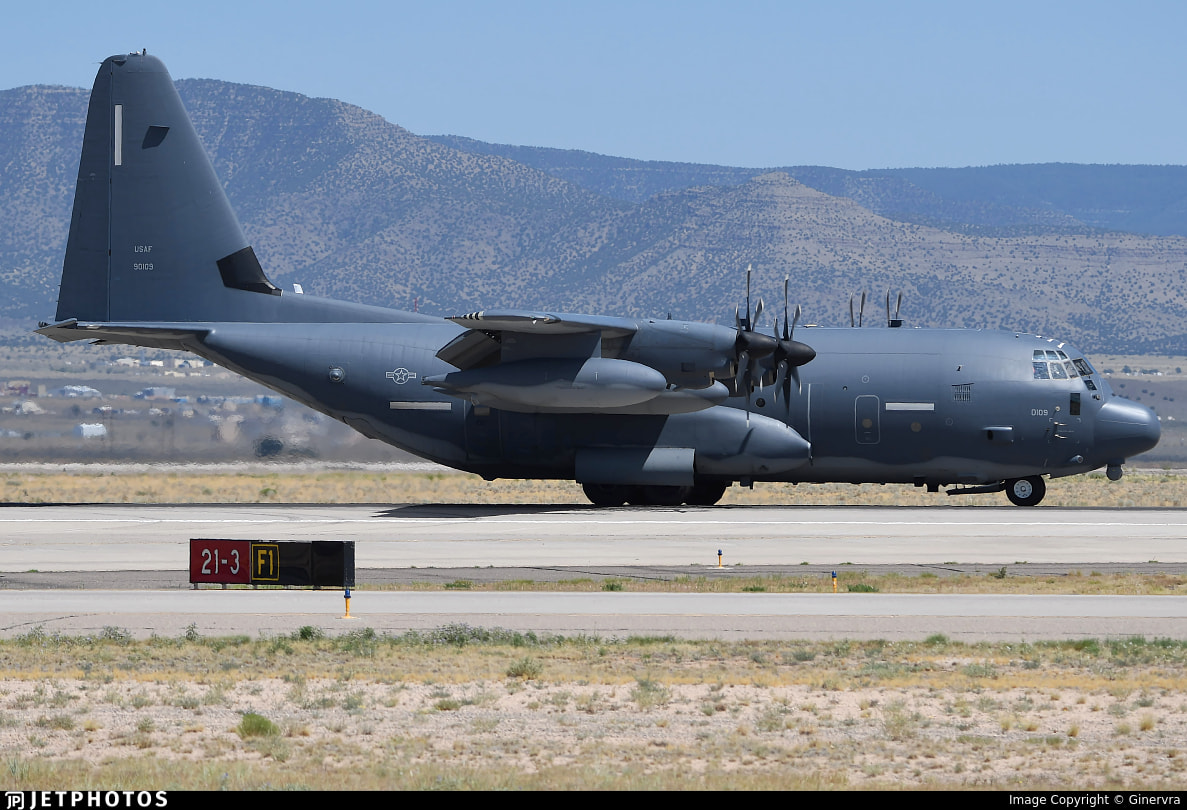
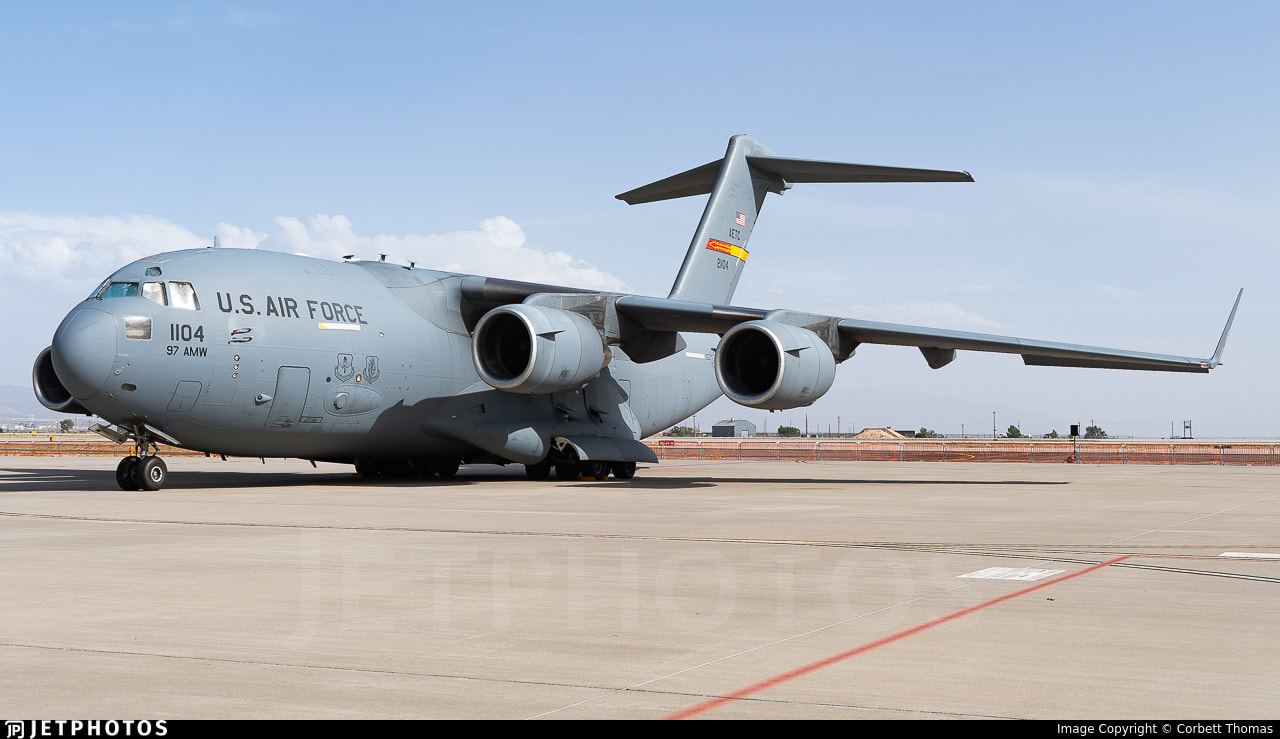
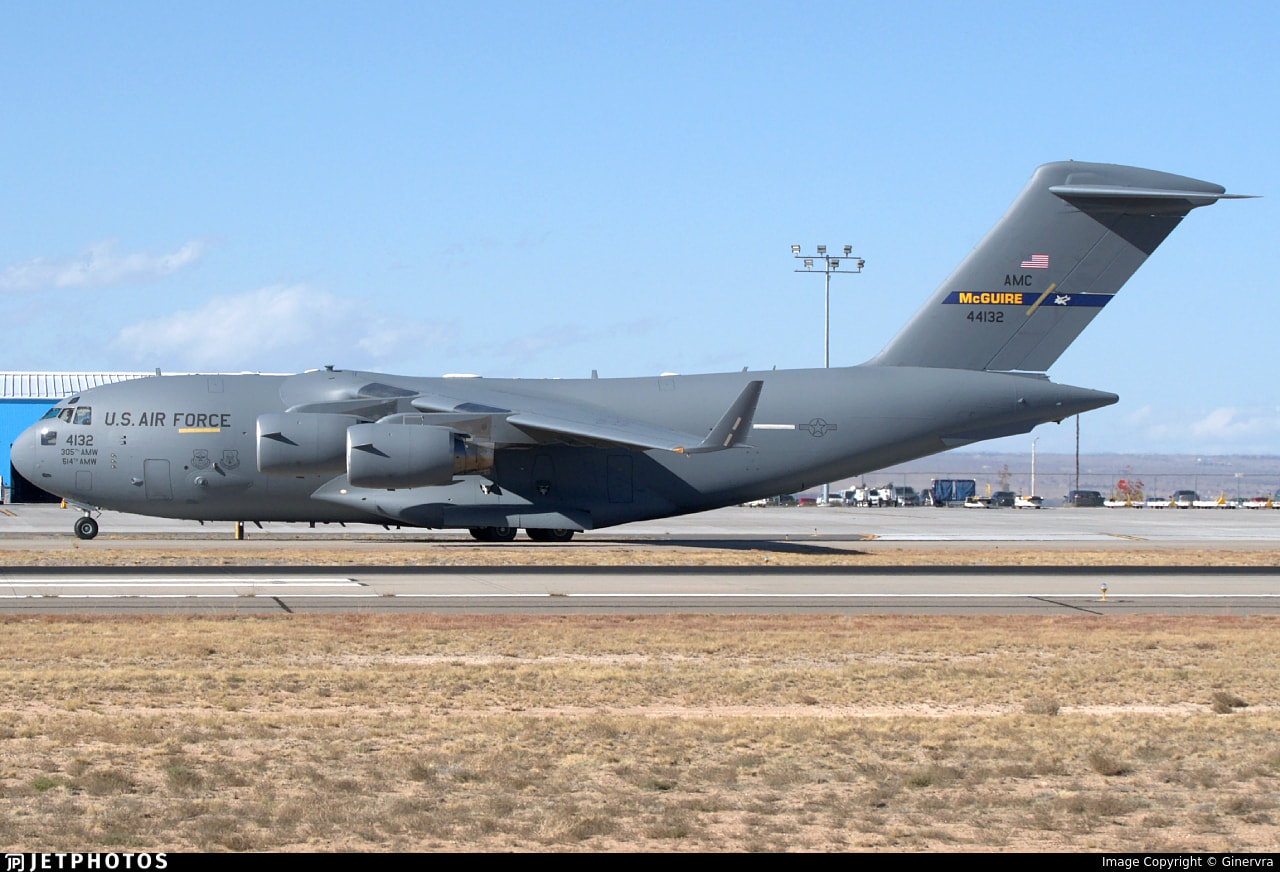
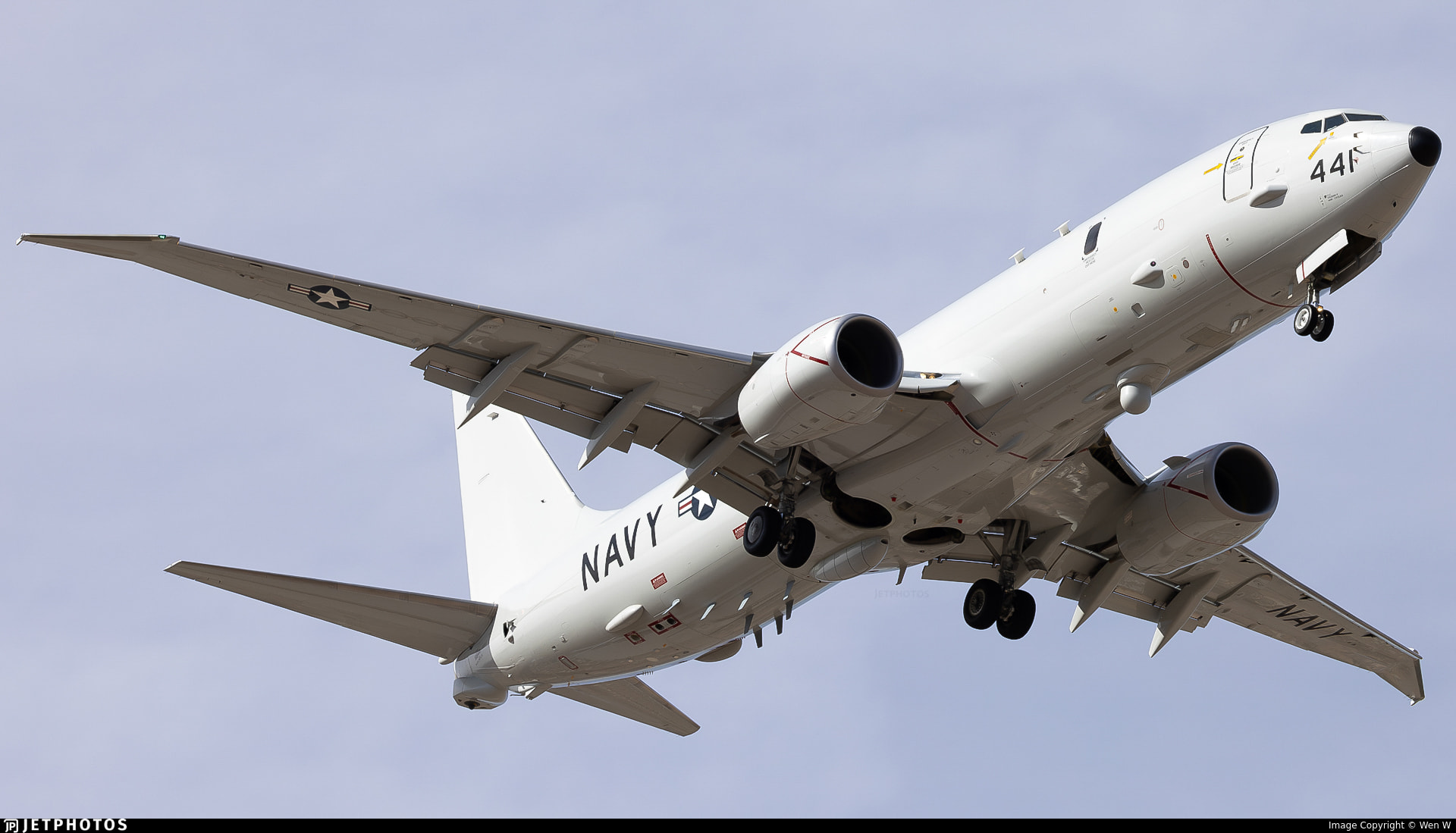
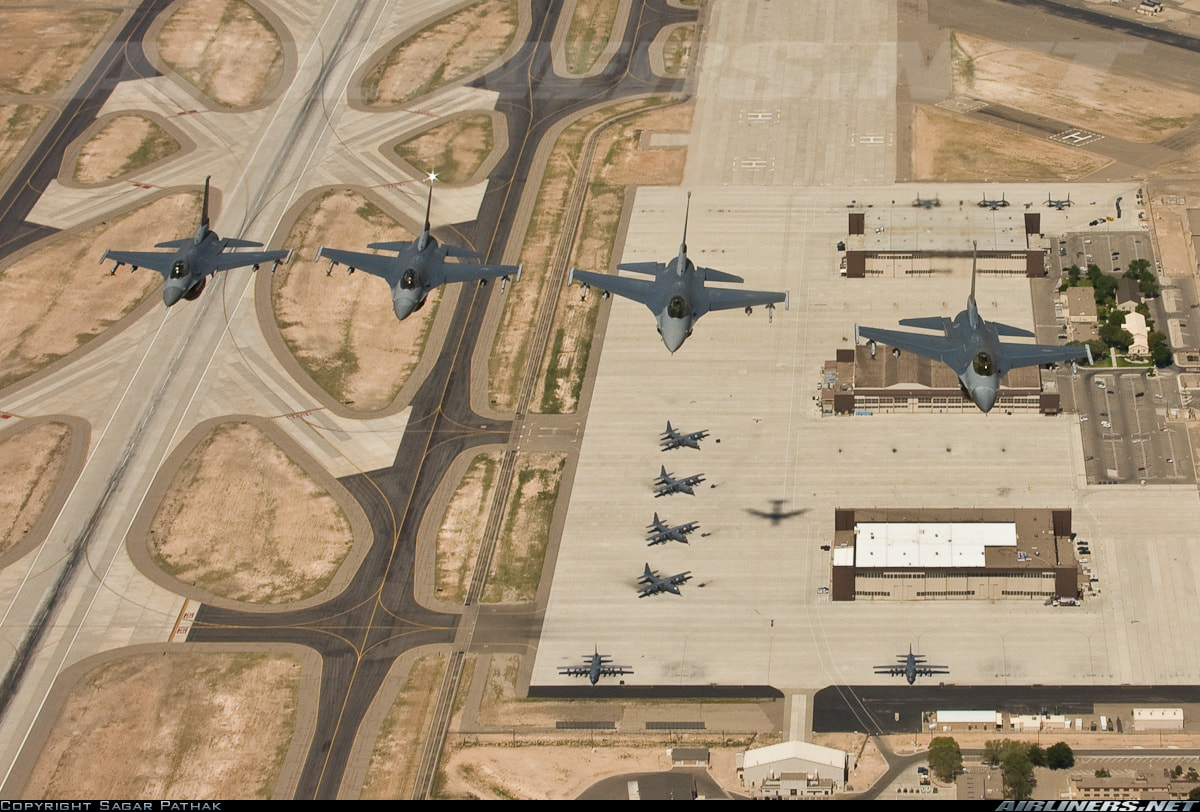
(Of course, diagrams of the runways will be provided below.)You might be wondering about the military aspect of the airport I alluded to above. Well, the airport remarkably shares its grounds with a local Air Force Base (known as Kirtland Air Force Base), thus classifying ABQ as a joint public/military airport. This means that a decent portion of ABQ’s traffic is military related; according to Wikipedia, approximately 15% of everyday traffic in 2025 was attributed to military aircraft.
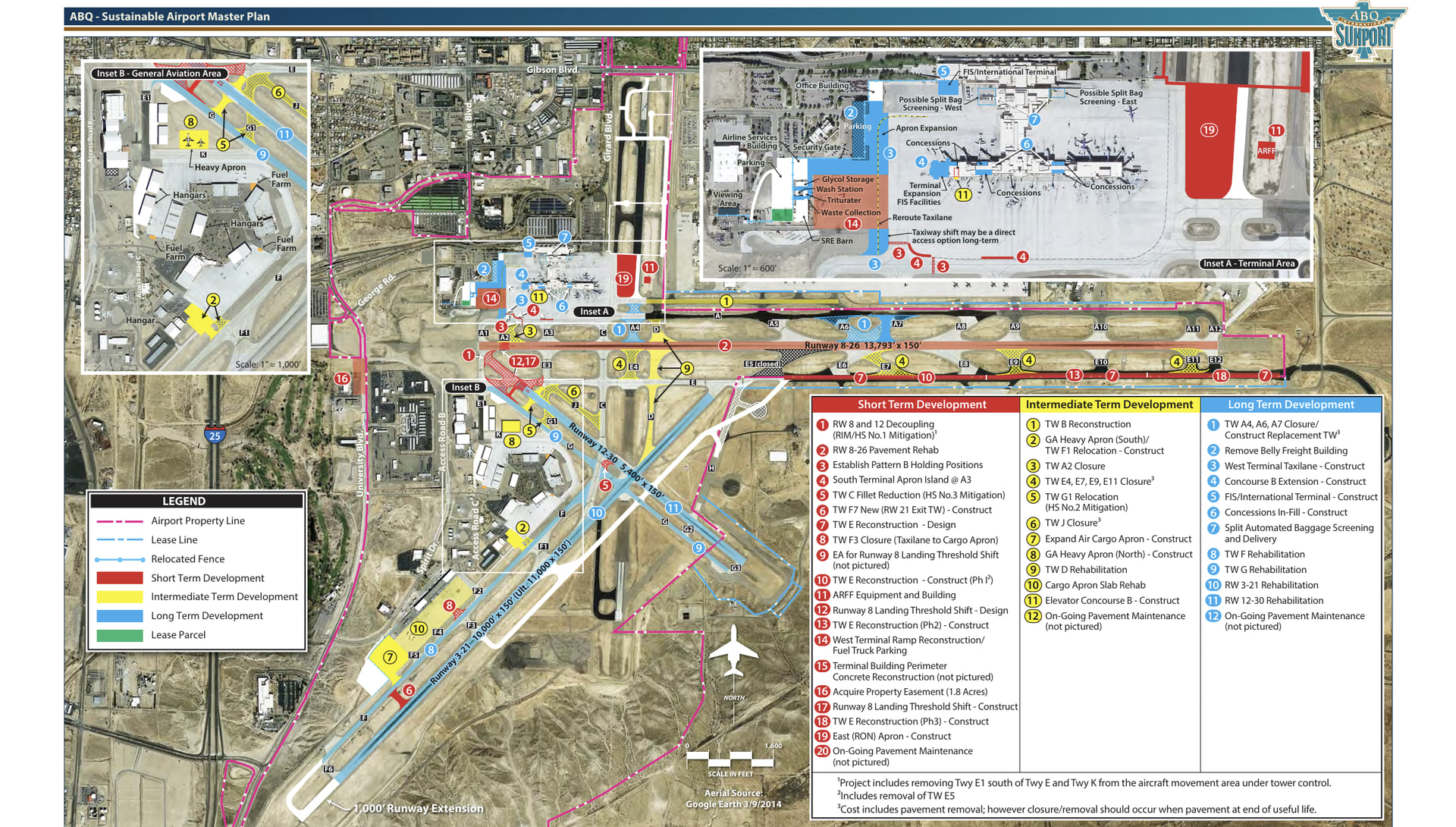
As for the future of the airport, there are quite a lot of changes planned, most notably the adjustment of Runway 12’s threshold away from Runway 8 to distance it, as it’s currently identified as a “hot spot”, alongside adjusting Runway 8’s threshold as well; a small extension of Concourse B to allow for 2 new gates (unsure of specifics, however), and an expansion of various aprons, including the terminal, general aviation and cargo aprons. There were a few mentions of a possible second terminal, though I wasn’t able to find much information on it.
Why should this airport be added to World of Airports?
I’d say that this airport should be added to World of Airports primarily because of its unique, striking layout, along with the airport’s one-of-a-kind architecture, being uniquely the only major airport in the US with a Pueblo Revival design for its terminals - if not possibly the only operational airport to have such design choice, and it works to directly honor the history, culture and identity of New Mexico.
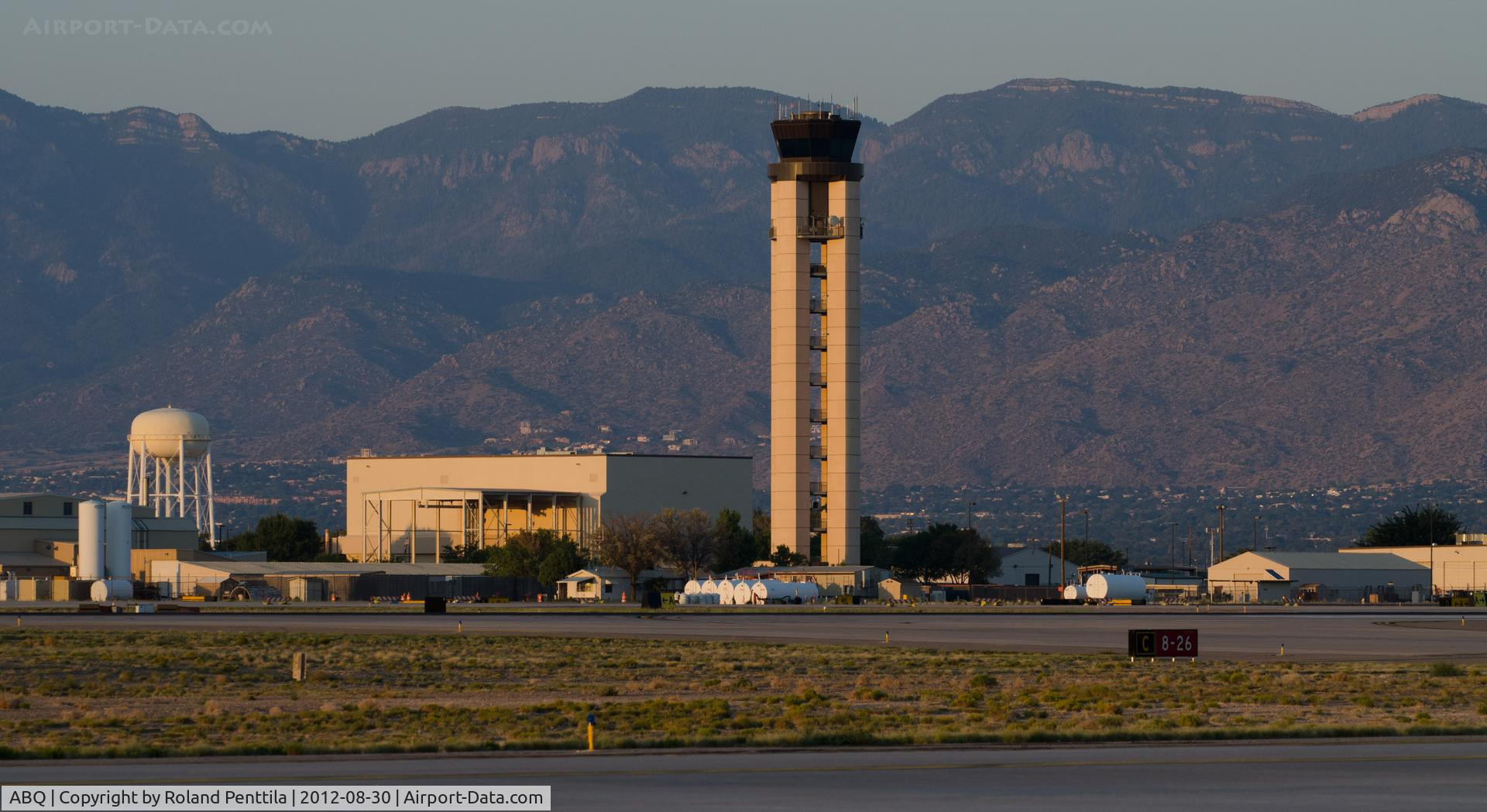
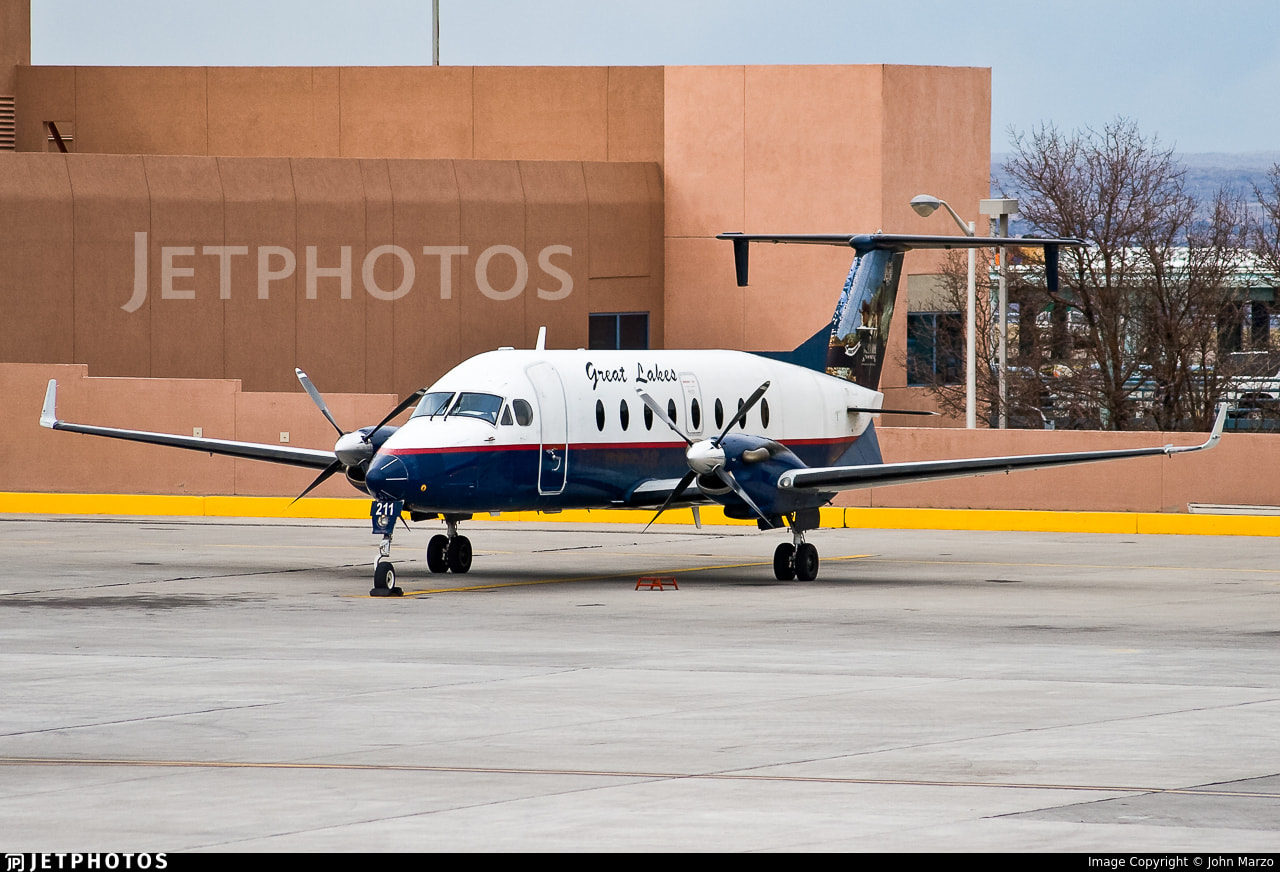
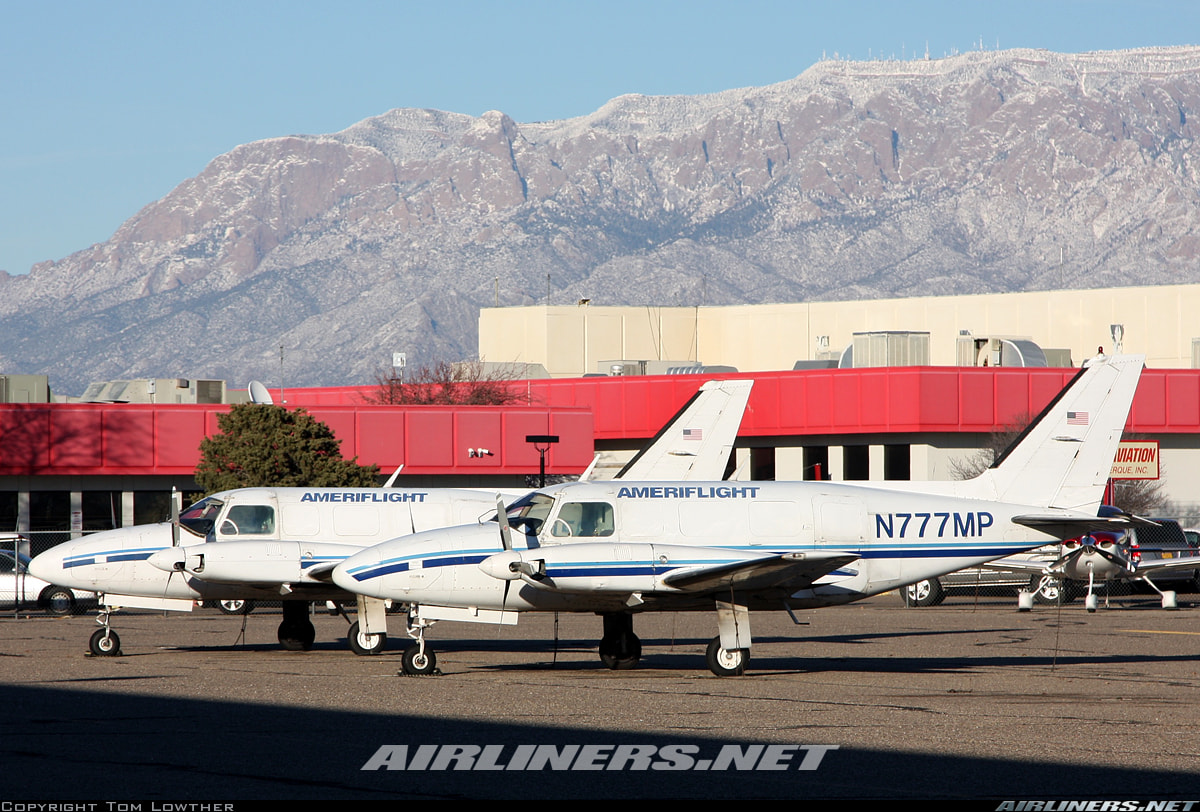
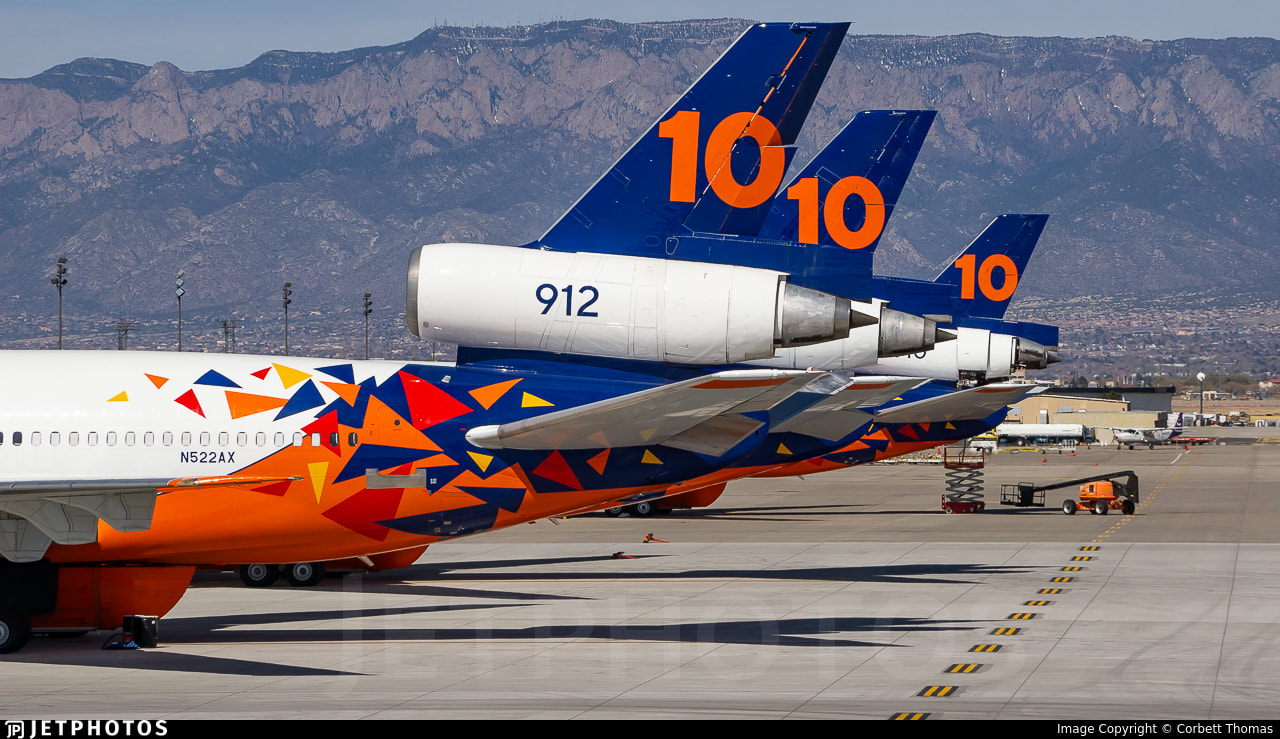
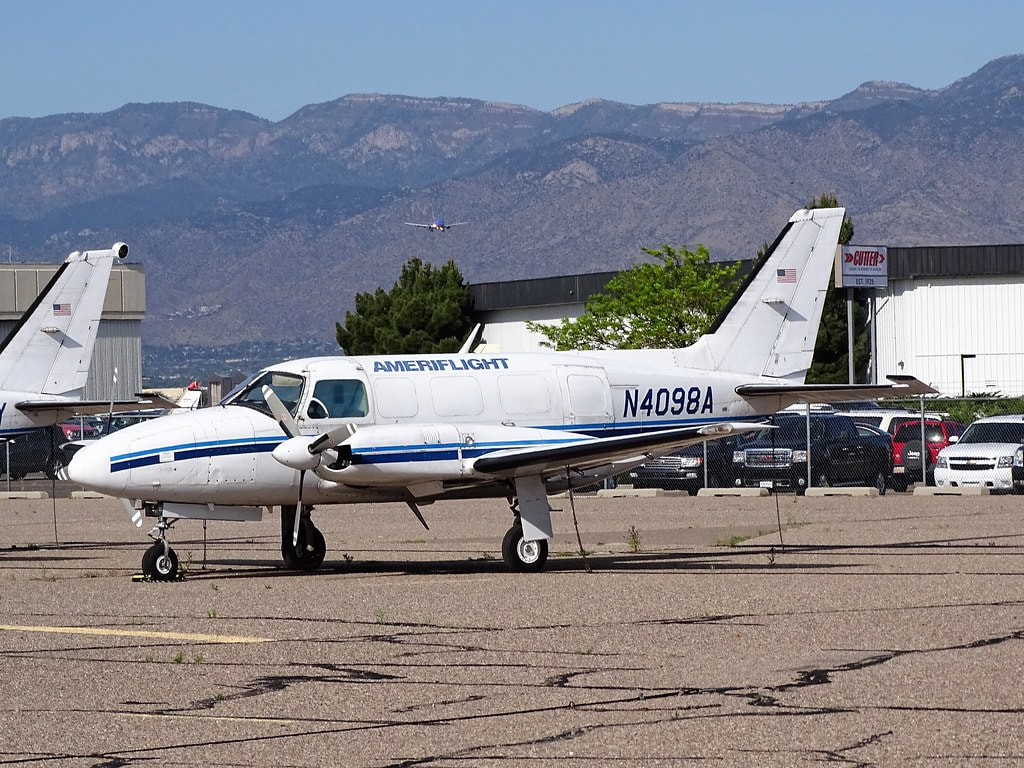
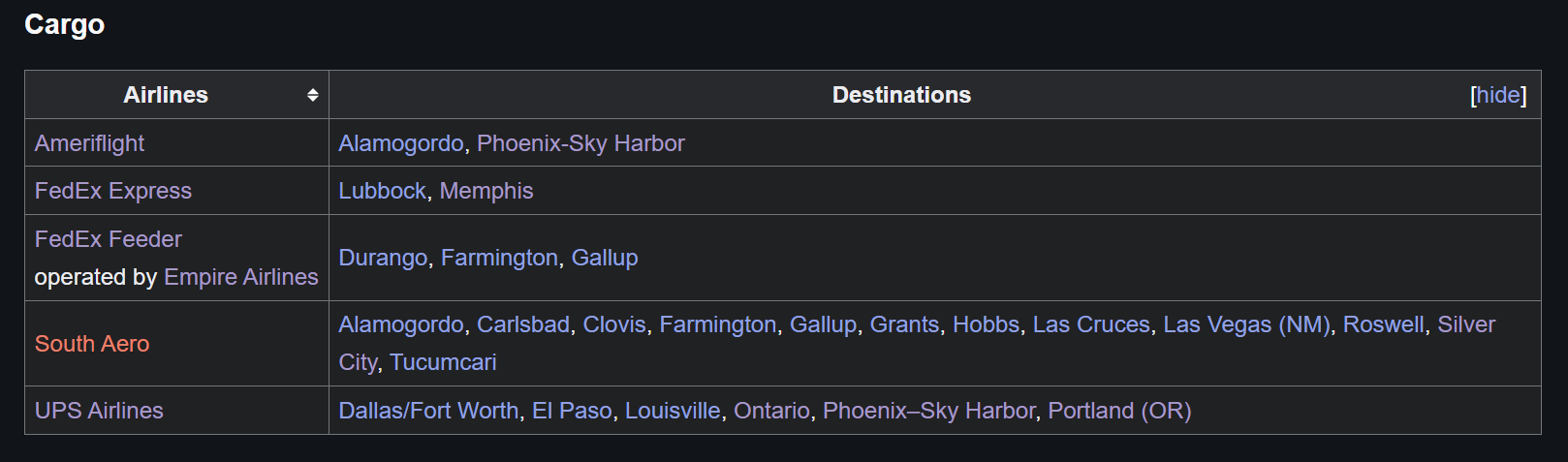
The airport also is located in a notably scenic location, with the Sandia Mountains prevalent in the backdrop of many photos - which only further add to the visual appeal of the airport.In addition to this, the airport also has seen - and still sees - quite a bit of unique, smaller aircraft types, such as those aforementioned Cessna 208s from FedEx (on behalf of Empire Airlines), alongside smaller, niche operators such as Advanced Air, Ameriflight, Contour, South Aero, and so on. And of course, who could forget the USAF, which could make for some great scenery, easter eggs, or even potentially add to this airport’s operations.
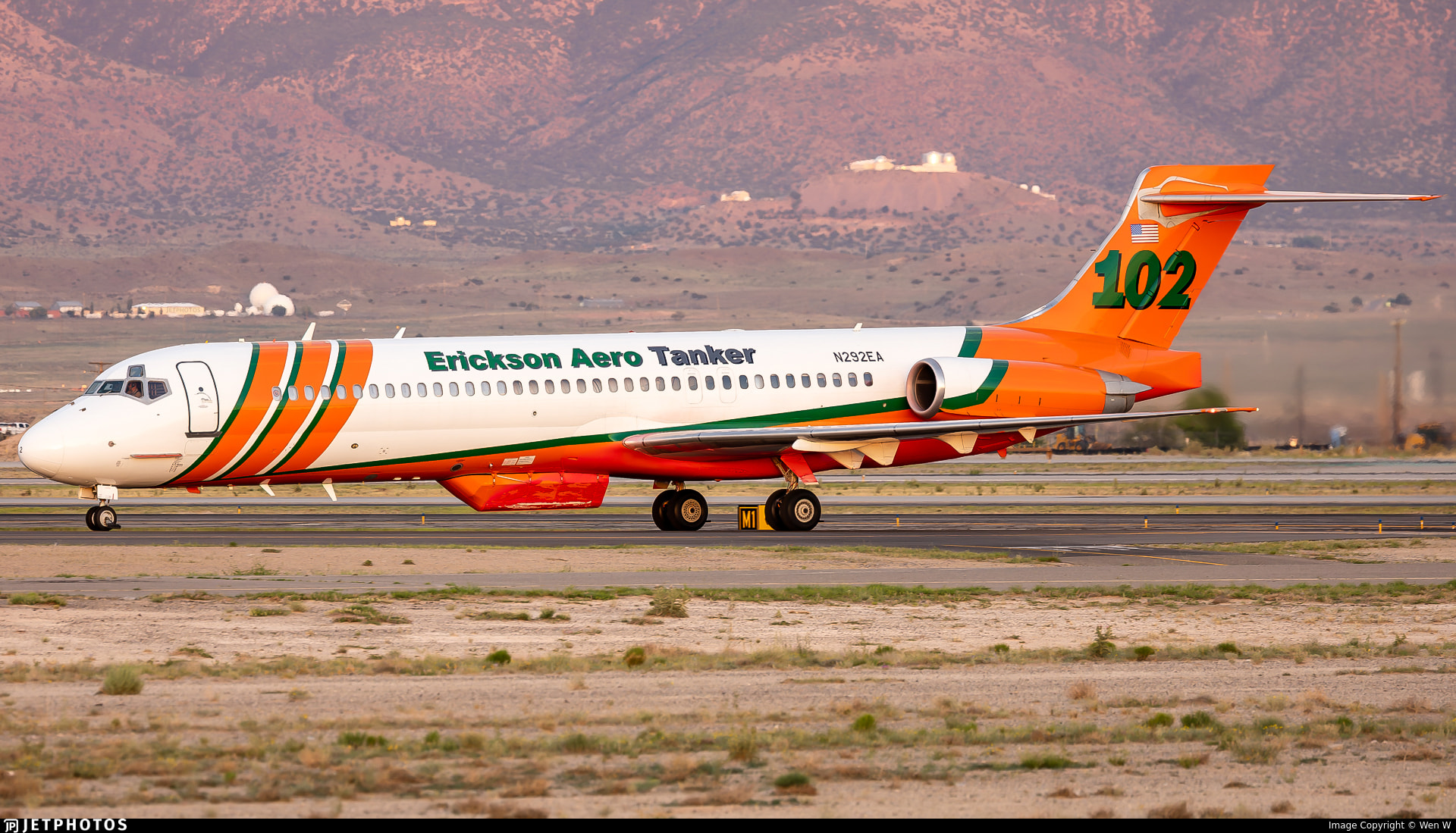
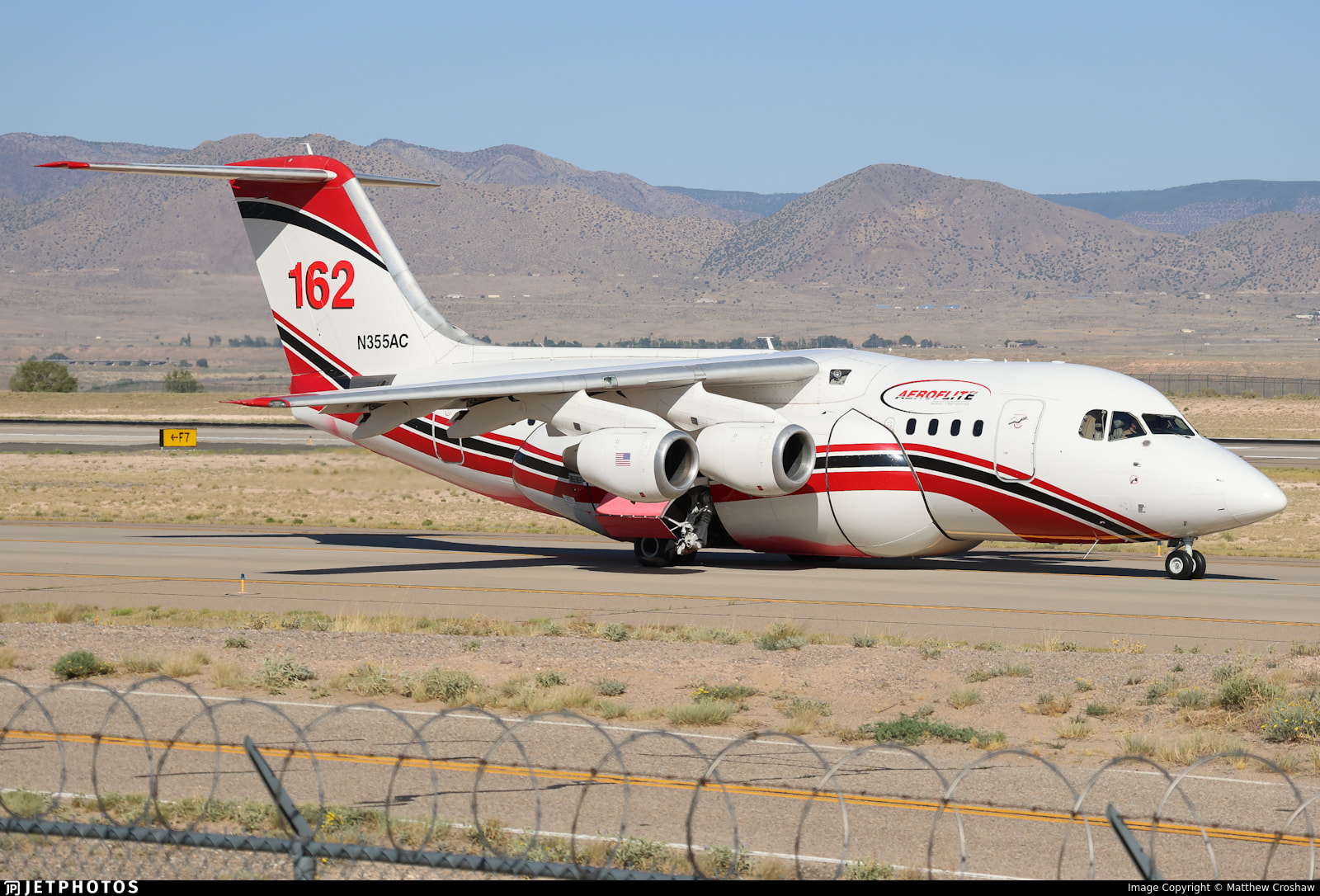
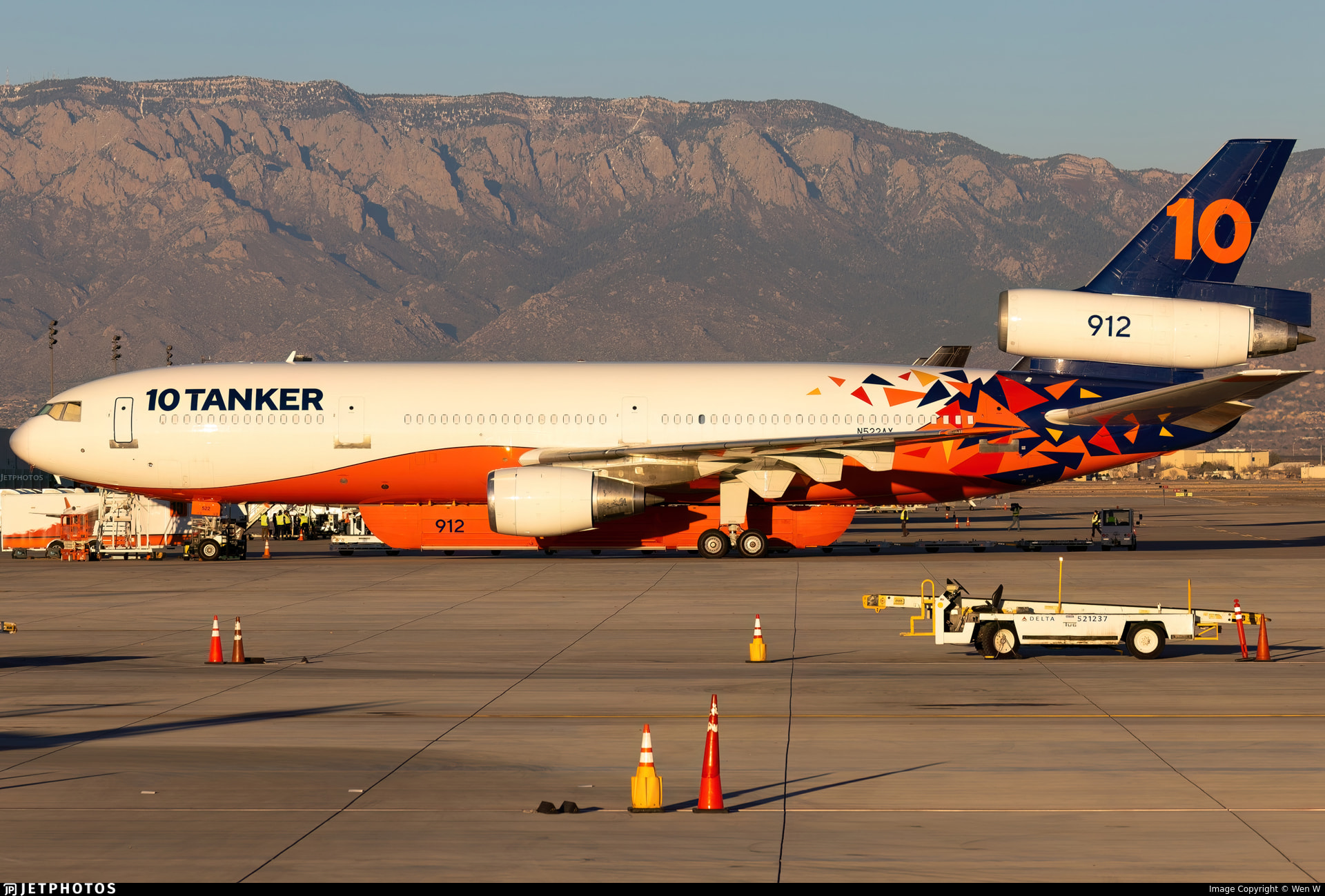
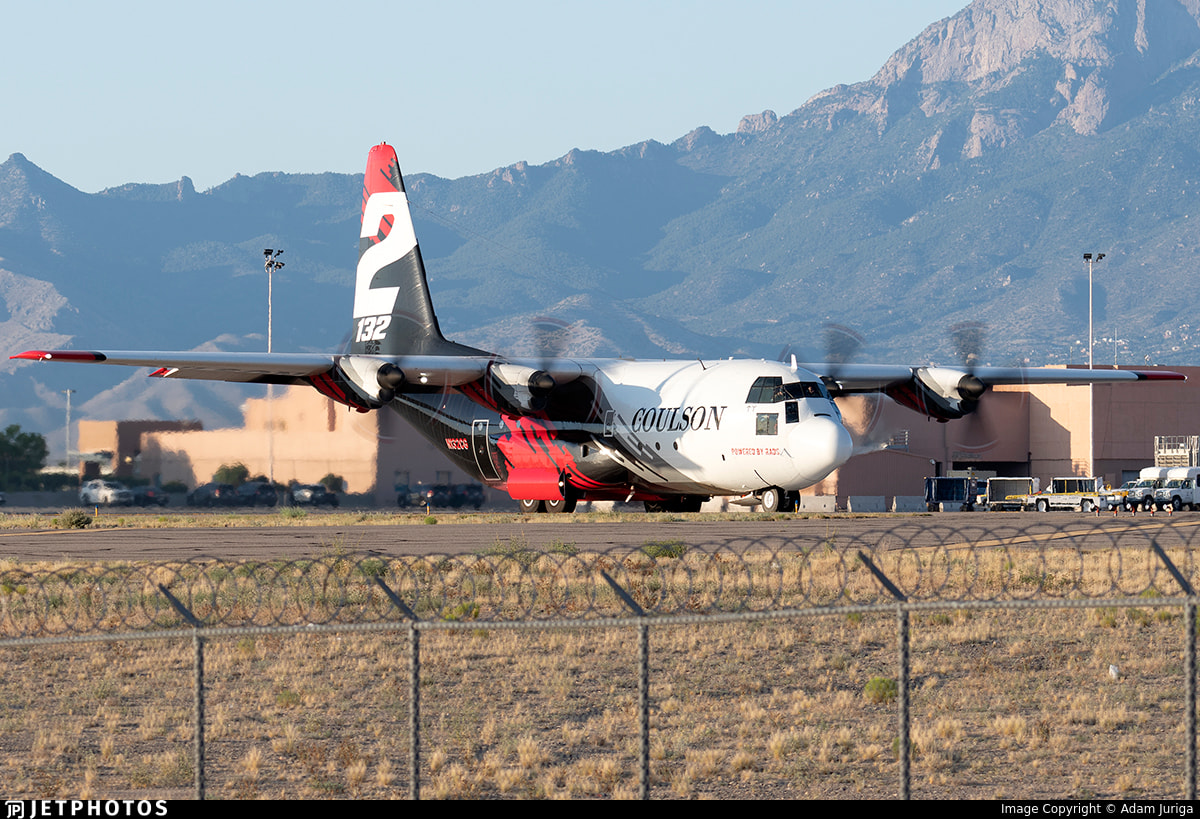
Did I mention that there are even a variety of firefighting aircraft based at the airport, too?All in all, with its striking layout and architecture, the background scenery of the Sandia Mountains, the potential of representing military/firefighting flights (could also work as airport scenery too), and the possibility of encouraging the implementation of smaller aircraft to allow for more operators, I strongly believe ABQ would be a fascinating and fun airport to have in-game, and in my opinion, would definitely be a stand-out.

Major Airlines & Routes
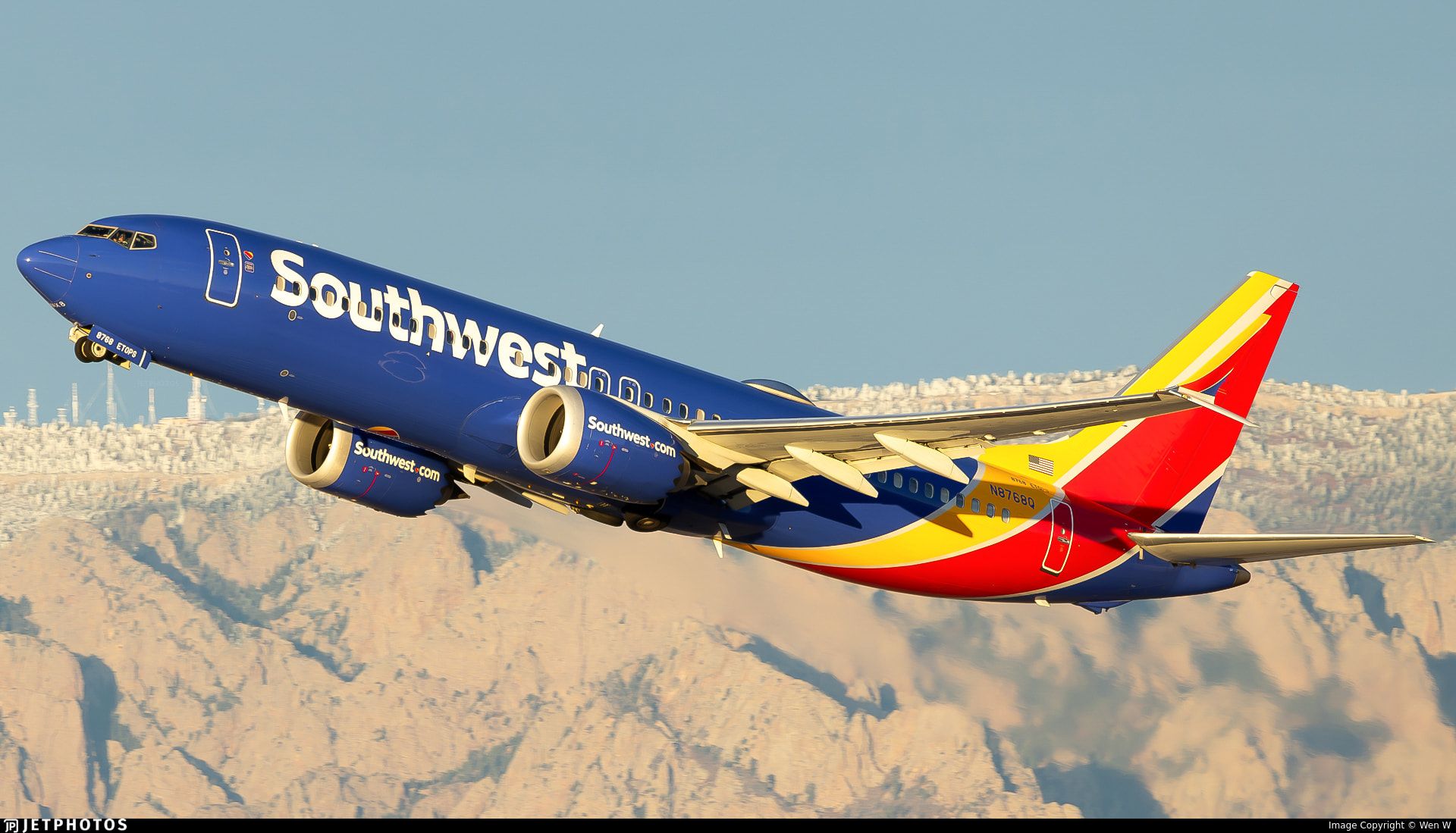
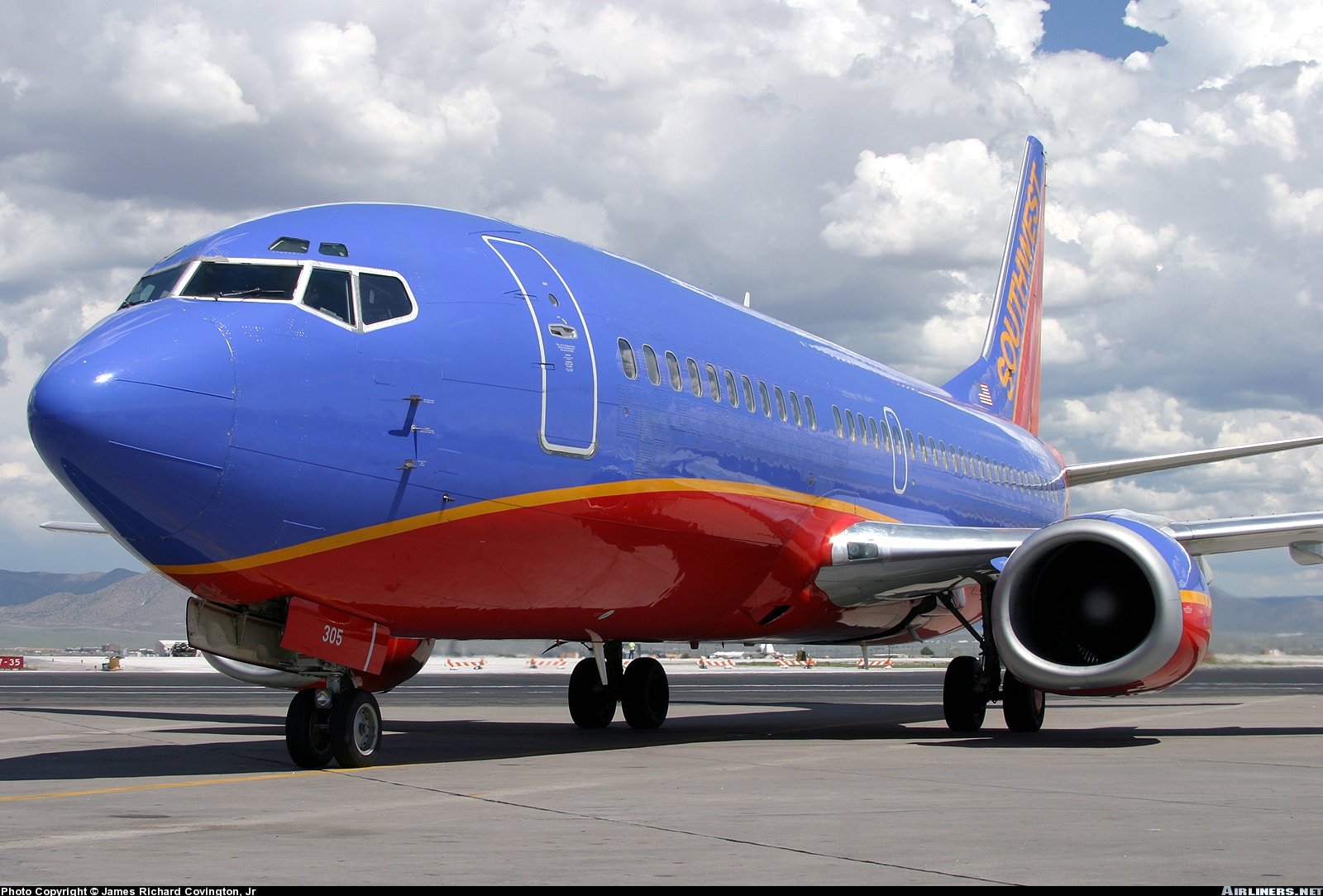
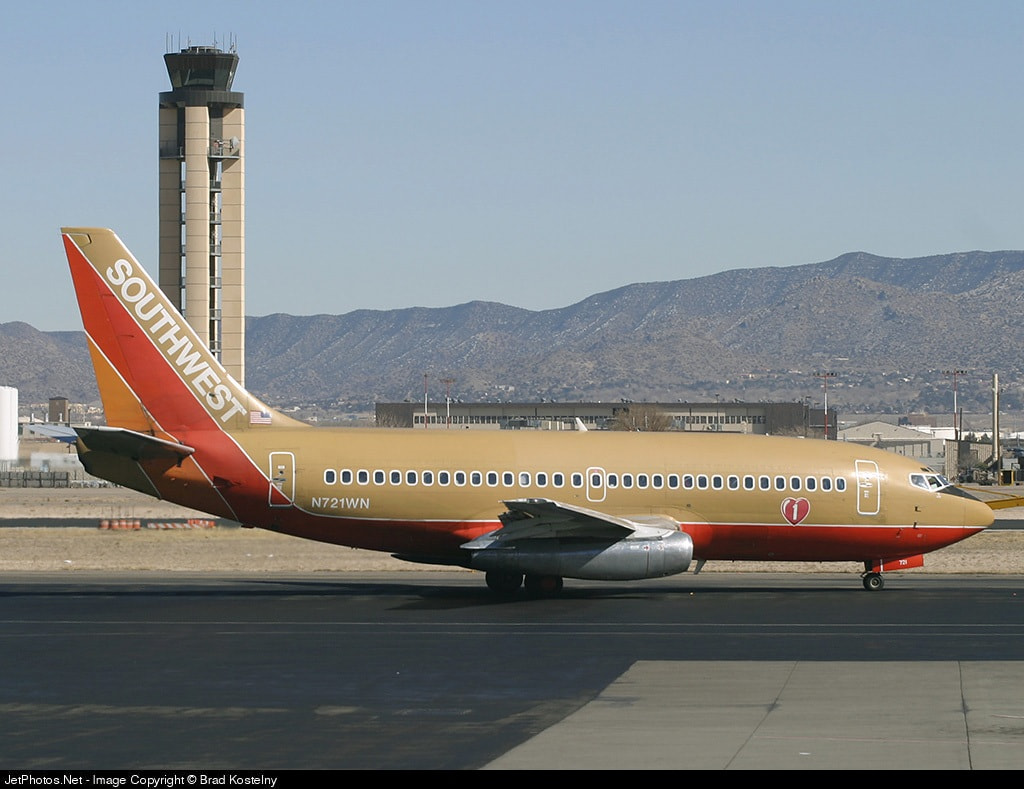
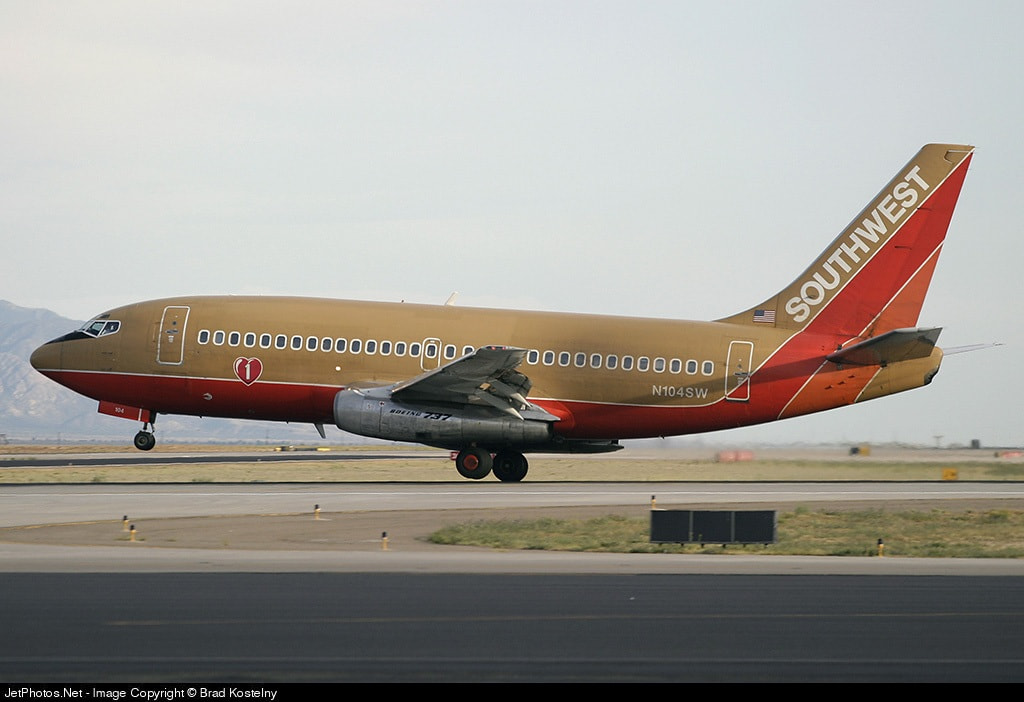
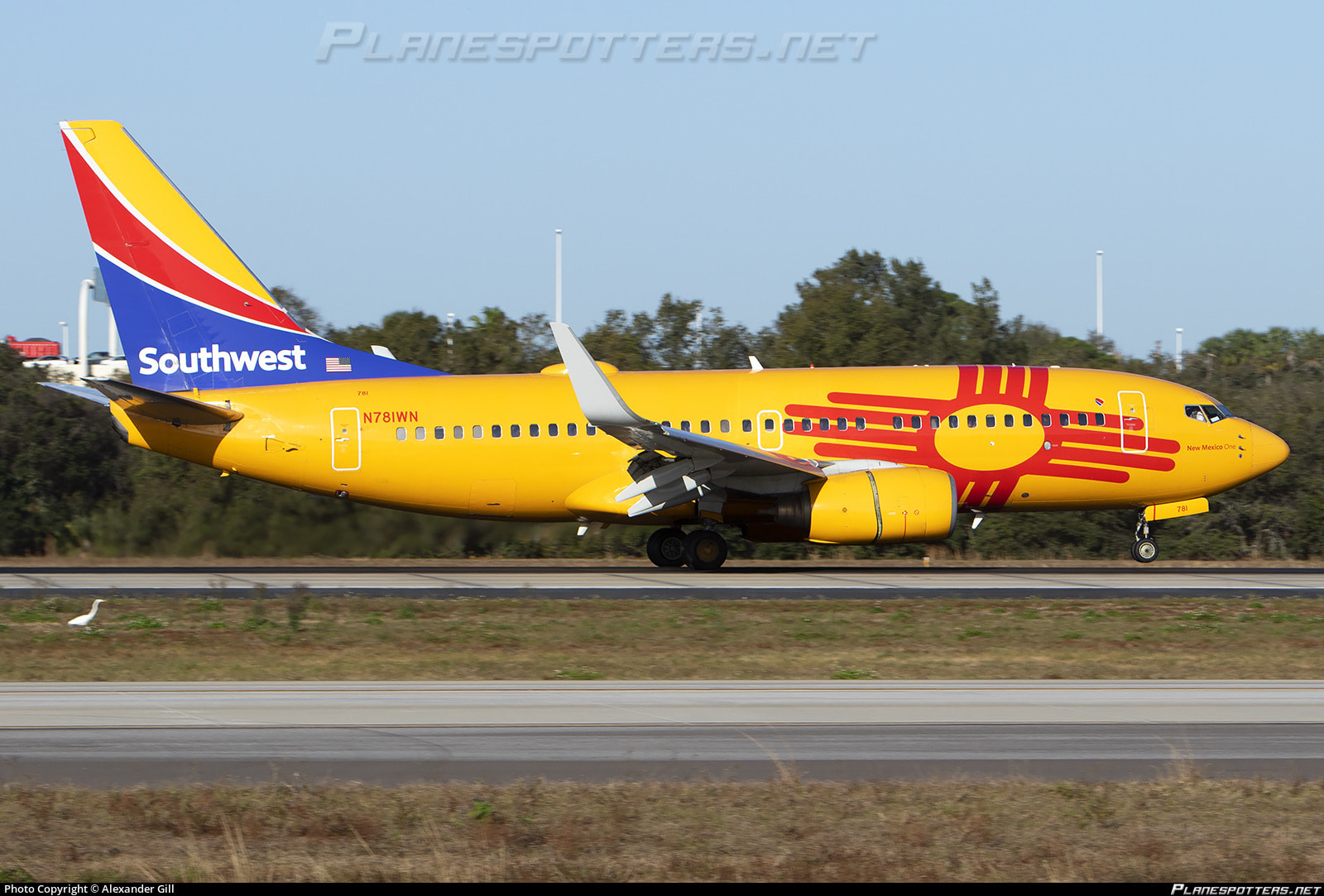
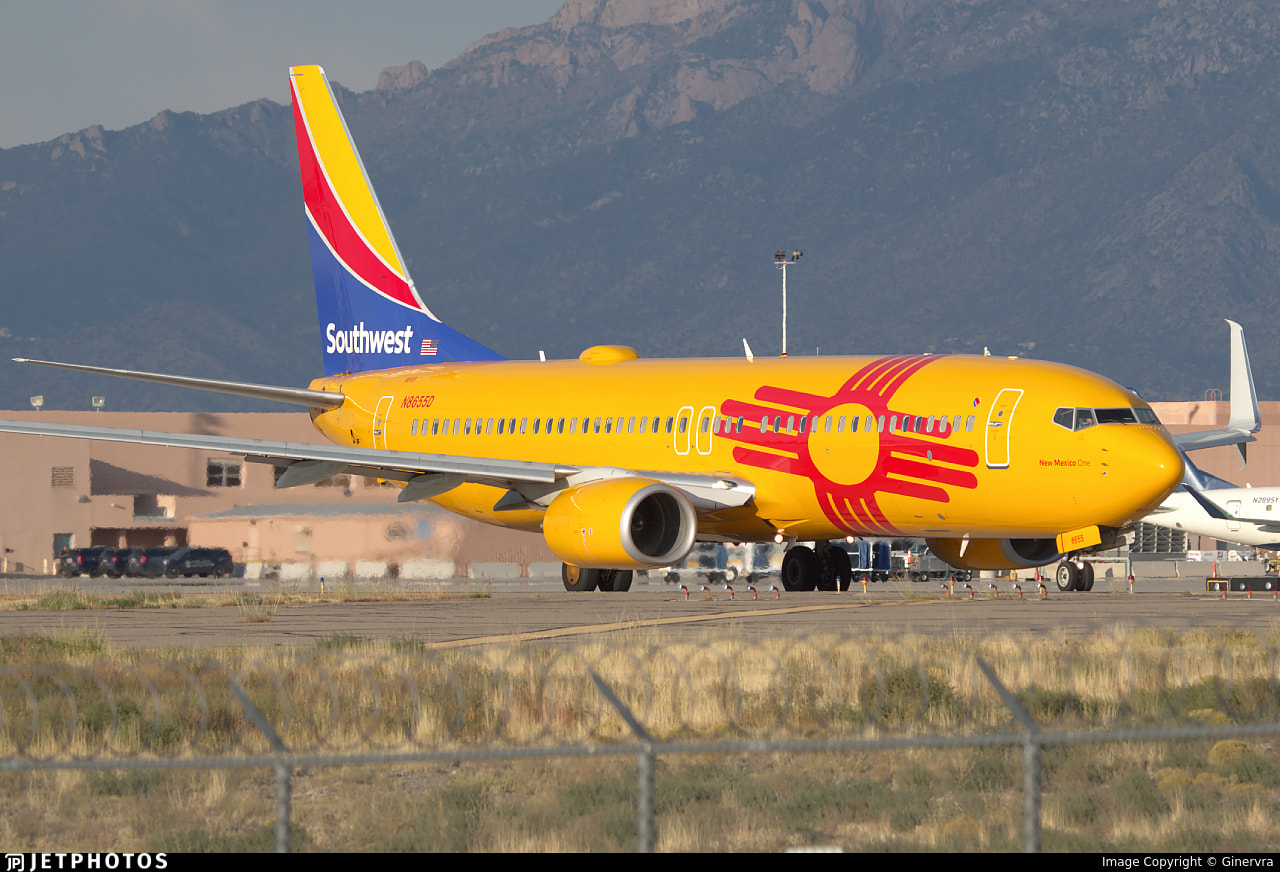
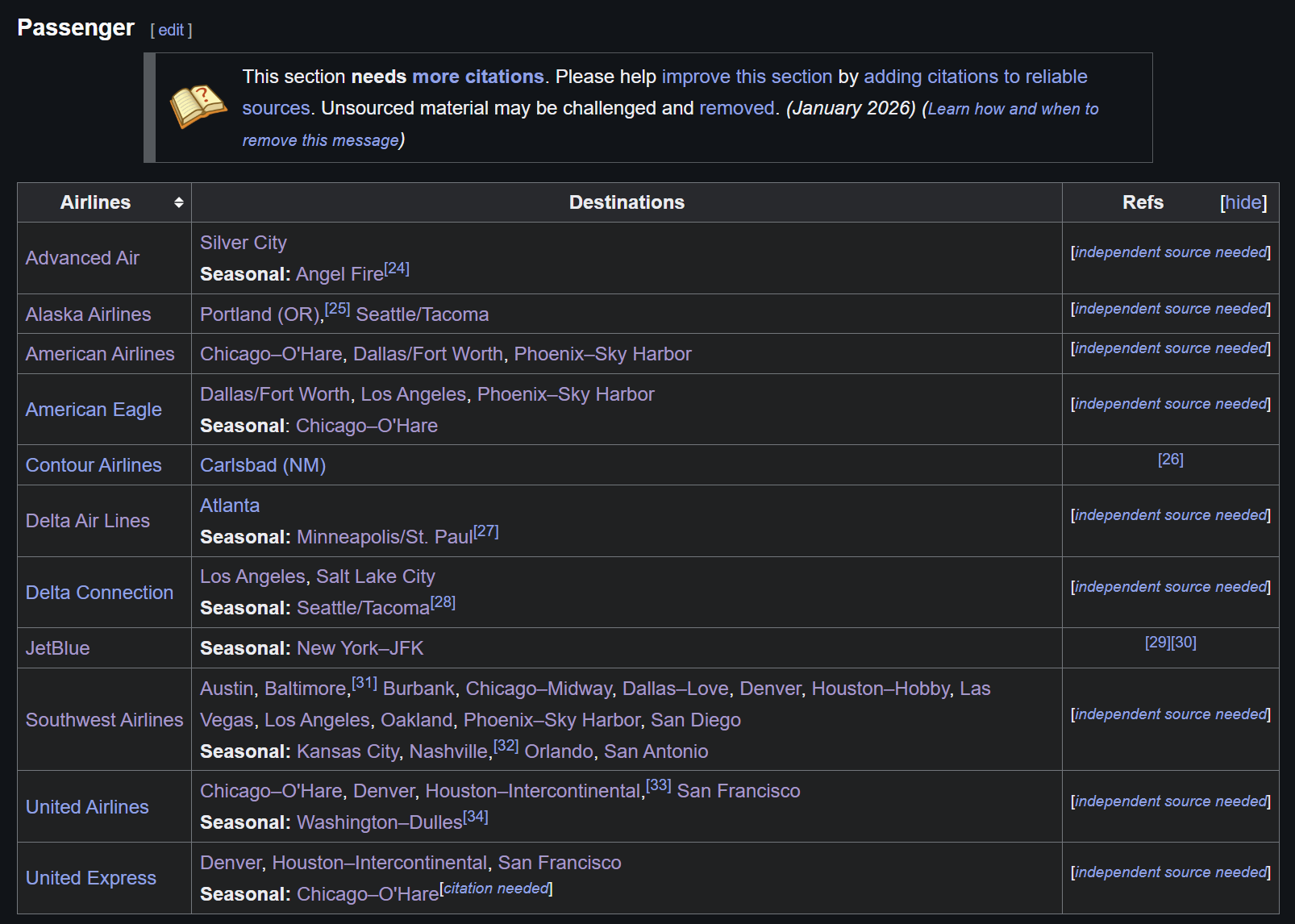
Now, when it comes to the airlines… no airlines have a true defined hub at the airport, making it similar to something like RNO, in a way. Furthermore, Southwest is the dominant airline with by far the most flights out of the airport - though American and United also do have a good number of flights as well.
Similarly to RNO, I think it would be very interesting if the USAF was a local at this airport, given the large presence of the Air Force Base, but regardless, here are the most active airlines:Major airlines at the airport (in order of each airline’s relevance at the airport):
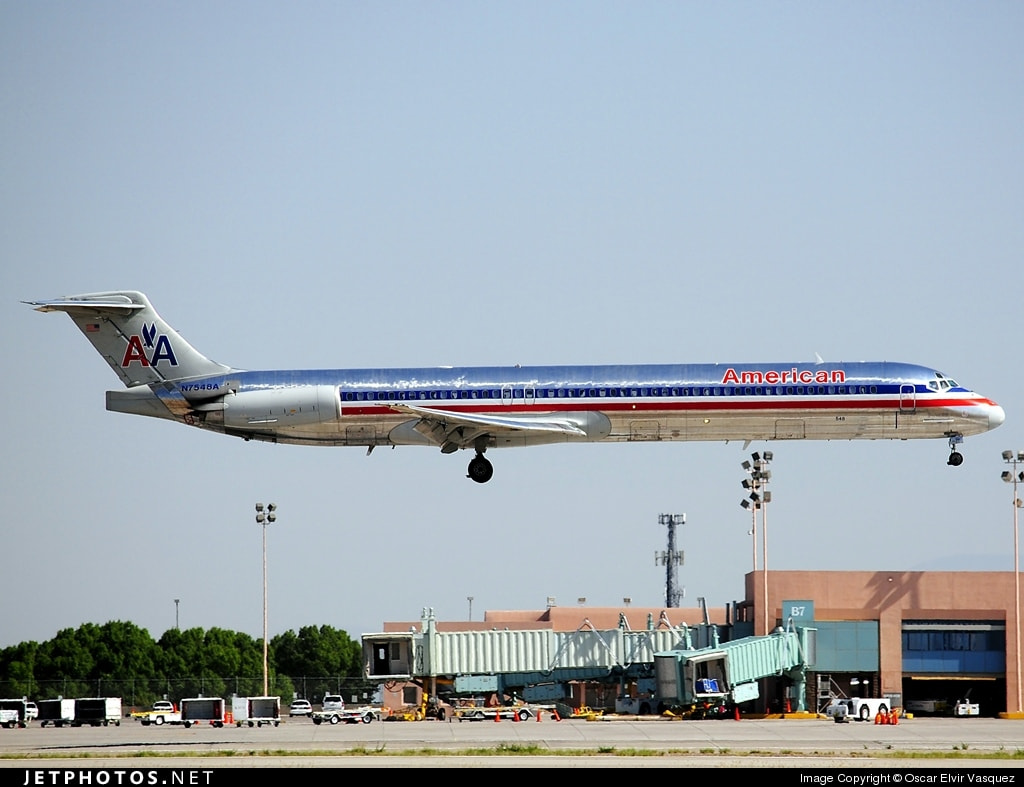
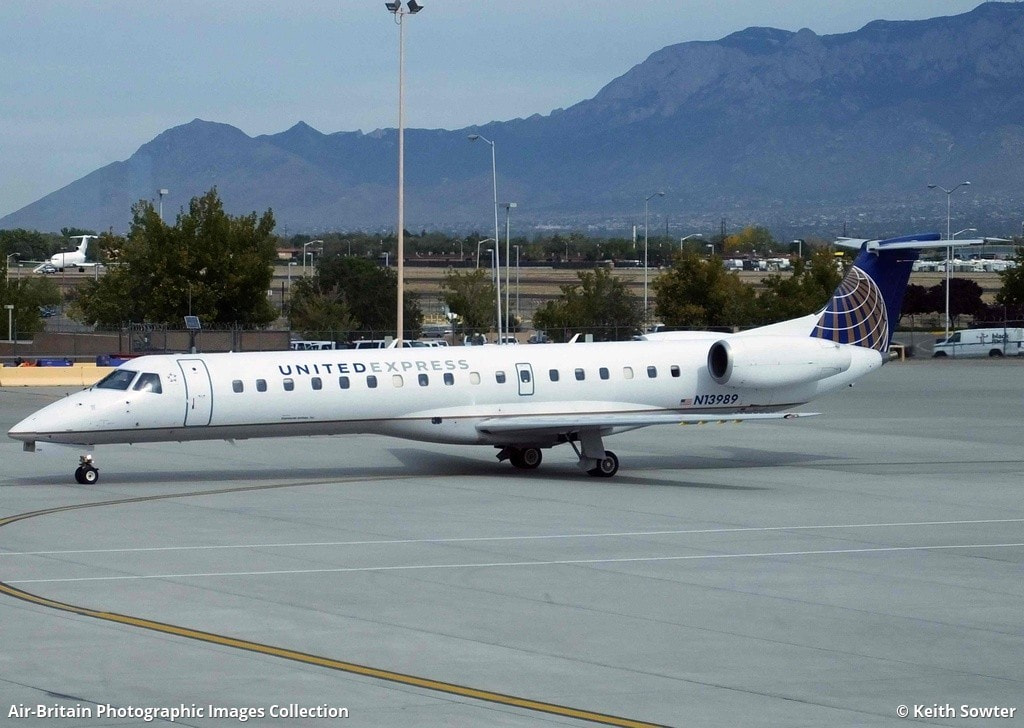
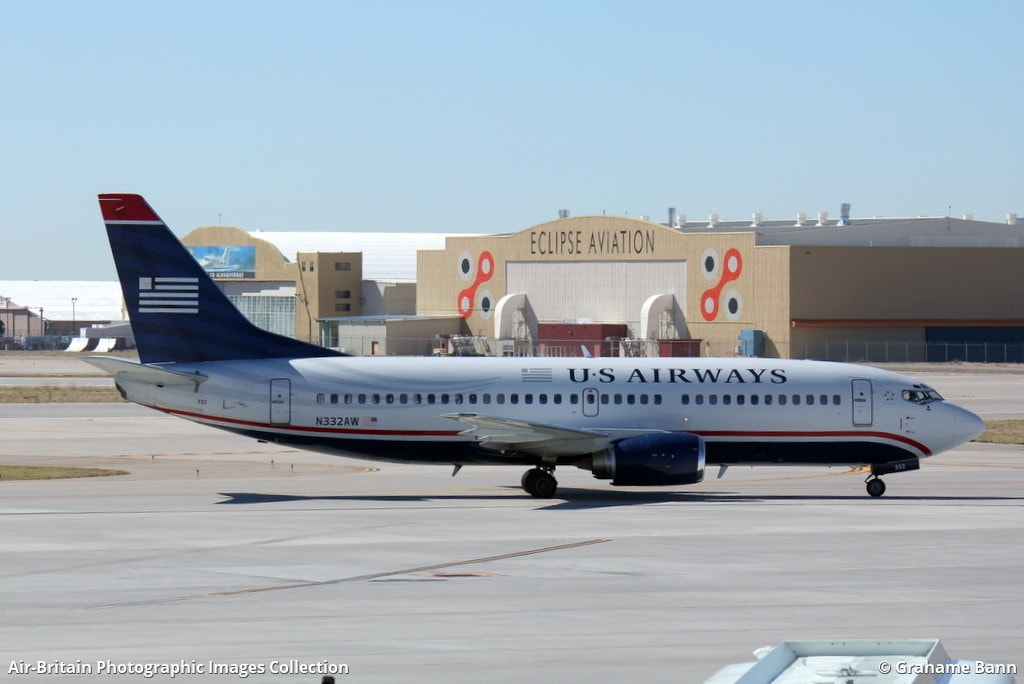
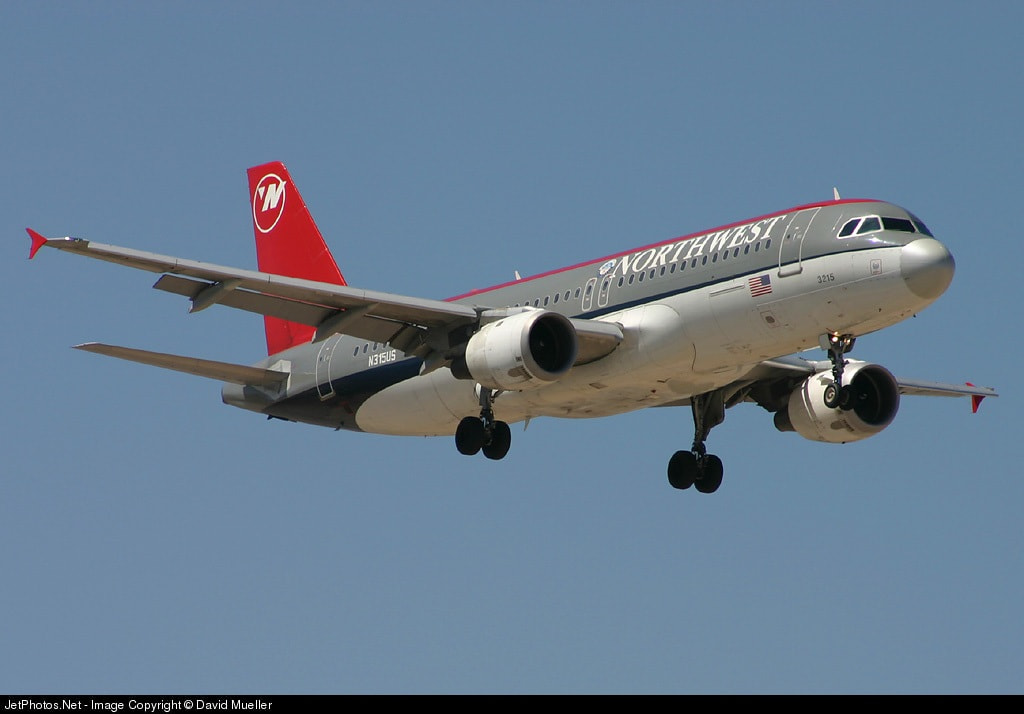
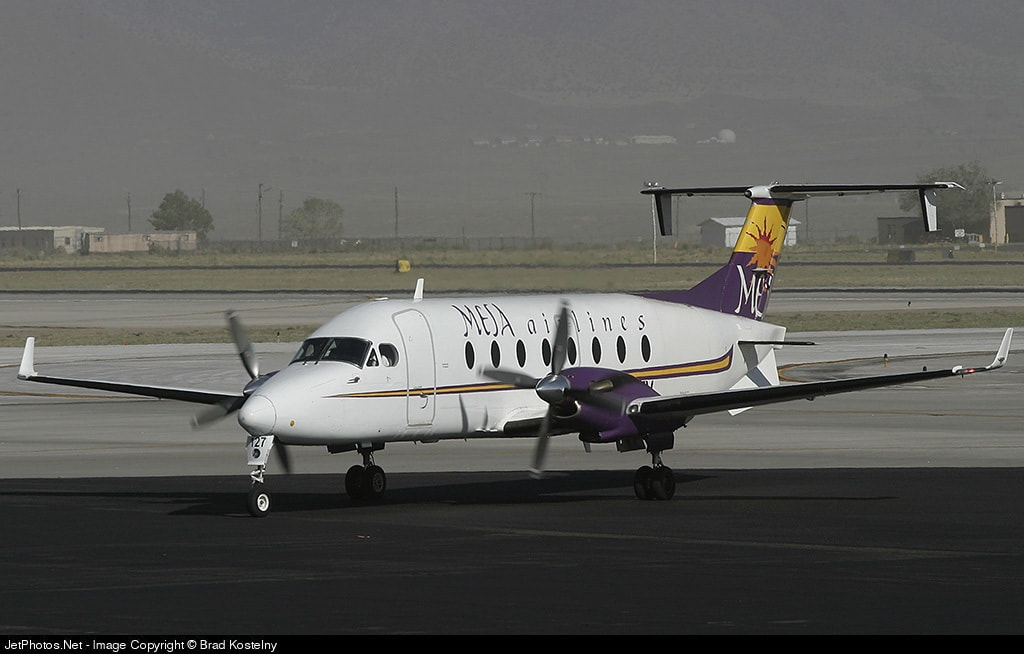
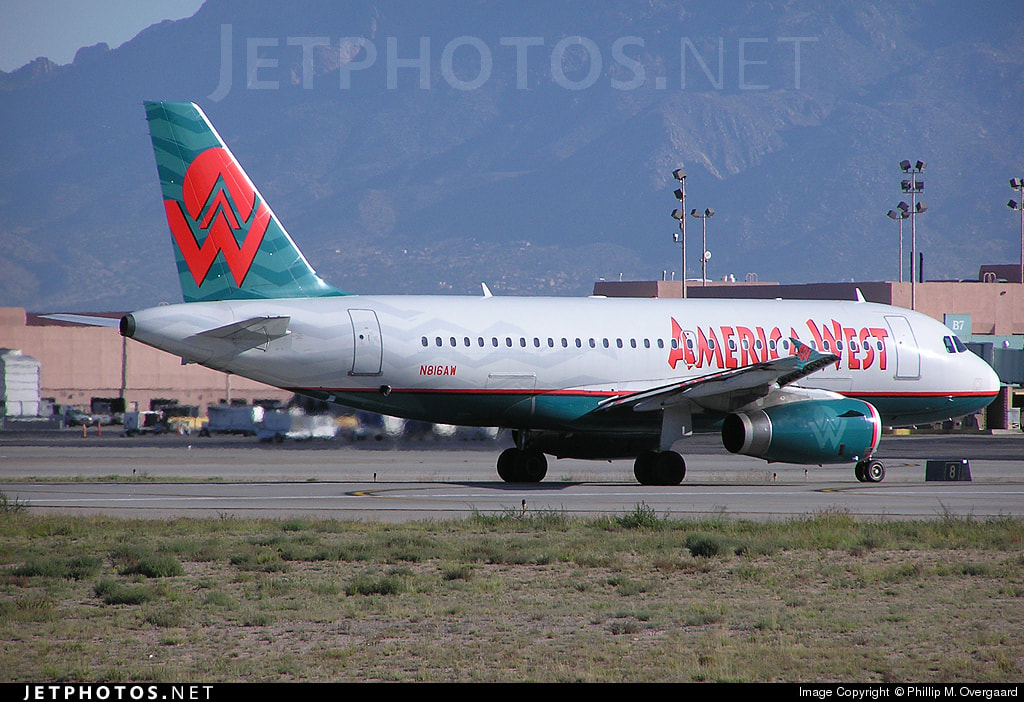
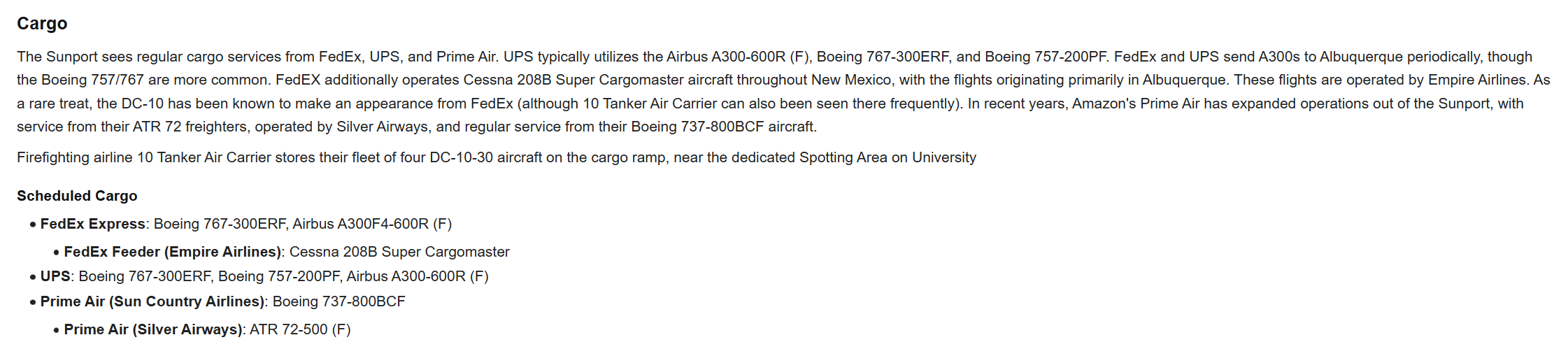
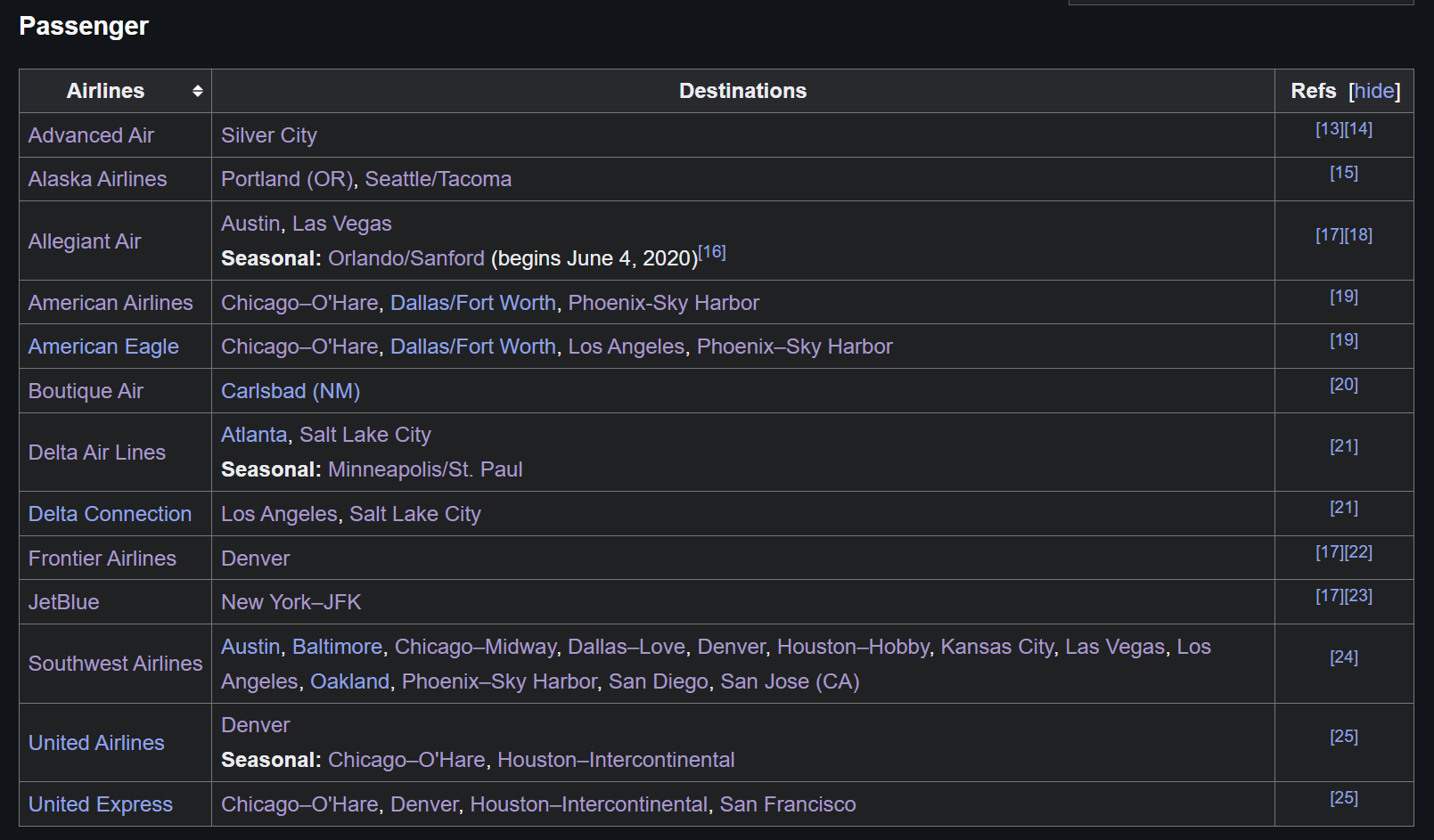
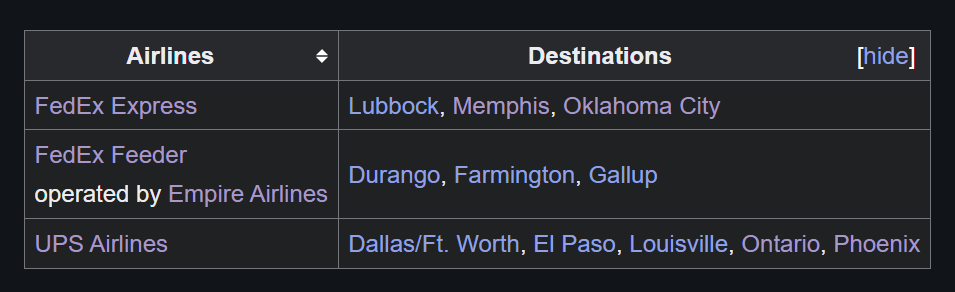
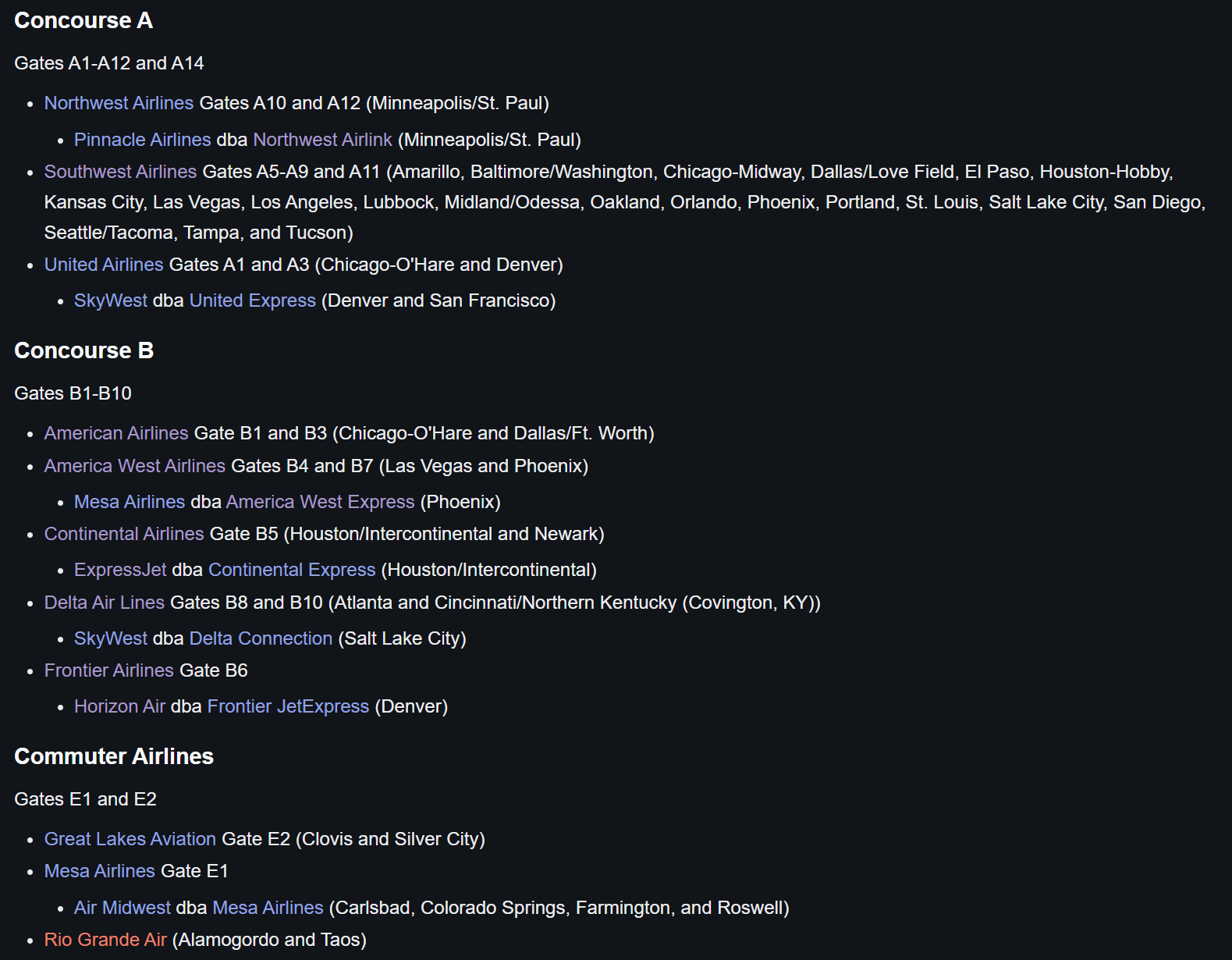
American, United, Southwest - major airlines at ABQWeirdly enough, there are no cargo destinations listed, and I’m not sure why, given a quick look at Flightradar24 will show regular cargo traffic. However, as a little bonus, I found another page dedicated to planespotters, listing what airlines use to fly into the airport:
Do note this isn’t the most up to date information, as the page was last updated around June 2023, but I think this should help provide some additional context for the airport’s traffic.




Unique Features or Challenges
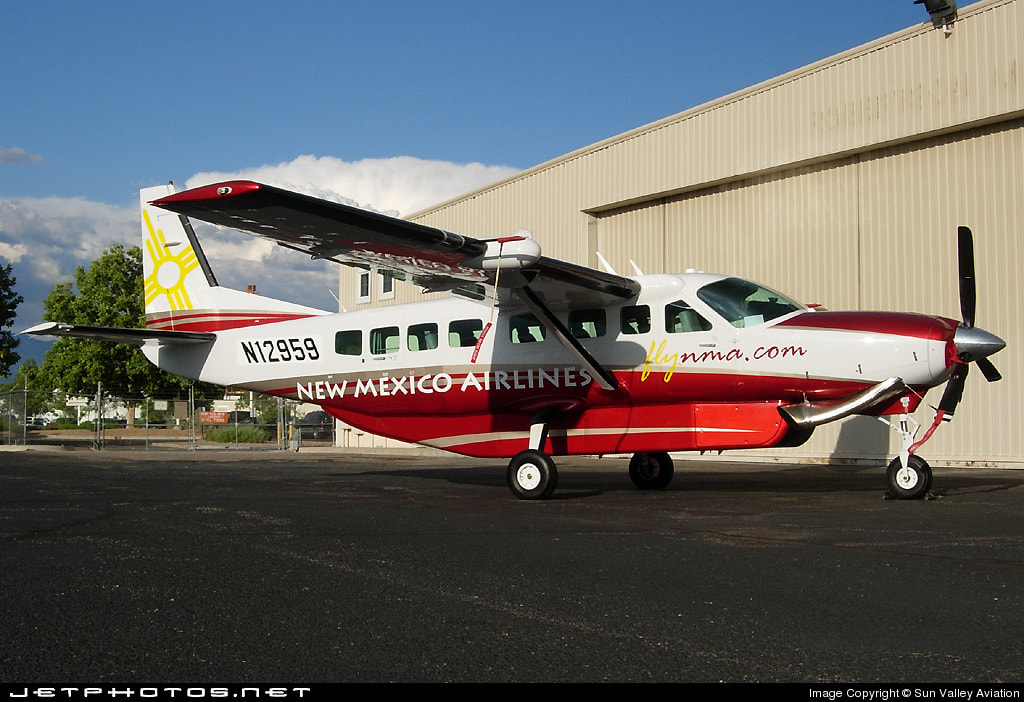
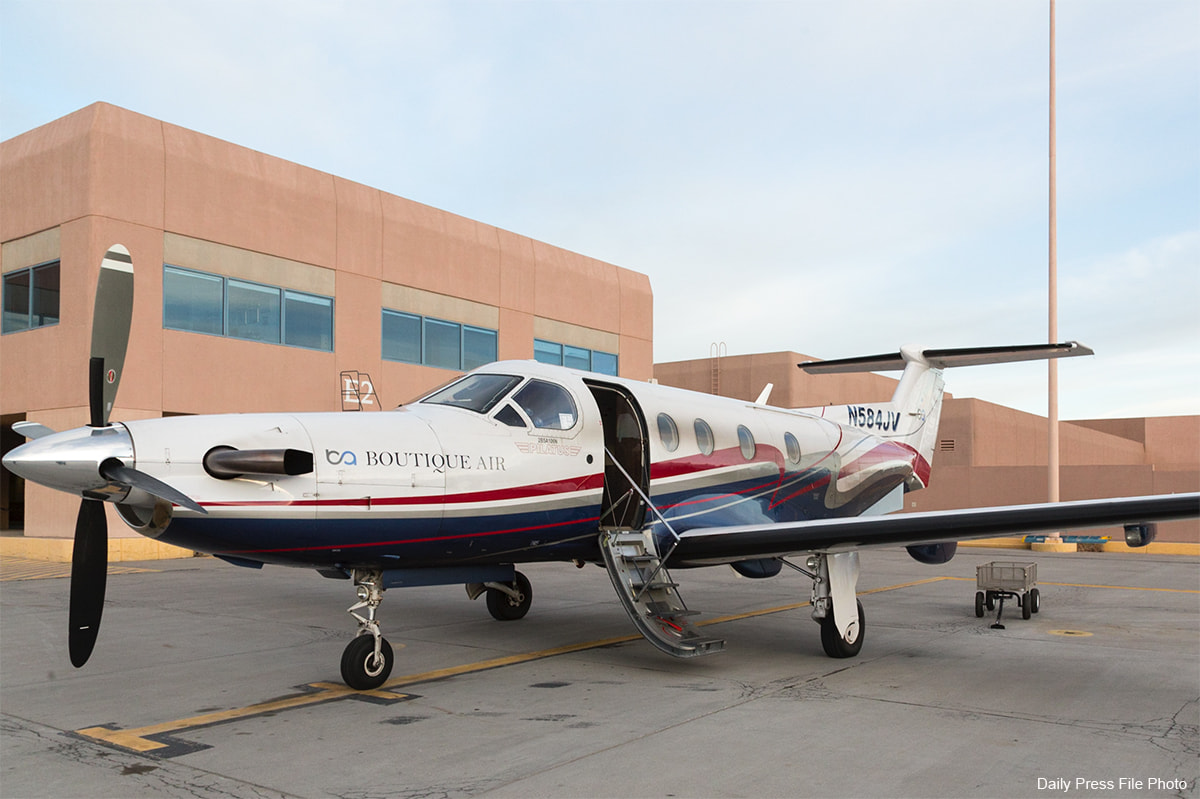
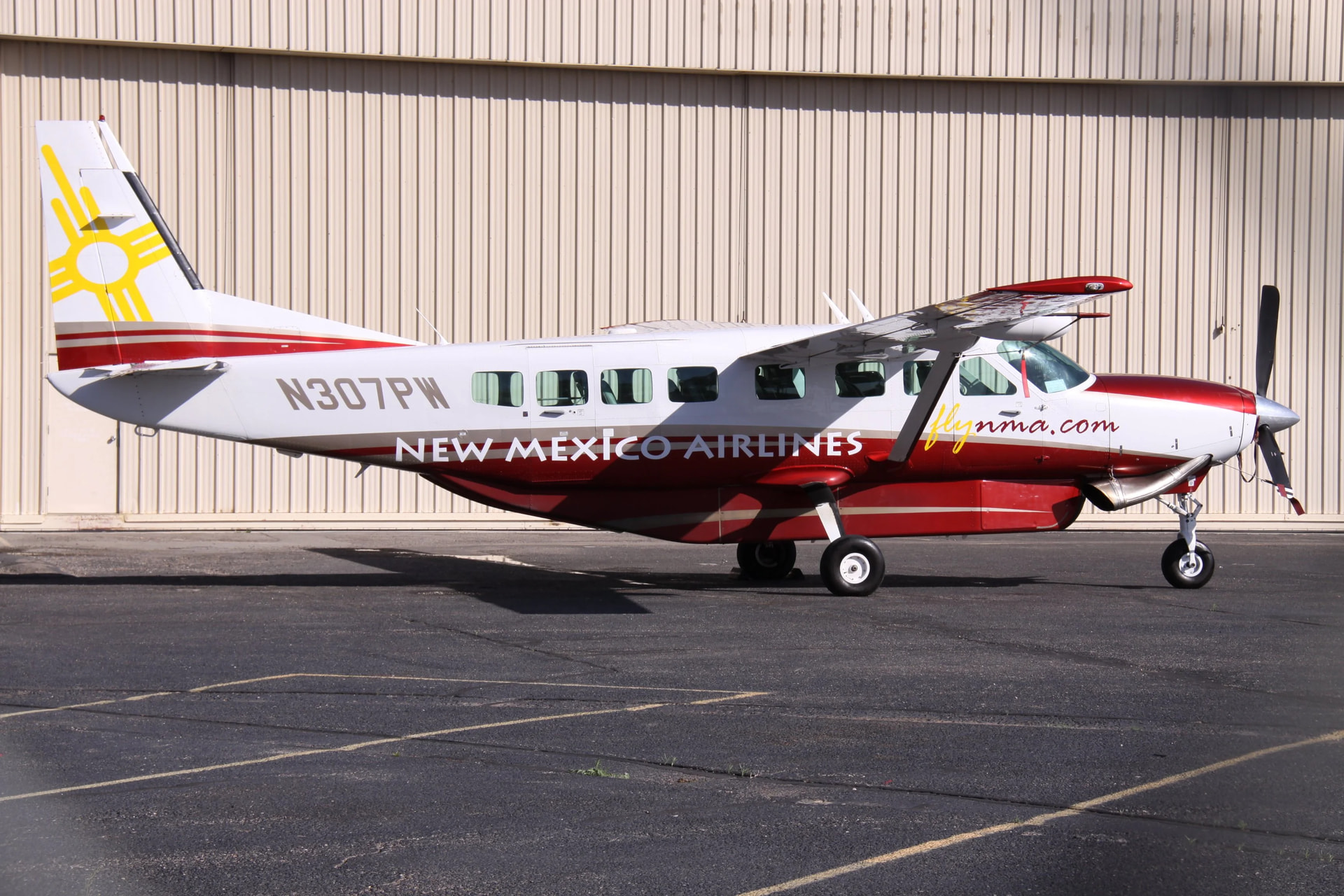
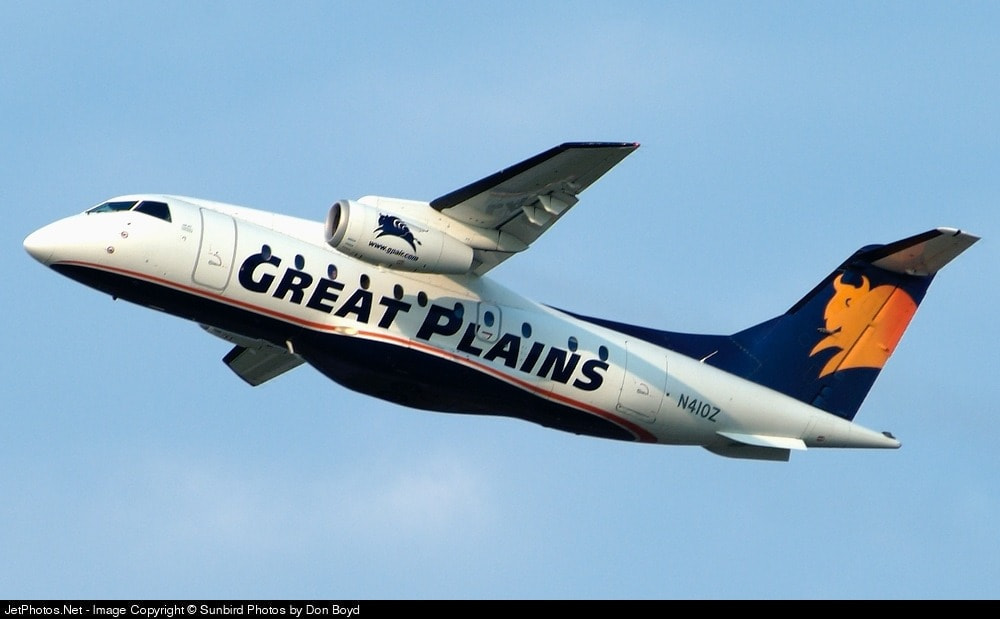
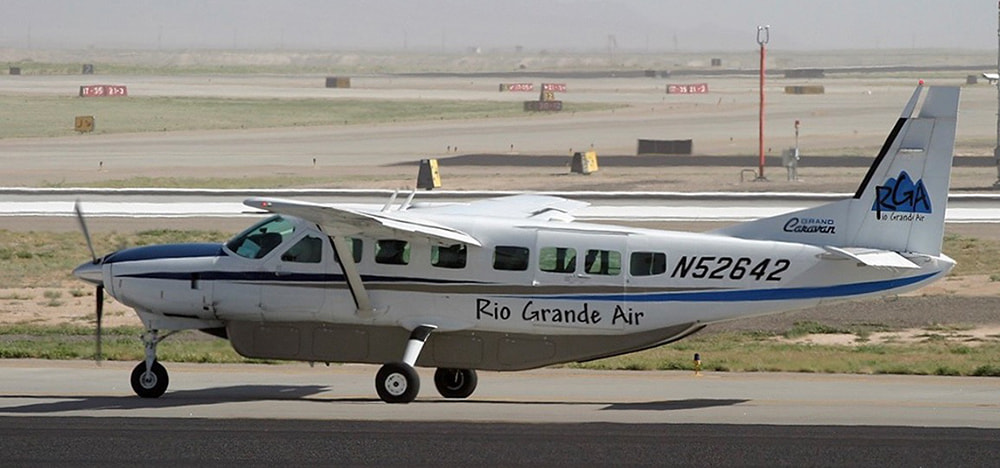
When it comes to unique features/challenges, there are quite a few I can think of:First, the (possible) airlines. The idea of Southwest and possibly American/United being local airlines is a solid lineup, though not exactly foreign or truly unique, sure - yet if smaller types and their relevant airlines were added, such as the aforementioned list of some (Advanced Air, Ameriflight, South Aero, etc.), I can see it really adding to gameplay. Not to mention possible defunct airlines, too, such as New Mexico Airlines and Great Plains Airlines.
On a similar note, I’d say another possible unique feature of the airport would be its variety in traffic. There’s the standard passenger A320s and 737s with the cargo A300s and 767s, sure, but also general aviation aircraft, military/firefighting aircraft, small commuter/cargo aircraft, and so on - there’s a bit of everything at this airport, something not many airports can say they have.
Now, as for the possible challenges… I’d say the most notable would be the layout of the runways and taxiways. This might not always prove to be a challenge, say if most aircraft go for something like Runway 8 for landing/takeoff - but the airport’s active runways can vary quite a bit, which I can see leading to long taxi times or even runway crossings, which I’ve seen happen (for example, I’ve seen aircraft land at Runway 3, then cross over 8/26 to get to the terminal).
Additionally, I’ve seen some cargo traffic fly over 8/26 in order to land/takeoff from 3/21, which I can also envision adding a further bit of challenge to operations.Additionally, something else I can see being a challenge could possibly be crew shortages, especially in the context of cargo flights, which typically involve aircraft like A300s and 767s, as mentioned above - and do keep in mind that you’d likely be handling some regular passenger traffic, too. Stand shortages might also be a possibility, but there are quite a few of those, so I’m not 100% sure about it.
And finally, the runway length. 8/26 has one of the longest runways in the country, and for good reason too - the airport is situated a mile above sea level (5,355 ft / 1,632 m), which of course means landing/takeoff distance is going to be affected. However, altitude was not the only reason at play, as the runway needed to also accommodate larger jets operated by the Air Force, which further added motive for a long runway.
Regardless, and similar to the point I made in my previous NLU suggestion, it would be a great detail if aircraft had longer takeoff/landing runs at this airport.
Optional: Links, images, maps, or videos
SOURCES:
ABQ’s Wikipedia page
ABQ’s SpottersWiki page (as mentioned above)
ABQ’s official website
A video of ABQ planespotting
A PDF of the Master Plan for ABQ (2020)MEDIA SOURCES:
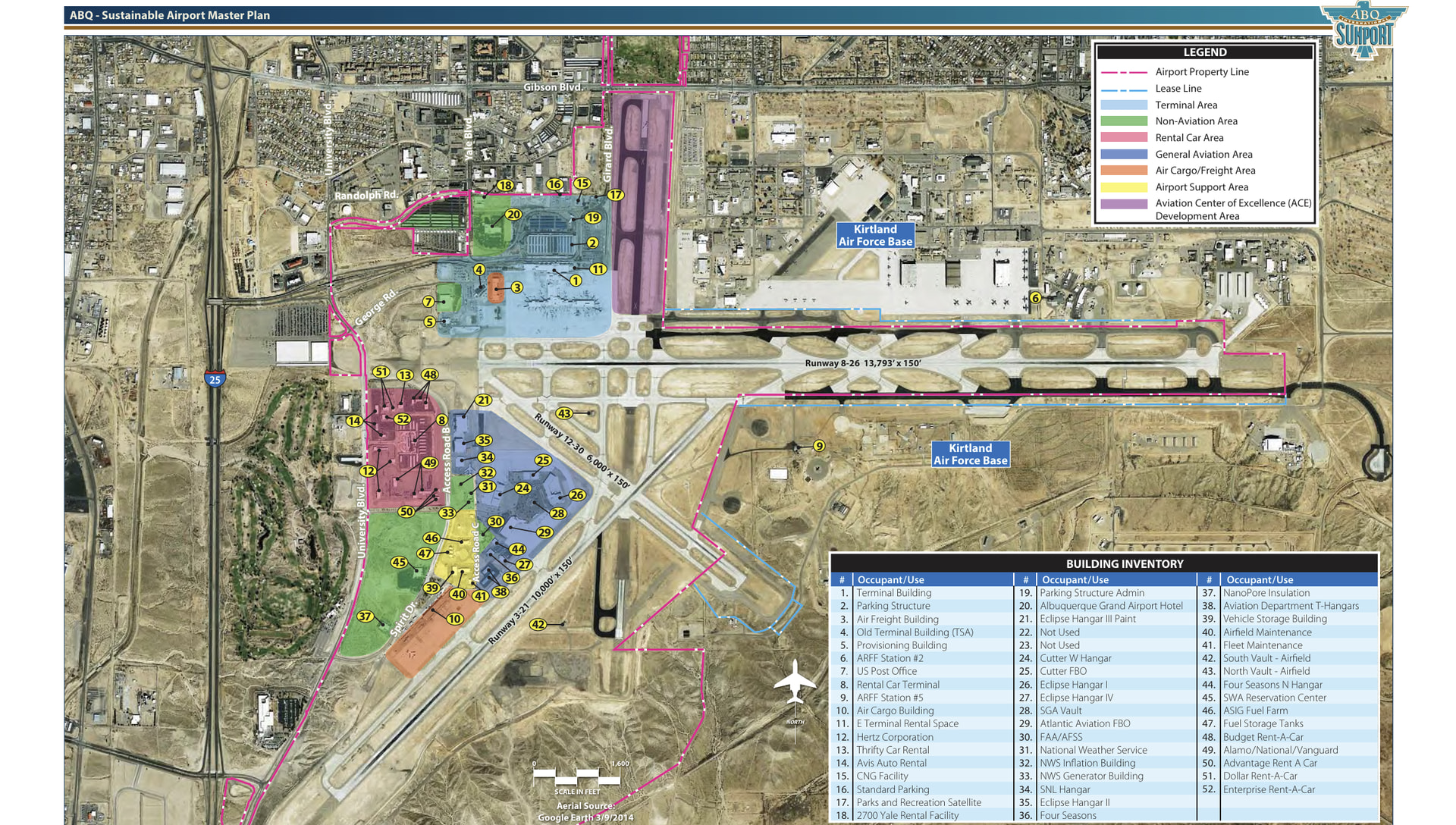
(Pictured below: A graph of ABQ)(Pictured below: Various diagrams from the Master Plan, showing both current details of the airport, and its future plans)
(Pictured below: Another diagram from the Master Plan, showing the terminal specifications)
I wish more airports gave this level of detail for their plans
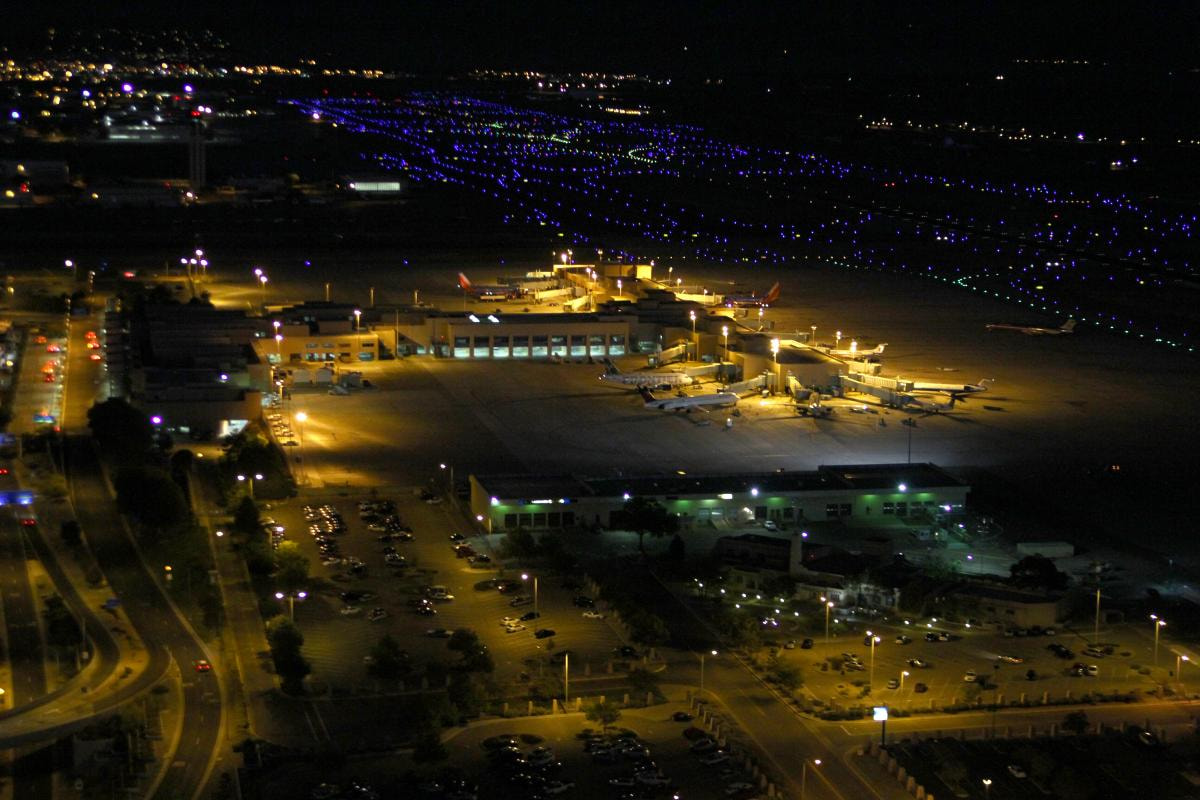
(Pictured below: An aerial view of the airport)
(Pictured below: The Air Traffic Control tower, with the Sandia Mountains in the background)
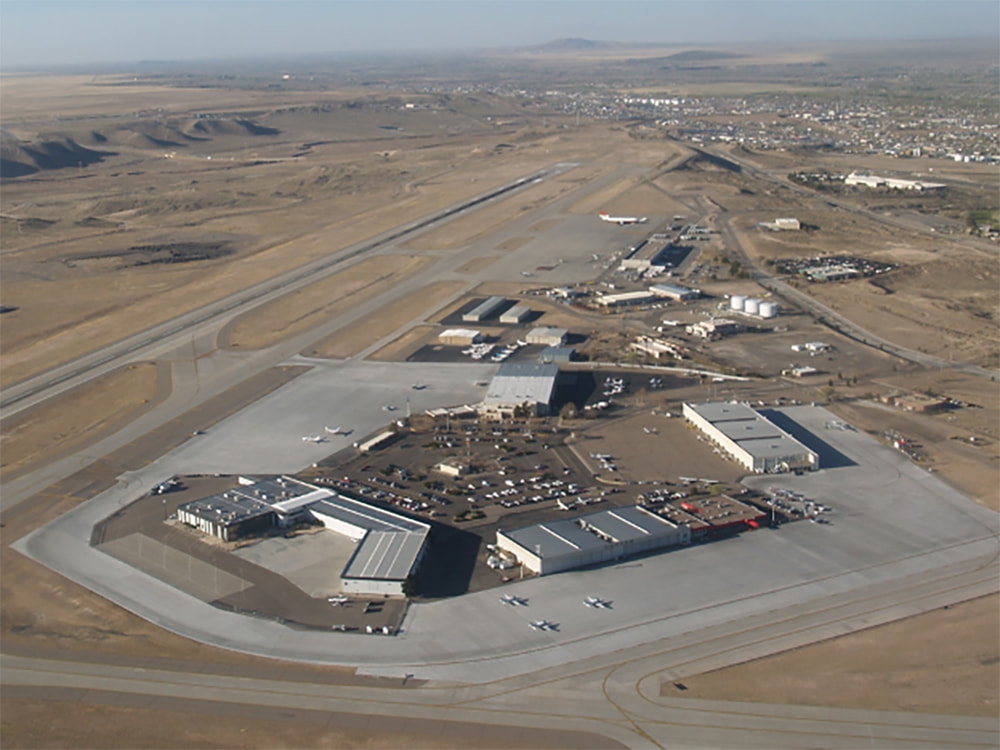
(Pictured below: Several shots of the various facilities of the airport, including the terminal, general aviation apron, and cargo apron)
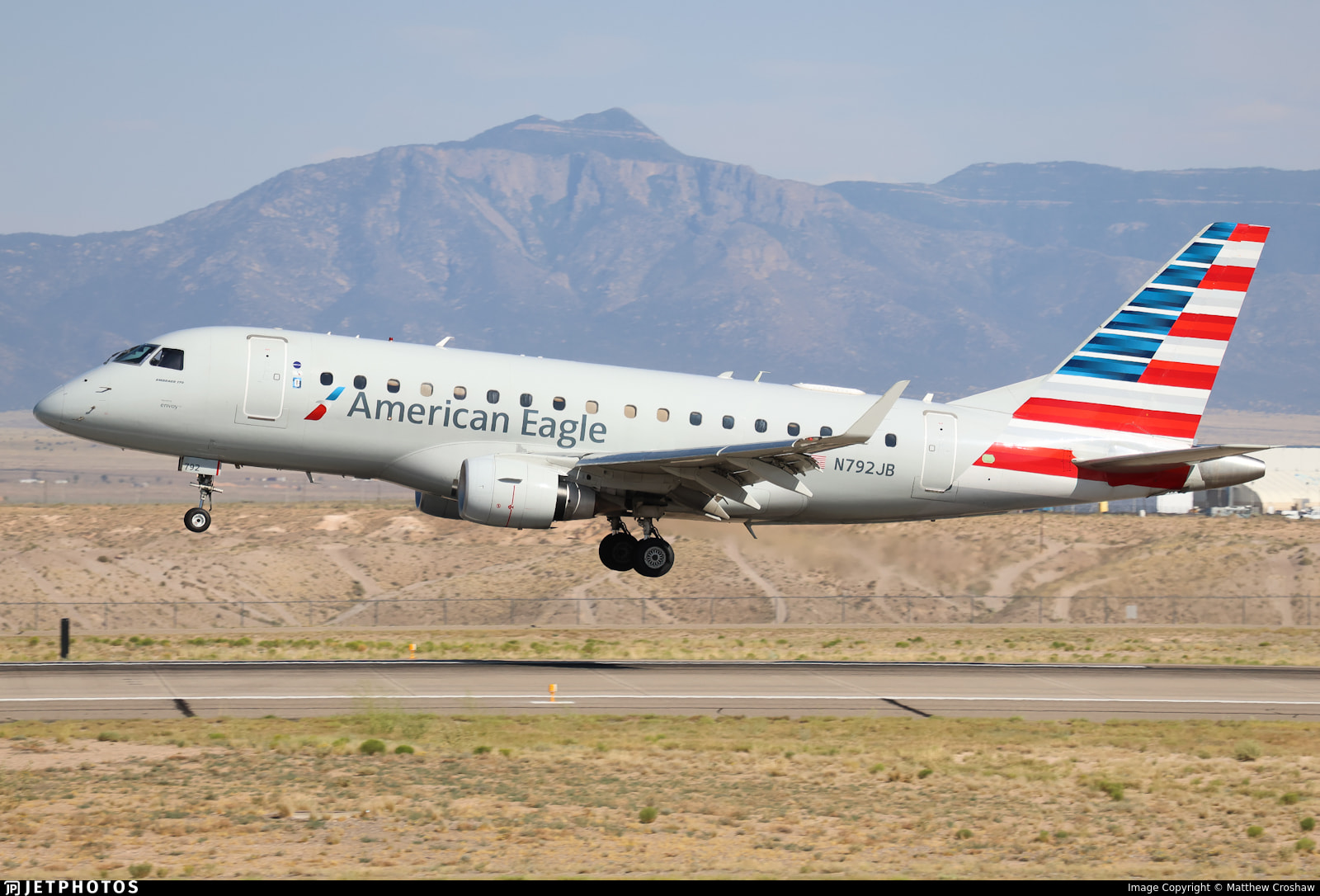
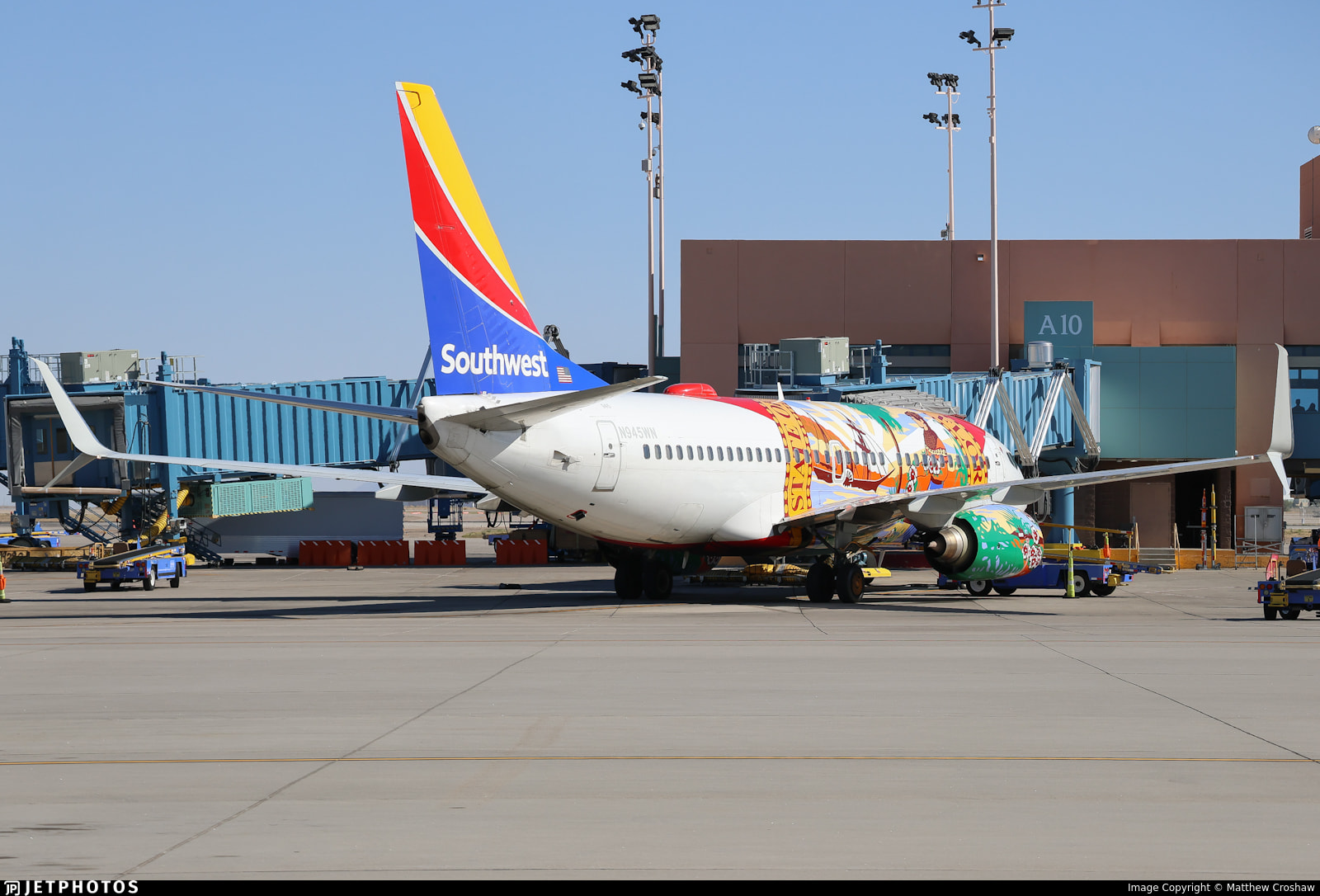
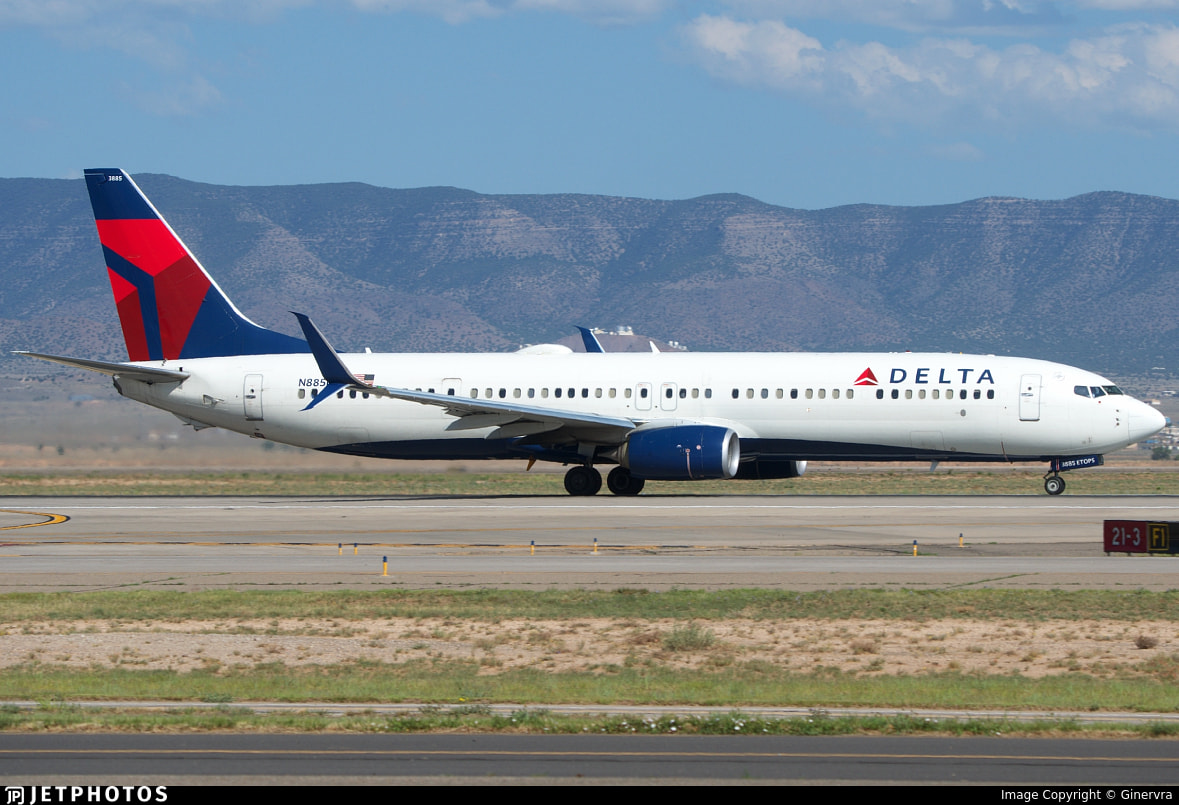
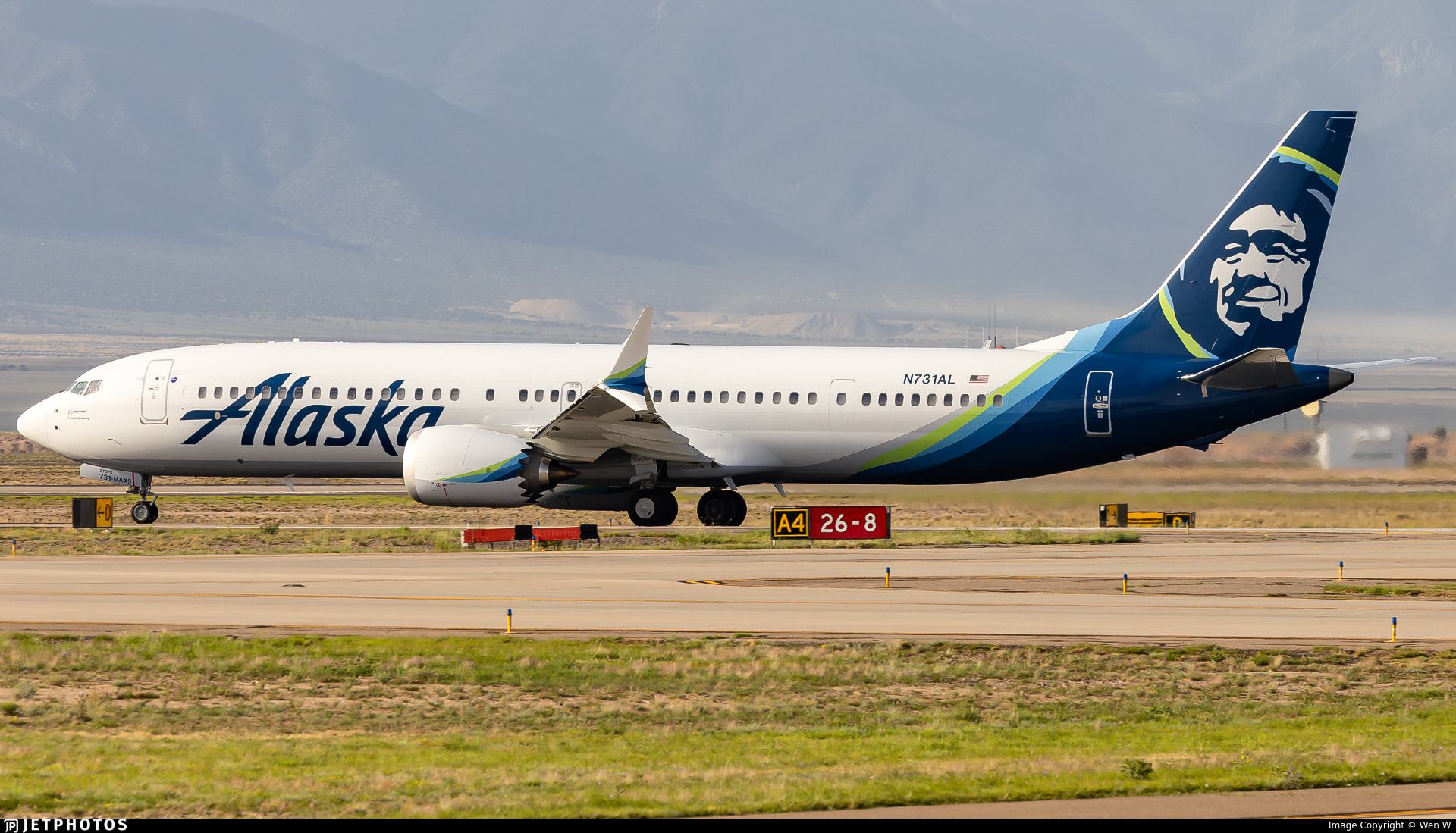
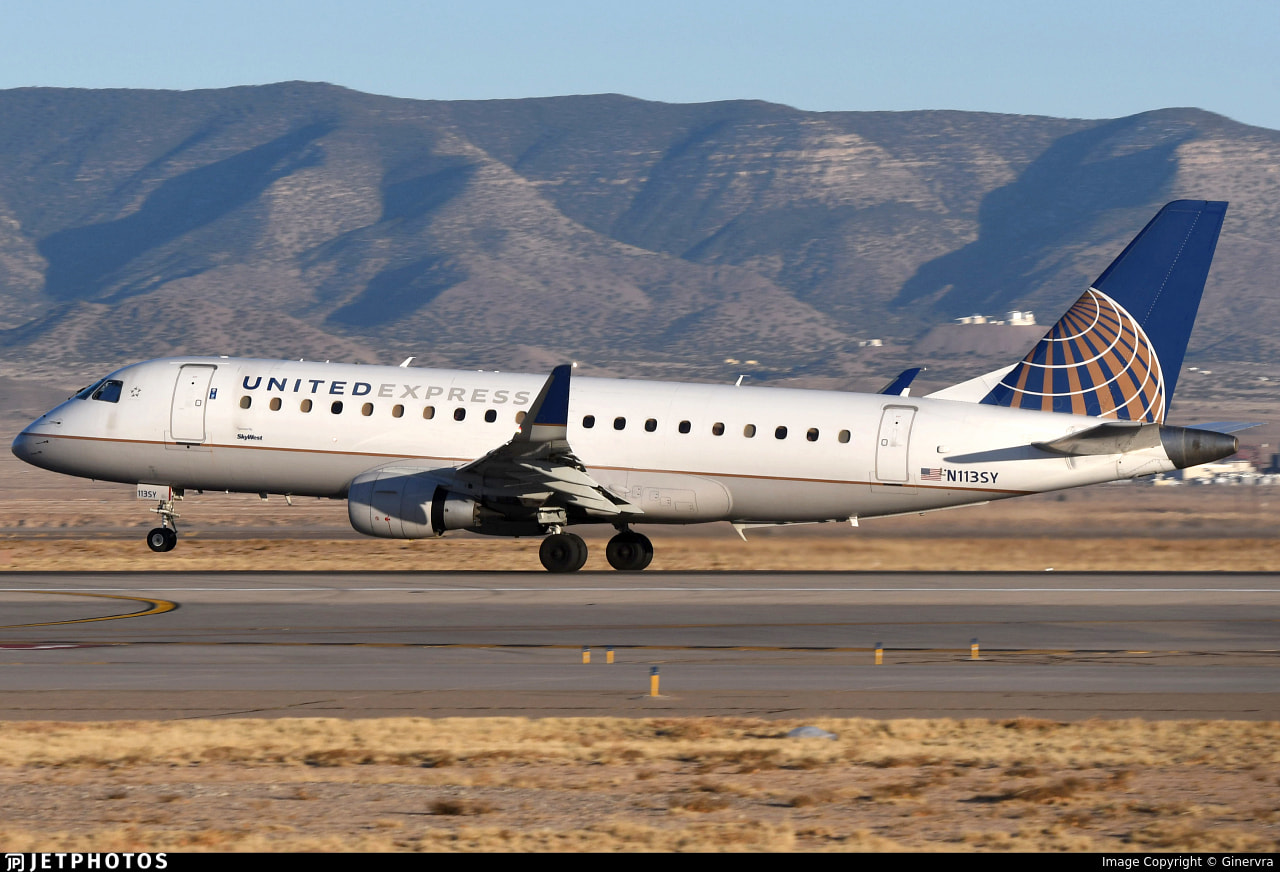
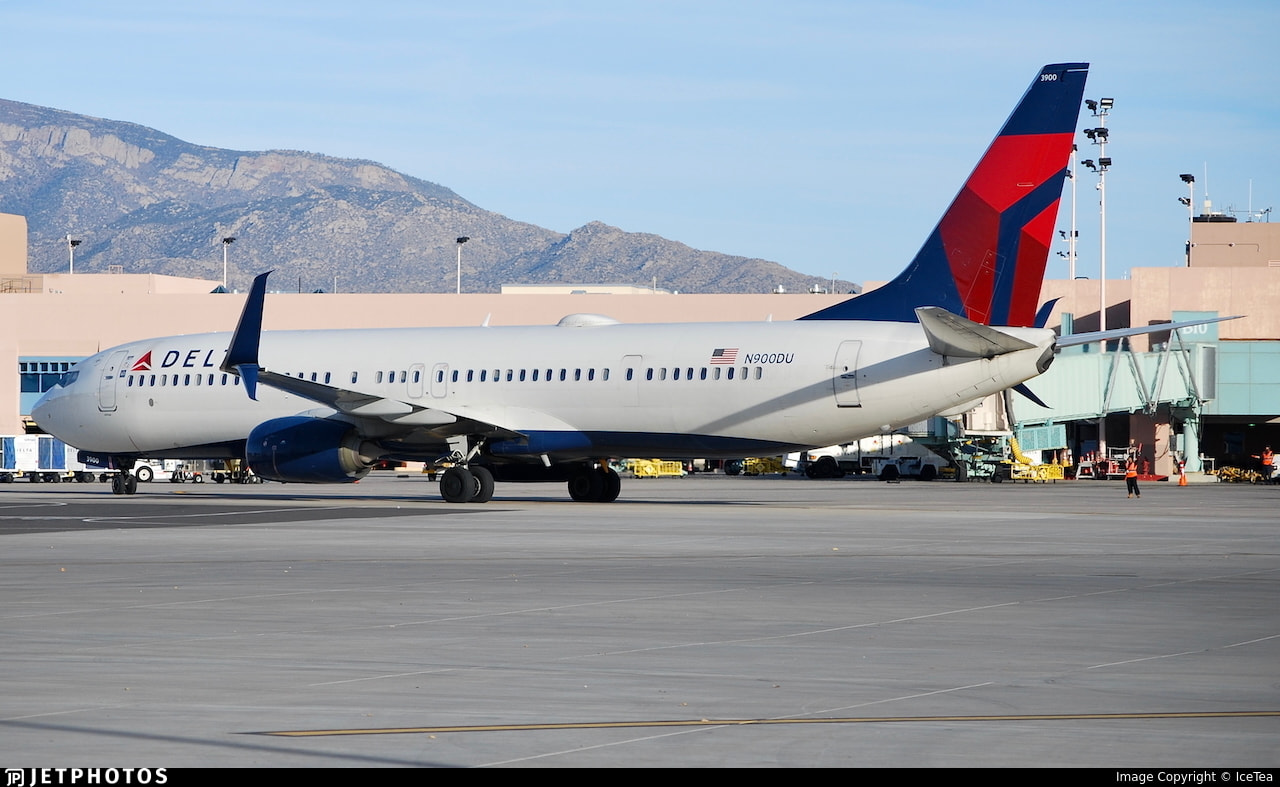
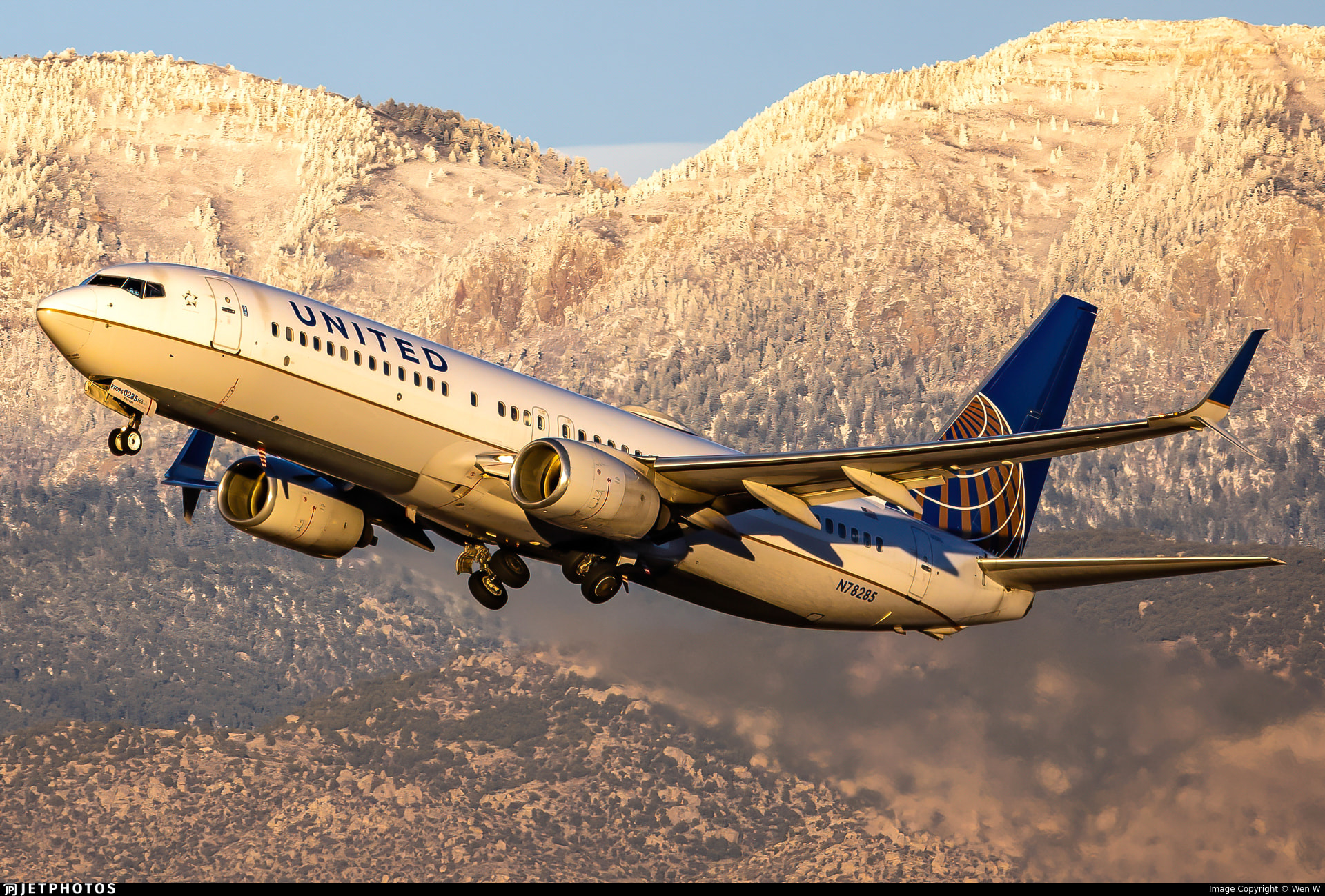
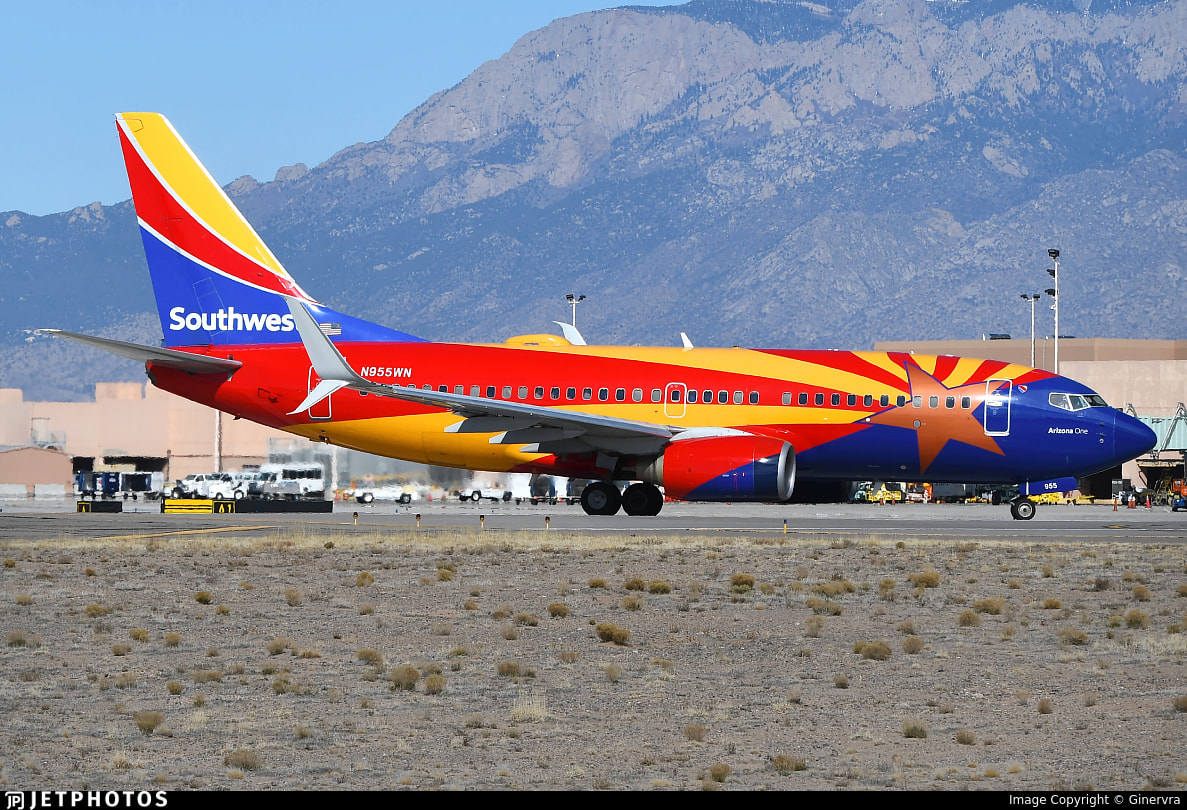
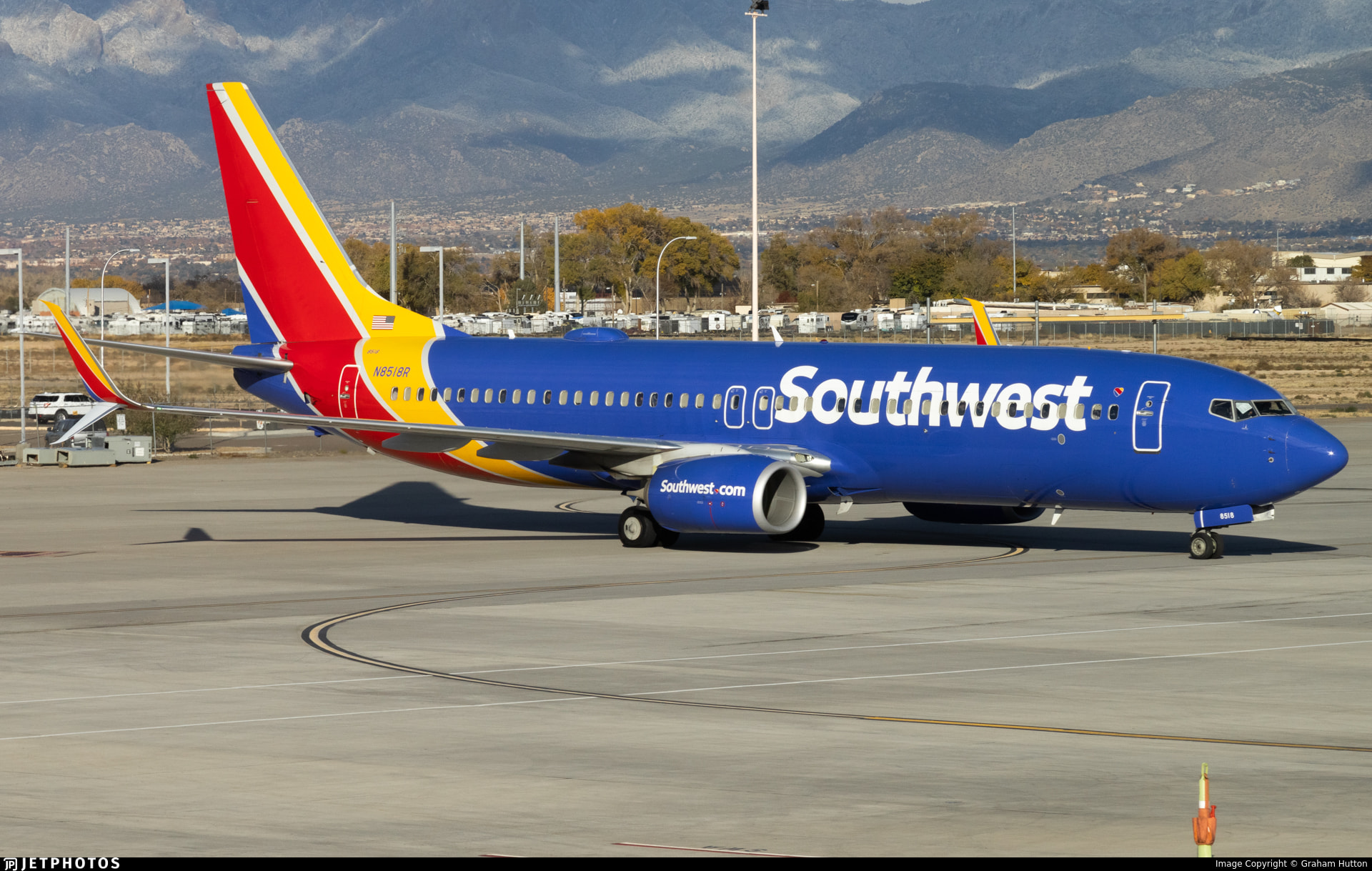
(Pictured below: Examples of regular passenger traffic at the airport)
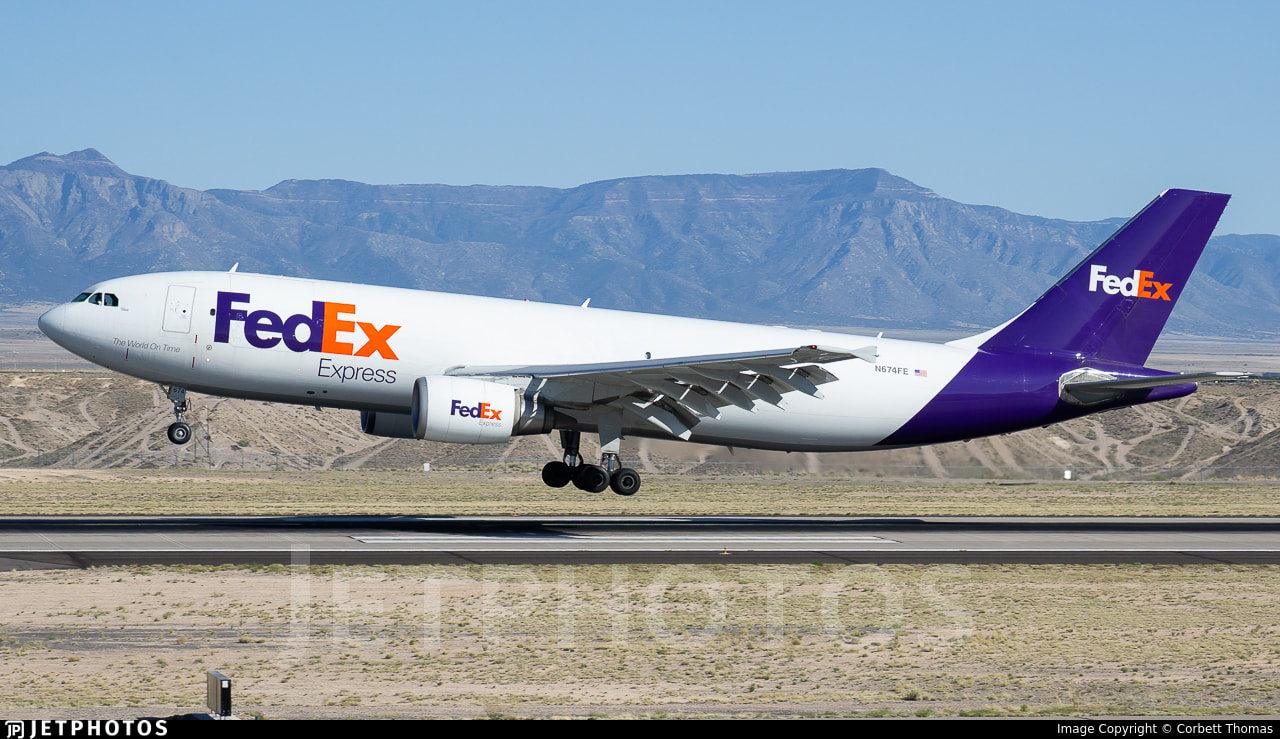
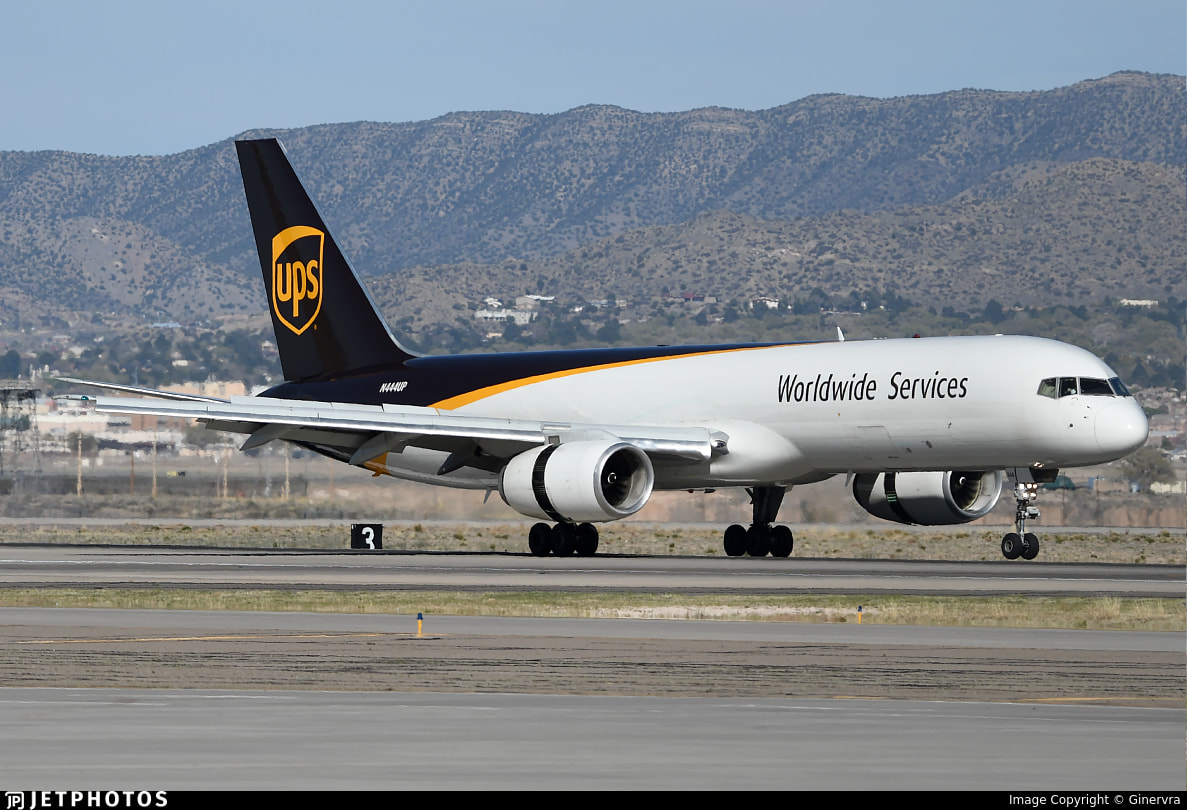
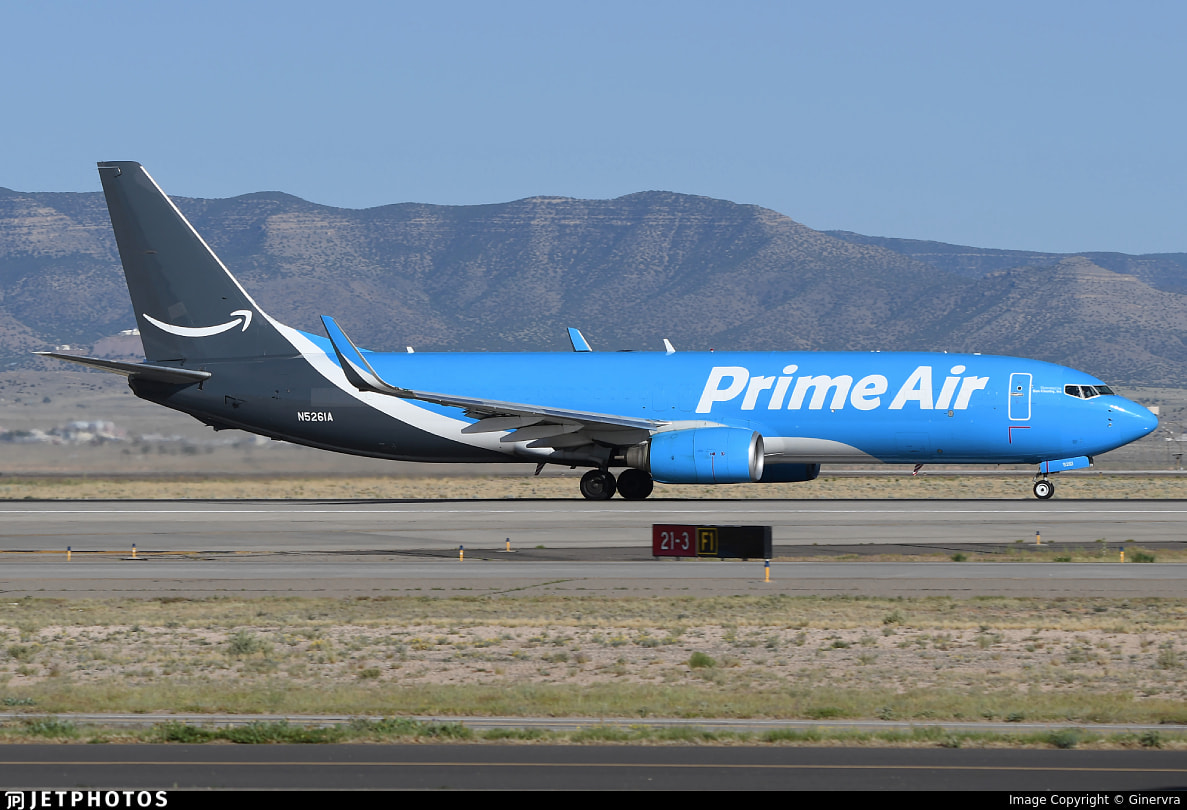
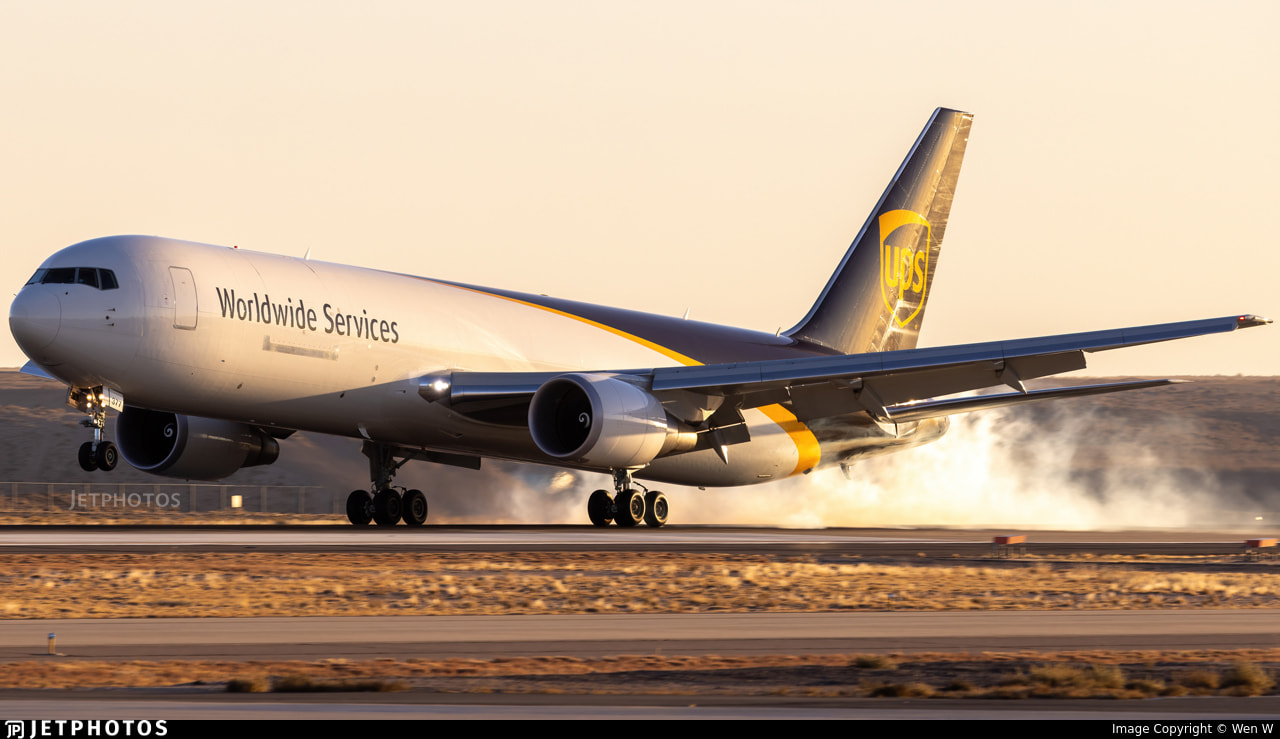
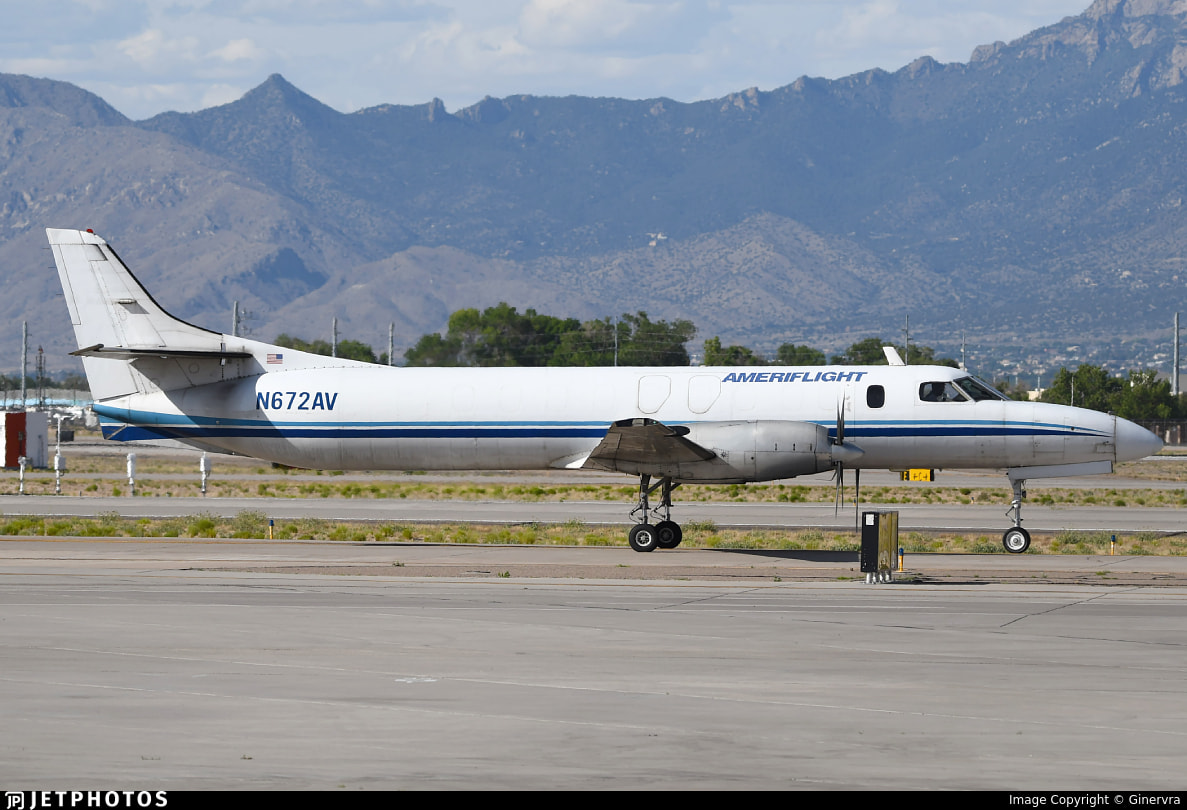
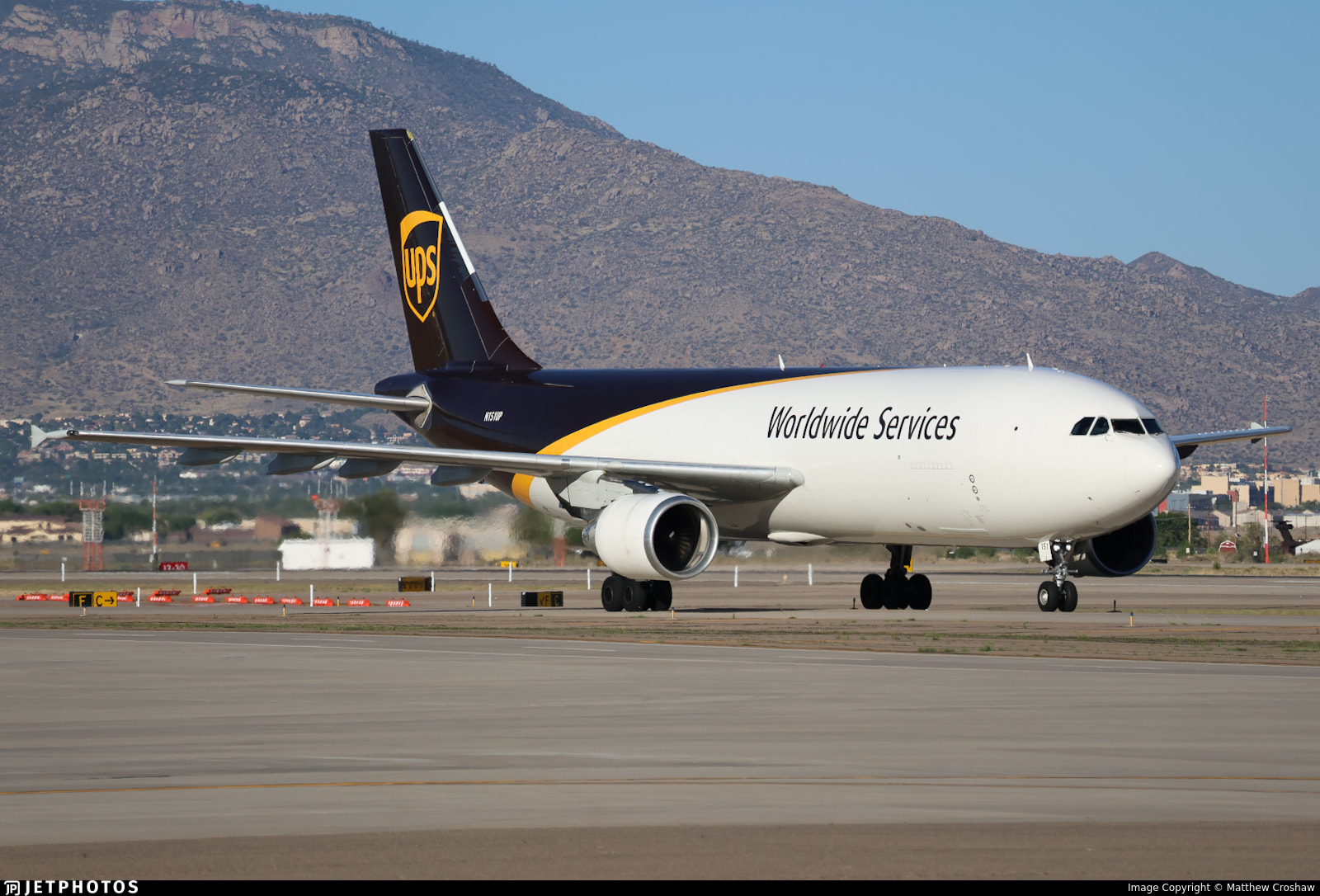
(Pictured below: Examples of regular cargo traffic at the airport)
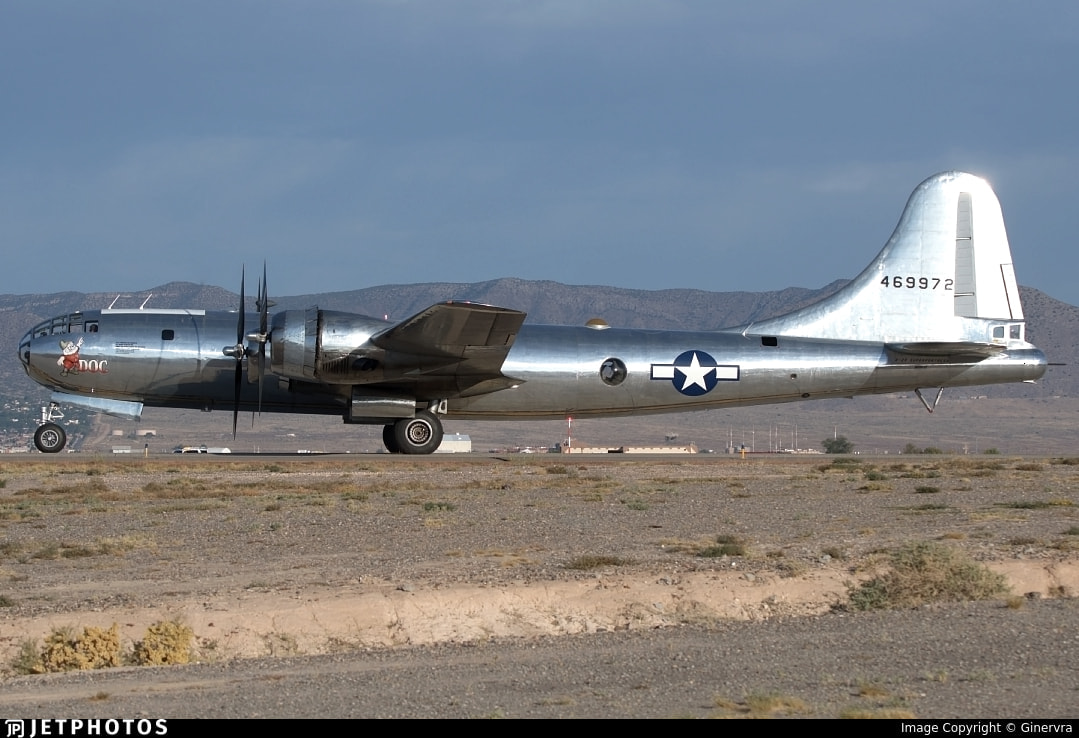
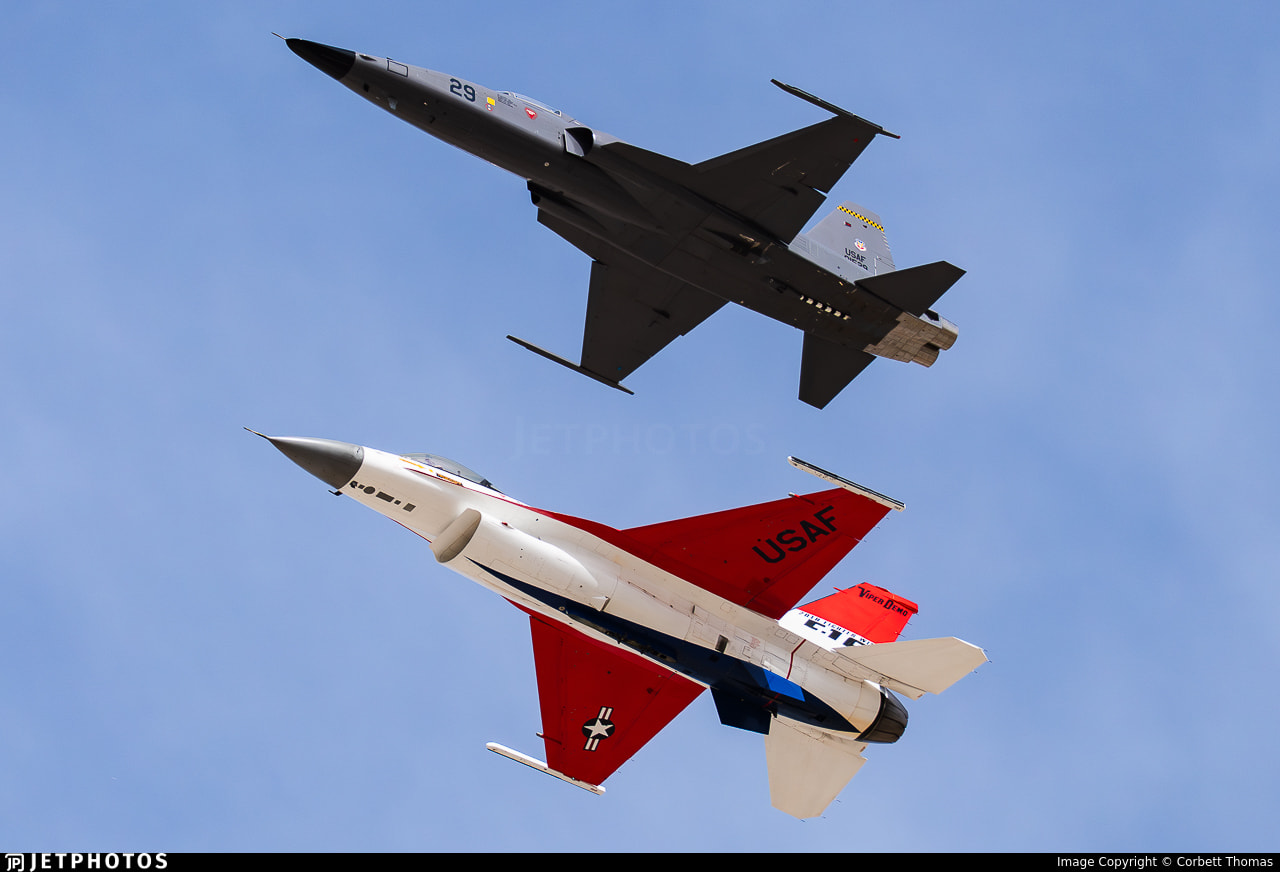
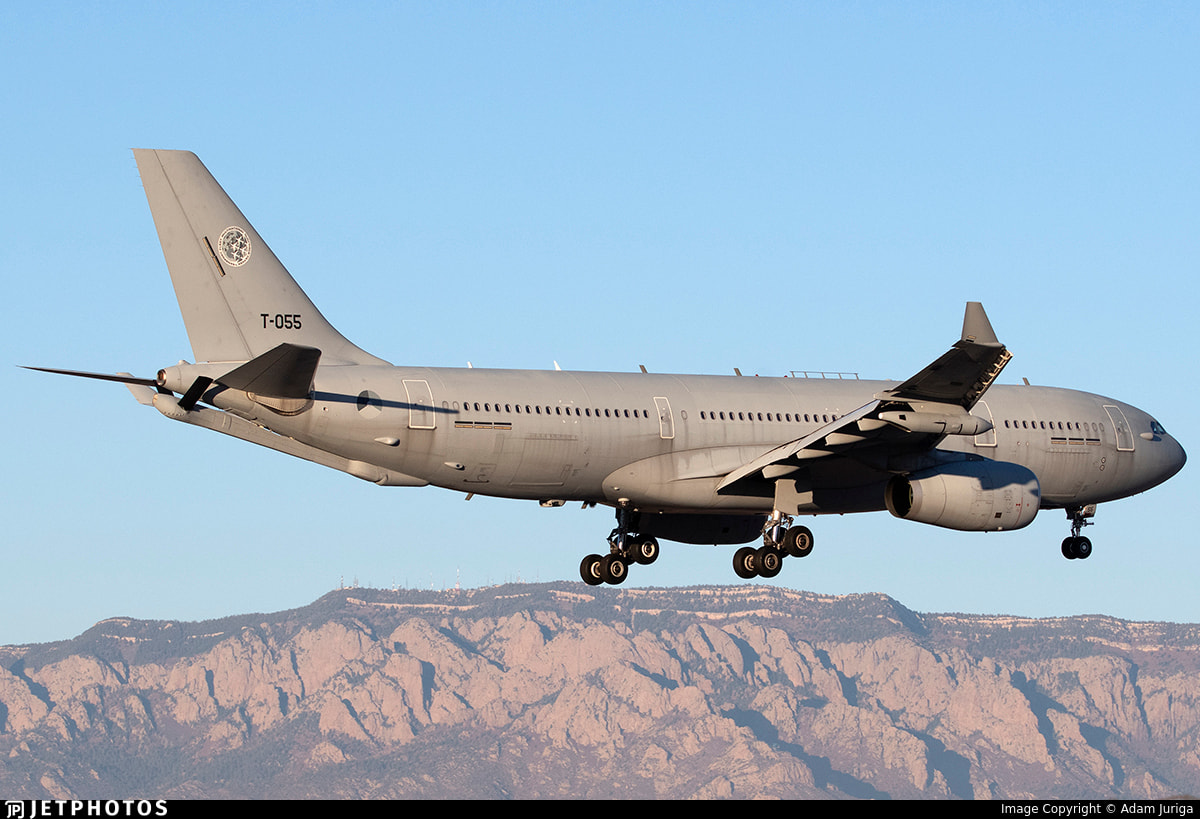
(Pictured below: Examples of regular military traffic at the airport)
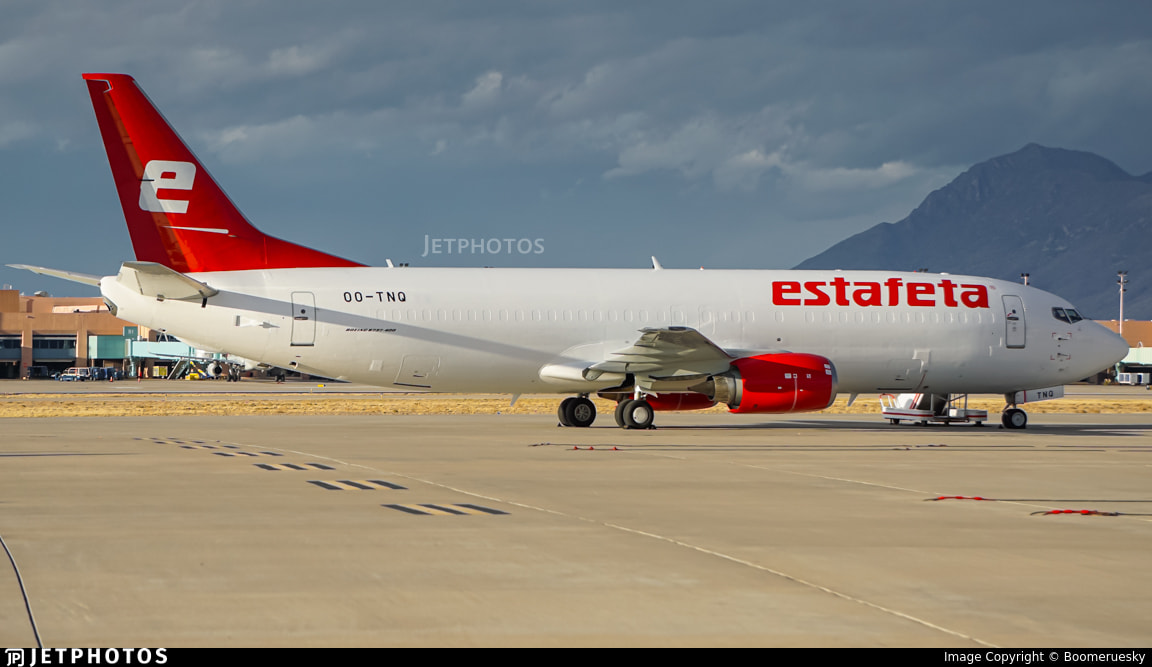
(Pictured below: Examples of miscellaneous traffic at the airport)
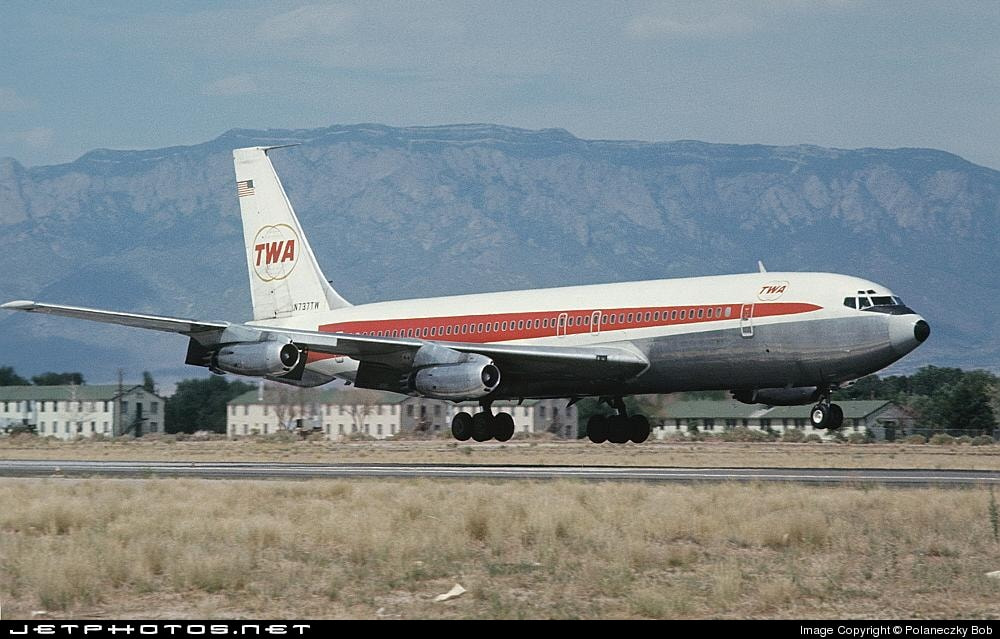
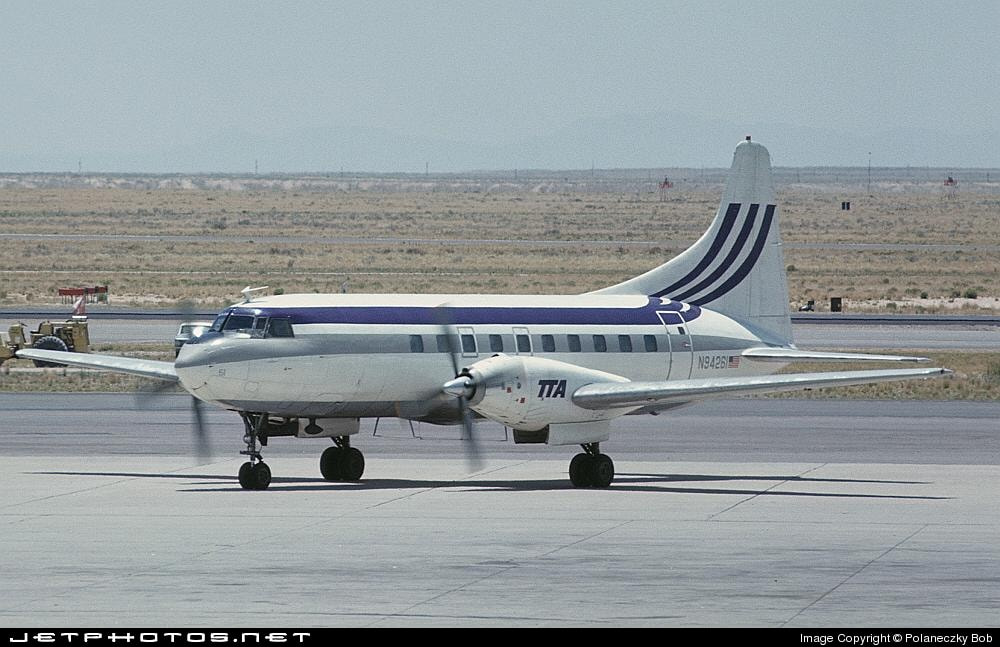
(Pictured below: ABQ, around the 2010s)
(Pictured below: ABQ, around the 2000s)
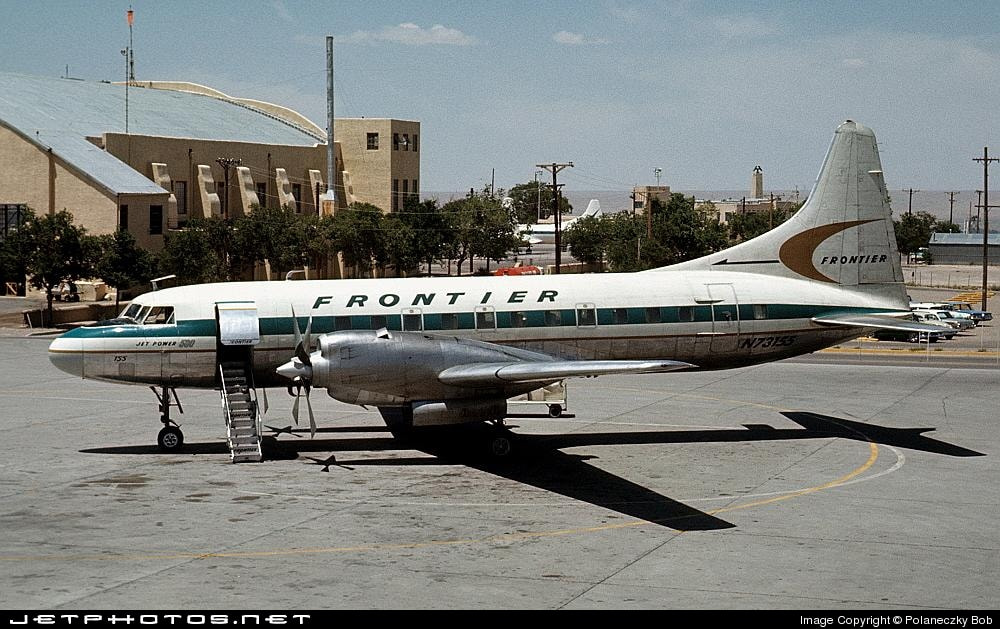
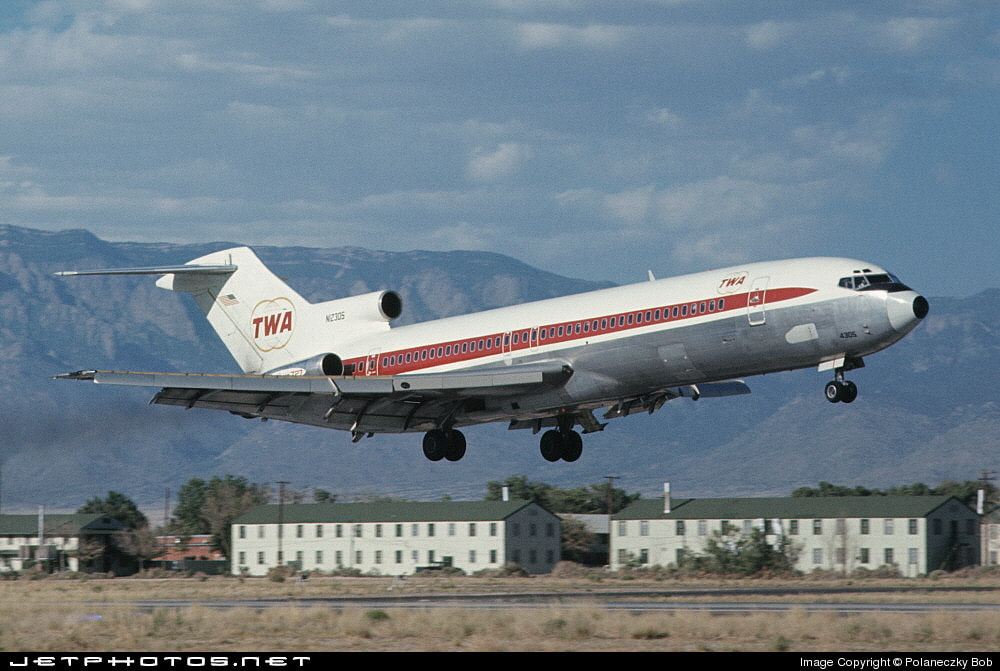
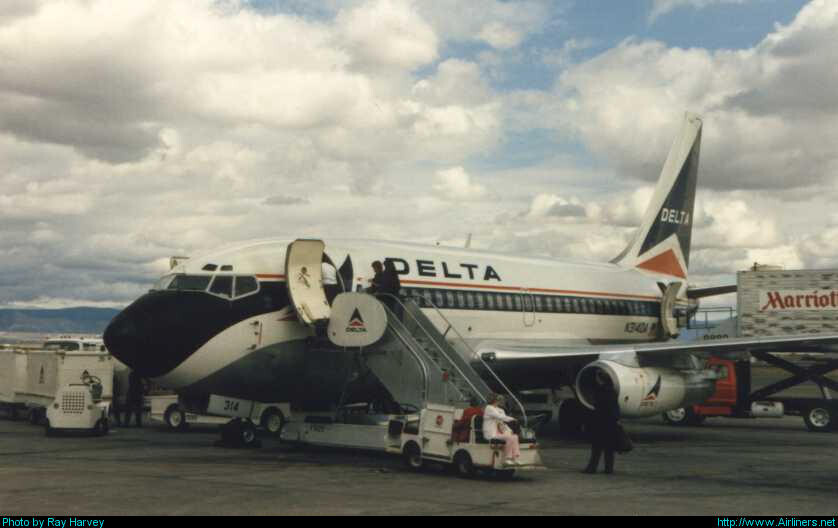
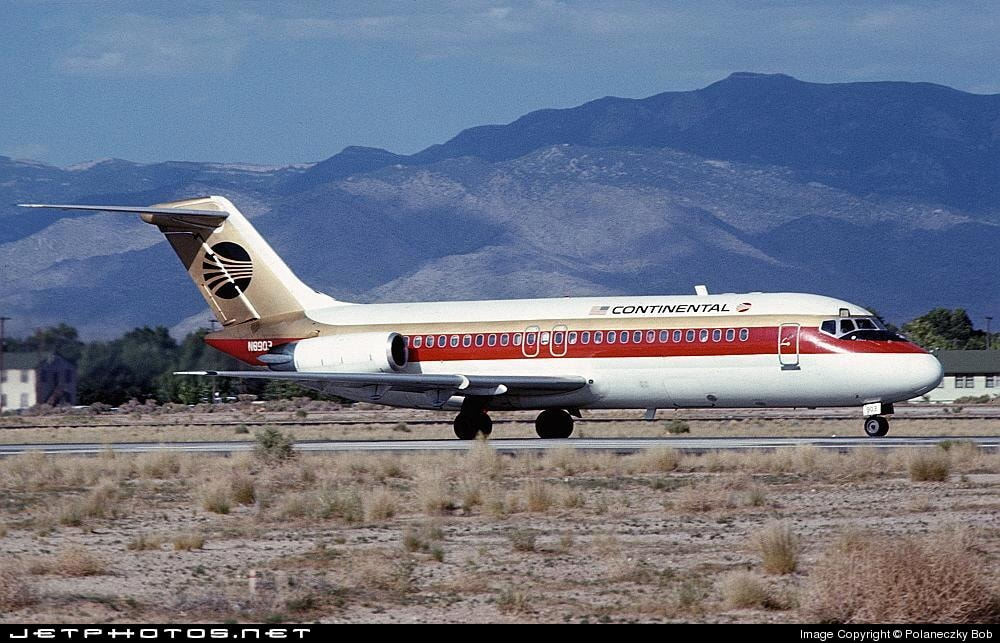
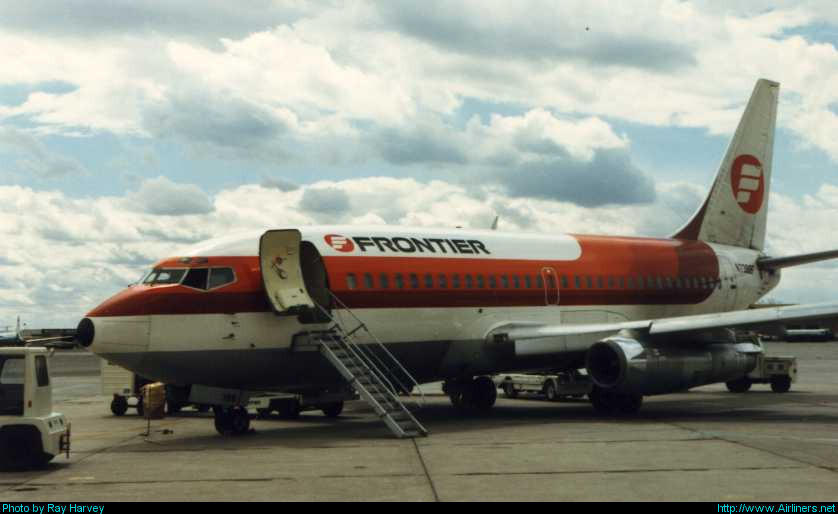
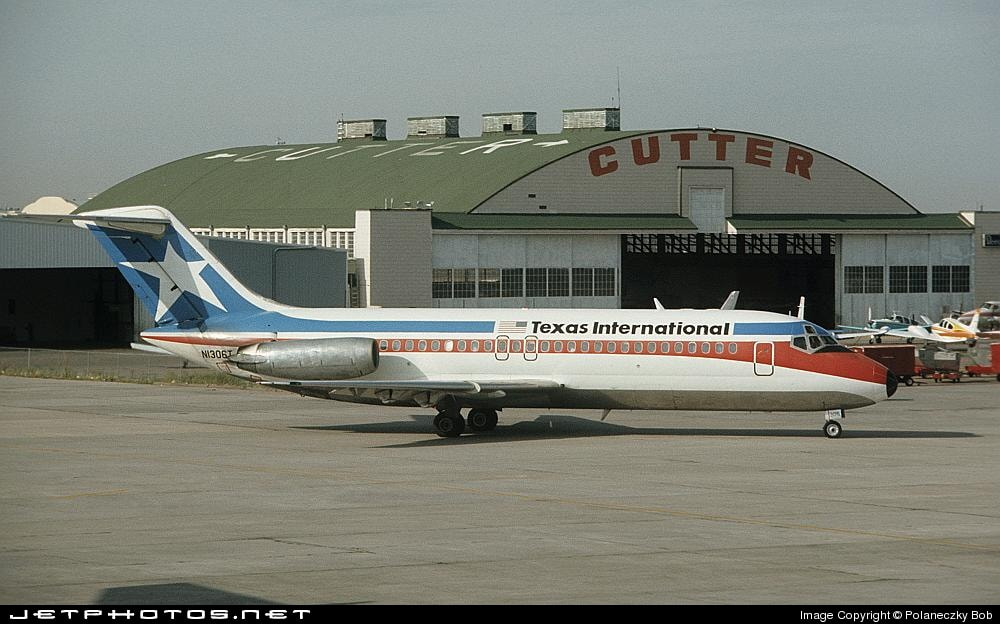
(Pictured below: ABQ, before the 21st century)
(Pictured below: Bonus pictures)